Your basement smells musty. Your kids are coughing more. You spotted that dark patch spreading behind the bathroom tile. Now you’re stuck wondering whether getting rid of it means filling your home with harsh chemicals that might create new problems while solving the old one. Here’s what’s changed: modern mold remediation doesn’t have to mean toxic fumes and hazardous residues. The industry has evolved toward eco-friendly methods that eliminate mold just as effectively while keeping your family and the environment safe. You’re about to learn how green solutions work, why they matter in Bucks County’s humid climate, and what makes them different from the old approach.
What Makes Modern Mold Remediation Different From Traditional Methods
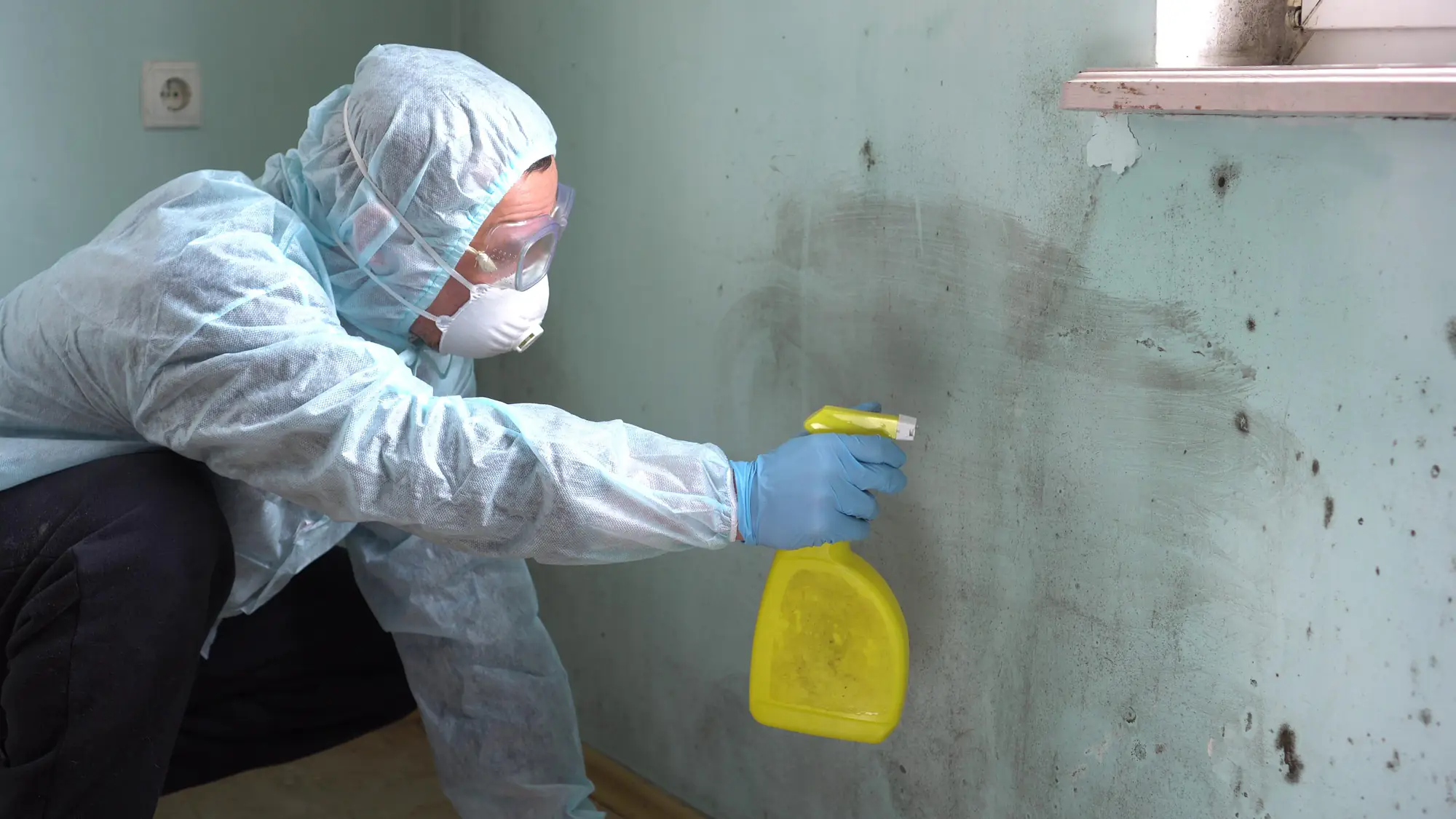
Traditional mold removal relied heavily on bleach, biocides, and harsh chemical treatments that killed mold but left behind concerning residues. You’d clear the mold and inherit new worries about what your family was breathing. Modern mold remediation has fundamentally rethought that approach.
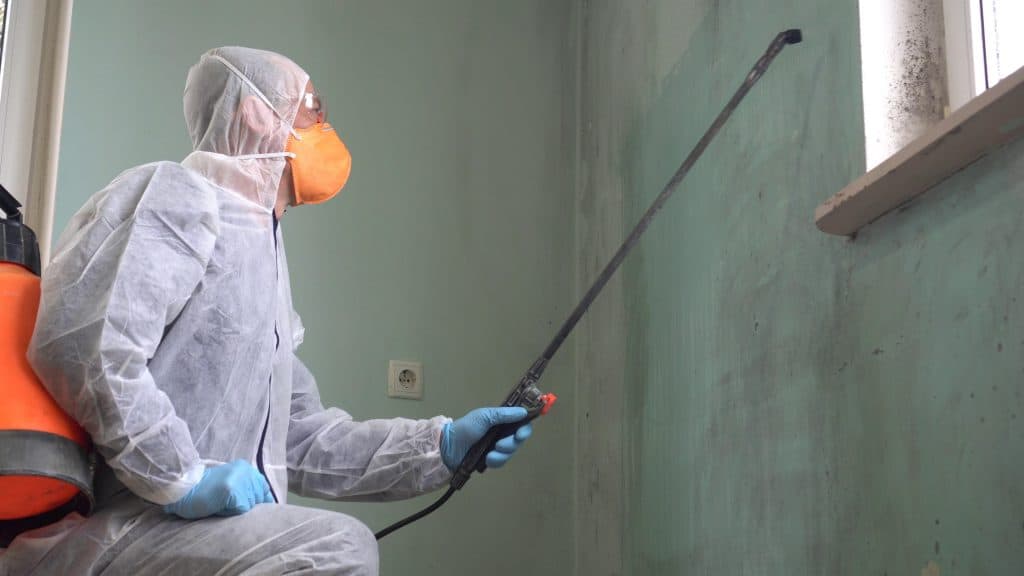
Today’s methods combine advanced detection technology with environmentally responsible solutions. Instead of guessing where moisture hides, we use infrared cameras to map exactly where problems exist behind your walls. Rather than flooding your home with chemicals, we deploy targeted treatments using natural antimicrobial agents that break down organically.
The shift isn’t just about being trendy or checking a green box. It’s about recognizing that your home’s air quality matters just as much after remediation as it did before. Modern techniques prioritize containment, use HEPA filtration to capture spores during removal, and address the moisture sources that caused mold in the first place. That last part matters most because killing mold without fixing why it grew just sets you up for round two.
How Eco-Friendly Solutions Remove Mold Without Harsh Chemicals
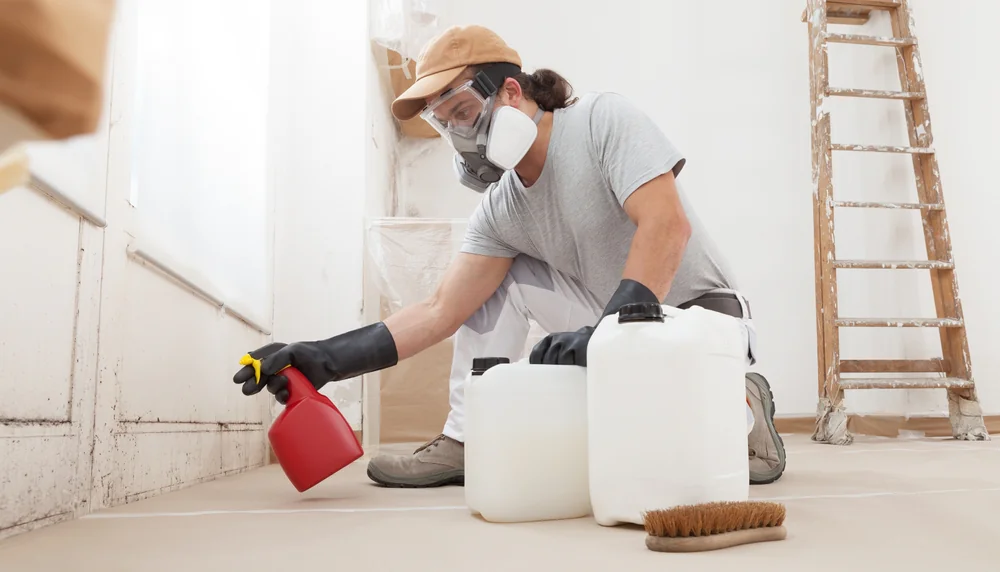
You might be skeptical that vinegar and baking soda can tackle what bleach used to handle. Fair enough. But eco-friendly mold remediation uses more than kitchen staples, and the science backs up why these methods work.
Natural antimicrobial agents like hydrogen peroxide break down into water and oxygen after killing mold spores. No toxic residue. No lingering fumes. Tea tree oil contains compounds that disrupt mold at a cellular level, and research shows it’s effective against the same species that cause problems in Bucks County homes. Vinegar lowers surface pH to levels where mold can’t survive, and studies confirm it eliminates about 82% of mold species.
Professional-grade eco-friendly products take these principles further. EPA-approved botanical solutions combine multiple natural antimicrobials in concentrations that match or exceed traditional chemical effectiveness. Some companies now use dry ice blasting, which removes mold through temperature and impact without introducing any substances into your home at all. The dry ice sublimates into carbon dioxide gas, leaving nothing behind except clean surfaces.
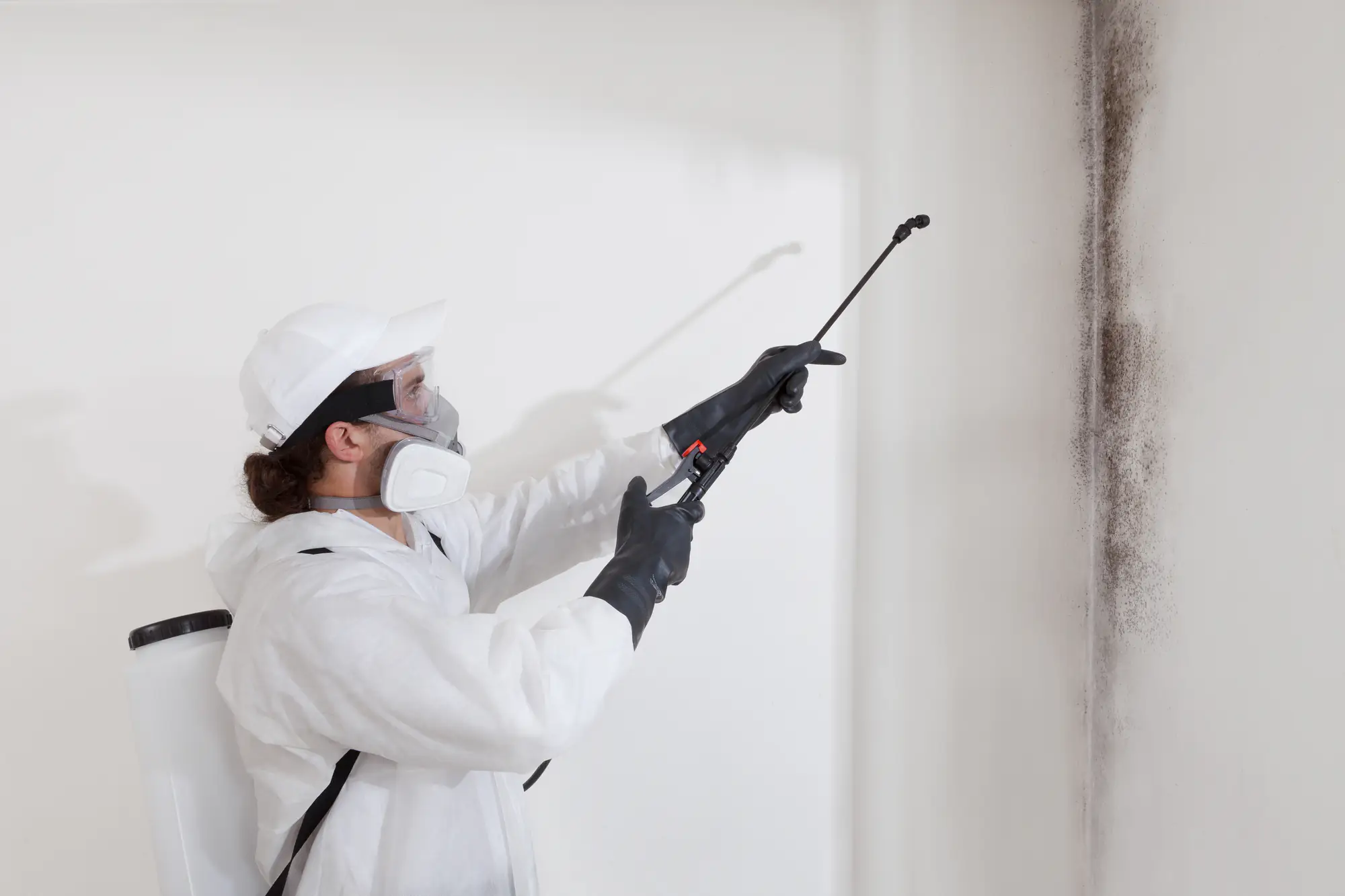
The containment process matters just as much as what touches the mold. Modern remediation creates negative air pressure zones using HEPA-filtered air scrubbers that capture 99.97% of particles down to 0.3 microns. That’s smaller than mold spores. The work happens in a controlled environment where nothing escapes into the rest of your house. Once removal is complete, the same filtration systems clean the air in the affected area before containment barriers come down.
This approach works because it addresses mold on multiple fronts. Physical removal takes away contaminated materials. Natural antimicrobials kill remaining spores. HEPA filtration captures airborne particles. Moisture source elimination prevents regrowth. You end up with a home that’s mold-free, not just temporarily cleaner with a chemical coating that’ll fail when humidity returns.
Why Bucks County’s Climate Makes Green Mold Remediation Essential
Bucks County’s weather creates perfect conditions for mold. Humid summers push indoor moisture above 60%. Frequent thunderstorms find every weak spot in your roof and foundation. Temperature swings cause condensation inside walls. Many local homes were built before modern ventilation standards, trapping moisture in basements and attics. You’re not dealing with occasional mold problems here. You’re managing an ongoing environmental challenge.
That reality makes the choice of remediation method more important. Traditional chemical treatments might kill surface mold, but they don’t address the humidity that’ll bring it back next month. Some biocides perform worse in high-moisture environments, breaking down faster and losing effectiveness. Harsh chemicals can also damage building materials over time, creating new pathways for moisture infiltration.
Eco-friendly modern mold remediation fits Bucks County’s needs better because it focuses on the whole system. Natural antimicrobials remain stable in humid conditions. They don’t degrade your drywall or wood framing. The emphasis on moisture control means we identify why your basement stays damp or where condensation forms in your attic. We’re not just treating symptoms.
The local climate also means you’ll likely face mold challenges again at some point. Maybe not in the same spot, but Pennsylvania’s humidity doesn’t take summers off. Using non-toxic methods now means you’re not building up chemical residues in your home with each treatment cycle. Your indoor air quality doesn’t deteriorate over time from repeated harsh chemical applications.
Consider what happens during our humid July and August months. Indoor humidity can hit 70% or higher. Mold spores are everywhere in the air, just waiting for the right surface. Green remediation strategies include ongoing prevention advice like proper ventilation, dehumidification, and moisture barriers. These aren’t add-ons. They’re central to making sure the mold removal actually lasts through next summer and the one after that.
The older homes throughout Bucks County present another factor. Limited ventilation, lack of vapor barriers, and outdated drainage systems mean moisture problems are often structural, not just situational. Modern eco-friendly approaches work with your home’s existing characteristics rather than trying to overwhelm them with chemicals. That makes the solutions more durable and your home healthier long-term.
Modern Mold Inspection and Testing Techniques That Find Hidden Problems
You can see the mold on your bathroom ceiling. That’s not the problem. The problem is what’s growing where you can’t see it. Behind that wall. Under the flooring. In the crawl space. Modern mold inspection has evolved to find those hidden issues before they become major remediation projects.
Infrared thermal imaging cameras detect temperature differences that indicate moisture behind surfaces. Wet building materials show up as cooler areas on the scan. A trained technician can map your entire moisture problem without putting a single hole in your drywall. Moisture meters confirm what the camera suggests, giving precise readings of water content in wood, concrete, and other materials.
Air quality testing samples what you’re actually breathing. Labs analyze those samples to identify specific mold species and spore concentrations. That information matters because different molds require different approaches, and knowing what you’re dealing with leads to more targeted, effective treatment.
What Air Quality Testing Reveals About Your Home’s Mold Situation
Air quality testing for mold isn’t about getting a simple yes or no answer. It’s about understanding the scope of your problem and whether your indoor air has returned to normal after remediation. The process involves collecting air samples from affected areas, unaffected areas, and outside your home to establish baselines for comparison.
Labs examine these samples under microscopes, counting and identifying mold spores. The results tell you which species are present and at what concentrations. Some molds are more concerning than others. Stachybotrys chartarum, commonly called black mold, produces mycotoxins that can cause serious health issues. Aspergillus species can trigger severe allergic reactions and respiratory problems. Penicillium often indicates water damage and can spread quickly through HVAC systems.
Concentration levels matter as much as species identification. Every indoor environment contains some mold spores because they’re everywhere in nature. The question is whether your indoor levels significantly exceed outdoor levels or fall within normal ranges. Testing typically measures spores per cubic meter of air. When indoor concentrations are substantially higher than outdoor readings, you’ve got an active mold problem even if you can’t see it.
The comparison between affected and unaffected areas in your home reveals if mold is localized or has spread through your ventilation system. If your basement shows high spore counts but your bedroom doesn’t, containment during remediation becomes critical. If both areas show elevated levels, your HVAC system might be distributing spores throughout the house.
Post-remediation verification testing confirms whether the work actually solved your problem. We test after completing removal to document that spore levels have returned to normal ranges. Without this verification, you’re taking someone’s word that the job was done right. With it, you have lab results proving your air quality has improved.
Air testing also helps with insurance claims and real estate transactions. Pennsylvania law requires sellers to disclose known mold problems. If you’re buying a home in Bucks County, pre-purchase air quality testing can reveal issues the seller might not know about or might not have disclosed. If you’re selling after remediation, post-treatment testing documentation shows buyers the problem was properly addressed.
One limitation to understand: air testing provides a snapshot of conditions at the moment samples were collected. Mold spore levels fluctuate based on humidity, air movement, and other factors. That’s why visual inspection and moisture assessment remain essential parts of a complete mold evaluation. Testing confirms what inspection suggests and provides quantifiable data, but it doesn’t replace the need for a thorough physical examination of your property.
How Moisture Detection Technology Prevents Future Mold Growth
Finding existing mold matters. Finding why it grew matters more. Moisture detection technology has advanced to the point where we can identify problems before mold establishes itself. That shift from reactive to proactive makes modern mold remediation far more effective at preventing recurrence.
Thermal imaging cameras visualize moisture patterns inside walls, ceilings, and floors without invasive testing. Water-damaged areas appear as different temperatures on the camera display because wet materials conduct heat differently than dry ones. We can scan your entire basement in minutes and immediately see where moisture is infiltrating through your foundation or where a slow plumbing leak has been soaking drywall for months.
Pin-type and pinless moisture meters provide precise measurements. Pin meters penetrate surfaces to measure electrical resistance, which changes based on moisture content. Pinless meters use electromagnetic sensors to detect moisture without damaging materials. Both types give numerical readings that indicate whether materials are dry, at risk, or actively supporting mold growth. Wood above 20% moisture content will grow mold. Drywall above 17% creates ideal conditions for spores to colonize.
Hygrometers measure relative humidity in your indoor air. Keeping humidity below 60% prevents most mold growth. Many Bucks County homes struggle with this during summer months when outdoor humidity combines with inadequate ventilation and air conditioning systems that can’t keep up. Continuous humidity monitoring helps identify when and where your home’s moisture levels enter the danger zone.
Some advanced systems now incorporate smart sensors that continuously track humidity, temperature, and even volatile organic compounds associated with mold growth. These sensors connect to apps that alert you when conditions favor mold development. That early warning system lets you address moisture problems in the 24-48 hour window before mold establishes itself.
The real value in moisture detection isn’t just finding problems. It’s understanding the patterns. Maybe your basement humidity spikes after heavy rain because your gutters overflow and water pools against your foundation. Maybe condensation forms in your attic during winter because inadequate insulation creates temperature differentials. Perhaps your bathroom exhaust fan isn’t actually venting outside, just pushing humid air into your wall cavity.
Modern mold remediation addresses these root causes instead of just treating symptoms. We use moisture detection data to recommend specific solutions: improving drainage, adding vapor barriers, upgrading ventilation, fixing plumbing leaks, or adjusting your HVAC system. These fixes prevent future mold growth, making the remediation investment worthwhile rather than a temporary band-aid.
For Bucks County homeowners, moisture detection is especially valuable given local climate challenges. Pennsylvania’s humidity and precipitation patterns mean moisture problems are often chronic rather than acute. Understanding exactly where and when moisture enters your home lets you implement targeted solutions that work with regional weather patterns instead of fighting a losing battle against them.
Making the Switch to Green Mold Remediation in Your Bucks County Home
Modern mold remediation has evolved past the point where you have to choose between effectiveness and safety. Eco-friendly methods eliminate mold just as thoroughly as traditional chemical treatments while protecting your family’s health and minimizing environmental impact. For Bucks County homes dealing with our region’s humidity and moisture challenges, green solutions offer better long-term results because they focus on root causes rather than surface symptoms.
The shift toward sustainable practices isn’t about compromise. It’s about using smarter approaches that work with your home’s needs instead of overwhelming problems with harsh chemicals. When you’re ready to address mold issues the right way, we bring modern, eco-friendly techniques and local expertise to every project. Your home deserves remediation that lasts.