
You’ve scrubbed that corner of your basement twice already. The mold came back both times. That’s because the visible growth isn’t your real problem—the moisture feeding it is. Basement mold removal in Bucks County means dealing with foundation issues, groundwater intrusion, and ventilation problems that most cleaning services miss entirely. This isn’t about bleach and elbow grease. It’s about understanding why Pennsylvania basements stay damp, where water actually enters your foundation, and what it takes to stop mold from returning six months after you think it’s gone.
Why Basement Mold Removal Requires More Than Cleaning
The mold on your basement wall is a symptom. The disease is moisture, and in Bucks County, that moisture has specific sources. Your basement sits below grade in soil that retains water differently than other regions. When it rains—and it rains more here than the national average—that water has to go somewhere.
Older homes in areas like Levittown and Newtown were built before modern waterproofing standards existed. Their foundations weren’t designed to handle the seasonal groundwater shifts we see in this region. Add humid summers that keep relative humidity above 60 percent, and you’ve created an environment where mold doesn’t just grow—it thrives.
This is why surface cleaning fails. You can kill every visible spore today, but if moisture is still seeping through your foundation cracks, condensing on cold pipes, or pooling in corners with poor drainage, new spores will colonize those same spots within weeks.
What Mold Cleanup Specialists Actually Do Differently
We don’t start with removal. We start with detection. Before anyone touches a contaminated surface, we’re using moisture meters to measure water content in your walls, floors, and framing. We’re checking relative humidity levels in different areas of your basement. We use thermal imaging cameras to spot temperature differentials that indicate water intrusion behind finished surfaces you can’t even see.
This diagnostic phase matters because it determines whether you’re dealing with a one-time water event or an ongoing moisture problem. A burst pipe that flooded your basement last month creates different mold than a foundation crack that’s been weeping groundwater for three years. The removal approach changes based on what’s actually causing the growth.
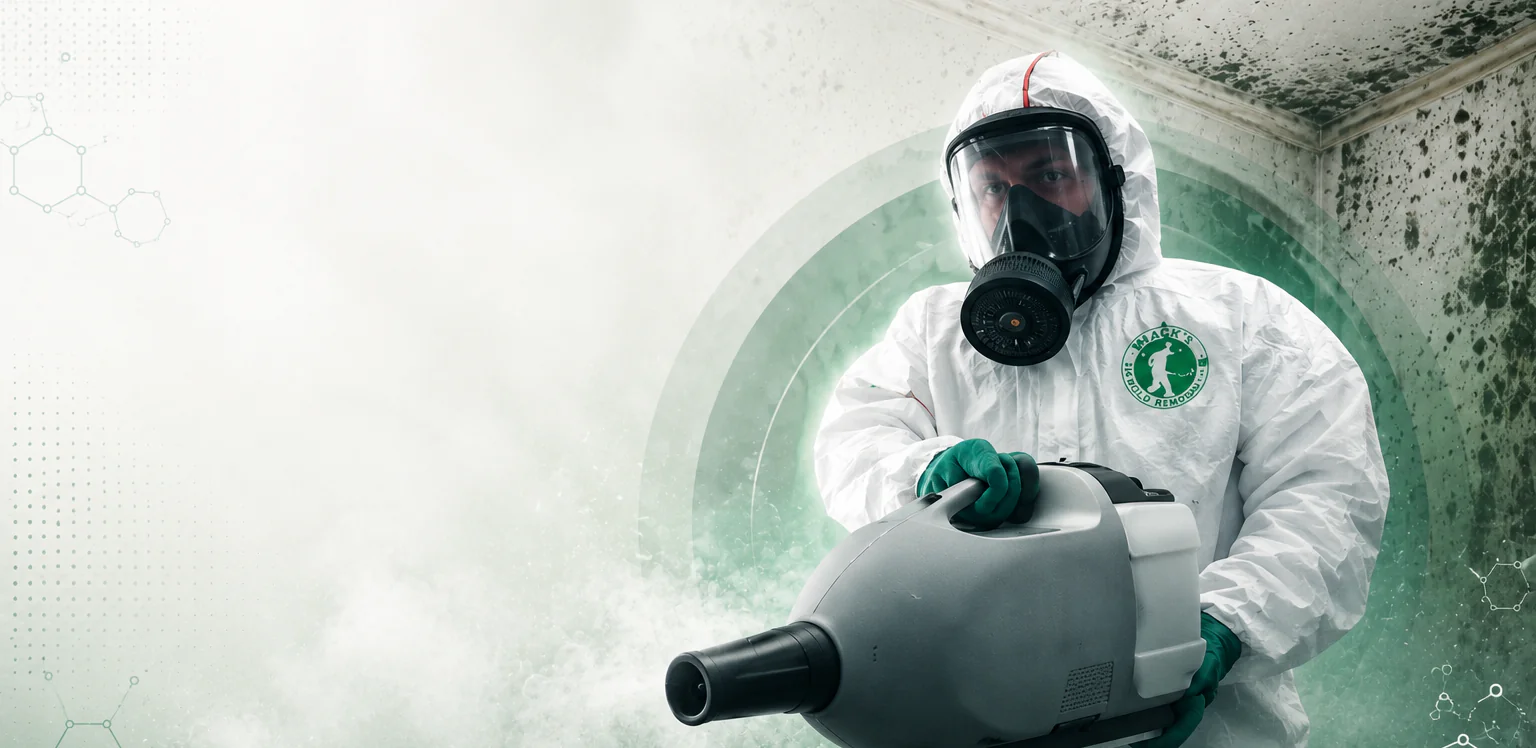
Once we understand your moisture sources, we contain the work area. This isn’t optional. When you disturb mold, you release millions of microscopic spores into the air. Without proper containment—plastic sheeting, negative air pressure, sealed doorways—those spores travel through your HVAC system and colonize new areas of your home. You think you’re solving a basement problem, but you’ve just created an attic problem and a bedroom problem.
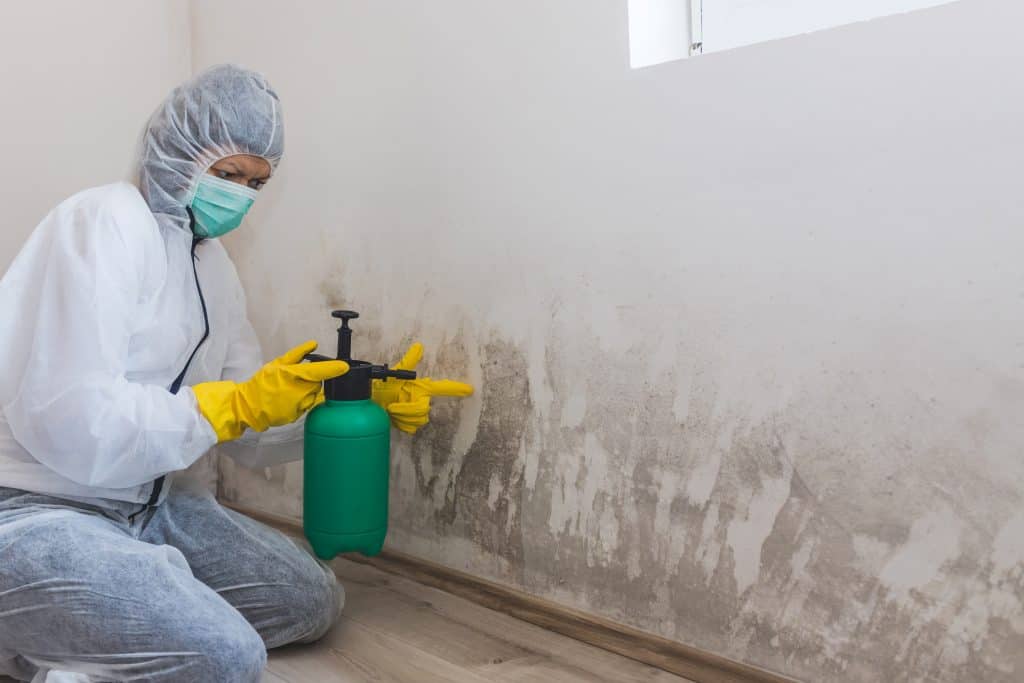
The actual removal uses HEPA-filtered vacuums that trap particles as small as 0.3 microns. Standard shop vacs just blow mold spores back into the air. Porous materials that can’t be cleaned—drywall soaked with mold, carpet padding that’s been wet for days—get removed entirely and disposed of in sealed bags. Non-porous surfaces get scrubbed with antimicrobial solutions that kill spores on contact.
But here’s what separates professionals from DIY attempts: we fix the moisture source. If water is entering through a foundation crack, that crack gets sealed. If condensation is forming because your basement has poor ventilation, we address airflow. If groundwater is rising through your floor slab, we install drainage systems or recommend sump pump solutions. Mold removal without moisture control is just temporary cosmetics.
Crawl Space Mold Removal Companies Need Specialized Equipment
Crawl spaces present challenges that basement mold removal doesn’t. You’re working in confined areas with limited headroom, poor lighting, and often standing water. Most homeowners never enter their crawl spaces, which means mold can colonize floor joists and subfloors for months or years before anyone notices the musty smell filtering up through their living areas.
We use equipment designed for tight spaces. Portable HEPA air scrubbers that fit through narrow access points. Specialized spray systems that can treat overhead joists while we work in cramped positions. Vapor barriers that seal the entire crawl space floor to prevent ground moisture from rising into the space.
The approach differs from basement work because crawl space mold typically grows on structural wood—your floor joists, beams, and the underside of your subfloor. You can’t just remove these materials like you would drywall. Instead, we treat the wood in place with antimicrobial solutions that penetrate the porous surface, killing spores that have worked their way into the grain. Some treatments also provide residual protection, creating a surface that resists future mold colonization even if moisture levels rise temporarily.
Vented crawl spaces create their own problems. The traditional thinking was that outside air circulation would keep crawl spaces dry. In practice, humid summer air enters through vents, cools when it contacts your cooler foundation walls, and that temperature drop causes condensation. You’re essentially pumping moisture into your crawl space all summer long. Modern crawl space mold removal often includes sealing those vents and installing dehumidification systems that maintain humidity below the threshold where mold can grow.
Encapsulation takes this further. A heavy-duty vapor barrier gets installed across the entire crawl space floor and up the foundation walls, creating a sealed envelope that blocks ground moisture. Combined with proper dehumidification, this creates an environment where mold simply can’t establish itself, regardless of what’s happening in the soil beneath your home.
Black Mold Removal Specialists: When You Need Advanced Training
Not all mold is created equal. The black, slimy growth you might see in a chronically wet basement corner could be Stachybotrys chartarum—what most people call toxic black mold. It produces mycotoxins that can cause serious respiratory issues, especially in children, elderly family members, or anyone with compromised immune systems. This isn’t the kind of mold you tackle with a spray bottle and paper towels.
Black mold removal specialists have training that general contractors don’t. We understand how different mold species behave, which ones release toxins when disturbed, and what safety protocols prevent exposure during removal. This matters because disturbing toxic mold without proper containment and respiratory protection can make you sick—sometimes seriously sick.
The removal process for black mold includes full respiratory protection for workers. Not dust masks or surgical masks, but NIOSH-approved respirators with HEPA filters. Full-body protective suits that get disposed of after the job. Eye protection, because mold spores can cause irritation on contact with mucous membranes. These aren’t precautions you see with general cleaning services.
How Professionals Identify Black Mold vs Other Species
Visual identification isn’t enough. Several mold species appear dark or black, but not all produce the same health risks. Black mold typically has a slimy texture when wet and grows in patches that look almost oily. It favors materials with high cellulose content—drywall, wood, paper products. You’ll often find it in areas with chronic water damage, not just occasional dampness.
Professional identification sometimes includes testing. A surface sample gets collected using a swab or tape lift, then sent to a laboratory for analysis. The lab identifies the exact species present and provides spore counts. This information guides the removal approach. Some mold species require more aggressive containment than others. Some indicate specific moisture sources that need attention.
But here’s what many homeowners don’t realize: whether your mold is Stachybotrys or Aspergillus or Cladosporium, it all needs to go. The health risks vary by species, but no mold belongs in your living environment. Testing helps us plan our approach and safety measures, but it doesn’t change the fundamental goal—complete removal and moisture control.
The real value of black mold removal specialists isn’t just our ability to identify species. It’s our understanding of how to remove toxic mold without contaminating other areas of your home. We know how to set up negative air pressure so air flows into the work area, not out of it. We know which materials can be cleaned and which must be removed. We know how to verify that air quality has returned to safe levels after the work is complete.
Understanding Mold Testing vs Inspection in Bucks County
Mold inspection and mold testing serve different purposes, and understanding the difference helps you know what you actually need. A mold inspection is a visual and technical examination of your property. The inspector looks for visible mold growth, signs of water damage, moisture readings in building materials, and conditions that support mold development. We check your basement, crawl space, attic, anywhere moisture problems typically occur.
Mold testing involves collecting samples—either air samples or surface samples—and sending them to a laboratory for analysis. The lab identifies which mold species are present and at what concentrations. This gives you specific data about what’s growing in your home, but it doesn’t tell you where the moisture is coming from or how to fix it.
Most situations start with inspection, not testing. If you can see mold or smell that distinctive musty odor, you already know mold is present. The inspection tells you how extensive the problem is, where moisture is entering, and what remediation approach makes sense. Testing becomes valuable in specific scenarios—when someone in your home has unexplained health symptoms but you can’t find visible mold, when you need documentation for insurance claims or real estate transactions, or after remediation is complete to verify that spore levels have returned to normal.
In Bucks County’s older homes, inspections often reveal moisture sources that homeowners didn’t know existed. A foundation crack hidden behind a finished wall. Condensation forming in rim joist areas where insulation is missing. Groundwater seeping through mortar joints in stone foundations. These discoveries matter more than knowing whether you’re dealing with Aspergillus or Penicillium, because they tell you how to actually solve the problem.
The inspection process should include moisture mapping. Not just “your basement is damp,” but specific readings showing where moisture levels are elevated and how severe the problem is. This data guides both the immediate remediation work and the long-term moisture control solutions that prevent recurrence.
Getting Basement Mold Removal Done Right in Bucks County
Basement mold removal in Bucks County isn’t a one-size-fits-all process. Your 1960s rancher in Levittown has different challenges than a stone foundation home in Newtown. The moisture problems that cause mold here—heavy rainfall, seasonal groundwater shifts, humid summers, aging foundations—require solutions that address your specific situation.
The difference between temporary fixes and permanent solutions comes down to moisture control. Surface cleaning might make the mold disappear for a few weeks, but if water is still finding its way into your basement, you’re just resetting the clock. Professional basement mold removal identifies where moisture is entering, why it’s accumulating, and what changes will actually keep your basement dry long-term.
If you’re dealing with mold that keeps returning, musty odors you can’t eliminate, or visible growth in your basement or crawl space, we provide comprehensive solutions designed for Bucks County homes. We understand the local building types, common moisture issues, and what it takes to address both the mold you can see and the moisture problems you might not know about yet.