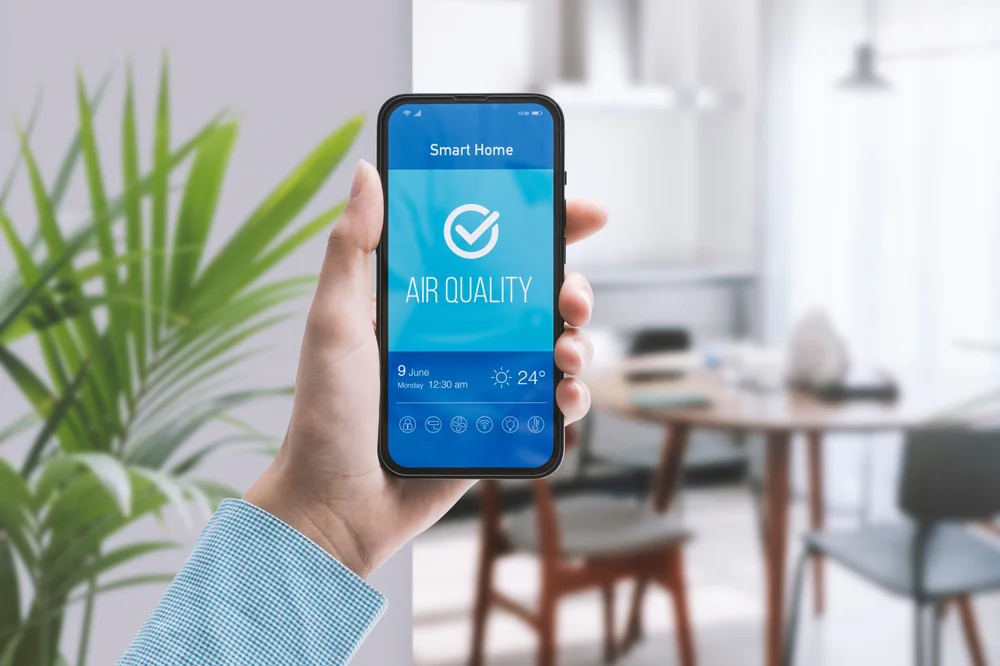
You’ve probably seen them in stores or online—sleek little devices promising to monitor your home’s air quality from your phone. Some even claim to detect mold risks. The technology is real, and it’s getting better fast. But if you’re dealing with a musty smell in your basement or worried about what’s growing behind your walls, you need to know what these devices actually do versus what a professional mold inspection catches. The gap between the two matters more than the marketing suggests. Let’s talk about what’s changed in air quality testing, what homeowners in Bucks County are up against, and where the smart home trend fits into keeping your air clean.
What Smart Home Air Quality Monitors Measure
Walk into any home improvement store and you’ll find air quality monitors that weren’t available a few years ago. They’re smaller, smarter, and connected to your phone. Most track things like humidity, temperature, carbon dioxide, VOCs, and particulate matter.
Here’s what that means in practice. Humidity and temperature readings tell you if conditions are right for mold to grow. VOCs pick up chemical off-gassing from furniture, paint, or cleaning products—some of which come from mold itself. Particulate matter sensors count tiny particles in the air, which can include mold spores along with dust and pollen.
These devices don’t identify mold directly. They measure the environment where mold thrives. Think of it like a smoke detector that senses smoke, not fire. The technology tells you when conditions are concerning, but it won’t tell you what species of mold you’re dealing with or where it’s hiding.
How IoT Sensors Work for Continuous Monitoring
The real advantage of 2026 technology isn’t just what these devices measure—it’s that they never stop measuring. Older testing methods gave you a snapshot. You’d take an air sample, send it to a lab, wait days for results, and hope nothing changed in the meantime.
Smart sensors stream data constantly. They learn your home’s patterns. They know when humidity spikes after someone showers or when air quality dips overnight because windows are closed. Some integrate with your HVAC system and automatically adjust ventilation when readings get concerning.
This continuous monitoring catches problems early. If moisture levels creep up in your basement over several days, you get an alert before mold has time to establish itself. That’s genuinely useful, especially in Bucks County where humidity from the Delaware River and unpredictable weather create ongoing challenges.
But here’s the limitation. These sensors only work in the spaces where you put them. Mold growing inside your walls, under flooring, or in your HVAC ducts won’t trigger the sensor sitting on your nightstand. The technology is good at preventing problems in monitored spaces. It’s not designed to find existing hidden mold.
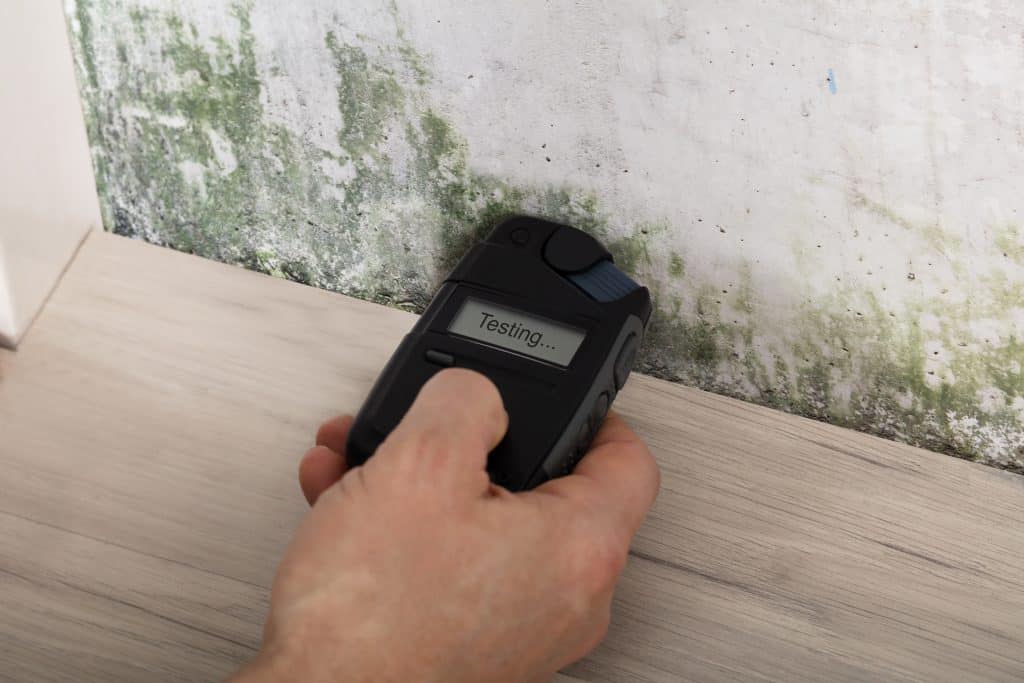
Professional mold testing uses targeted air sampling, surface swabs, and thermal imaging to investigate specific problem areas. A wall might look fine but be harboring mold behind the drywall. Thermal cameras detect temperature variations that indicate moisture. Moisture meters measure water content in materials. Air sampling in contained spaces reveals spore concentrations that general room monitors miss.
Smart home devices give you ongoing awareness. Professional testing gives you answers when you suspect a problem. You need different tools for different situations.
The Technology Behind Modern Mold Detection
Beyond consumer smart home devices, professional air quality testing has also evolved. The equipment we use for mold inspections in 2026 goes well beyond what was available even five years ago.
Thermal imaging cameras now have higher resolution and can detect smaller temperature differences. This matters because moisture problems often show up as cool spots on walls or ceilings before any visible mold appears. Infrared technology lets us scan entire rooms quickly and identify exactly where to investigate further.
Digital moisture meters have become more accurate and less invasive. Some can measure moisture content through surfaces without drilling holes. This preserves your walls while still giving precise readings about what’s happening inside them.
Air sampling technology has improved too. Professional-grade pumps can collect samples from specific locations—inside wall cavities, above ceiling tiles, or in ductwork—places where consumer devices never reach. These samples go to laboratories that identify not just whether mold is present, but what species and in what concentration.
Some companies are even testing electronic nose technology that can identify specific mold species by the volatile organic compounds they emit. Early research shows promising results, though it’s not yet widely available for residential use. The concept is similar to how trained dogs can detect mold by smell, but with consistent, repeatable results.
What makes professional equipment different isn’t just that it’s more expensive. It’s designed for investigation, not monitoring. When you already know something’s wrong—you smell it, see water damage, or have unexplained health symptoms—you need diagnostic tools that can pinpoint the source and extent of the problem.
Smart home monitors are excellent for prevention. They help you maintain conditions that discourage mold growth. They alert you to changes that might lead to problems. But when you’re past prevention and into problem-solving mode, professional testing equipment provides the specificity you need to fix things.
The other factor is interpretation. Consumer devices give you numbers and color-coded indicators. Professional inspectors understand what those numbers mean in context. Humidity at 65% might be fine in winter but concerning in summer. Elevated VOC readings could come from new furniture or could indicate hidden mold. Experience matters when deciding what action to take.
What This Means for Homeowners in Bucks County, PA
Bucks County’s climate creates specific challenges that make air quality monitoring more relevant here than in drier regions. Proximity to the Delaware River means higher baseline humidity. Older homes—common throughout the area—often have ventilation systems that weren’t designed for modern air quality standards. Seasonal temperature swings cause condensation issues that newer construction might avoid.
If you’re living here, a smart home air quality monitor can be genuinely useful. It helps you stay ahead of the humidity and moisture issues that lead to mold in the first place. But it’s not a substitute for professional testing when you need it.
The technology is a tool, not a solution. It gives you information. What you do with that information determines whether your air stays clean.
When to Use Smart Monitors vs Professional Testing
Smart home air quality monitors make the most sense for ongoing prevention and awareness. Use them if you want to maintain healthy conditions, track trends over time, or get early warnings about environmental changes. They’re particularly helpful in problem-prone areas like basements, bathrooms, or rooms with poor ventilation.
Set one up after you’ve had mold remediation done and want to make sure conditions don’t return to levels that caused the original problem. Use them in homes with family members who have allergies or asthma, where air quality directly impacts daily comfort. They’re also useful if you’re managing a property remotely and want alerts if something goes wrong while you’re away.
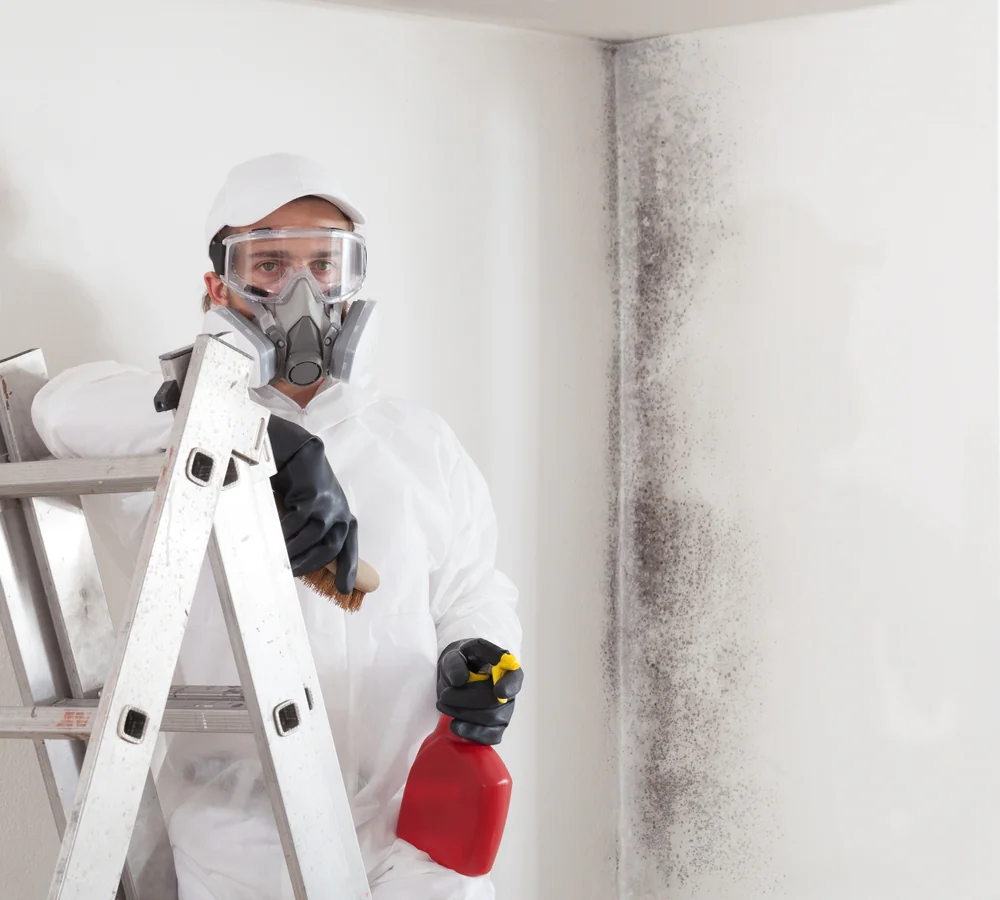
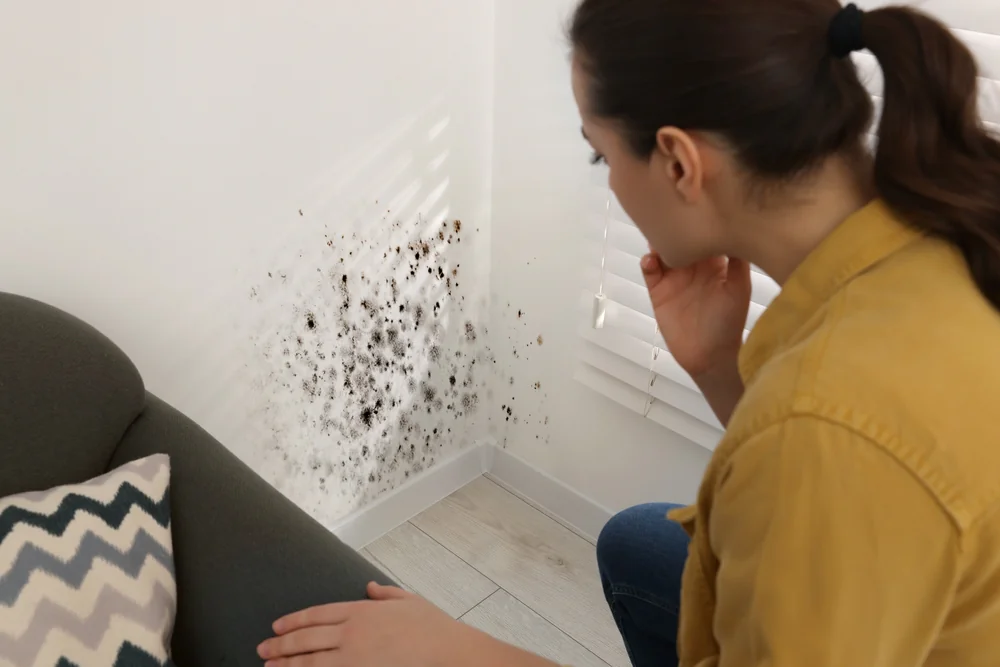
Professional mold testing and air quality assessment becomes necessary in different situations. Call for professional testing if you smell musty odors but can’t find the source. If anyone in your home has unexplained respiratory symptoms, persistent allergies, or headaches that improve when they leave the house, that warrants investigation beyond what a monitor can provide.
Water damage always requires professional assessment, even if it seems minor. A small leak can lead to hidden mold growth within 24-48 hours. By the time your air quality monitor detects elevated humidity or VOCs, mold may already be established behind walls or under flooring.
If you’re buying a home in Bucks County, professional mold inspection protects your investment. Home inspections don’t always include comprehensive mold testing, and sellers aren’t required to look for problems they don’t know about. Spending a few hundred dollars on testing before purchase can save thousands in remediation costs—or give you leverage to negotiate a better price.
Professional testing is also essential before and after remediation. You need baseline data showing the extent of the problem, and you need post-remediation testing to confirm the job was done correctly. Smart monitors can’t provide that level of documentation.
Think of it this way: smart home devices are for maintenance and prevention. Professional testing is for diagnosis and verification. Both have value, but they serve different purposes. Using the right tool at the right time protects both your health and your property value.
The Real Cost of Waiting vs Acting Early
One advantage of modern air quality technology—whether it’s a $100 smart monitor or a $500 professional inspection—is that it changes the economics of mold problems. Early detection is dramatically cheaper than late intervention.
Consider the typical progression. Mold starts with a moisture problem. Maybe a pipe develops a slow leak, or humidity builds up in a poorly ventilated bathroom. For weeks or months, nothing looks wrong. By the time you notice a smell or see visible growth, mold has spread through drywall, insulation, or structural materials.
At that point, remediation might require removing and replacing building materials, treating HVAC systems, and addressing whatever moisture source caused the problem. Costs easily reach several thousand dollars. If mold affects a large area or gets into hard-to-reach spaces, you’re looking at even more.
Now consider the alternative. A smart home monitor alerts you that humidity in your bathroom has been consistently above 60% for several days. You investigate and find that the exhaust fan isn’t working properly. You replace it for $200. Problem solved before mold ever starts growing.
Or your monitor shows elevated VOCs in your basement. You call for a professional inspection. We use thermal imaging and find a small area of moisture behind a wall where a pipe fitting is leaking. You fix the leak and dry out the affected area. Total cost: maybe $800 for the inspection and repairs. No mold remediation needed because you caught it early.
The numbers matter, especially for homeowners who are already managing tight budgets. Research shows that catching mold problems early can save thousands compared to waiting until damage is extensive. Professional mold testing typically costs a few hundred to a few thousand dollars depending on home size. Full remediation for widespread mold can cost $5,000 to $15,000 or more.
Smart monitors cost $50 to $300 depending on features. Professional mold inspections in Bucks County generally run $300 to $1,000 for a typical home. Neither expense is trivial, but both are small compared to the cost of ignoring problems until they become emergencies.
There’s also the health cost, which is harder to quantify but very real. Prolonged mold exposure can trigger or worsen respiratory conditions, cause chronic sinus problems, and create persistent fatigue. For vulnerable populations—children, elderly family members, or anyone with compromised immune systems—the health risks are even more serious.
Early detection through technology, whether consumer devices or professional testing, changes the equation. You’re no longer waiting for obvious symptoms before taking action. You’re using data to make informed decisions about when to investigate further and when to intervene.
Making Smart Decisions About Air Quality Testing
The smart home air quality monitoring trend is more than marketing hype. The technology provides real value for homeowners who want to maintain healthy indoor environments and catch problems early. But it’s not a replacement for professional expertise when you need to diagnose existing issues or verify that remediation was successful.
If you’re in Bucks County dealing with concerns about your indoor air quality, think about what you’re trying to accomplish. Prevention and ongoing monitoring? Smart home devices can help. Investigation of suspected mold, verification after water damage, or documentation for a home sale? You need professional testing with proper equipment and laboratory analysis.
The best approach often combines both. Use technology for continuous awareness, and bring in professionals when situations require diagnostic precision. Your home’s air quality affects your health, your comfort, and your property value. Getting it right matters. If you’re dealing with mold concerns or want to understand what’s really happening with your indoor air, we can help with comprehensive testing and honest answers about what your home needs.