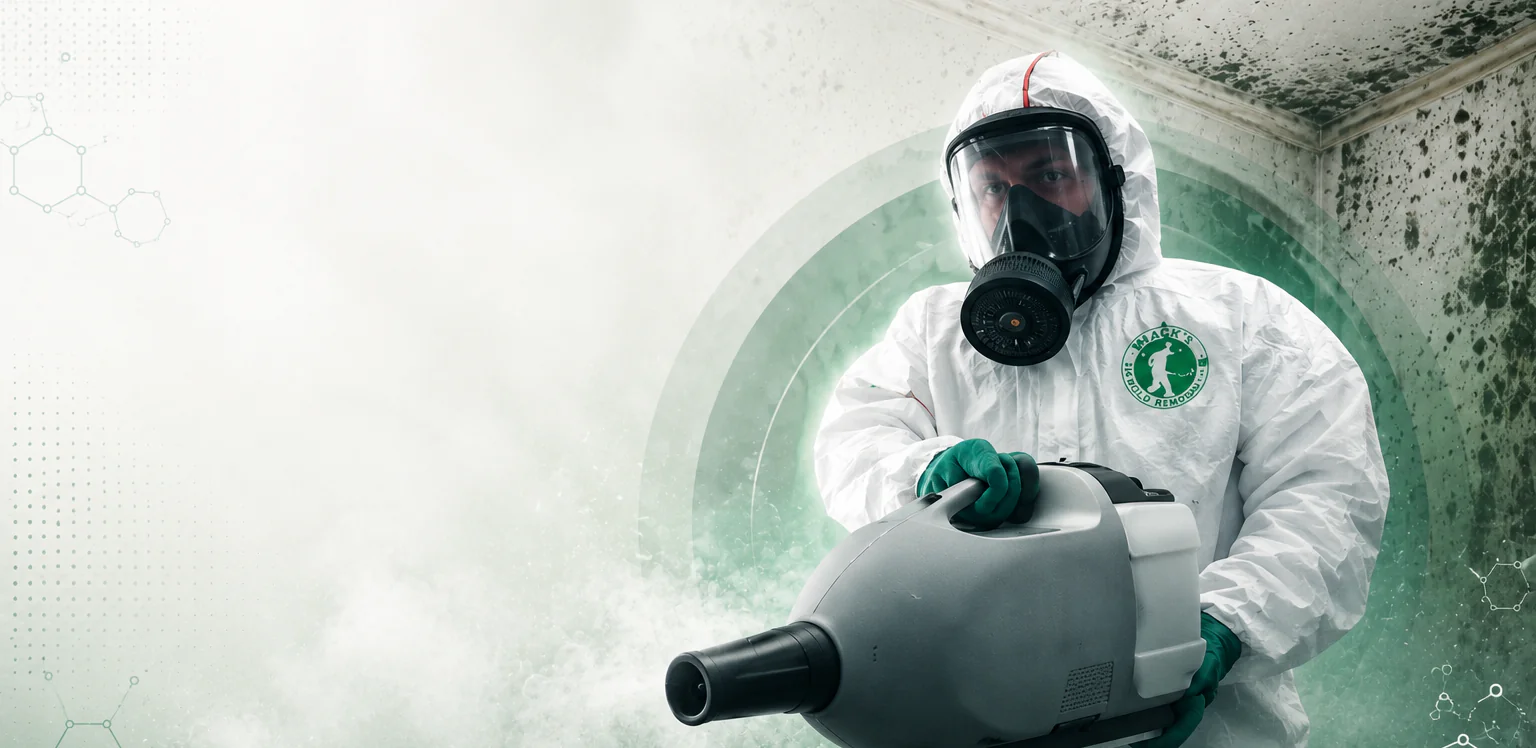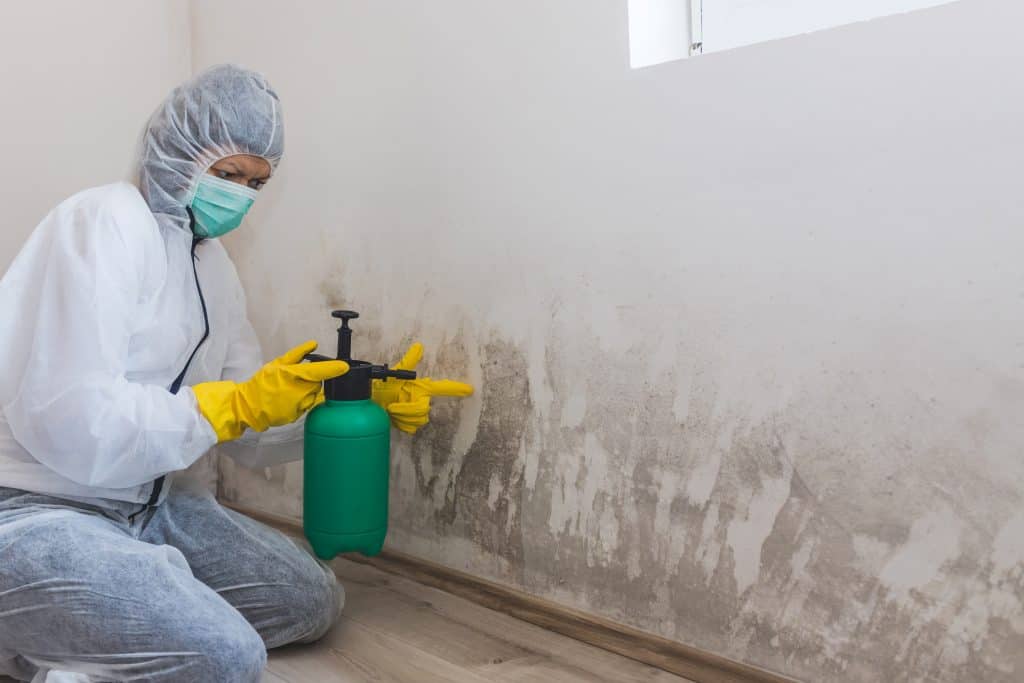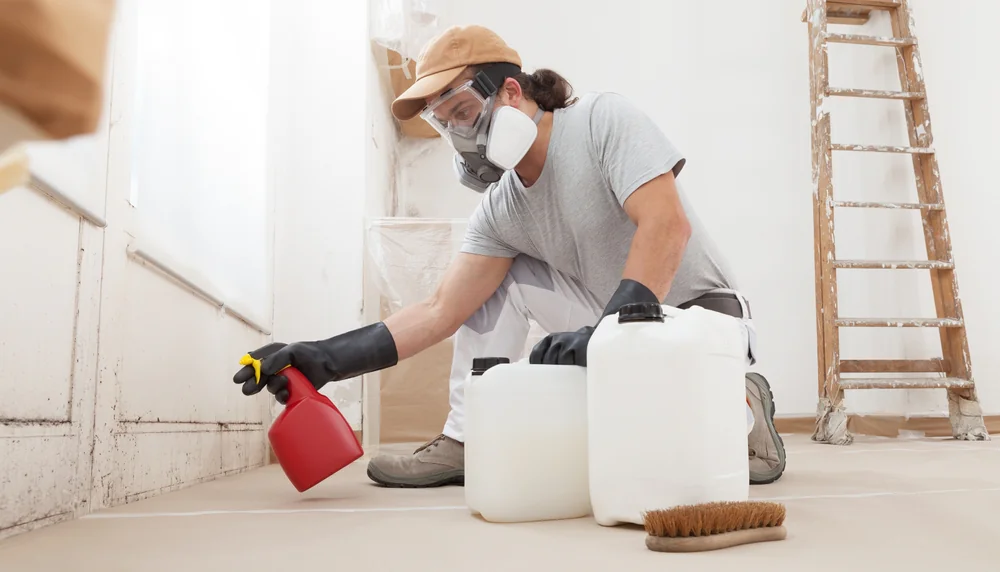
You can’t see mold spores. You can’t always smell them. But if they’re floating through your home in Bucks County, PA, you’re breathing them in every single day. Maybe you’ve noticed a musty odor that comes and goes. Or your family’s been dealing with headaches, congestion, or allergies that seem worse indoors. You might have spotted water damage in the basement or wondered what’s really hiding behind that wall. Air quality testing gives you answers instead of guesswork. It shows you what’s actually in your air, where problems are hiding, and whether your home is as healthy as it should be. Let’s talk about why testing comes first.
What Air Quality Testing Actually Reveals About Your Home
Air quality testing measures what’s floating around in the air you breathe every day. A professional test collects samples from different areas of your home and sends them to a lab for analysis. The results tell you exactly which mold species are present, how many spores are in the air, and whether those levels are higher than what’s normal for outdoor air in Bucks County, PA.
Think of it as a snapshot of your indoor environment. The lab identifies specific types of mold, measures spore concentrations, and compares your indoor air to outdoor baseline samples. This comparison matters because every home has some mold spores—they’re everywhere in nature. What you’re looking for is whether your indoor levels are significantly elevated, which signals a problem that needs attention.
Testing also reveals hidden issues you’d never find with your eyes alone. Mold growing inside walls, under flooring, or in HVAC ductwork releases spores into your air without showing visible growth. That’s why families sometimes experience symptoms without ever seeing mold. The air testing catches what visual inspection misses.
How Mold Spores Impact Your Indoor Air Quality
Mold reproduces by releasing microscopic spores into the air. These spores are so small you’d need a microscope to see them individually, but when they’re present in high concentrations, they affect everyone breathing that air. Some people react immediately with allergy symptoms, while others develop problems over time.
Indoor air can be two to five times more polluted than outdoor air, and in some cases, more than 100 times worse. When you spend 90% of your time indoors like most people do, that exposure adds up. Symptoms often include irritation of the eyes, nose, and throat, along with headaches, dizziness, and fatigue. Children, elderly family members, and anyone with respiratory conditions feel the effects more severely.
Here’s what makes Bucks County homes particularly vulnerable. The humid continental climate brings warm, humid summers and significant rainfall—about 49 inches per year, well above the national average. That moisture creates perfect conditions for mold growth, especially in basements, bathrooms, and attics where ventilation might be limited.
Mold doesn’t need much to thrive. It needs moisture, organic material to feed on (like wood, drywall, or carpet), and temperatures between 40 and 100 degrees. Your home provides all three year-round. When water damage occurs—from a leaky roof, burst pipe, or flooding—mold can start growing within 24 to 48 hours. In Bucks County’s humidity, that timeline accelerates.
The tricky part is that mold often grows in places you don’t check regularly. Behind walls where a pipe leaked months ago. In the crawl space where moisture accumulates. Inside HVAC ducts where condensation forms. These hidden colonies keep releasing spores into your air, affecting your health even when you can’t see the source.
Air quality testing finds these hidden problems by detecting elevated spore levels in specific rooms or areas. If your bedroom shows high concentrations but your living room doesn’t, that points the inspector toward a localized source. If spore counts are elevated throughout the house, it suggests a larger issue like contaminated ductwork or a central HVAC problem.
When Air Quality Testing Makes the Most Sense
Not every situation requires professional air quality testing, but several scenarios make it the smart first step. If you’re experiencing health symptoms that improve when you leave home and return when you’re back inside, testing helps confirm whether mold is the culprit. Persistent allergies, unexplained respiratory issues, or chronic headaches that seem worse indoors all warrant investigation.
You should also test when you smell that musty, earthy odor but can’t locate visible mold. That smell indicates active mold growth somewhere in your home. The odor comes from microbial volatile organic compounds that mold releases as it grows. Your nose is telling you there’s a problem—testing tells you where and how severe.
Recent water damage is another clear reason to test, even after you’ve dried everything out. Water from flooding, burst pipes, or roof leaks can seep into wall cavities and under flooring where you can’t see it. By the time mold becomes visible, it’s already been growing for weeks. Testing catches the problem early, before it spreads and becomes expensive to remediate.
Real estate transactions often require air quality testing in Bucks County, PA. Buyers want assurance they’re not inheriting a mold problem, and sellers want documentation that their home is clean. Mold is one of the most common deal-breakers in local real estate. Professional testing provides objective data that protects both parties and keeps transactions moving forward.
After mold remediation, testing verifies the work was done correctly. This post-remediation testing confirms that spore levels have returned to normal and no mold was missed during cleanup. It’s your proof that you got what you paid for and your home is truly safe again. Many remediation companies include post-testing in their service, but if yours doesn’t, it’s worth paying for independently.
Finally, if you’re buying an older home or one that’s been vacant for a while, testing provides peace of mind. Older homes in Bucks County often have moisture issues from aging plumbing, poor ventilation, or outdated drainage systems. Vacant homes can develop problems when HVAC systems aren’t running regularly to control humidity. Testing before you move in prevents unpleasant surprises later.
One important note: if you can see extensive mold growth, you may not need testing to confirm you have a problem. The EPA notes that when visible mold is present, efforts should focus on removal rather than testing. However, testing can still be valuable to identify the specific species, determine the extent of contamination in hidden areas, and verify cleanup success afterward.
The Air Quality Testing Process: What to Expect
Professional air quality testing starts with a conversation. The inspector asks about your concerns, any symptoms family members are experiencing, and the home’s history with water damage or moisture issues. This background helps them focus on the most likely problem areas during the inspection.
Next comes a thorough visual assessment. The inspector examines areas prone to moisture and mold growth—basements, bathrooms, kitchens, attics, crawl spaces, and around windows and doors. They look for water stains, discoloration, condensation, and visible mold growth. They also check for musty odors and signs of poor ventilation.
The inspector uses specialized equipment to gather data your eyes can’t see. Moisture meters detect elevated moisture levels inside walls and under flooring. Thermal imaging cameras reveal temperature differences that indicate water intrusion or inadequate insulation. These tools help locate hidden moisture sources that could be fueling mold growth.
How Air Samples Are Collected and Analyzed
Air sampling is where the science happens. The inspector uses a calibrated pump that pulls air through a collection device, typically for about five to ten minutes per sample. The device captures mold spores on a slide or filter. Most inspections include samples from multiple rooms to compare spore levels across different areas of your home.
At least one outdoor sample is also collected. This outdoor sample serves as your baseline—it shows what’s naturally present in the air around your property. Indoor samples are compared to this outdoor baseline to determine if your indoor levels are elevated. Every outdoor environment has mold spores; the question is whether your indoor concentration is significantly higher than normal.
The samples go to an accredited laboratory where microbiologists examine them under high-powered microscopes. They identify specific mold species, count spore concentrations, and note the presence of any toxigenic molds that pose greater health risks. The lab report typically takes a few days to complete.
When you receive the results, they’ll show spore counts for each sample location, identify the types of mold present, and compare indoor to outdoor levels. The report might note species like Aspergillus, Penicillium, Cladosporium, or Stachybotrys (often called black mold). Different species have different health implications and grow in different conditions, so identification helps guide remediation strategies.
Interpreting results requires professional expertise. A slightly elevated spore count in one room might not be cause for alarm, while very high concentrations of certain species indicate a serious problem requiring immediate attention. The inspector explains what the numbers mean for your specific situation and recommends next steps based on the findings.
Some inspectors also perform surface sampling in addition to air testing. Surface samples use tape lifts or swabs to collect mold directly from suspicious areas. These samples can identify mold growing on specific surfaces and help determine if discoloration is actually mold or just dirt and staining. Surface sampling works well for confirming visible growth and checking whether remediation cleaned areas thoroughly.
What Happens After You Get Your Test Results
Once you have lab-verified data showing what’s in your air, you can make informed decisions instead of guessing. If results show elevated mold levels, the inspector provides a detailed report outlining the extent of contamination, likely sources based on the inspection, and recommended remediation steps. This report becomes your roadmap for fixing the problem.
For minor issues—like elevated spores from a small area of mold growth in a bathroom—remediation might be straightforward. Address the moisture source, clean or remove affected materials, and improve ventilation. For larger problems involving hidden mold in wall cavities or extensive contamination, professional mold remediation becomes necessary.
The testing report also serves important purposes beyond remediation planning. If you’re filing an insurance claim for water damage or mold remediation, the documented test results support your claim with scientific evidence. Insurance adjusters can’t dismiss professional lab analysis the way they might question your own observations.
In real estate transactions, test results provide negotiating power. If you’re buying and tests reveal mold issues, you can request that the seller handle remediation before closing or negotiate a price reduction to cover the work. If you’re selling and tests come back clean, that documentation reassures buyers and can justify your asking price.
After remediation is complete, follow-up testing verifies success. Post-remediation air samples should show spore levels back to normal, comparable to outdoor baseline levels. This clearance testing confirms that all mold was removed, moisture sources were addressed, and your home is safe to occupy without ongoing exposure concerns.
Some homeowners wonder if they can skip professional testing and use a DIY kit instead. While consumer test kits exist, they often lack proper controls and professional interpretation. You might get results showing mold is present—which is true for virtually every home—but without baseline comparisons and expert analysis, those results don’t tell you if you actually have a problem or how to fix it. Professional testing costs more upfront but provides actionable data that DIY kits simply can’t match.
Testing costs in Bucks County, PA typically range from $200 to $800 depending on the size of your home and the number of samples needed. That investment provides clarity and prevents expensive mistakes. Remediating the wrong areas or missing hidden mold wastes far more money than proper testing costs. You’re paying for expertise, calibrated equipment, accredited lab analysis, and a detailed report that guides effective action.
Making Air Quality Testing Work for Your Bucks County Home
Your home’s air quality directly affects your family’s health, your property’s value, and your peace of mind. In Bucks County’s humid climate where mold finds plenty of opportunities to grow, air quality testing provides the certainty you need to protect what matters most. It reveals hidden problems before they become expensive disasters, verifies that remediation actually worked, and gives you scientific data instead of worry and guesswork.
Testing makes the most sense when you’re experiencing unexplained symptoms, dealing with water damage, buying or selling a home, or want verification after mold removal. The process is straightforward—inspection, sampling, lab analysis, and a detailed report explaining what’s in your air and what to do about it. The investment pays for itself by preventing wasted money on unnecessary work or missed problems that grow worse over time.
If you’re ready to find out what’s really in your air, we provide professional air quality testing throughout Bucks County, PA. Our team uses advanced detection methods and works with accredited labs to deliver accurate results and practical recommendations. You’ll get straight answers about your home’s air quality and clear guidance on any next steps needed to keep your family breathing easy.