You’ve noticed something off. Maybe it’s a musty smell that won’t go away, or a dark patch on the basement wall that looks worse every month. You’ve Googled “is this mold or mildew,” scrolled through horror stories about black mold, and now you’re here because you want actual answers—not a sales pitch.
Here’s the truth: not every homeowner needs mold testing. But some do. And knowing the difference can save you money, protect your family’s health, and give you real assurance. Let’s walk through the five questions Bucks County homeowners ask us most when they’re trying to figure out if professional mold testing is right for them.
What’s the Difference Between Mold Testing and Mold Inspection?
This is the question that trips up almost everyone, and honestly, a lot of companies don’t make it any clearer. So let’s break it down.
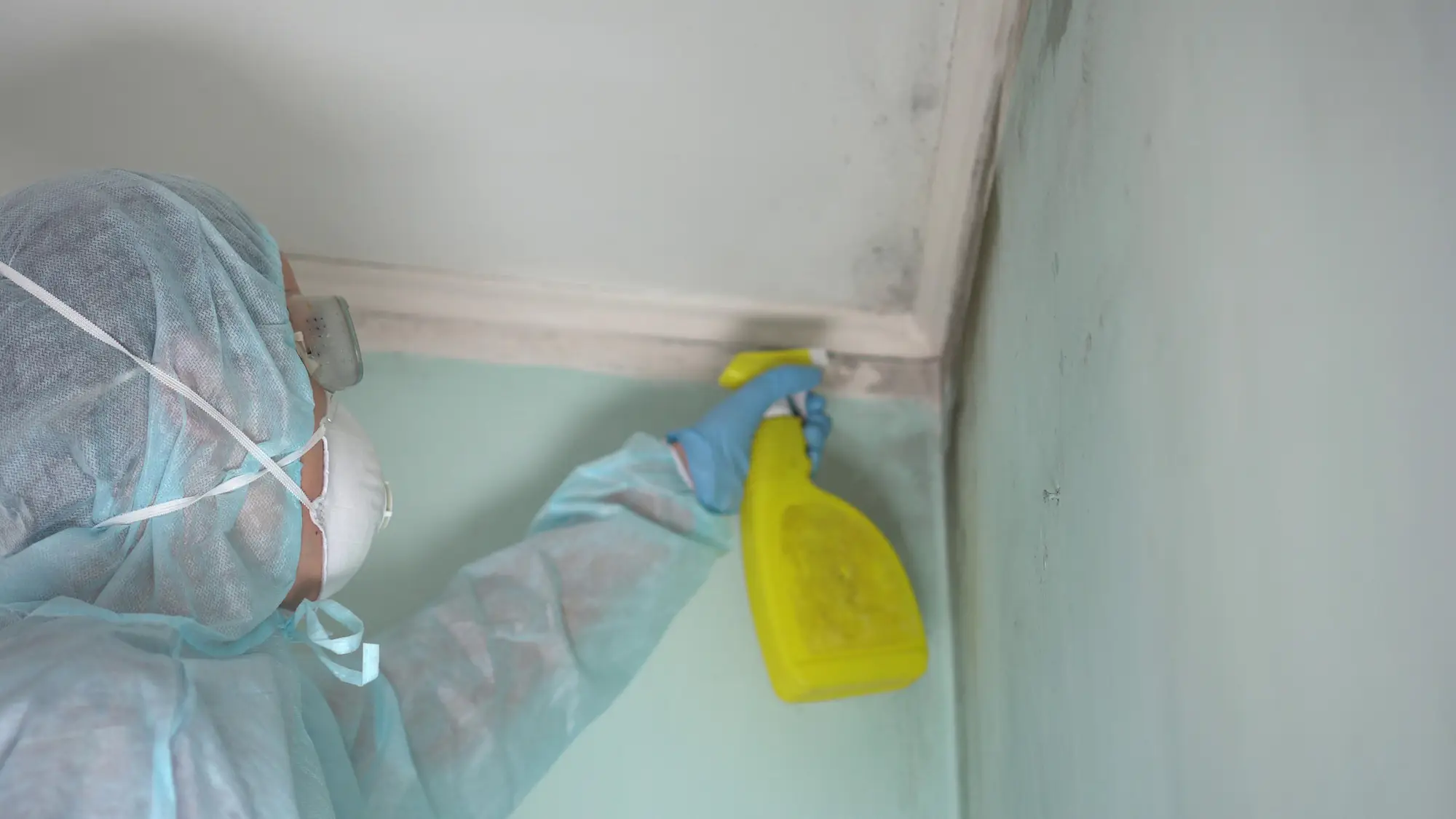
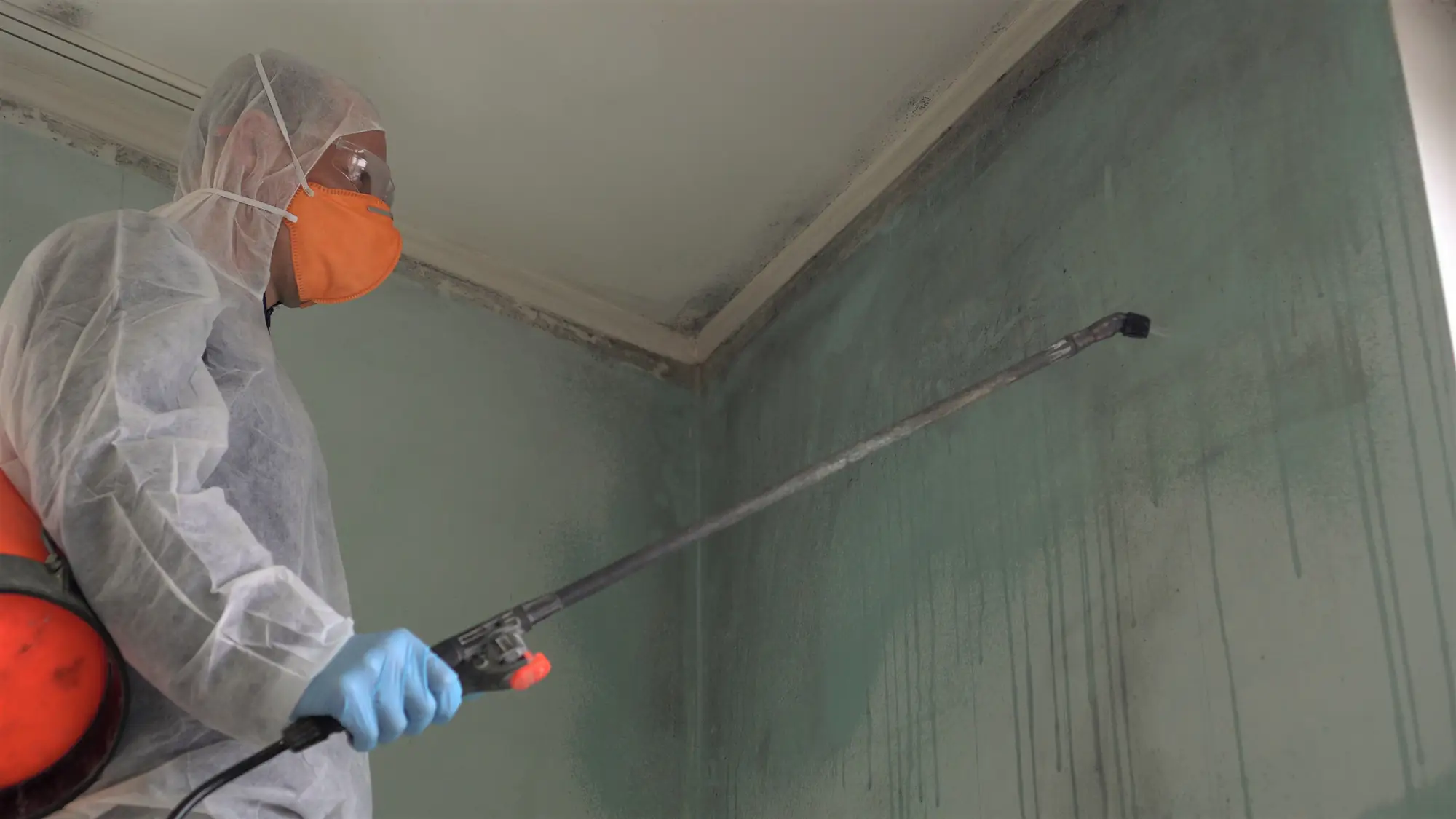
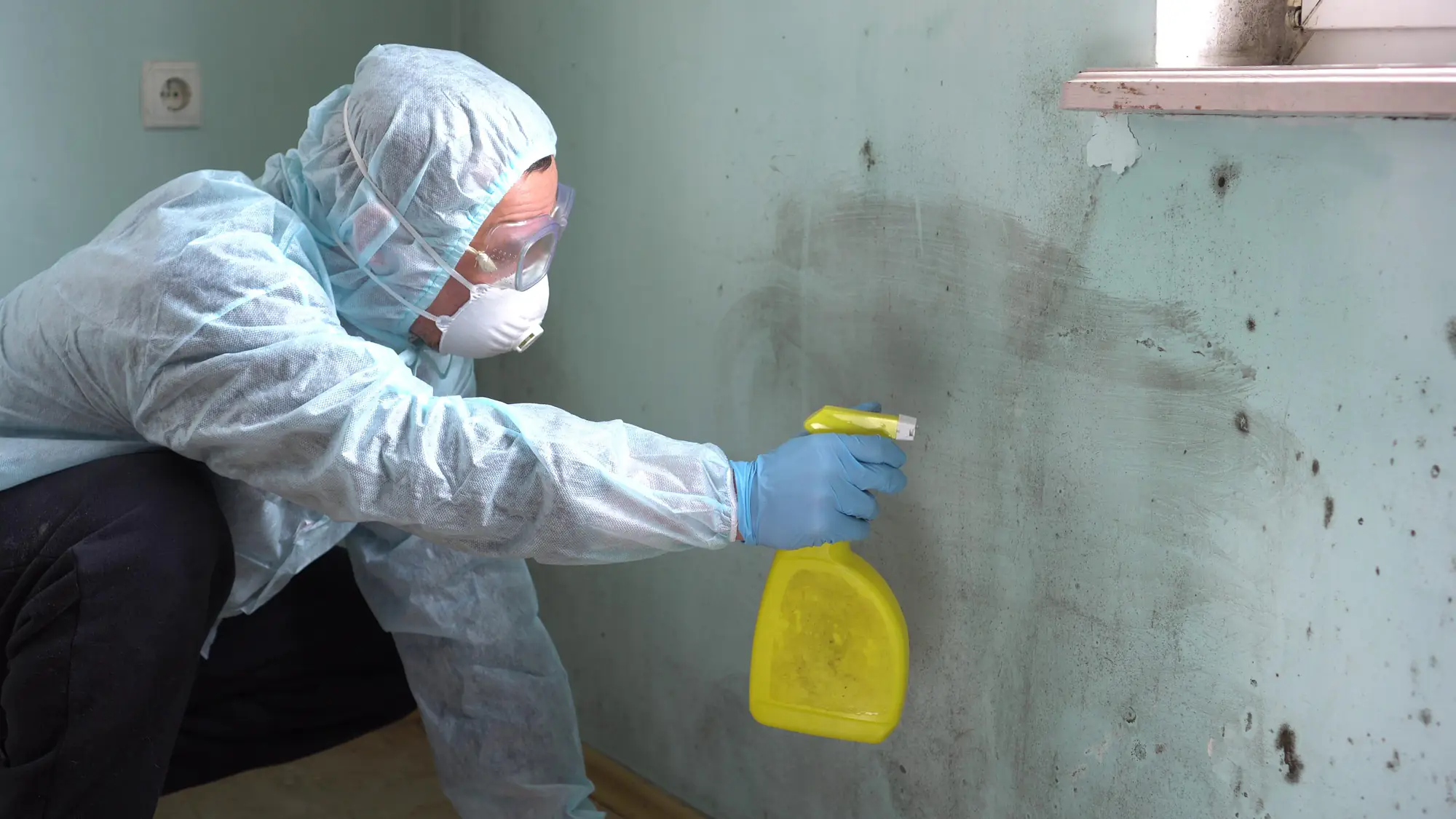
A mold inspection is when a professional walks through your home looking for visible mold, moisture problems, and conditions that let mold grow. We’re checking walls, ceilings, basements, attics—anywhere water might be sneaking in. We use tools like moisture meters and infrared cameras to find hidden dampness you can’t see. The goal is to answer: do you have mold, where is it, and what’s causing it?
Mold testing goes a step further. It involves collecting samples—either from the air or from surfaces—and sending them to a lab. The lab tells you what types of mold are present and how much. Testing gives you data: species names, spore counts, comparisons to outdoor air. It’s more scientific, but it’s not always necessary.
When Do You Need Mold Testing?
Here’s where it gets practical. If you can already see mold growing on your wall, you don’t need a lab to tell you it’s mold. You need someone to remove it and fix whatever’s letting it grow. The EPA has made this clear for years: visible mold means you have a problem that needs to be addressed, regardless of what species it is.
But there are situations where testing makes sense. If you smell something musty but can’t find the source, testing can confirm whether mold spores are in your air and help pinpoint hidden growth. If you’ve had water damage and you’re not sure whether mold developed behind the walls, testing can give you answers before you start tearing things apart. If someone in your household is experiencing unexplained respiratory issues, headaches, or allergy symptoms that get better when they leave the house, testing can help connect the dots.
Testing also becomes valuable when you need documentation. If you’re buying or selling a home in Bucks County, PA, and mold is suspected, a professional test provides the proof and detail that buyers, sellers, and insurance companies need. Same goes for landlord-tenant disputes or insurance claims. In those cases, testing isn’t just helpful—it’s often required.
One more thing: if you’ve already had mold remediation done, post-remediation testing (sometimes called clearance testing) confirms that the work was done right and the mold is actually gone. It’s not legally required in Pennsylvania, but it’s smart. You want to know the air in your home is safe before you move your family back in or close up those walls.
The key is this: testing answers specific questions. If you don’t have a specific question—like “is there mold I can’t see?” or “what type of mold is this?”—then you probably don’t need testing. You just need someone to find it and fix it.
Can’t I Just Use a DIY Mold Test Kit?
You’ve probably seen them at the hardware store. Fifteen or twenty bucks for a kit that promises to tell you if you have mold. It sounds convenient. It sounds affordable. And honestly, it sounds too good to be true—because it usually is.
Here’s the problem with DIY mold test kits: they’re not designed to give you the full picture. Most of them use what’s called a “settling plate,” which is basically a petri dish you leave out in a room for a few hours. Mold spores that happen to float by and land on it will grow. Then you send it to a lab or try to interpret it yourself. But here’s what that doesn’t tell you: how much mold is actually in your air, where it’s coming from, or whether the levels are normal or dangerous.
Every home has some mold spores in the air. They drift in from outside. They’re on your shoes, your pets, your groceries. A DIY kit will almost always show that mold is present, because mold is present—everywhere. What it won’t tell you is whether you have a mold problem. And that’s the question that actually matters.
Professional testing is different. It uses calibrated equipment that pulls a specific volume of air through a collection device, measuring spore counts accurately. More importantly, we take an outdoor sample at the same time. That outdoor sample is your baseline. If your indoor spore count is similar to or lower than outdoor levels, you’re probably fine. If it’s significantly higher, or if you’re seeing species indoors that aren’t showing up outside, that’s a red flag. DIY kits don’t give you that comparison, so you’re left guessing.
There’s another issue: DIY kits don’t help you find the source. Let’s say your kit comes back positive for mold. Okay, now what? You still don’t know where it’s growing, what’s feeding it, or how to stop it. You might scrub down the bathroom, thinking that’ll solve it, only to find out six months later that the real problem was a slow leak behind your washing machine. A professional inspection finds the source and tells you how to fix it. A DIY kit just tells you mold exists, which you probably already suspected.
If you’re trying to save money, that’s understandable. But a cheap test that gives you incomplete or misleading information isn’t a bargain. It’s a waste of time. If you’re serious about knowing whether you have a mold problem, professional testing is the only way to get reliable answers.
How Much Does Professional Mold Testing Cost in Bucks County, PA?
Let’s talk numbers, because this is one of the biggest questions homeowners have. You want to know what you’re getting into before you reach out.
For a standard mold inspection in Bucks County, PA, you’re typically looking at somewhere between $300 and $400 for a small to medium-sized home. If your house is larger—over 4,000 square feet—that can go up to $700 to $900. That’s for the inspection itself: the visual assessment, moisture readings, and the inspector’s time walking through your property. We offer free inspections, which can be a good option if you’re not sure whether you even have a problem yet.
Testing adds to that cost. If the inspector recommends air sampling or surface sampling, each sample sent to a lab usually runs between $75 and $150. Most homes need at least two or three samples: one outdoor control sample and one or two indoor samples from problem areas. So if you’re doing a full inspection plus testing, you might be looking at $500 to $800 total, depending on how many samples are needed.
Is Mold Testing Worth the Cost?
That depends on your situation. If you can see mold, smell mold, or know you’ve had water damage, you probably don’t need testing—you need remediation. Spending $400 on testing when you already know there’s a problem is like paying for a mechanic to tell you your engine is broken when smoke is pouring out of the hood. You already know. Just fix it.
But if you’re dealing with hidden mold, unexplained health symptoms, or a situation where you need documentation, testing is absolutely worth it. It gives you the information you need to make smart decisions. It tells you whether the problem is serious or manageable. It helps you avoid tearing apart walls unnecessarily or, on the flip side, ignoring a problem that’s quietly getting worse.
Think about it this way: mold remediation can cost anywhere from $1,500 to $6,000 depending on the size and severity of the problem. If testing helps you catch mold early, before it spreads throughout your basement or into your HVAC system, you’re saving yourself thousands of dollars in remediation costs down the road. And if testing rules out mold and points you toward a different issue—like a ventilation problem or a pest issue—you’ve just saved yourself from paying for mold removal you didn’t need.
There’s also the health factor. Mold exposure can increase respiratory symptoms by 30 to 50 percent, even in healthy people. If someone in your family has asthma, allergies, or a weakened immune system, the risks go up. Kids and elderly family members are especially vulnerable. If testing lets you rest assured that your home’s air quality is safe, that’s worth something. If it confirms a problem and gets you moving toward a solution before anyone gets sicker, it’s worth a lot more than $400.
One more thing to consider: your home’s value. Mold problems can drop a home’s resale value by 20 to 37 percent, and buyers are wary of properties with a history of mold—even if it’s been fixed. If you’re selling your home in Bucks County, PA, having documentation that shows your home is mold-free (or that any past issues were professionally addressed) can make a real difference in negotiations. If you’re buying, having testing done before you close can save you from inheriting someone else’s problem.
What Happens During a Professional Mold Testing Appointment?
If you’ve never had mold testing done before, you might be wondering what to expect. The good news is it’s pretty straightforward, and most appointments take between one and three hours depending on the size of your home and how many areas need attention.
The inspector will start by asking you questions. We want to know what you’ve noticed—smells, stains, health symptoms—and whether you’ve had any water damage, leaks, or flooding. We’ll ask about your HVAC system, your basement, and any areas of the house that tend to feel damp. Your answers help us know where to focus our attention.
Then comes the visual inspection. We’ll walk through your home, checking common problem areas like basements, attics, bathrooms, and crawl spaces. We’re looking for visible mold, water stains, condensation, and anything else that suggests moisture is getting in where it shouldn’t. We’ll use tools like moisture meters to measure dampness levels in walls, floors, and ceilings. Some inspectors use infrared cameras to spot temperature differences that indicate hidden moisture or poor insulation.
If testing is part of the plan, we’ll collect samples. Air sampling is the most common method. We use a small pump to pull a specific volume of air through a collection cassette, trapping mold spores inside. We’ll do this in the rooms where you’ve noticed problems, and we’ll also take a sample outside for comparison. Surface sampling might happen too, especially if there’s visible growth we want to identify. We’ll use a piece of tape or a swab to collect a sample from the surface and send it to the lab.
Once the samples are collected, they’re sent to a certified lab for analysis. Most labs have a turnaround time of 24 to 72 hours, though some offer rush processing if you need results faster. When the results come back, we’ll walk you through what we found. We’ll explain what types of mold were detected, what the spore counts mean, and how your indoor levels compare to outdoor levels. If there’s a problem, we’ll recommend next steps—whether that’s remediation, moisture control, or further investigation.
The whole process is designed to give you clarity. You’re not just getting a list of numbers and species names. You’re getting an explanation of what’s happening in your home, why it’s happening, and what you can do about it. That’s the difference between professional testing and a DIY kit: you get context, not just data.
Making the Right Call on Mold Testing in Bucks County, PA
Here’s what it comes down to: mold testing isn’t something every homeowner needs, but when you do need it, it’s worth getting it done right. If you can see mold or know you’ve had water damage, skip the testing and move straight to fixing the problem. But if you’re dealing with hidden mold, unexplained symptoms, or a situation where you need documentation, professional testing gives you the answers you need to move forward with confidence.
Bucks County’s humid summers and fluctuating temperatures create conditions where mold can thrive, especially in basements, attics, and areas with poor ventilation. If you’ve noticed a musty smell, seen suspicious stains, or just want assurance that your home’s air quality is safe, reaching out to us is the smartest first step. We offer free inspections and work with homeowners throughout Bucks County, PA to identify mold problems, explain what’s happening, and recommend solutions that actually work—not just quick fixes that let the problem come back.
You don’t need a sales pitch. You need straight answers and a plan that makes sense for your home and your budget. That’s what professional mold testing should give you.