You’re doing everything right—cleaning regularly, fixing leaks when you spot them, keeping your home maintained. But when you finally get your air quality tested, the results show elevated mold spores or humidity levels that surprise you. It’s frustrating, especially when you can’t pinpoint where you went wrong.
Here’s the thing: air quality isn’t just about what you fix when problems appear. It’s about the daily habits that either prevent issues or quietly make them worse. In Bucks County’s humid climate, small oversights compound quickly. The good news? Three simple adjustments to your routine can shift your test results from concerning to reassuring, without requiring a complete home overhaul.
Why Your Air Quality Testing Results Matter More Than You Think
Indoor air quality testing isn’t just a box to check during a home inspection. It’s a snapshot of what your family breathes every single day. The EPA estimates that indoor air can be two to five times more polluted than outdoor air, which means the air inside your Bucks County home could be harboring more allergens, mold spores, and irritants than the air outside.
Testing reveals the invisible threats. Mold spores too small to see. Humidity levels that feel fine but create perfect breeding grounds for growth. Volatile organic compounds from everyday products. When you understand what’s actually in your air, you can address problems before they affect your family’s respiratory health or trigger allergies.
The results also tell you whether your current habits are working. If humidity levels consistently hover above 60 percent, your dehumidifier isn’t keeping up. If mold spores spike in certain seasons, your ventilation strategy needs adjustment. Testing transforms guesswork into data you can act on.
How Bucks County’s Climate Affects Your Indoor Air Quality
Bucks County’s warm, humid summers and damp winters create a perfect storm for indoor air quality issues. The climate here doesn’t just encourage mold growth—it practically invites it into your home. Basements stay cool and damp. Attics trap heat and moisture. Bathrooms never fully dry out between showers.
Pennsylvania’s humid continental climate means wide temperature swings throughout the year. Spring brings heavy rain that seeps into foundations. Summer humidity pushes indoor levels above 75 percent without proper control. Fall condensation forms on cool surfaces as temperatures drop. Winter moisture from cooking and showering has nowhere to escape when windows stay closed.
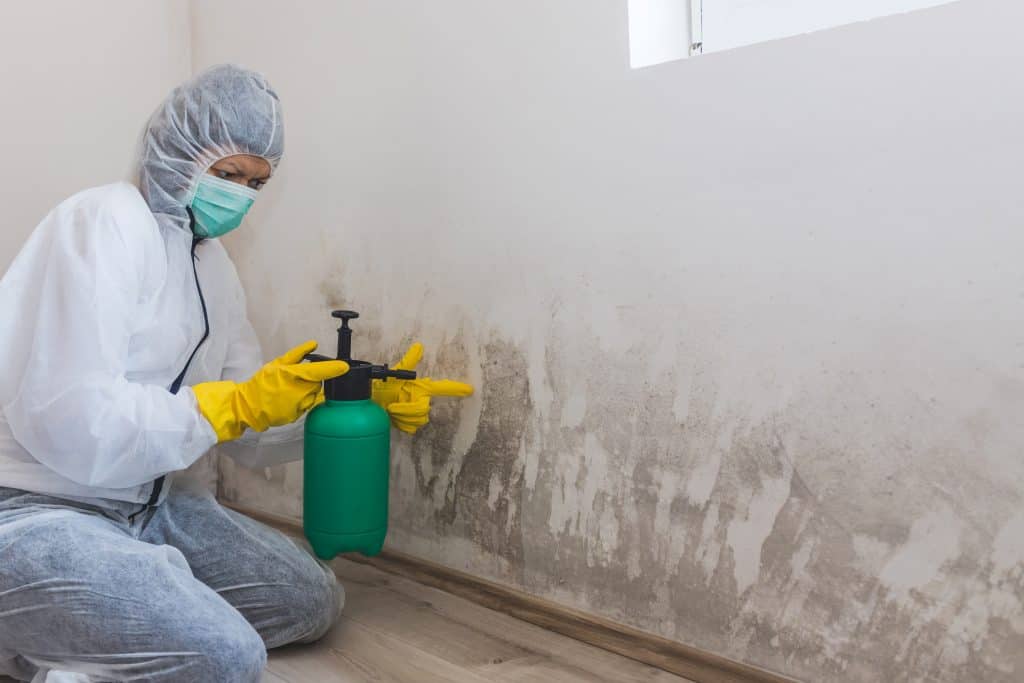
These aren’t conditions you can ignore and hope for the best. Mold can start growing within 24 to 48 hours after moisture exposure in our area’s humid conditions. That means a small leak you planned to fix “next weekend” has already created an environment where spores begin multiplying. A bathroom fan you forget to run after showers adds moisture that settles into walls and grout.
Older homes in Bucks County face additional challenges. Many lack modern moisture barriers and ventilation systems that newer construction includes as standard. Foundation walls develop small leaks over time. Crawl spaces lack proper sealing. Attic ventilation falls short of current standards. These structural realities mean your daily habits matter even more, because you’re working against both climate and construction limitations.
The local environment also affects what shows up in air quality testing. Outdoor mold spore counts rise during spring and summer, finding their way inside through open windows and doors. Pollen seasons trigger allergies that indoor air quality can either worsen or help alleviate. Understanding these patterns helps you time your prevention efforts for maximum impact.
What Air Quality Testing Measures in Your Home
Professional air quality testing goes far beyond a visual inspection. We collect air samples from different parts of your home, check humidity levels and temperature balance, and measure allergens, mold spores, and carbon monoxide that you can’t detect on your own.
The testing process typically includes several components. Visual inspections identify obvious moisture problems and visible mold growth. Moisture meters detect dampness hidden behind walls or under floors. Thermal imaging reveals temperature differences that indicate water intrusion or poor insulation. Air sampling captures what’s actually floating in the air you breathe.
Lab analysis of those samples breaks down exactly what’s present. You’ll see counts for different mold species, not just a generic “mold detected” result. Some molds are more concerning than others. Stachybotrys, commonly called black mold, produces mycotoxins that can cause serious health effects. Aspergillus and Penicillium species trigger allergies and respiratory issues. The testing tells you which species are present and at what concentrations.
Humidity readings show whether your home stays within the ideal range of 30 to 50 percent. Levels above 60 percent encourage mold growth and dust mites. Levels below 30 percent cause dry skin, throat irritation, and respiratory discomfort. The testing pinpoints problem areas where humidity consistently runs too high or too low.
VOC testing identifies volatile organic compounds from cleaning products, paints, furniture, and building materials. These chemicals off-gas into your air and can cause headaches, dizziness, and long-term health effects. Testing shows whether VOC levels exceed safe exposure limits.
Carbon monoxide detection ensures fuel-burning appliances aren’t leaking this odorless, poisonous gas into your home. Radon testing checks for this naturally occurring radioactive gas that seeps through foundations and causes lung cancer. Both are invisible threats that only testing can reveal.
The results give you a complete picture of your indoor environment. You learn not just whether you have a problem, but where it’s coming from, how severe it is, and what needs to change to improve it.
Three Daily Habits That Transform Your Air Quality Testing Results
Improving your air quality doesn’t require expensive renovations or complicated systems. Three straightforward daily habits address the root causes of poor indoor air, especially in humid climates like Bucks County. These practices work because they prevent moisture buildup, improve air circulation, and reduce the pollutants that accumulate in closed spaces.
The habits are simple enough to become automatic, but their impact shows up clearly in your next air quality test. Lower humidity readings. Reduced mold spore counts. Fewer allergens and irritants. When you consistently apply these three practices, you’re not just treating symptoms—you’re eliminating the conditions that allow air quality problems to develop in the first place.
Habit 1: Control Indoor Humidity Levels Every Single Day
Humidity control is the single most important factor in preventing mold growth and improving air quality testing results. Keep indoor humidity between 30 and 50 percent to prevent mold from taking hold. This range stops spores from germinating while keeping air comfortable enough that you don’t deal with dry skin or irritated sinuses.
Start by measuring your current humidity levels with an inexpensive hygrometer from any hardware store. Place it in problem areas like basements, bathrooms, and kitchens where moisture tends to accumulate. Check the readings daily until you understand your home’s patterns. You might find humidity spikes after showers, during cooking, or on particularly humid summer days.
Run dehumidifiers in damp spaces, especially basements where Bucks County’s groundwater and poor drainage create persistent moisture issues. Empty the collection bucket daily or set up continuous drainage so the unit runs efficiently. Clean the filter regularly to maintain airflow and prevent the dehumidifier itself from becoming a mold source.
Use exhaust fans every time you shower or cook. Don’t just flip them on—let them run for 45 minutes after you finish to fully remove moisture from the air. Bathroom fans pull out steam before it settles on walls, ceilings, and grout. Kitchen fans remove humidity from boiling water and cooking. Both prevent moisture from spreading to other rooms.
Fix leaks immediately, not when you get around to it. A dripping faucet adds moisture constantly. A slow pipe leak behind a wall creates hidden mold growth. Roof leaks during rain events saturate insulation and drywall. In Bucks County’s humid climate, you can’t afford to let water problems linger even for a few days.
Open windows strategically when outdoor humidity is lower than indoor levels. Early morning often provides the best opportunity for air exchange without bringing in excessive moisture. Avoid opening windows during humid summer afternoons when you’d just be pulling in the problem you’re trying to solve.
Monitor condensation on windows, walls, and pipes as an early warning sign. If you see water droplets forming, your indoor humidity is too high. Act quickly to dry wet surfaces and identify the moisture source. Condensation isn’t just annoying—it’s visible proof that conditions are right for mold growth.
Habit 2: Improve Ventilation Without Thinking About It
Proper ventilation dilutes indoor pollutants and carries them outside before they accumulate to problematic levels. The key is making ventilation automatic so you’re not relying on remembering to open windows or run fans. Install and use exhaust fans that vent to the outdoors in kitchens and bathrooms, and make sure clothes dryers exhaust outside, not into your home.
Check that your HVAC system brings in adequate outdoor air rather than just recirculating the same indoor air repeatedly. Many systems have settings that control the fresh air intake ratio. Increasing outdoor air exchange reduces the concentration of pollutants, allergens, and moisture that build up in sealed homes.
Don’t block air vents with furniture or rugs. Your HVAC system needs clear pathways to circulate air properly throughout your home. Blocked vents create dead zones where air stagnates and moisture accumulates. Walk through your home and make sure every vent has at least a few inches of clearance on all sides.
Keep interior doors open when possible to allow air circulation between rooms. Closed doors trap moisture and pollutants in individual spaces. Bedrooms, bathrooms, and closets benefit from air movement that prevents humidity from concentrating. If privacy requires closed doors, consider installing door sweeps that allow some air exchange at floor level.
Clean air returns regularly so your HVAC system can pull air efficiently. Dusty, blocked returns force the system to work harder while moving less air. Vacuum return vents monthly and replace filters on schedule. Better airflow means better distribution of conditioned, filtered air throughout your home.
Use ceiling fans to keep air moving even when heating or cooling isn’t running. Stagnant air allows moisture to settle and pollutants to concentrate. Fans create circulation that helps maintain consistent humidity levels and temperature throughout each room. In summer, run fans counterclockwise to create a cooling breeze. In winter, reverse them to circulate warm air that rises to the ceiling.
Ventilate during and after activities that generate pollutants or moisture. Painting, cleaning with strong chemicals, using nail polish, or running a gas stove all release compounds into your air. Open windows and run fans to exhaust these pollutants outside rather than letting them linger and accumulate.
Habit 3: Maintain Your HVAC System Like Your Health Depends on It
Your HVAC system is your home’s respiratory system. When it’s clogged, dirty, or poorly maintained, everything else suffers. Change filters every one to three months depending on your household needs. Homes with pets, allergies, or heavy system use need more frequent changes. A clogged filter reduces airflow and can spread contaminants instead of removing them.
Use high-quality filters that capture smaller particles without restricting airflow too much. HEPA filters trap mold spores, pollen, and other allergens that standard filters miss. Balance filtration efficiency with your system’s airflow requirements. Too restrictive a filter makes your HVAC work harder and move less air.
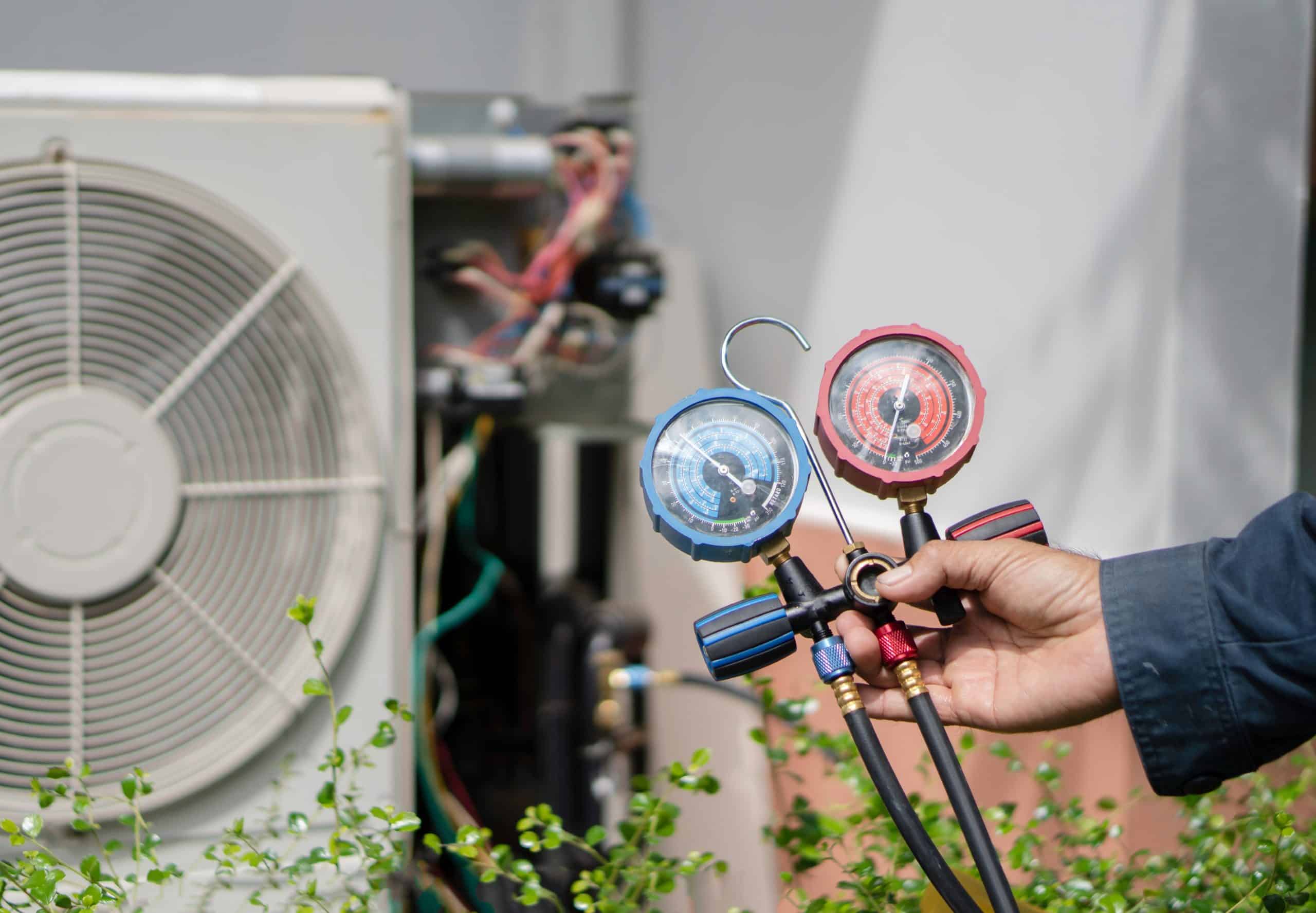
Schedule professional HVAC maintenance annually to catch problems before they affect your air quality. Technicians clean coils, check refrigerant levels, inspect ductwork for leaks, and ensure the system operates efficiently. They also identify mold growth in air handlers or ducts that you can’t see from the outside.
Clean or replace humidifier components according to manufacturer instructions. Dirty humidifiers become breeding grounds for mold and bacteria that then get distributed throughout your home. If you use a cool mist or ultrasonic humidifier, clean it thoroughly and refill with fresh water daily.
Inspect ductwork for visible mold, dust buildup, or musty odors. Professional duct cleaning removes accumulated debris and mold that circulates every time your system runs. This is especially important in older Bucks County homes where ducts may have decades of buildup.
These three habits—controlling humidity, improving ventilation, and maintaining your HVAC system—work together to create an environment where mold can’t thrive and pollutants can’t accumulate. They’re not complicated. They don’t require constant attention. But they make the difference between air quality testing results that concern you and results that confirm you’re doing everything right.
If you’re ready to understand exactly what’s in your air and get professional guidance on improving it, we provide comprehensive air quality testing and mold remediation services throughout Bucks County. Our team uses EPA-approved methods and advanced equipment to identify problems and implement solutions that work in our local climate.