
Hear from Our Customers
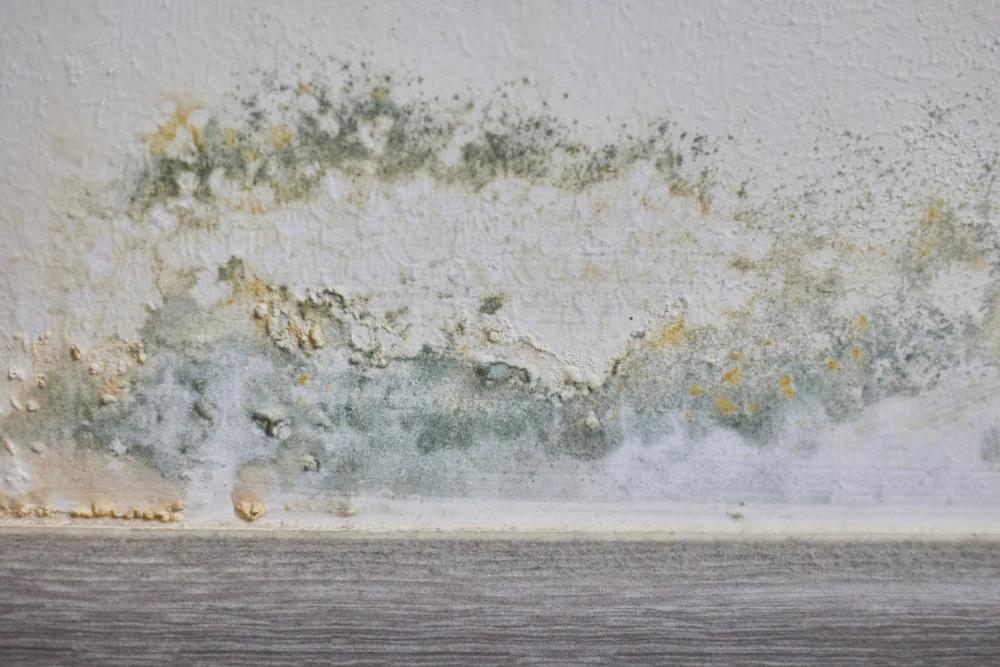
You’re not just dealing with visible mold on a bathroom wall. You’re smelling something musty in the basement. Your kids’ allergies are worse at home than anywhere else. You’re worried about what’s growing behind the drywall after that leak last winter.
Mold mitigation means actually solving the problem. Not spraying bleach and hoping it goes away. We’re talking about identifying the moisture source—whether it’s a hidden leak, poor ventilation, or humidity from your crawl space—and eliminating it. Then we remove the contamination properly, using containment barriers and HEPA filtration so spores don’t spread to clean areas. Finally, we verify the air quality is safe and restore any damaged materials.
When we’re done, you’re not wondering if it’ll come back in three months. You know the root cause has been addressed. Your home’s air quality improves. Your family stops dealing with unexplained respiratory issues. And if you ever decide to sell, you won’t face buyers backing out because of mold concerns—which happens in roughly half of all transactions where mold is discovered.
We serve Lower Makefield and the surrounding Bucks County area. We understand what you’re dealing with here—older homes with settling foundations, humid Pennsylvania summers, and the kind of moisture problems that come with being near the Delaware River.
We’re not a national franchise following a corporate checklist. We’re local, and we’ve seen what happens when mold gets ignored in homes like yours—homes worth over $600,000 where the stakes are high and the investment matters.
When you call us at 215-431-4744, you’re getting someone who knows the difference between surface mold you can wipe away and a contamination problem that requires professional mitigation. We offer free inspections because we’d rather you know what you’re dealing with upfront than guess and make it worse.
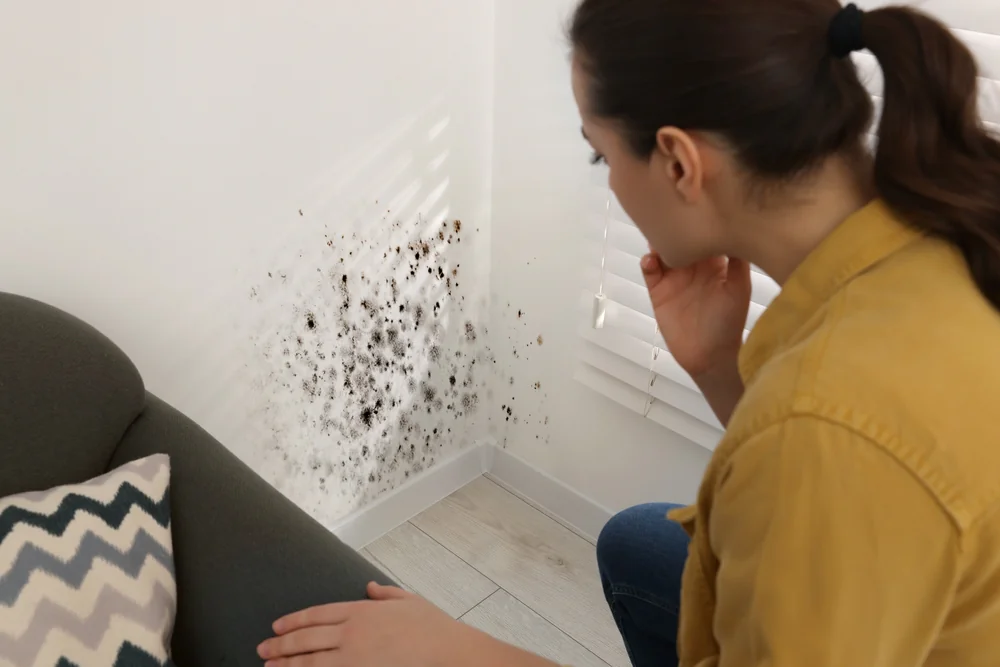
First, we inspect your property with moisture meters and infrared cameras. We’re looking for hidden water damage—inside walls, under flooring, in your HVAC system. Mold doesn’t just grow where you can see it.
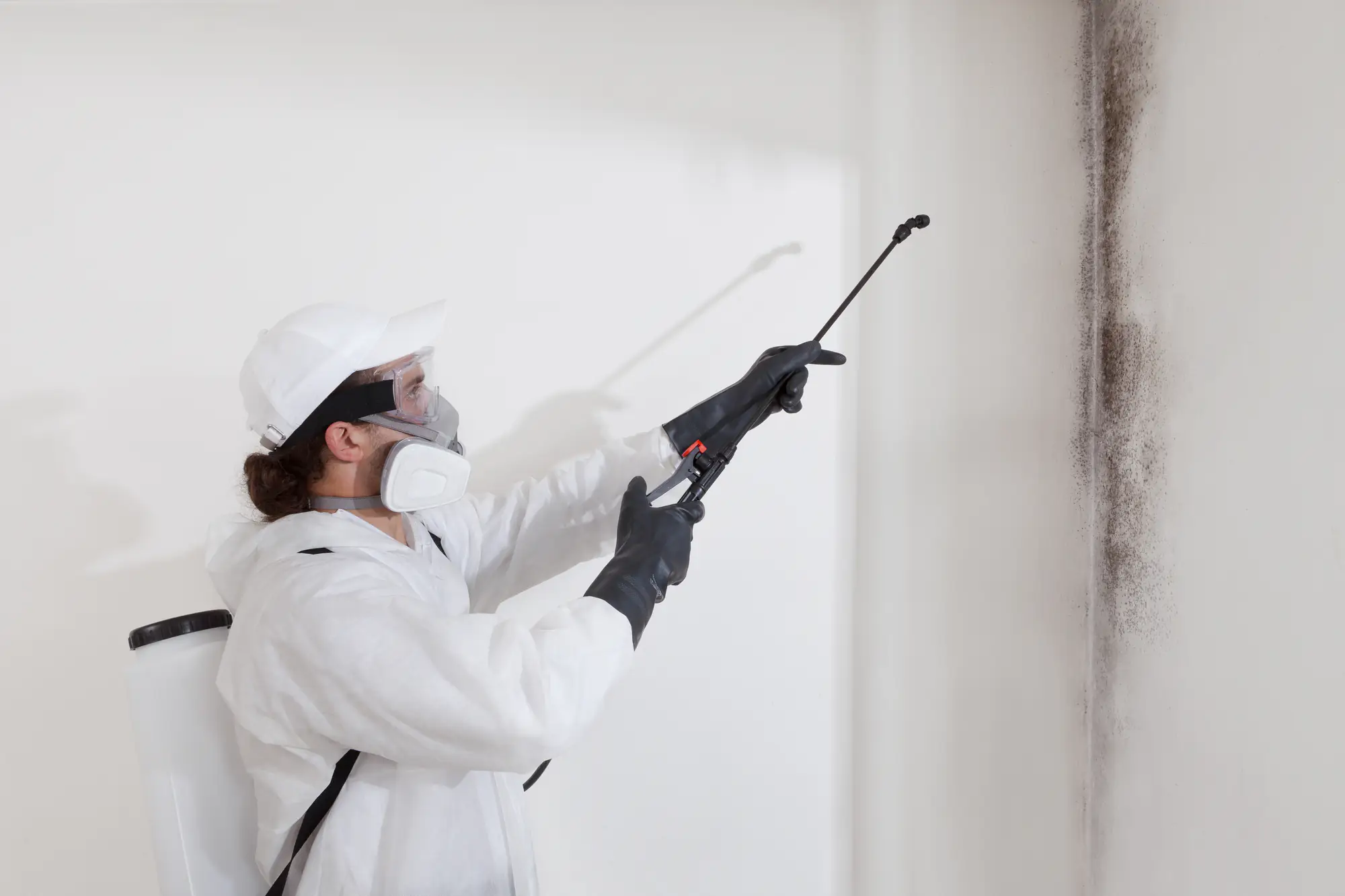
Once we’ve identified the extent of the problem and the moisture source, we contain the affected area. That means physical barriers, negative air pressure, and HEPA air scrubbers to keep spores from spreading to other parts of your home while we work.
Then we remove the contaminated materials—drywall, insulation, flooring, whatever’s been compromised. We don’t just clean the surface. If it’s porous and it’s moldy, it gets removed. We also address the moisture problem itself, whether that means fixing a leak, improving ventilation, or installing a dehumidifier.
After everything is removed and the area is dry, we clean and treat all remaining surfaces. We verify air quality with testing to make sure spore counts are back to normal levels. Then we restore the space—new drywall, paint, flooring—so it looks like the problem never happened.
Ready to get started?
Mitigating black mold or any mold problem means dealing with the whole situation, not just the symptoms. You get a thorough inspection that finds hidden moisture and mold you didn’t know existed. You get containment that prevents cross-contamination to clean areas of your home. You get proper removal of affected materials using safety protocols that protect both you and our crew.
We also fix what caused the mold in the first place. In Lower Makefield, that often means addressing basement moisture from groundwater, improving attic ventilation in older homes, or repairing leaks that have been slow-dripping behind walls for months. Pennsylvania’s humid climate means your home is constantly exposed to moisture, especially during summer. If we don’t address the source, you’ll be calling someone again in six months.
You also get documentation for insurance claims if needed, air quality verification after the work is complete, and restoration services so you don’t have to hire another contractor to put your home back together. The goal is to mitigate mold damage completely—not leave you with half a solution and a list of other people to call.
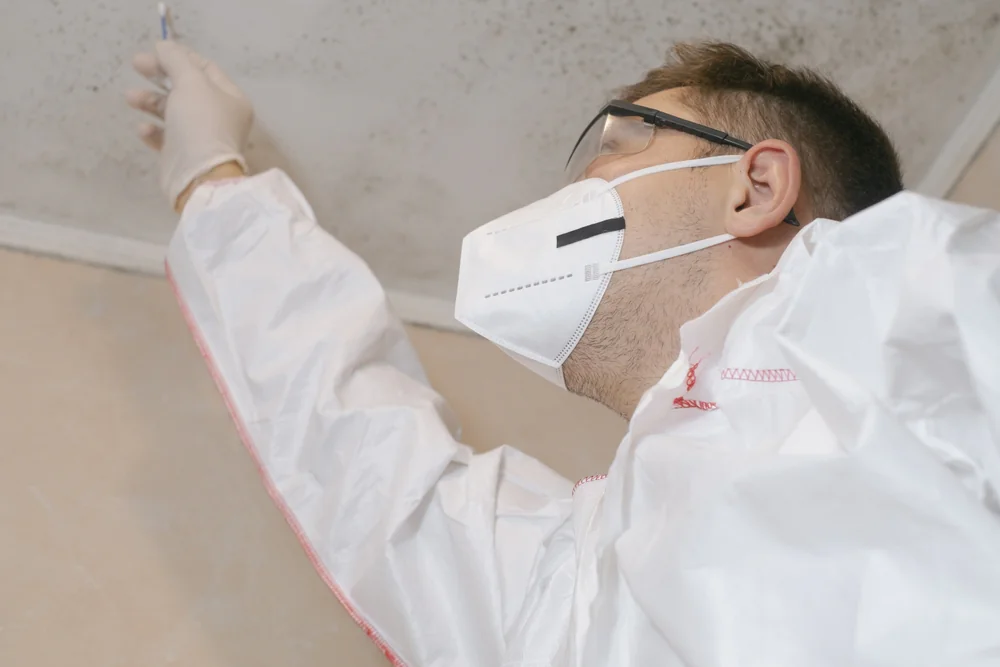
If you’re seeing mold on a small, non-porous surface like tile or glass, and there’s no underlying moisture problem, cleaning might be enough. But if you’re smelling mold without seeing it, if it keeps coming back after you clean it, or if you’ve had any water damage—even months ago—you likely need mitigation.
Mold mitigation means addressing the source of moisture, removing contaminated materials, and preventing future growth. Cleaning just deals with what’s visible on the surface. If the mold is growing on drywall, insulation, wood, or inside your HVAC system, cleaning won’t fix it. Those materials are porous, and once mold gets in, it doesn’t come out with a spray bottle.
The other factor is size. If the affected area is larger than about 10 square feet, or if you’re dealing with black mold, the EPA recommends professional remediation. You’re not just wiping down a shower—you’re dealing with a contamination problem that can spread spores throughout your home if handled incorrectly.
It depends on what caused the mold. If it resulted from a sudden, accidental event—like a burst pipe or storm damage—most homeowners insurance policies will cover mitigation. If it’s from long-term neglect, a slow leak you didn’t fix, or general humidity, probably not.
The key is documentation. Insurance companies want to see that the mold resulted from a covered peril and that you took reasonable steps to address it quickly. That’s why calling a professional mold mitigation company as soon as you discover a problem matters. We can help document the damage, identify the cause, and provide the paperwork your insurance adjuster needs.
Some policies have mold coverage caps—often around $10,000—so even if it’s covered, you might hit a limit if the damage is extensive. Read your policy or call your agent before assuming anything. And if you’re filing a claim, don’t start removing materials yourself. Let the adjuster see the damage first, or you could jeopardize your coverage.
For a typical residential job—say, a basement with mold from a water heater leak or a bathroom with hidden mold behind the walls—you’re looking at three to seven days. That includes inspection, containment, removal, drying, cleaning, air quality testing, and restoration.
Larger jobs take longer. If mold has spread through your HVAC system or affected multiple rooms, it could take two weeks or more. The drying process alone can take several days, depending on how much moisture is present and what materials are involved. You can’t rush it—if materials aren’t completely dry before we close everything up, mold will just come back.
The timeline also depends on what needs to be restored afterward. If we’re just removing some drywall and insulation, that’s quicker than if we’re also replacing flooring, cabinets, or structural framing. We’ll give you a realistic timeline after the inspection so you know what to expect. Most people are surprised it doesn’t take longer, especially compared to living with the problem for months.
Mold removal sounds like you’re getting rid of every single spore, but that’s not realistic. Mold spores are everywhere—in the air, on surfaces, floating in from outside. You can’t remove them all, and you don’t need to. What you need is to bring the levels back to normal and eliminate active growth.
Mold mitigation is the more accurate term. It means reducing mold to safe levels, removing contaminated materials, fixing the moisture problem, and preventing future growth. You’re mitigating the risk and the damage, not trying to achieve some impossible sterile environment.
Some companies use “mold removal” because it sounds more definitive, but it sets unrealistic expectations. We’d rather be straight with you: we’re going to get your home back to safe, normal conditions where mold isn’t actively growing and your air quality is healthy. That’s mitigation, and that’s what actually matters for your health and your property.
It depends on the extent of the contamination and where it’s located. If we’re working in your basement or a contained area and you don’t have respiratory issues, you can usually stay. We use containment barriers and negative air pressure to keep spores from spreading to the rest of your house.
But if the mold is extensive, if it’s in your HVAC system, or if anyone in your home has asthma, allergies, or a compromised immune system, it’s safer to stay elsewhere during active remediation. Disturbing mold releases spores into the air, and even with containment, some exposure is possible.
We’ll be honest with you after the inspection about whether staying is a good idea. For most jobs, you’re talking about a few days of work, and many families choose to stay with relatives or get a hotel just to avoid the noise and disruption. If you have young children or elderly family members at home, that’s usually the smarter call.
Moisture. That’s it. Mold needs water, organic material to feed on, and the right temperature. Your home has plenty of organic material—wood, drywall, insulation, carpet. The temperature is almost always in the range where mold thrives. So the only variable you can control is moisture.
In Lower Makefield and Bucks County, common moisture sources include basement seepage from groundwater, especially in older homes with stone foundations. Humidity during Pennsylvania summers, particularly in homes without central air or good ventilation. Roof leaks, plumbing leaks, condensation around windows, and poorly vented bathrooms or attics.
A lot of homes here were built before modern moisture management techniques, so you’re dealing with settling foundations, outdated waterproofing, and ventilation systems that weren’t designed for today’s tighter, more energy-efficient homes. If your house was built before 1980, you’re at higher risk simply because of how it was constructed. The good news is that once we identify and fix the moisture source, mold stops being a recurring problem.
Other Services we provide in Lower Makefield