

Hear from Our Customers
You’re not looking for someone to tell you what you want to hear. You need data.
Maybe you’ve noticed a musty smell that won’t go away. Maybe your throat gets scratchy when you’re home but clears up when you leave. Maybe you’re buying a rowhouse in South Philadelphia and want to know what’s behind those walls before you sign. Whatever brought you here, you’re dealing with uncertainty, and that’s what mold testing solves.
Professional mold testing gives you lab-confirmed answers about what species are present, how much is there, and whether it’s producing mycotoxins that can affect your health. You get a full report within 3-5 business days that identifies concentration levels and specific risks. No guessing. No maybes. Just data you can use to make decisions about remediation, insurance claims, or whether to walk away from a real estate deal.
When you know what you’re dealing with, you stop wondering and start fixing the actual problem.
We’ve completed over 2,000 mold inspections across the Philadelphia region. We’re InterNACHI certified mold inspectors with more than two decades of construction experience, which means we understand how buildings work and where problems hide.
We’re not a franchise following scripts written for other states. We’re local to South Philadelphia, and we know what happens to rowhouses with shared walls, basements near the Delaware River, and the humidity that hits every summer. We’ve seen it all, and we know how to find what others miss.
All our samples go to an independent certified lab for analysis. We keep testing separate from remediation so you get unbiased results without the pressure to buy additional services. You’re paying for accuracy, not a sales pitch.
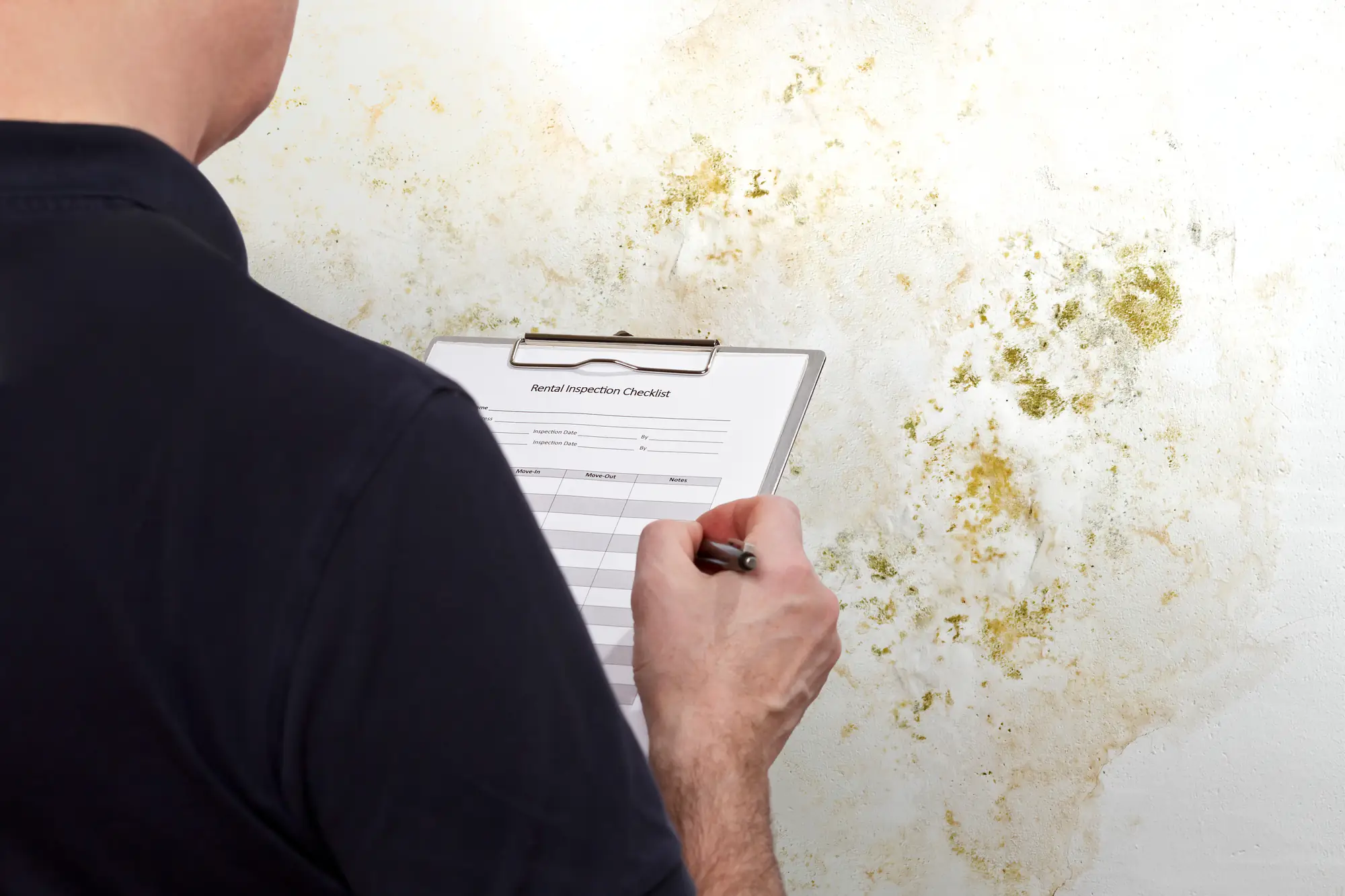
First, we do a visual assessment of your entire home. We’re looking for water stains, discoloration, visible growth, and any signs of moisture intrusion. This includes basements, crawl spaces, attics, bathrooms, and anywhere else water or humidity could be a problem.
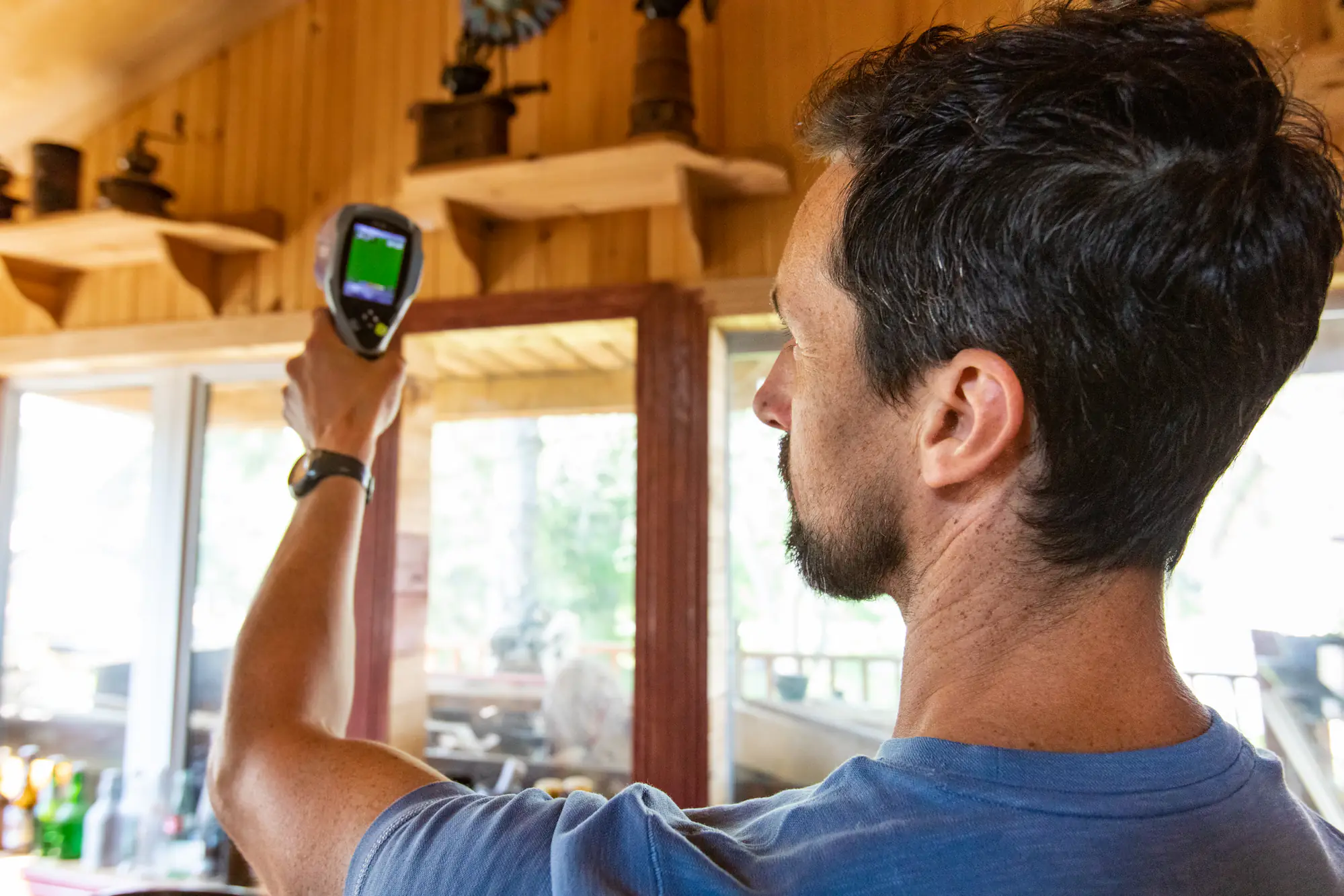
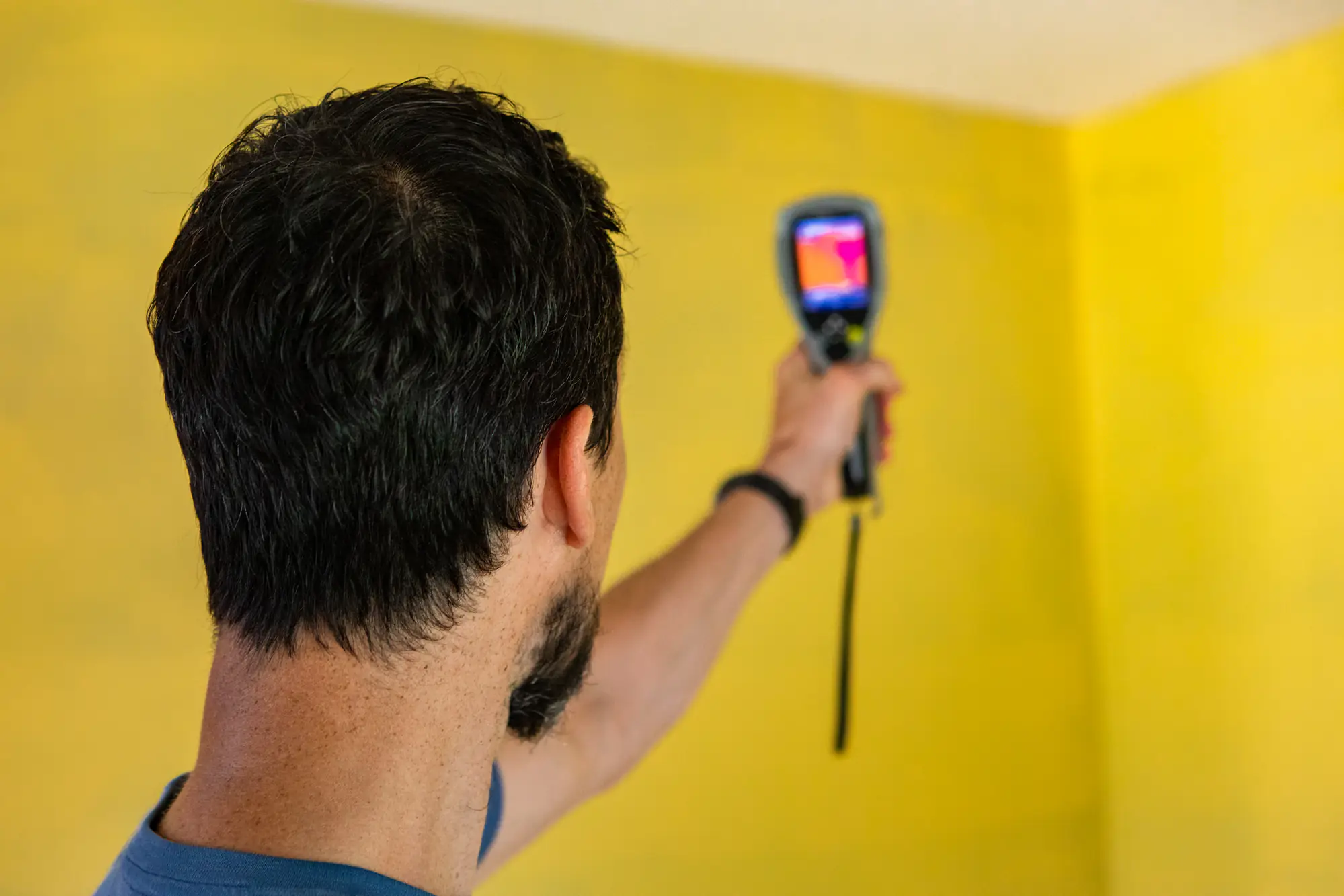
Next, we take moisture readings throughout your home using professional meters. High moisture levels tell us where mold is likely growing, even if you can’t see it yet. We also use thermal imaging cameras to detect temperature differences that indicate hidden moisture problems behind walls or under floors.
Then we collect air samples from multiple rooms and send them to an independent certified lab. The lab identifies specific mold species, measures concentration levels, and determines if any species produce dangerous mycotoxins. We also take surface samples if we find visible growth that needs identification.
You get a full written report within 3-5 business days. The report breaks down exactly what species are present, where the highest concentrations are, what health risks they pose, and what moisture sources are feeding the problem. From there, you have everything you need to move forward with remediation, file an insurance claim, or negotiate a real estate transaction.
Ready to get started?
Every residential mold testing appointment includes a complete visual inspection, moisture readings in every room, professional air sampling, thermal imaging to detect hidden moisture, and full lab analysis from an independent certified lab.
The lab report identifies common South Philadelphia mold species like Aspergillus, Penicillium, and Cladosporium. It also tells you if any species produce mycotoxins, which are the compounds that cause the most serious health problems. You get concentration levels for each species so you know how severe the contamination is.
Most residential inspections in South Philadelphia run between $400 and $500 for a typical rowhouse. That includes everything: the inspection, lab analysis, and a detailed written report you can use for insurance claims or real estate transactions. Larger homes or properties with multiple suspected problem areas may cost more, but we’ll give you a clear price before we start.
We respond the same day for urgent situations. If you’ve had a water event like a burst pipe or flooding, waiting even 48 hours gives mold time to start growing. The faster you test, the faster you know what you’re dealing with and can stop it from spreading.
If you can see mold growing on surfaces, you don’t necessarily need testing to know you have a problem. You already know it’s there. In that case, remediation might be the next step.
But if you’re experiencing symptoms like headaches, sore throat, or itchy eyes that get better when you leave the house, testing tells you whether mold is the cause. If you smell something musty but can’t find the source, testing pinpoints where it’s hiding and how bad it is. If you’re buying or selling a home, testing gives you documentation that protects you legally and financially.
Testing is also critical for insurance claims. Insurance companies don’t pay based on photos or assumptions. They want lab reports showing what species are present and at what concentration levels. Without that documentation, you’re unlikely to get coverage for remediation costs.
The biggest reason to test before remediating is to avoid paying for work you don’t need. If the problem is minor and localized, you might be able to handle it yourself. If it’s severe or involves toxic species, you need professional remediation. Testing gives you the data to make that call.
Air sampling measures mold spores floating in the air you’re breathing. We collect air from multiple rooms and send it to the lab for analysis. This tells you what species are present throughout your home and whether spore counts are elevated compared to normal outdoor levels.
Air sampling is the best way to detect hidden mold growth. Even if you can’t see mold anywhere, elevated spore counts in the air mean it’s growing somewhere in your home. The lab report shows concentration levels for each species, which helps identify which rooms have the worst contamination.
Surface sampling involves taking a swab or tape lift from visible growth or suspicious areas. This confirms what species are growing on that specific surface. It’s useful when you see discoloration or growth and want to know if it’s actually mold and, if so, what kind.
Most inspections include both air and surface sampling. Air sampling gives you the big picture of what’s in your home. Surface sampling gives you specific identification of visible growth. Together, they give you complete information about what you’re dealing with and where it’s coming from.
You’ll get your full lab report within 3-5 business days after we collect samples. The lab needs time to culture the samples and identify specific species under a microscope. They’re also measuring concentration levels and checking for mycotoxin production, which takes additional analysis.
The report breaks down everything in plain language. You’ll see exactly what mold species are present in each room, how high the spore counts are, and whether any species produce dangerous mycotoxins. It also compares your indoor levels to outdoor baseline levels so you can see how elevated your counts are.
If you’re in an emergency situation where you need faster results, let us know. We can sometimes expedite lab processing for an additional fee, though standard turnaround is usually fast enough for most situations.
Once you have the report, we’ll walk you through what it means and what your options are. If remediation is needed, we can refer you to qualified professionals. If the problem is minor, we’ll tell you that too. The goal is to give you accurate information so you can make the right decision for your situation.
Yes. Finding mold is only half the job. If you don’t fix the moisture source, the mold will just come back after remediation.
During the inspection, we take moisture readings throughout your home using professional meters. We check walls, floors, ceilings, and any areas where water intrusion is likely. We also use thermal imaging cameras to detect temperature differences that indicate hidden moisture behind walls or under flooring.
In South Philadelphia rowhouses, common moisture sources include basement seepage from poor foundation drainage, shared wall condensation, roof leaks, plumbing leaks, and inadequate ventilation in bathrooms and kitchens. Summer humidity regularly exceeds 60% here, and older homes without modern ventilation systems trap that moisture inside.
The inspection report identifies where moisture levels are elevated and what’s likely causing it. Sometimes it’s obvious, like a leaking pipe or water stains from a roof leak. Other times it’s more subtle, like condensation forming inside walls due to temperature differences between your home and a neighbor’s.
Knowing the moisture source is critical because that’s what you need to fix first. Remediating mold without fixing the moisture problem is like bailing water out of a boat without plugging the hole. Our construction background means we understand how buildings work, so we can usually pinpoint exactly where the water is coming from and what needs to be done to stop it.
If you’re buying an older rowhouse in South Philadelphia, mold testing is one of the smartest investments you can make before closing. Many of these homes were built before modern moisture control standards, and shared walls, damp basements, and poor ventilation create perfect conditions for mold growth.
A standard home inspection doesn’t include mold testing. The inspector might note water stains or visible growth, but they won’t tell you what species are present, how severe the contamination is, or whether it’s producing mycotoxins. That requires lab analysis.
Mold testing gives you leverage during negotiations. If the lab report shows elevated levels of toxic species like Stachybotrys (black mold) or high concentrations of Aspergillus or Penicillium, you can ask the seller to handle remediation before closing or reduce the purchase price to cover the cost.
It also protects you from expensive surprises after you move in. Hidden mold behind walls or under flooring can cost thousands to remediate. Finding it before you buy means you know exactly what you’re getting into and can make an informed decision about whether to proceed with the purchase.
Testing typically costs between $400 and $500 for a rowhouse, which is a small price compared to the cost of remediating a serious mold problem after you’ve already bought the property.
The most common species we find in South Philadelphia homes are Aspergillus, Penicillium, and Cladosporium. All three thrive in the damp, humid conditions that are typical here, especially during summer months when humidity regularly exceeds 60%.
Aspergillus is extremely common in homes with water damage or high humidity. Some species produce mycotoxins that can cause respiratory problems, allergic reactions, and infections in people with weakened immune systems. It often grows on water-damaged drywall, insulation, and wood.
Penicillium is another frequent find, especially in basements and areas with poor ventilation. It grows on water-damaged materials like carpet, wallpaper, and insulation. Some species produce mycotoxins, and it’s a common trigger for allergies and asthma.
Cladosporium is usually less concerning than Aspergillus or Penicillium, but it can still cause allergic reactions and respiratory issues. It grows on both porous and non-porous surfaces and is often found on window sills, bathroom tiles, and damp fabrics.
Stachybotrys, commonly called black mold, is less common but more dangerous. It produces potent mycotoxins and typically grows on materials with high cellulose content like drywall and wood after significant water damage. If the lab report identifies Stachybotrys, professional remediation is essential.
The lab report tells you exactly which species are present in your home, at what concentration levels, and whether they produce mycotoxins. That information determines how urgently you need to address the problem and what level of remediation is required.
Other Services we provide in South Philadelphia