
Hear from Our Customers
Most mold jobs fail because they treat what’s visible and leave the rest. In South Philadelphia, that’s a problem — because most of the mold isn’t visible. It’s sitting behind a plaster wall in a Passyunk Square rowhouse, feeding off a slow leak from a flat roof that hasn’t drained properly since last October. Or it’s traveling through a shared party wall from your neighbor’s basement flood into yours. Surface-level cleanup doesn’t touch any of that.
When the actual moisture source gets addressed — not just the mold growth on top of it — the results hold. You’re not calling someone back in six months. You’re not finding dark spots reappearing in the corner of your basement ceiling after a heavy rain. The air in your home feels different. If you’ve got kids, elderly family members, or anyone dealing with asthma or respiratory issues, that difference is real and immediate.
South Philadelphia’s housing stock is old, dense, and built in ways that trap moisture in places most inspectors never look. The combination of brick foundations, plaster walls, aging plumbing, and the city’s combined sewer system backing up into basements during storms creates conditions that demand more than a bleach spray and a callback number. You deserve a complete picture of what’s in your home — and a real answer for it.
We’ve been working in South Philadelphia since 1997. That’s not a marketing number — it means our team has been inside trinity homes in Queen Village, flat-roof rowhouses in Pennsport, and flooded basements in Point Breeze long enough to understand exactly what drives mold in this neighborhood. Not Philadelphia in general. This specific section of the city, with its specific housing stock and its specific problems.
Every job starts with a free property assessment and a clear price before any work begins. No discovering “additional mold” once the walls are open that somehow doubles your bill. You get the full picture upfront — what’s there, where it came from, and what it costs to fix it right. That’s how we’ve built our reputation here, and it’s the only way we operate.
The work is backed by a 5-year mold-free warranty. No other mold removal company serving South Philadelphia offers that in writing.

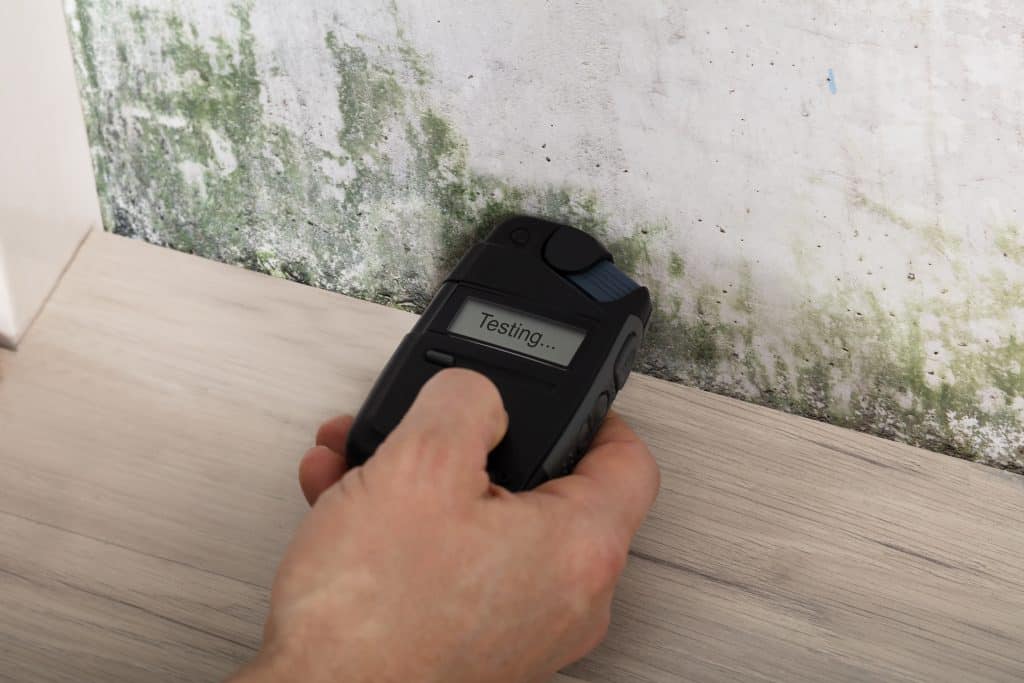
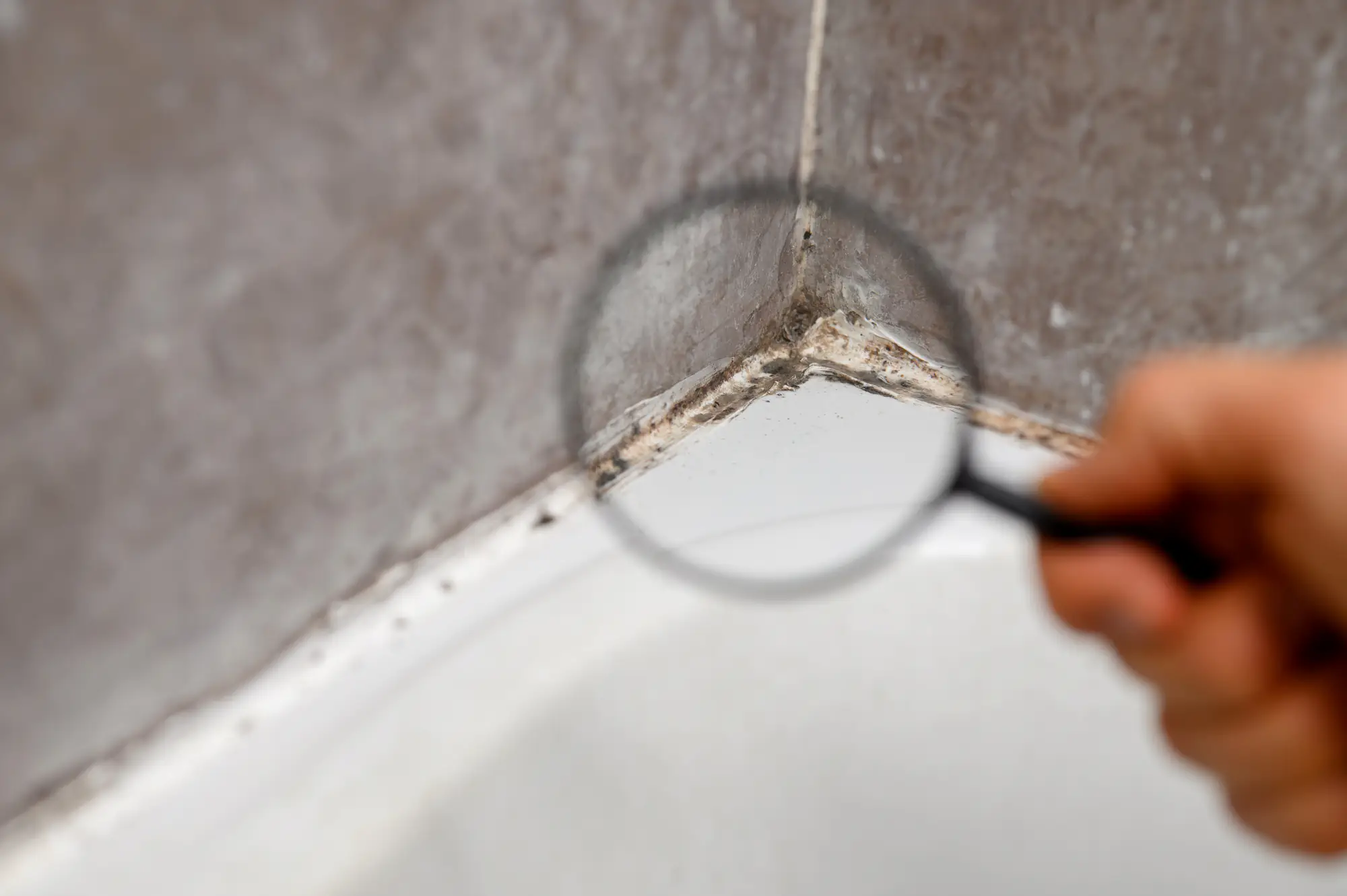
It starts with the free assessment. A certified technician comes to your home, walks the property, and uses moisture meters and infrared thermal imaging cameras to find mold in the places it actually lives — behind walls, under floors, inside structural cavities, and along the party walls you share with neighbors on both sides. In South Philadelphia rowhouses, that step isn’t optional. It’s the difference between fixing the problem and just cleaning up the surface.
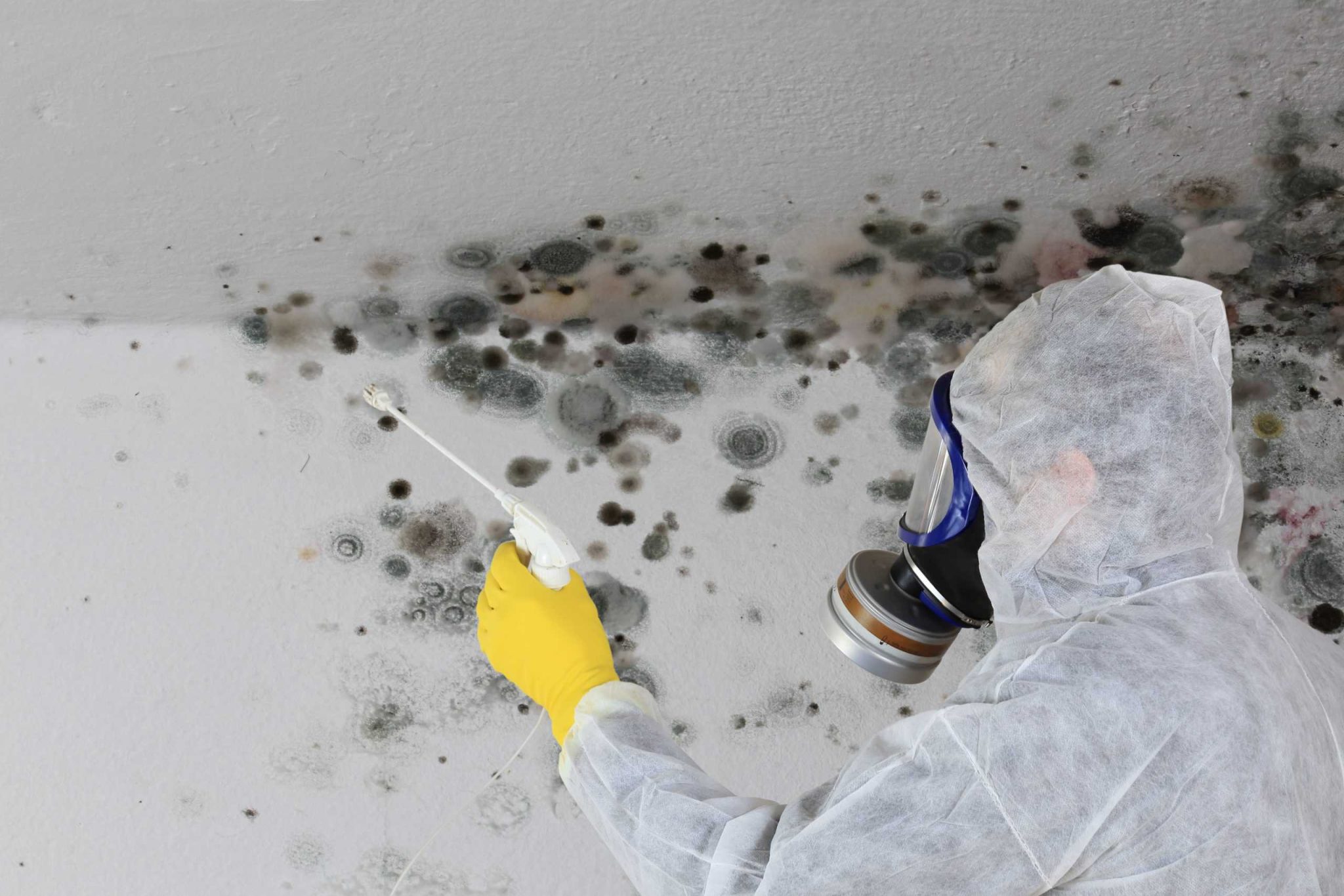
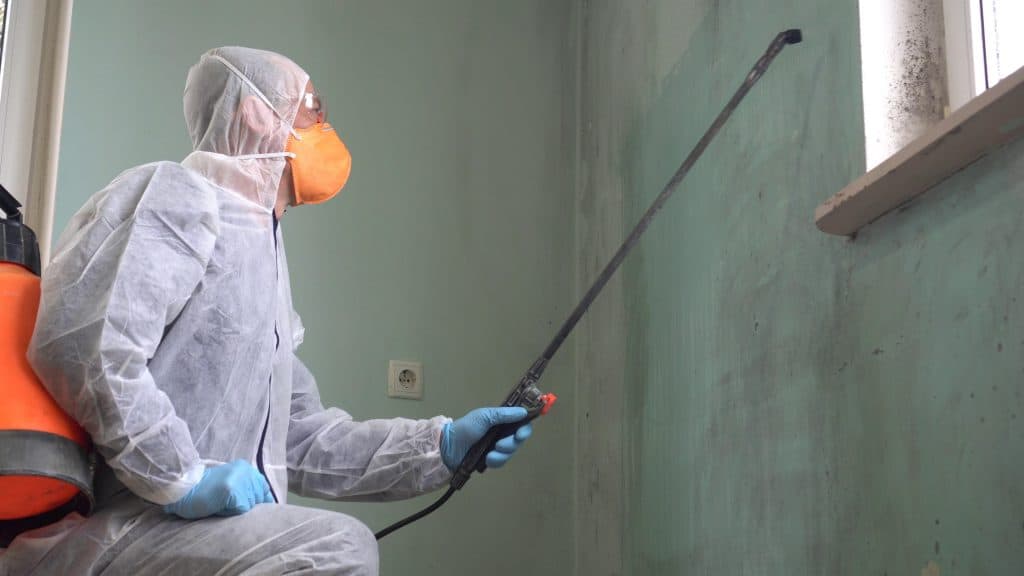
Once the full scope is mapped, you get a clear quote. No work starts until you’ve seen exactly what’s involved and agreed to the price. When remediation begins, the affected area is contained to prevent spores from spreading to other parts of your home. Mold is removed using EPA-approved methods — not bleach, which doesn’t penetrate the porous plaster and brick materials that define South Philly’s older housing stock. If the job involves removing walls or replacing insulation, we work in compliance with Philadelphia’s Department of Licenses and Inspections requirements, so your permits are handled correctly.
After the mold is gone, air quality is tested to confirm the space is clean. Then the 5-year warranty kicks in. If mold returns within five years, we come back. That warranty is only possible because the moisture source gets fixed — not just the growth on top of it.
Ready to get started?
We handle the full scope of residential mold removal — inspection, testing, containment, remediation, and post-removal air quality verification. Every job is conducted by certified technicians following EPA-approved protocols, and every job in Philadelphia is performed in compliance with the city’s local licensing requirements under Health Code Section 6-904, which requires residential mold inspectors to hold a license from Philadelphia’s Department of Licenses and Inspections. That’s a Philadelphia-specific requirement that out-of-area companies often don’t know exists.
Our service is built around the conditions that actually drive mold in South Philadelphia. Flat-roof drainage failures. Brick foundation seepage. Aging plumbing leaking slowly behind bathroom walls. Combined sewer backups flooding basements in Whitman, Grays Ferry, and the Stadium District after heavy rain. Shared party walls carrying moisture from a neighbor’s unit into yours without either of you knowing. These aren’t hypothetical scenarios — they’re the most common reasons South Philly homeowners call.
If you’re buying or selling a home in neighborhoods like Graduate Hospital, Point Breeze, or Bella Vista, we can also provide the certified mold inspection documentation that Philadelphia’s Health Code Section 6-902 requires when a buyer elects to conduct home inspections. In a real estate transaction, that documentation isn’t just useful — it’s legally material to the deal.
In South Philadelphia, most residential mold removal jobs fall somewhere between $1,200 and $3,400, with a local average around $2,200. That range is driven by a few variables: how large the affected area is, what type of mold is present, how accessible the space is, and whether the moisture source requires structural repair alongside the remediation itself.
South Philadelphia’s rowhouse housing stock tends to push jobs toward the middle of that range. Plaster walls and brick foundations are more labor-intensive to work with than modern drywall, and hidden mold behind party walls or under floors adds scope that a quick visual inspection won’t catch upfront. That’s exactly why we start every job with a free assessment — so you have a real number based on what’s actually in your home, not a ballpark figure that changes once work begins. The 8% Philadelphia sales tax applies to taxable remediation work like spraying and scrubbing mold from walls, but not to structural improvements like replacing insulation or rebuilding drywall, so that distinction can affect your final cost as well.
The most common reason mold returns is that the moisture source was never fully addressed. In South Philadelphia specifically, there are several recurring culprits that surface-level treatment completely misses. Flat roofs that pool water in fall and winter. Brick foundations that absorb groundwater slowly and steadily. Aging plumbing systems — some dating back decades — that develop slow leaks behind bathroom walls or under kitchen floors. And shared party walls that carry moisture from a neighboring unit into yours without any visible sign on your side.
When a company comes in, sprays the visible mold, and leaves, none of those sources get fixed. The mold grows back because the conditions that created it are still there. We use moisture meters and infrared thermal imaging to locate every active moisture source before remediation begins — including the ones hidden behind walls and inside structural cavities. Fixing the source is what makes the 5-year warranty possible. Without that step, no honest company can guarantee the mold won’t return.
Yes, and this is something many homeowners and even some real estate agents in South Philadelphia don’t fully realize. Under Philadelphia Health Code Section 6-902, a buyer of residential property who elects to conduct home inspections must have a comprehensive mold inspection performed by a licensed residential mold inspector. That inspector must hold a license from Philadelphia’s Department of Licenses and Inspections under Section 6-904 — a requirement that exists at the city level and does not apply to the rest of Pennsylvania.
This matters practically in real estate transactions happening in neighborhoods like Point Breeze, Graduate Hospital, and Newbold, where homes are turning over quickly and buyers are often purchasing older rowhouses that have been lightly renovated. If mold is discovered during the inspection period, the remediation needs to be documented and performed to a standard that satisfies the transaction. We operate within Philadelphia’s specific regulatory framework and can provide the documentation buyers, sellers, and their agents need to move the deal forward without delays.
It can, and in South Philadelphia’s rowhouse blocks, it happens more often than most homeowners realize. When homes share party walls — which is essentially every rowhouse in Pennsport, Whitman, Passyunk Square, and throughout South Philly — a moisture problem on one side of that wall doesn’t stay contained to one property. If your neighbor has a slow leak behind their bathroom wall or a basement that flooded and wasn’t properly dried out, the moisture can migrate through the shared wall structure and create mold growth on your side, inside the wall cavity, before any visible sign appears on either surface.
This is one of the primary reasons that visual-only mold inspection falls short in South Philadelphia. Infrared thermal imaging can detect temperature differentials inside wall cavities that indicate moisture — even when there’s nothing visible on the surface. If you’ve had mold treated before and it keeps reappearing along an interior wall that borders your neighbor’s property, shared-wall moisture migration is very likely part of the picture.
Move fast. The EPA’s guidance is that water-damaged areas need to be dried within 24 to 48 hours to prevent mold from establishing itself. Once that window closes, you’re no longer dealing with a water damage situation — you’re dealing with a mold situation, and the scope and cost of remediation goes up significantly.
South Philadelphia is specifically identified as one of the areas in the city with the highest frequency of sewer backup flooding. When the city’s combined sewer system backs up during a heavy storm — which happens regularly in neighborhoods like Grays Ferry, Whitman, and the area around the sports complex — the water entering your basement isn’t clean. It carries bacteria and organic material that accelerates mold growth. Remove standing water as quickly as possible, pull up any wet rugs or materials that can’t be dried thoroughly, and get a professional assessment scheduled within that first 24-hour window. Don’t wait to see if it dries on its own. In a South Philly basement, it usually doesn’t.
In most cases, yes — but it depends on the size of the affected area, the type of mold present, and where in the home the work is being done. For smaller, contained jobs in a basement or a single room, most homeowners are able to remain in the house while work is underway, as long as the remediation area is properly sealed off with containment barriers to prevent spores from moving into the living spaces.
For larger jobs — particularly those involving significant mold growth in central living areas, HVAC systems, or multiple rooms — temporary relocation during the active remediation phase is sometimes the safer and more practical option. We’ll give you a straightforward answer on this during the free assessment, based on what’s actually in your home. In South Philadelphia rowhouses, where square footage is limited and rooms connect closely to one another, containment protocol matters more than it does in larger detached homes. The assessment will tell you exactly what to expect before any work begins, so you can plan accordingly.
Other Services we provide in South Philadelphia