
Hear from Our Customers
You can’t fix what you can’t see. And in Tacony, where most homes were built before 1952, mold doesn’t announce itself until it’s already spread behind plaster walls, under baseboards, or through your HVAC ducts.
Professional mold testing gives you the full picture. Not a guess. Not a visual once-over. Lab results from EPA-certified facilities that tell you the type of mold, the concentration, and whether it’s something you need to act on now or just monitor.
That matters because not all mold is the same. Some species are allergenic. Others are toxic. And some are just cosmetic nuisances that don’t require a full remediation. Testing helps you avoid paying for work you don’t need and catches problems that a basic inspection might miss.
You also get documentation. Real reports with photos, findings, and lab analysis. That’s useful if you’re buying, selling, dealing with insurance, or just want peace of mind that your indoor air quality isn’t making your family sick.
We’ve been serving homeowners in Tacony and across Bucks County since 1997. We’re not a franchise. We’re local, and we understand what Northeast Philly homes deal with humid summers, older construction, poor drainage, and ventilation systems that weren’t designed for today’s air quality standards.
We don’t do remediation and testing under the same roof. That’s intentional. It keeps our results unbiased and your costs honest. Our job is to tell you what’s there, not to sell you a cleanup package you may not need.
Our inspectors are certified, our lab partners are EPA-approved, and our reports are detailed enough to satisfy insurance companies, real estate agents, and your own need to know what’s actually happening inside your walls.

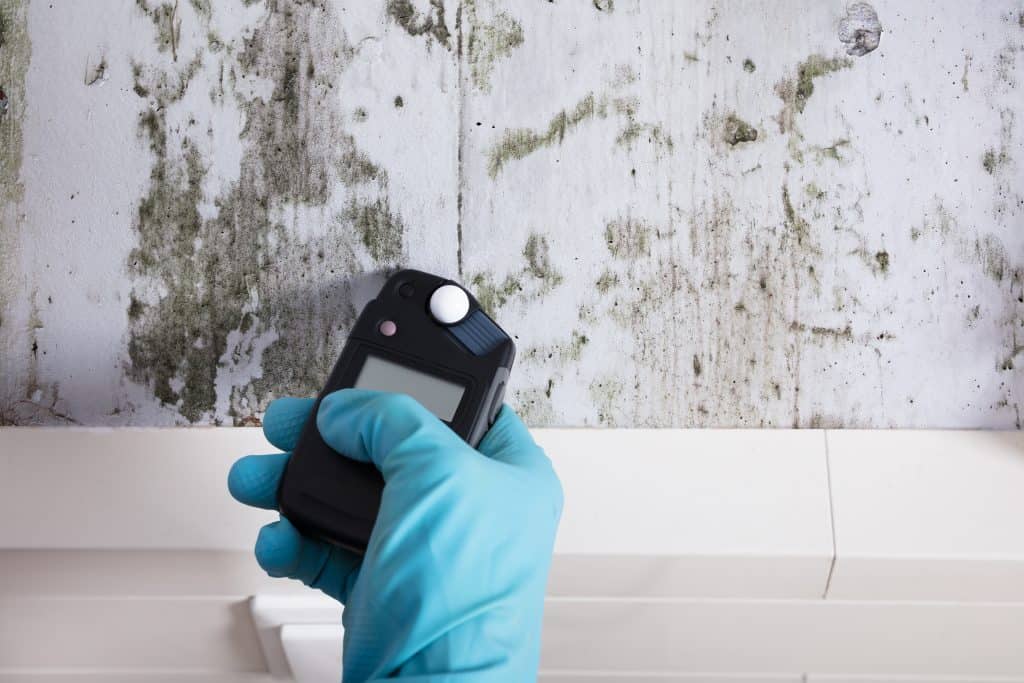
First, we schedule a time that works for you. Our inspector shows up with professional-grade equipment moisture meters, thermal imaging cameras, air quality pumps, and sampling tools.
We walk through your home and look at the areas most likely to have issues. Basements, crawl spaces, attics, bathrooms, around windows, behind appliances. We’re also checking for moisture intrusion, condensation, and ventilation problems that create the conditions mold needs to grow.
If we see visible mold, we take surface samples. If you’re concerned about air quality or hidden growth, we collect air samples using calibrated pumps and sterile filters. Those samples get sent to an EPA-certified lab for analysis.
Results typically come back in 3 to 7 business days. You’ll get a full report that breaks down what was found, where it was found, and what the lab identified. We’ll walk you through it and answer any questions. If remediation is needed, we’ll explain what that looks like but we won’t be the ones doing it. That keeps the process transparent.

Ready to get started?
Every mold inspection starts with a visual assessment of your property. We’re looking for water damage, discoloration, musty odors, and any signs of past or present moisture problems.
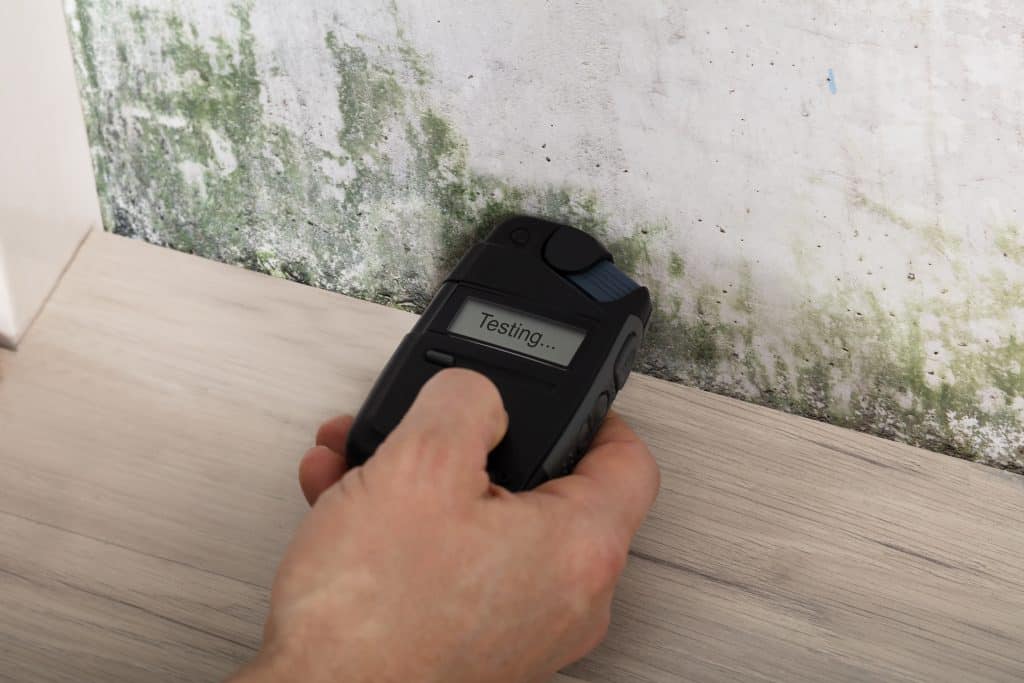
We use thermal imaging to detect temperature differences behind walls and ceilings those cold spots often indicate hidden leaks or condensation. Moisture meters tell us if materials like drywall, wood, or insulation are holding more water than they should.
Air sampling captures spores that are floating around but not visible. Surface sampling collects material from areas where we see growth or suspect contamination. Both get analyzed in a lab, and you receive a report that lists the genus and species of any mold detected, along with spore counts.
In Tacony, we pay extra attention to older rowhomes and twins. These properties often have brick foundations, plaster walls, and minimal airflow all of which trap moisture and make mold harder to spot until it’s widespread. Philadelphia’s humid climate doesn’t help. Summers here create ideal conditions for growth, especially in homes without modern HVAC or dehumidification systems.
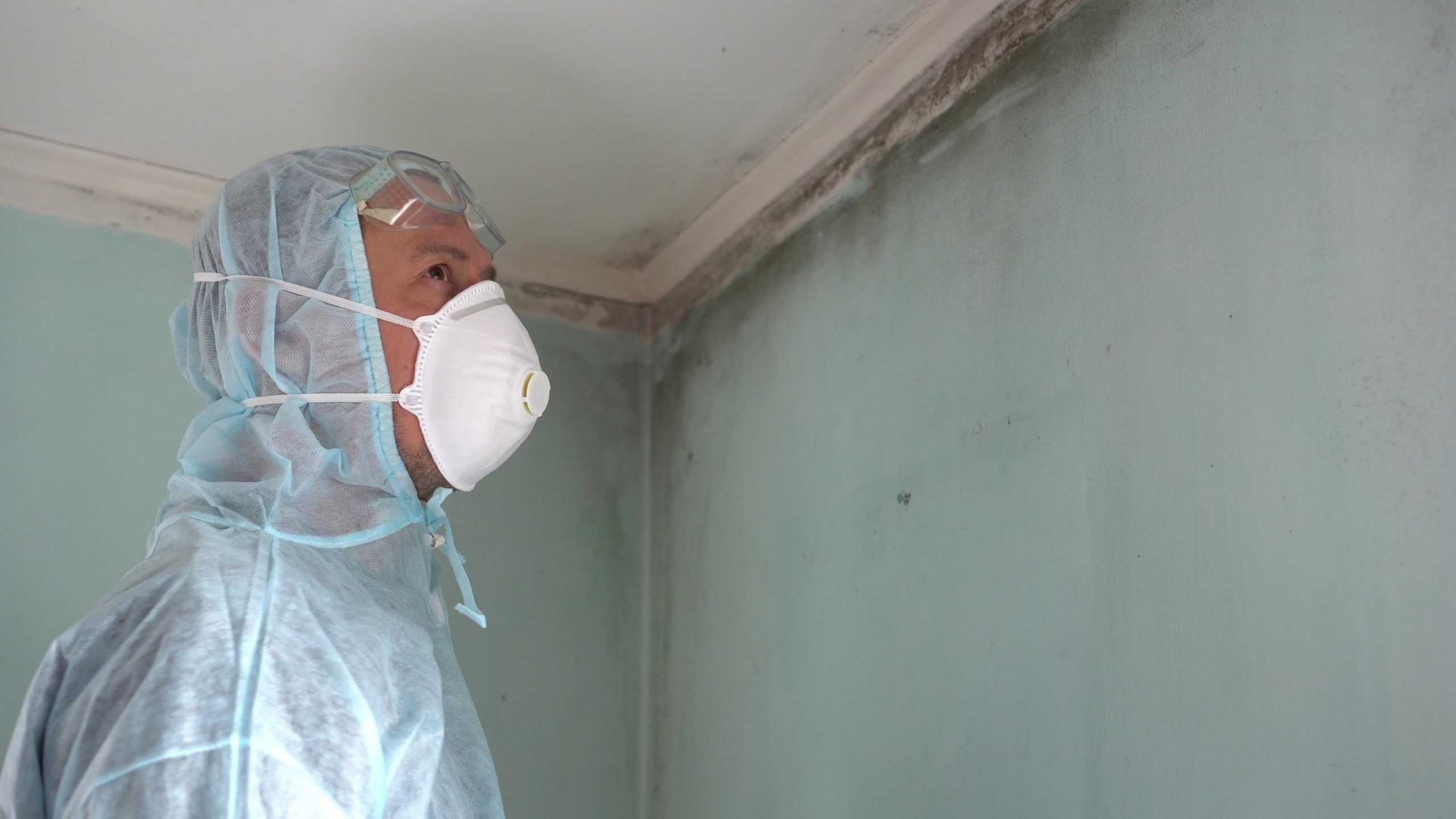
If you smell something musty but can’t find the source, that’s a good reason to test. Same goes for unexplained health symptoms chronic sinus issues, headaches, respiratory problems that get worse when you’re home and better when you’re not.
You should also test if you’ve had water damage, even if it was cleaned up. Mold can start growing within 24 to 48 hours of exposure to moisture, and it doesn’t always show up right away. It can grow behind walls, under flooring, or inside ductwork where you’d never see it.
Testing is also smart if you’re buying or selling a home in Tacony. Older properties here are more prone to mold because of outdated construction methods and poor ventilation. A clean test report protects your investment and gives buyers confidence. A failed test gives you leverage to negotiate repairs or pricing.
An inspection is visual. We walk through your home, look for signs of mold or moisture, and assess conditions that could lead to growth. It’s helpful, but it’s limited to what we can see.
Testing goes further. We collect samples either from the air or from surfaces and send them to a lab for analysis. The lab identifies the specific type of mold, measures the concentration, and provides data you can use to make informed decisions.
Most people benefit from both. The inspection tells us where to look. The testing tells us what’s actually there. If you’re dealing with hidden mold, health concerns, or need documentation for insurance or real estate purposes, testing is the only way to get definitive answers.
The inspection itself usually takes one to two hours, depending on the size of your home and how many areas need attention. We’re thorough, but we’re not going to waste your time.
Once we collect samples, they go to an EPA-certified lab. Turnaround time is typically 3 to 7 business days. You’ll receive a detailed report that includes lab findings, photos from the inspection, and our recommendations based on what was found.
If the situation is urgent like you’re closing on a house or dealing with a health emergency we can sometimes request expedited processing. That’s not always available, but we’ll do what we can to speed things up if timing matters.
Yes. The lab report identifies the genus and species of any mold detected, and that tells us a lot about risk. Some molds, like Stachybotrys (black mold), produce toxins and are considered hazardous. Others, like Cladosporium or Penicillium, are more common and usually just cause allergic reactions.
Concentration matters too. A small amount of mold spores is normal they’re everywhere. But elevated levels, especially indoors, indicate a problem that needs attention.
The report will also compare your indoor air quality to outdoor samples (if we collect them). If your indoor spore count is significantly higher than outdoor levels, that’s a red flag. It means mold is actively growing inside your home, not just drifting in from outside.
You can, but the results are usually too vague to be useful. Most DIY kits only tell you that mold is present which isn’t helpful, because mold is present in almost every home. They don’t tell you what kind, how much, or whether it’s a health concern.
Professional testing uses calibrated equipment and controlled sampling methods. The lab analysis is more accurate, and the report gives you actionable information. You’ll know if remediation is necessary, what areas are affected, and whether the levels are within acceptable ranges.
DIY kits also don’t account for hidden mold. They test surfaces or air in one spot, but they won’t catch growth inside walls, under floors, or in your HVAC system. A professional inspection covers the whole property and uses tools like thermal imaging to find problems you can’t see.
It depends on your policy and the cause of the mold. If the mold resulted from a covered event like a burst pipe or roof leak your insurance may pay for testing and remediation. If it’s due to long-term neglect, high humidity, or lack of maintenance, most policies won’t cover it.
The best move is to call your insurance company before you schedule testing. Ask what’s covered, what documentation they need, and whether they require you to use a specific inspector. Some insurers have preferred vendors. Others just want a detailed report from a certified professional.
Even if insurance doesn’t cover the testing, it’s worth doing. Mold problems don’t get better on their own, and catching them early almost always costs less than waiting until the damage spreads. A few hundred dollars for testing now can save you thousands in repairs later.
Other Services we provide in Tacony