
Hear from Our Customers
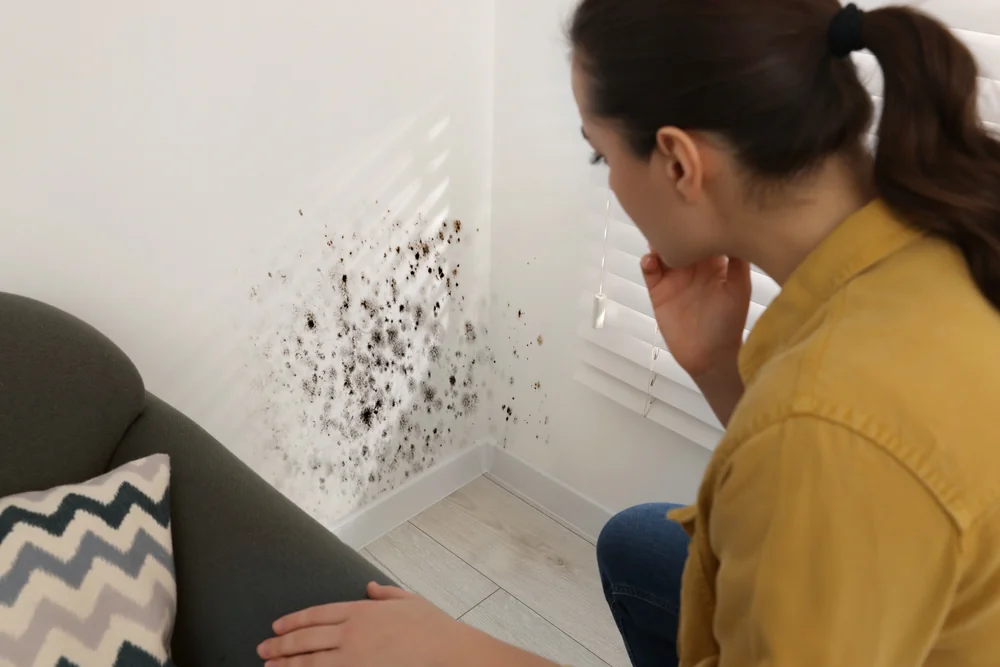
You’ve noticed the symptoms. Stuffy nose that won’t quit. Headaches that show up when you’re home and disappear when you leave. Coughing that gets worse at night.
Maybe you’ve spotted water damage in the basement or caught a musty smell near the bathroom. Or maybe you haven’t seen anything at all—but something feels off.
A home air quality test gives you actual data. Not guesses. Not maybes. You’ll know if mold spores are floating through your rooms, where moisture is hiding, and whether that “old house smell” is actually a health risk. The testing picks up contamination your eyes can’t catch and your nose might miss until it’s already a problem.
Once you know what’s there, you can fix it. And once it’s fixed, you can breathe easier—literally.
We work throughout Bucks, Montgomery, Delaware, and Chester counties, including right here in Tacony and the surrounding Northeast Philadelphia neighborhoods. We know the housing stock in this area—older row homes, brick foundations, unfinished basements, and all the moisture issues that come with Pennsylvania’s humid summers and freezing winters.
We’re not a national franchise reading from a script. We’re local, and we’ve seen what happens when water sits too long in a Tacony basement or when a roof leak goes unnoticed for a season.
Our team uses moisture meters, infrared cameras, and air sampling equipment to find problems before they spread. You get a full report that explains what we found, where we found it, and what it means for your home.

First, we walk through your home and talk about what you’ve noticed—symptoms, smells, visible damage, or just a hunch. That conversation matters because it tells us where to focus.
Then we start testing. We use moisture meters to check walls, floors, and ceilings for hidden water. Infrared cameras show us temperature differences that point to leaks or condensation you can’t see. Air samples get collected from different rooms to measure mold spore levels, and surface samples confirm what’s growing if we spot visible contamination.
The whole process usually takes a couple of hours, depending on the size of your home. We’re not rushing. We’re checking the places mold loves to hide—behind appliances, under sinks, around windows, in crawl spaces, near HVAC systems.
After testing, you get a detailed report. It breaks down what we found, where the moisture or mold is coming from, and what needs to happen next. If there’s a problem, we’ll walk you through the remediation process. If your air is clean, you’ll have documentation that proves it.
Ready to get started?
Your residential air quality testing includes a full visual inspection, moisture mapping with professional-grade meters, infrared thermal imaging to detect hidden leaks, and air sampling that measures mold spore concentrations in multiple rooms. If we find visible growth, we take surface samples to identify the exact species.
In Tacony, we see a lot of basement moisture issues. The older homes here were built with stone or brick foundations that weren’t designed to stay dry the way modern waterproofing systems work. Add in Northeast Philly’s humidity, and you’ve got the perfect setup for mold to grow under carpets, behind drywall, or along floor joists.
We also check HVAC systems. Ductwork can spread mold spores from one room to the entire house if there’s growth inside the system. A lot of people don’t realize their heating and cooling setup is making the problem worse.
You’ll get a written report with photos, data, and recommendations. If you’re dealing with a real estate transaction, insurance claim, or tenant dispute, that documentation is critical. It’s not just for peace of mind—it’s evidence.
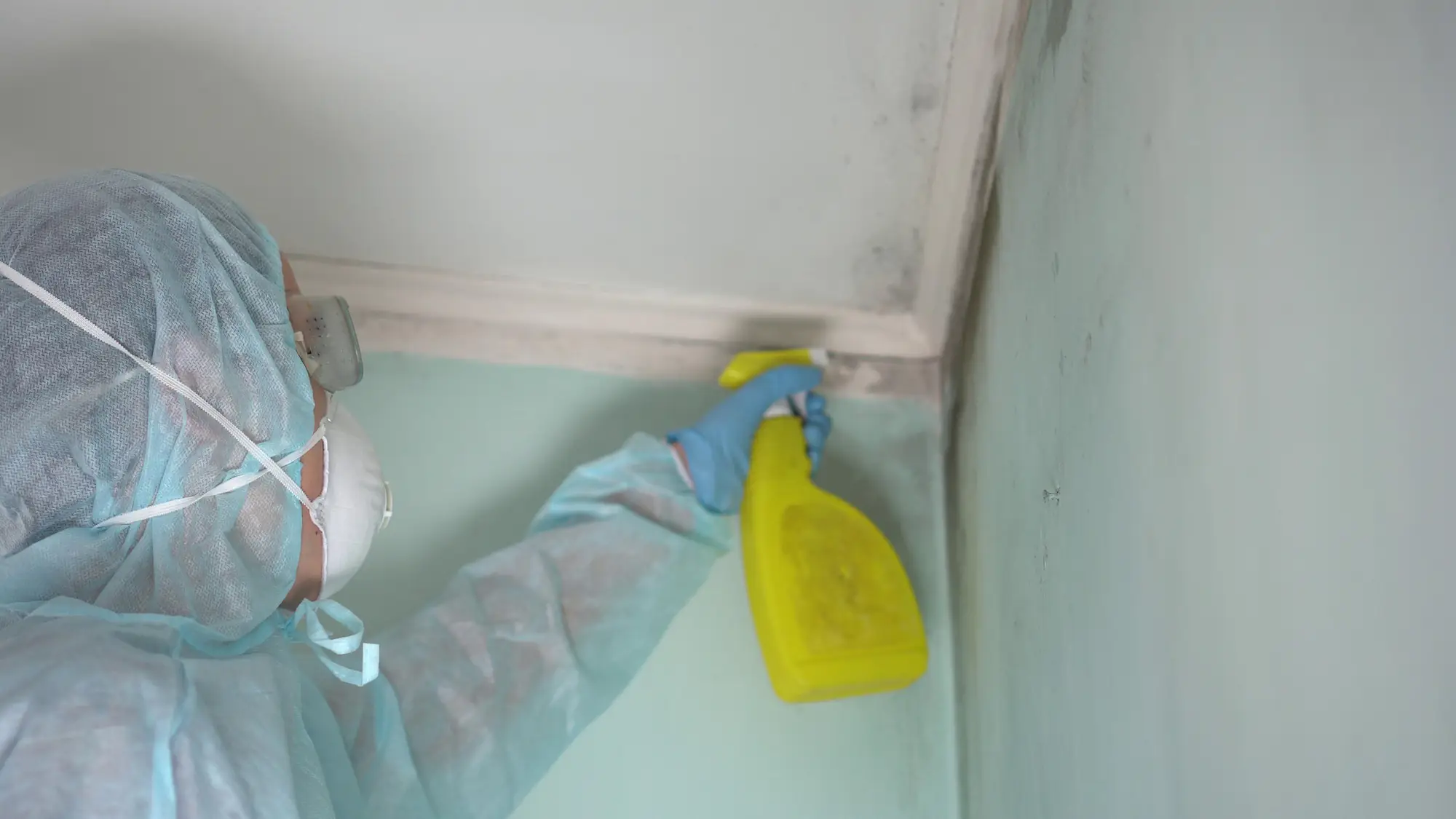
If you’re dealing with unexplained health symptoms that get better when you leave the house, that’s a red flag. Respiratory issues, headaches, itchy eyes, or skin irritation that won’t go away can all point to poor indoor air quality.
Visible signs matter too. Water stains on ceilings or walls, peeling paint, warped floors, condensation on windows, or a musty smell all suggest moisture problems. And where there’s moisture, there’s usually mold.
Even if you don’t see or smell anything, testing makes sense after a leak, flood, or any water damage—even if it was cleaned up quickly. Mold can start growing within 24 to 48 hours, and it often hides in places you won’t notice until it’s widespread. If you’re buying or selling a home in Tacony, a mold air test protects everyone involved and prevents surprises during inspections.
A visual inspection catches what’s obvious—stains, discoloration, visible mold growth, or damaged materials. It’s useful, but it’s limited. You can’t see mold spores floating in the air, and you can’t see growth hidden behind walls, under flooring, or inside ductwork.
Air testing measures what’s actually in the air you’re breathing. We collect samples from different rooms and send them to a lab that counts mold spore concentrations and identifies species. That tells us if there’s an active problem, even if nothing looks wrong.
Surface testing is the third piece. If we see something that looks like mold, we take a sample to confirm what it is. Some molds are more dangerous than others, and knowing the species helps us recommend the right remediation approach. A complete mold air test usually combines all three methods—visual, air, and surface—so nothing gets missed.
Most residential air quality testing takes two to three hours, depending on the size of your home and how much area we’re covering. If you’ve got a finished basement, multiple bathrooms, or a larger property, it might take a bit longer.
We’re not just walking through and taking a few samples. We’re checking moisture levels in walls and floors, using thermal imaging to find hidden leaks, inspecting HVAC systems, and collecting air samples from several rooms to get an accurate picture of what’s happening throughout the house.
After the testing, lab results usually come back within a few days. Once we have the data, we’ll go over the report with you and explain what we found. If remediation is needed, we’ll talk through the process and timeline. If your air is clean, you’ll have documentation that confirms it.
You can buy a DIY mold test kit, but it won’t give you the full picture. Most kits only test one small area or collect a single air sample, which doesn’t tell you much about the overall air quality in your home. Mold levels vary from room to room, and spore counts change depending on airflow, humidity, and time of day.
DIY kits also don’t come with professional equipment. You won’t have a moisture meter to find hidden water, and you won’t have thermal imaging to spot leaks inside walls. Without that context, a positive test result doesn’t tell you where the mold is coming from or how serious the problem is.
Professional air quality testing covers your entire home, uses calibrated equipment, and includes lab analysis that identifies specific mold species. You also get a detailed report and recommendations based on what we find. If you’re dealing with health symptoms, property damage, or a real estate transaction, a DIY kit isn’t going to give you the documentation or accuracy you need.
No. Professional air quality testing is non-invasive. We don’t cut into walls or tear up flooring to collect samples. Air testing uses small pumps that pull air through a collection device—it doesn’t touch your home’s structure at all.
Moisture testing involves pressing a meter against walls, ceilings, and floors to measure water content. Thermal imaging is completely contactless—we’re just scanning surfaces with an infrared camera to detect temperature differences that indicate leaks or moisture.
If we need to take a surface sample from visible mold, we use a swab or tape lift to collect a small amount of material. It’s the same idea as using a cotton swab on your skin—there’s no damage to the surface. The only time invasive testing is necessary is if we need to confirm hidden mold behind drywall, and even then, we’d discuss it with you first and limit any cutting to the smallest area possible.
Cost depends on the size of your home, how many areas need testing, and what type of testing is required. A basic air quality test for a smaller home usually runs a few hundred dollars. Larger homes or properties that need extensive moisture mapping, multiple air samples, and surface testing will cost more.
If you’re comparing prices, make sure you’re comparing the same scope of work. Some companies offer cheap inspections that only include a visual walkthrough—no lab testing, no moisture detection, no thermal imaging. That’s not the same as a comprehensive mold air test.
We’ll give you a clear estimate before we start any work. No surprises, no upselling once we’re on site. If remediation is needed after testing, that’s a separate cost, and we’ll walk you through what’s involved. The testing itself is about getting you accurate information so you can make the right decision for your home and your health.
Other Services we provide in Tacony