
Hear from Our Customers
You’re not looking for a sales pitch. You need to know if there’s mold, where it is, and what type you’re dealing with.
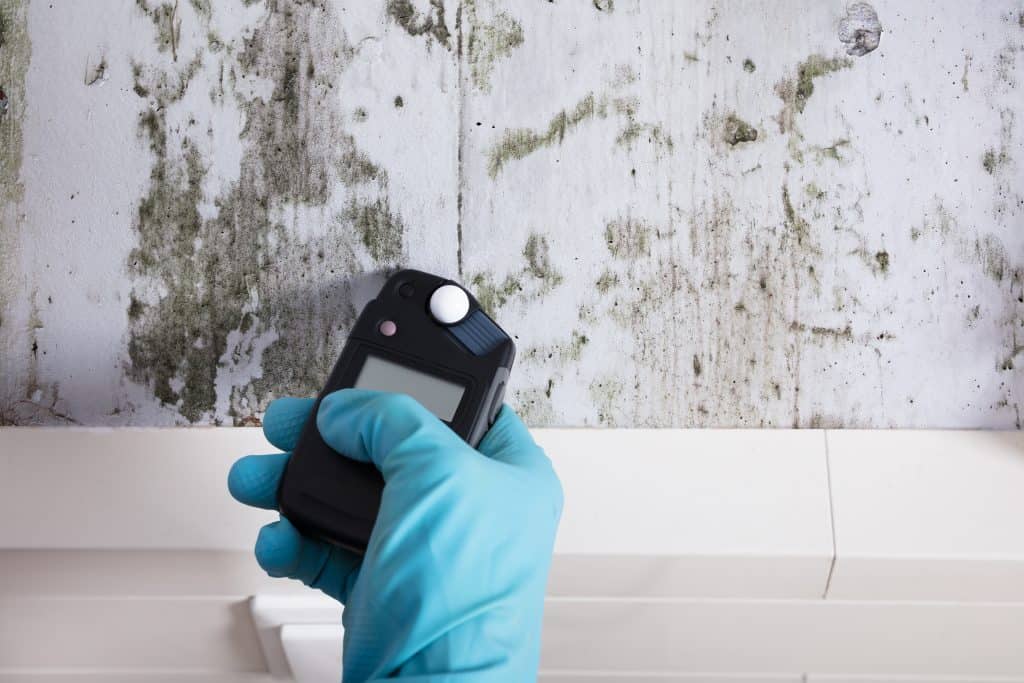
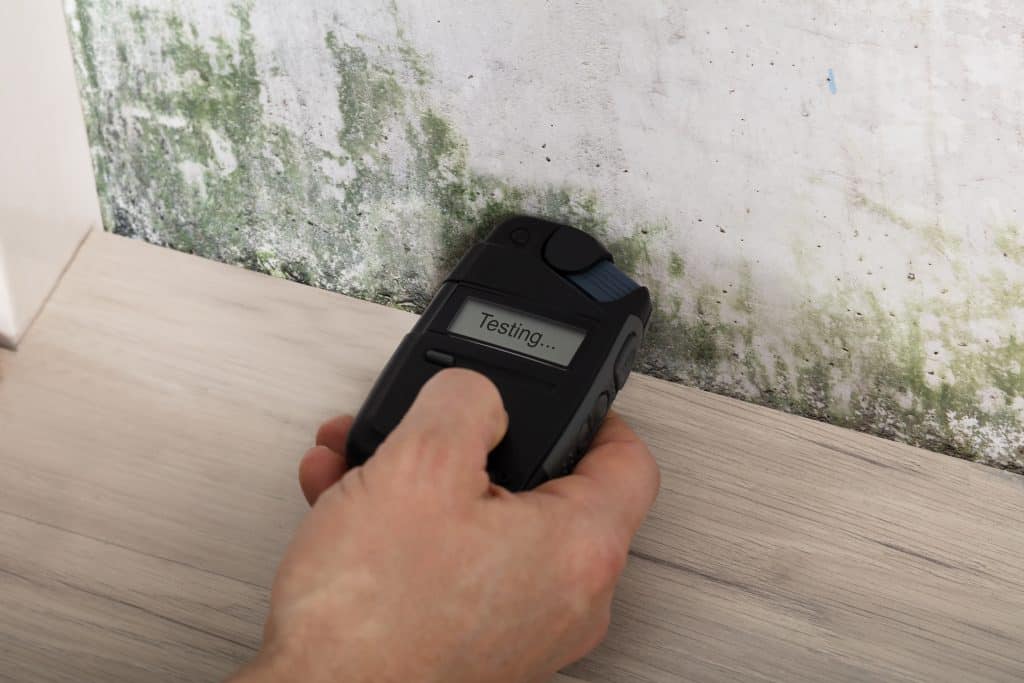
That’s what mold testing does. We collect air samples and surface swabs from your property, send them to a certified lab, and get back results that tell you exactly which species are present and at what concentration. Not a guess. Not a visual inspection that misses what’s behind the drywall. Actual data.
If you’ve been feeling off at home headaches, fatigue, respiratory issues that clear up when you leave this is how you confirm whether mold is the cause. If you’re buying a Fishtown rowhome or dealing with a basement that flooded last spring, testing shows you what’s happening before it gets worse. And if you’re a landlord trying to stay compliant or avoid liability, documentation from a third-party lab is what protects you.
Testing doesn’t fix the problem, but it tells you whether you have one. And in a neighborhood where flooding risk affects nearly half the properties and humidity sits heavy all summer, that’s not optional information.
We’ve been handling mold evaluation and remediation in Bucks County and the greater Philadelphia area for over 15 years. We’re not a franchise. We’re not rotating techs who don’t know the area.
We know Fishtown. We know the old rowhomes with shared walls and aging plumbing. We know the new builds on narrow streets that still flood when the storm drains back up. We know what basements look like after a heavy rain, and we know the difference between surface mildew and a contamination problem that needs immediate attention.
You’ll get the same crew from inspection to remediation if work is needed. You’ll get upfront pricing before anything starts. And if insurance is involved, we’ll work directly with your carrier so you’re not playing middleman with paperwork.
We start with a free inspection. That means someone comes to your property, walks through with you, checks the obvious spots and the hidden ones crawlspaces, behind appliances, HVAC systems, anywhere moisture tends to settle.
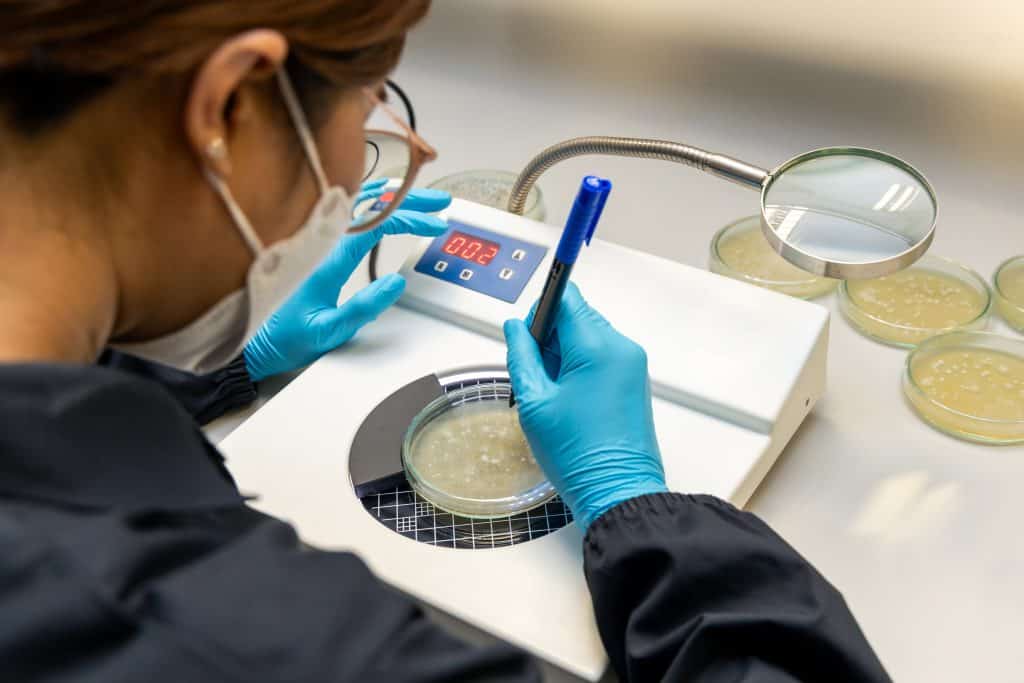
If we see visible growth or conditions that suggest contamination, we’ll recommend testing. That involves taking air samples from affected areas and control areas, plus surface samples if there’s visible growth. Everything gets labeled, logged, and sent to an accredited lab.
You’ll have results within 24 hours. The report identifies mold species, spore concentration, and whether levels are elevated compared to outdoor air. We’ll walk you through what it means in plain terms not jargon, not scare tactics.
If remediation is needed, we’ll give you a detailed estimate before any work begins. If it’s minor and you want to handle it yourself, we’ll tell you that too. The goal is accurate information, not upselling.

Ready to get started?
Testing includes a full property assessment not just the room where you saw discoloration. We check airflow patterns, humidity levels, and any area where moisture intrusion is likely. In Fishtown, that often means basements with old foundations, bathrooms with poor ventilation, and attics where temperature swings cause condensation.
Air sampling captures airborne spores you can’t see. Surface sampling identifies what’s growing on walls, ceilings, or floors. Both get analyzed by a third-party lab, so the results aren’t coming from the same company trying to sell you remediation.
You’ll receive a written report with species identification, concentration levels, and recommendations. If toxic mold like Stachybotrys is present, you’ll know. If it’s just common environmental mold at low levels, you’ll know that too. The report also serves as documentation if you’re dealing with a landlord dispute, a real estate transaction, or an insurance claim.
We also offer follow-up testing after remediation to confirm the work was effective. Because the only thing worse than finding mold is thinking it’s gone when it’s not.
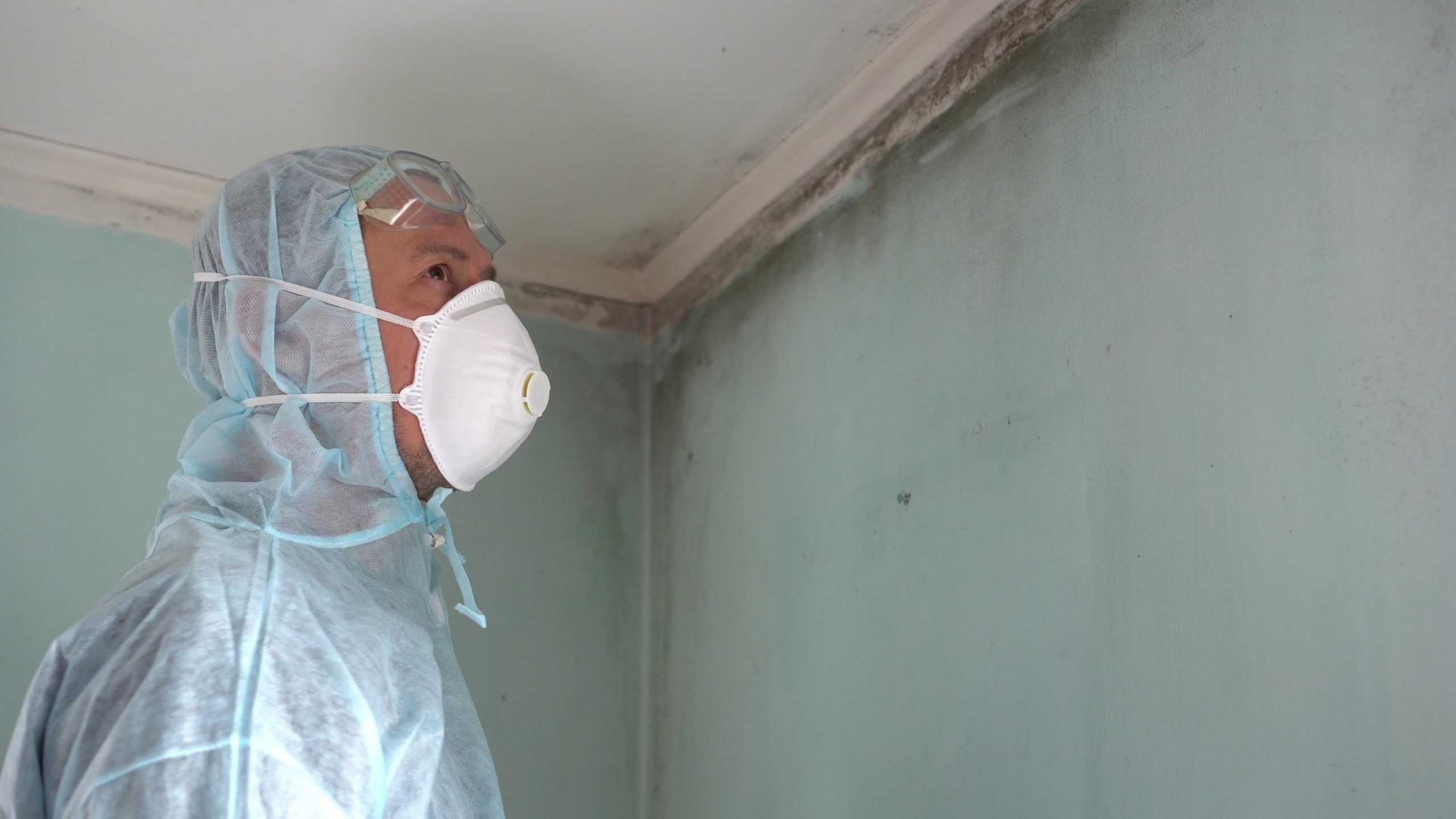
If you can see mold, you don’t necessarily need testing to know it’s there. But you might still want it to identify the species especially if anyone in your home has asthma, allergies, or a compromised immune system. Some molds are more toxic than others, and lab results tell you what you’re dealing with.
Testing makes more sense when you suspect mold but can’t see it. Maybe you smell something musty. Maybe your kids are coughing at night and it stops when they’re at school. Maybe you had a leak six months ago and you’re not sure if it dried completely. Air sampling picks up spores that a visual inspection misses.
It’s also critical if you’re buying property in Fishtown. With nearly half the neighborhood at flood risk and a lot of older housing stock, a clean-looking basement doesn’t mean much. Testing gives you leverage in negotiations and keeps you from buying someone else’s moisture problem.
Air sampling measures the concentration of mold spores floating in the air. We use a pump to pull air through a collection device, which traps spores on a slide. That slide goes to the lab, where they count and identify what’s present. This tells you what you’re breathing, even if there’s no visible growth.
Surface sampling involves swabbing or tape-lifting a sample from a wall, floor, or other material where you see discoloration or suspect contamination. It confirms whether that spot is actually mold and identifies the species. It’s more targeted than air sampling.
Most thorough inspections use both. Air sampling catches what’s hidden or airborne. Surface sampling confirms what’s growing in specific areas. Together, they give you a complete picture. If you’re trying to keep costs down, we’ll recommend which method makes the most sense based on what we see during the inspection.
You’ll have lab results within 24 hours of sample collection. We work with accredited labs that process samples quickly, so you’re not waiting a week to find out if you have a problem.
The report includes species identification, spore counts, and a comparison to outdoor air levels. Elevated indoor levels indicate an issue. The lab also flags any toxic species like Stachybotrys or Aspergillus, which require more aggressive remediation.
Once you have results, we’ll schedule a follow-up call or meeting to walk through what they mean. If remediation is needed, we’ll provide a written estimate the same day. If levels are normal or the issue is minor, we’ll tell you that too. The goal is fast, accurate information so you can make decisions without sitting in limbo.
Testing identifies what’s growing and where, but it doesn’t always pinpoint the exact moisture source. That’s part of the inspection process. While we’re collecting samples, we’re also looking for leaks, condensation, poor ventilation, foundation cracks, roof damage anything that’s letting water in or trapping humidity.
In Fishtown, common sources include old plumbing in rowhomes, basement seepage during heavy rain, and HVAC systems that aren’t dehumidifying properly. We’ll check all of those during the walkthrough. If the source isn’t obvious, we might use moisture meters or thermal imaging to track it down.
The lab report tells you what you’re dealing with. The inspection tells you why it’s there. Both matter, because removing mold without fixing the moisture problem means it’s coming back. We address both sides so you’re not paying twice for the same issue.
You can, but the results won’t be as reliable. Most DIY kits use petri dishes that collect whatever lands on them mold, dust, pollen, bacteria. They don’t measure concentration or compare indoor levels to outdoor baselines, so you can’t tell if what you’re seeing is actually a problem or just normal environmental exposure.
They also don’t account for airflow, sampling location, or proper handling. If you place the dish in the wrong spot or leave it out too long, the results are meaningless. And if you do find mold, the kit won’t tell you which species or whether it’s toxic.
Professional testing uses calibrated equipment, controlled sampling methods, and accredited lab analysis. You get spore counts, species identification, and a report that holds up with insurance companies, real estate agents, and attorneys if needed. If you’re trying to make an informed decision about your health or your property, a $10 kit from the hardware store isn’t going to cut it.
First, don’t panic. “Toxic mold” usually refers to species like Stachybotrys chartarum, which produces mycotoxins under certain conditions. It’s a health risk, especially for kids, elderly residents, or anyone with respiratory issues, but it’s also treatable with proper remediation.
If the lab confirms toxic mold, we’ll map out a containment and removal plan. That includes sealing off the affected area, using HEPA filtration to prevent spore spread, removing contaminated materials, and treating surfaces with antimicrobial solutions. We follow Pennsylvania indoor air quality regulations and industry protocols to make sure it’s done right.
After remediation, we’ll do follow-up testing to confirm spore levels are back to normal. You’ll get documentation showing the work was completed and the air is safe. If insurance is covering it, we’ll provide everything your carrier needs for the claim. The goal is complete removal and verification, not just surface cleaning that leaves the problem behind.
Other Services we provide in Fishtown