
Hear from Our Customers
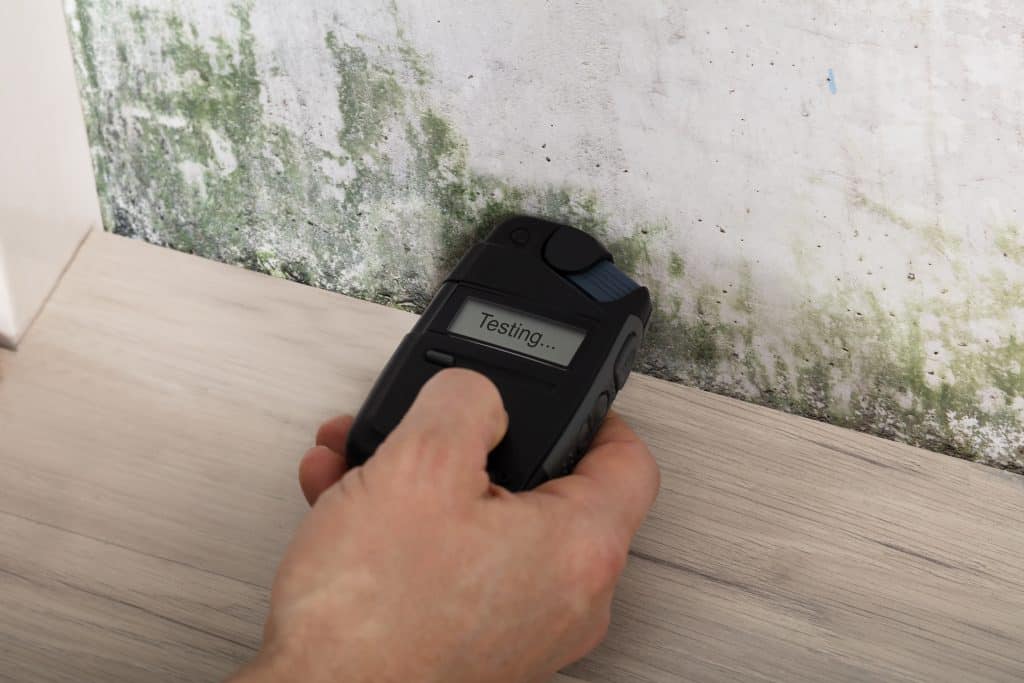
You shouldn’t have to guess whether that musty smell is a problem or if those dark spots are dangerous. Mold testing gives you actual data about what’s in your air and behind your walls.
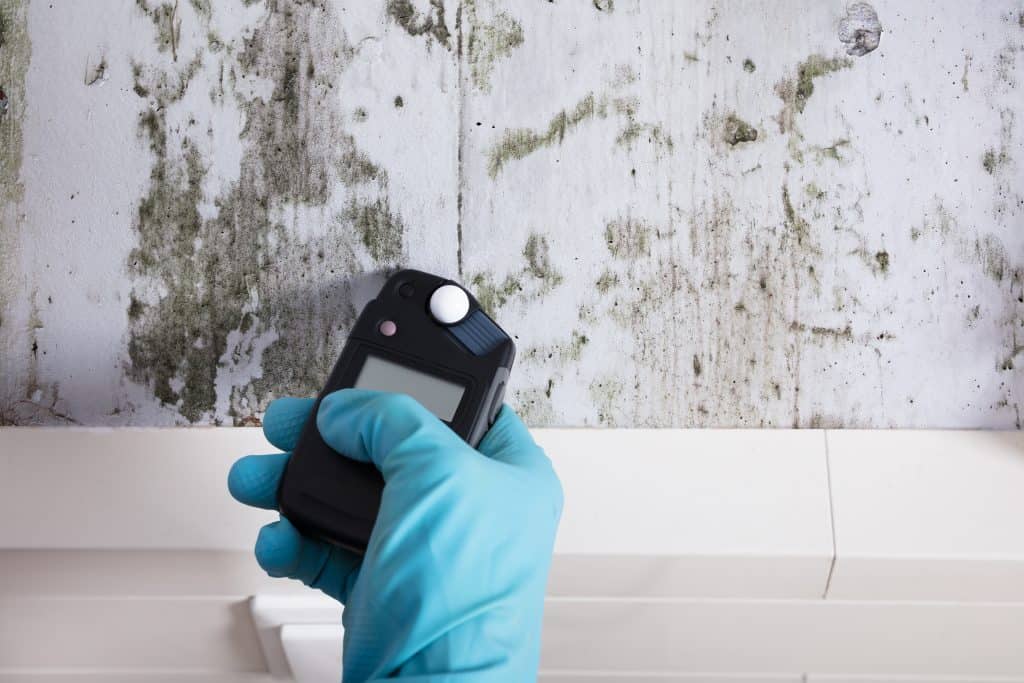
We use detection tools that go beyond what you can see. That means checking humidity levels, testing air samples, and inspecting areas where mold loves to hide basements, crawl spaces, HVAC systems, and anywhere water’s been sitting too long.
When we’re done, you’ll know exactly what you’re dealing with. You’ll get a report that breaks down what we found, where the moisture is coming from, and what needs to happen next. No jargon. No runaround. Just clarity so you can make the right call for your home and your family.
We work with homeowners across Fairmount and the rest of Bucks County who need straight answers about mold. We’re not a national chain. We’re local, and we know how this area’s humidity and older housing stock create the perfect setup for mold growth.
Our team uses EPA-approved methods and follows Pennsylvania regulations because cutting corners isn’t an option when it comes to indoor air quality. We’ve seen what happens when mold gets ignored respiratory issues, property damage, expensive repairs down the road.
That’s why we start every job with a free inspection. You shouldn’t have to pay just to find out if you have a problem.
First, we come to your property and do a visual inspection. We’re looking for water damage, discoloration, condensation patterns, and any signs that mold’s already taken hold.
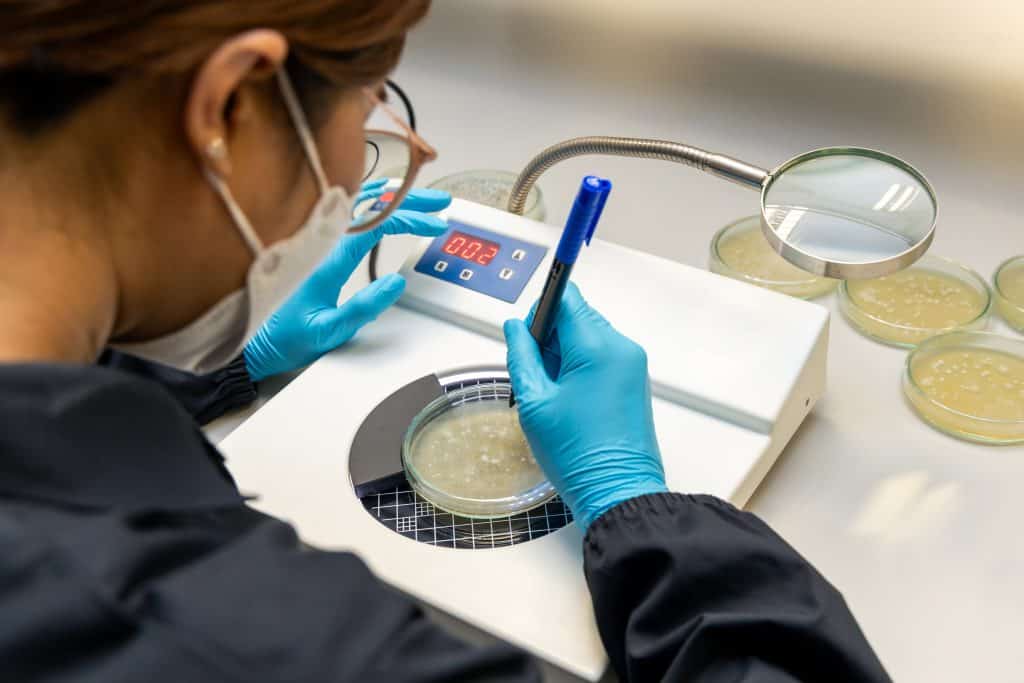
Then we test. We take air samples to measure mold spore levels and surface samples from suspicious areas. If you’ve got HVAC concerns, we check your ductwork too. The goal is to find out what’s growing and how much of it you’re breathing in every day.
After testing, we send samples to a third-party lab. You get a detailed report within a few days that tells you what types of mold are present, where the moisture source is, and whether remediation is necessary. If you need mold removal, we’ll walk you through next steps. If you don’t, we’ll tell you that too.
We also offer post-remediation testing to confirm the job was done right. Because you deserve to know your air is actually clean not just trust that it is.

Ready to get started?
Mold testing isn’t just about confirming what you already suspect. It’s about finding problems you didn’t know existed. In Fairmount, where humidity regularly hits 60% or higher during summer, mold can grow fast especially in homes built in the ’80s and ’90s.
You’re getting a full evaluation of your indoor air quality. That includes identifying mold species like Aspergillus, Penicillium, and Cladosporium the ones that thrive in the 77°F to 86°F range your attic or basement probably hits on a regular basis. We also measure moisture levels because mold doesn’t grow without water. Finding the source means stopping the cycle.
This isn’t a quick walk-through. We’re checking behind walls, under floors, inside ducts, around windows, and anywhere else moisture tends to settle. Fairmount’s proximity to water and the age of local housing stock means hidden mold is more common than most people think. Nearly half of homes in the U.S. have mold or dampness issues you’re not alone in dealing with this.
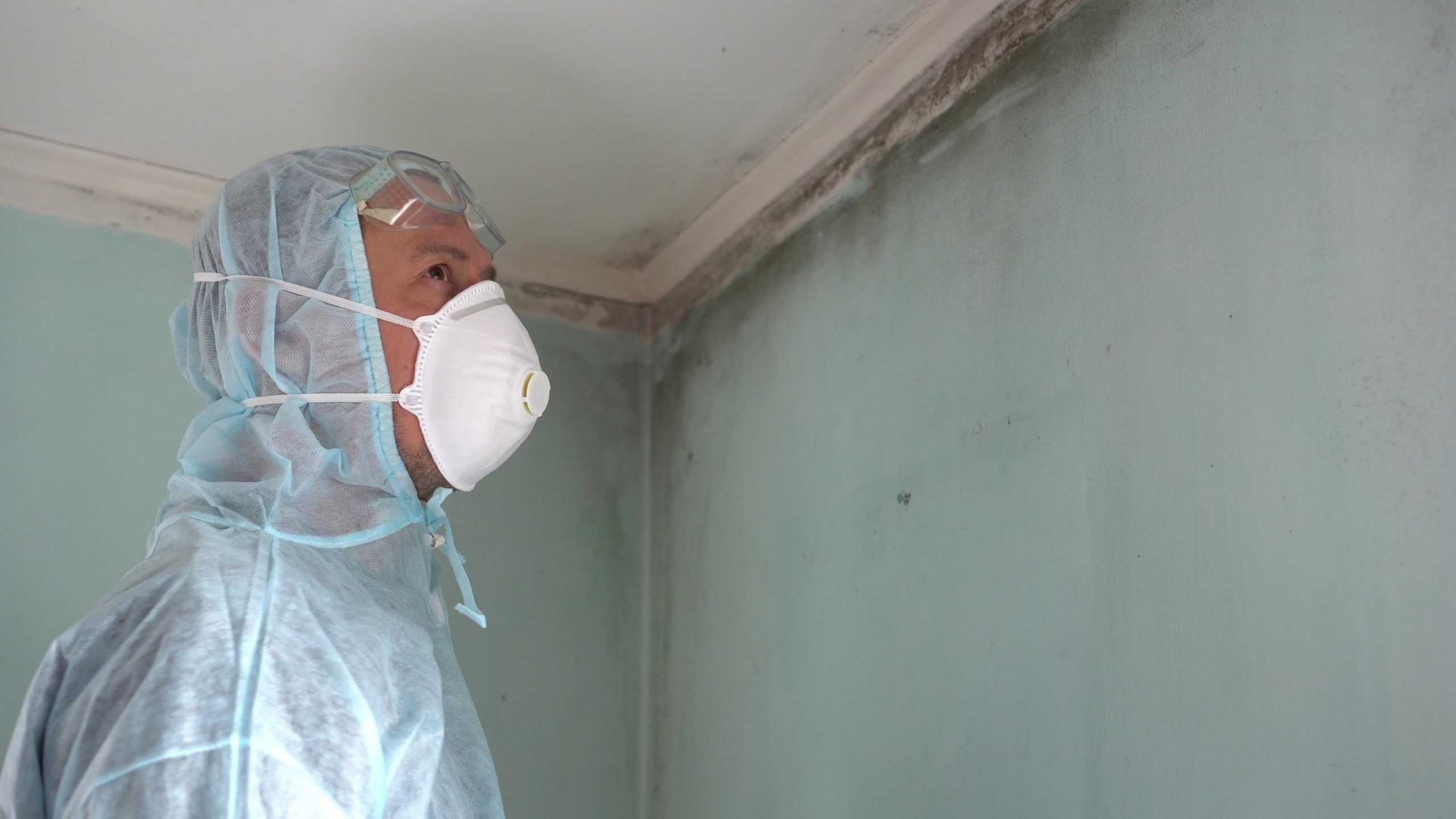
If you’re smelling something musty, seeing discoloration on walls or ceilings, or dealing with unexplained allergies or respiratory symptoms, testing makes sense. But you don’t always need it.
Visible mold that’s small and surface-level can often be cleaned and monitored. Testing becomes important when you can’t find the source, when you’ve had water damage, or when someone in your home is getting sick and you don’t know why. It’s also critical after any flooding or long-term leak mold starts growing within 24 to 48 hours.
In Fairmount, where basements stay damp and summer humidity lingers, testing helps catch problems before they spread. If you’re buying or selling a home, it’s worth doing too. Mold issues can drop property value by 20% to 37%, so knowing what you’re dealing with protects your investment.
An inspection is visual. We look for signs of mold, water damage, and conditions that support mold growth. Testing goes further we collect air and surface samples to identify what’s actually there and how much of it.
You might not need testing if the mold is obvious and the source is clear. But if you’re not sure where it’s coming from, or if you want to know what type of mold you’re dealing with, testing gives you data. Some molds are more harmful than others, and some require different removal approaches.
Testing also matters after remediation. Just because mold was removed doesn’t mean spores are gone. Post-remediation testing confirms your air quality is back to normal. In Pennsylvania, there’s no state regulation requiring this, but it’s the only way to know the job was done right.
The inspection and sample collection usually take one to two hours, depending on your property size and how many areas we’re testing. We’re thorough, so we don’t rush it.
Once samples are collected, they go to a third-party lab for analysis. You’ll typically get results within three to five business days. The report will break down mold types, spore counts, and where the concentrations are highest.
After that, we’ll walk you through what it means. If remediation is needed, we’ll explain the scope and give you an upfront estimate. If it’s not a major issue, we’ll tell you how to manage it. The goal is to give you a clear path forward, not leave you more confused than when you started.
You can, but those kits don’t tell you much. They’ll confirm that mold exists which it does in almost every home to some degree. What they won’t tell you is what kind of mold, how much, or where it’s coming from.
Professional testing uses calibrated equipment to measure air quality and moisture levels. We know where to look and how to interpret results. A DIY kit might pick up surface mold in your bathroom but miss the hidden growth in your HVAC system or behind drywall.
If you’re trying to save money, we get it. But mold remediation costs between $1,200 and $3,700 on average in this area. Spending a few hundred on accurate testing upfront can save you from paying for the wrong fix or worse, ignoring a problem that keeps growing.
It depends on what caused the mold. If it’s from a sudden, covered event like a burst pipe or storm damage, your policy might cover testing and remediation. If it’s from long-term neglect or humidity, probably not.
You’ll need to check your specific policy. Some insurers in Pennsylvania exclude mold coverage entirely unless you add a rider. Others cap payouts at $10,000 or less. We work with insurance companies regularly and can help you navigate the claims process if you’re covered.
Even if insurance won’t pay, testing is still worth it. Mold doesn’t go away on its own, and the longer you wait, the more damage it does to your home and your health. We offer upfront pricing so you know what you’re paying before we start. No surprises.
First, don’t panic. Finding mold is common, especially in Bucks County where humidity and older homes create ideal conditions. What matters is what you do next.
If we find mold, we’ll identify the moisture source and give you a detailed remediation plan. That might mean fixing a leak, improving ventilation, or removing contaminated materials. We use EPA-approved methods and follow Pennsylvania guidelines to make sure it’s done safely.
We don’t just remove mold we fix the conditions that caused it. Otherwise, it’ll come back. You’ll also get recommendations for preventing future growth, like dehumidifiers, better airflow, or waterproofing. Our job is to create a healthier home, not just treat the symptoms.
Other Services we provide in Fairmount