
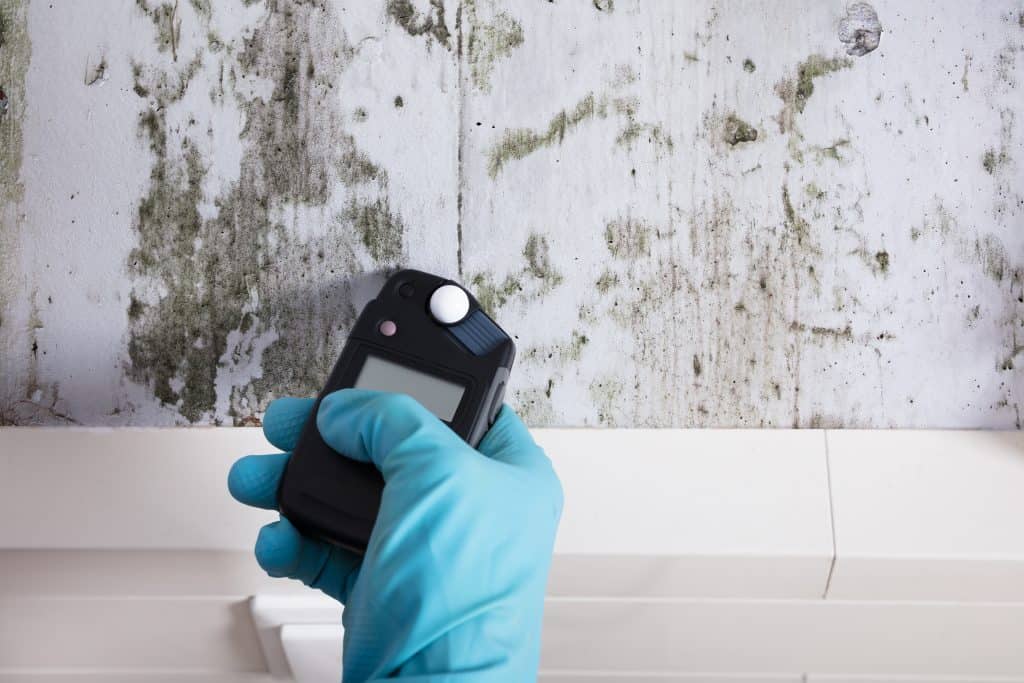
Hear from Our Customers
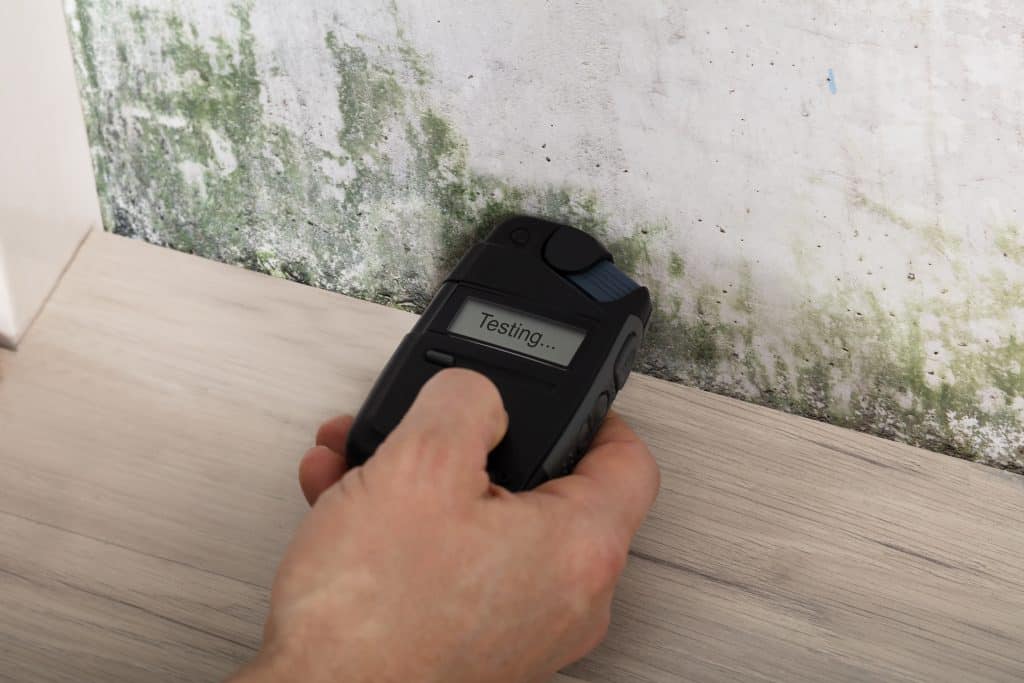
You’ve noticed the musty smell. Maybe someone in your house has been dealing with headaches or respiratory issues that won’t quit. Or you just want to know what’s actually in your air before it becomes a bigger issue.
Mold testing gives you answers. Not assumptions actual data about what’s growing in your home, where it’s concentrated, and whether you need to take action. You get a clear report from an EPA-certified lab that shows mold levels in every room, identifies the types present, and helps you understand if what you’re dealing with is normal background levels or something that needs remediation.
This matters in Chestnut Hill because your home was likely built decades ago. Homes from the 1940s weren’t designed with modern ventilation. They settle, they leak, and they trap moisture in ways newer construction doesn’t. Testing catches problems before they spread into your HVAC system or behind your walls where you can’t see them.
We’ve been serving homeowners across the Philadelphia area since 2009. We’re not a franchise or a national chain we’re a local team that understands how older homes in neighborhoods like Chestnut Hill behave when it rains, when foundations shift, and when original plumbing starts to fail.
We use the same equipment and lab analysis methods required by Pennsylvania’s Department of Health. Our inspectors are certified, our reports meet insurance documentation standards, and we don’t upsell you on remediation you don’t need. If your levels are normal, we’ll tell you. If they’re not, we’ll explain what that means and what your options are.
You’ll work with people who’ve seen hundreds of homes like yours and know the difference between a minor issue and a real problem.
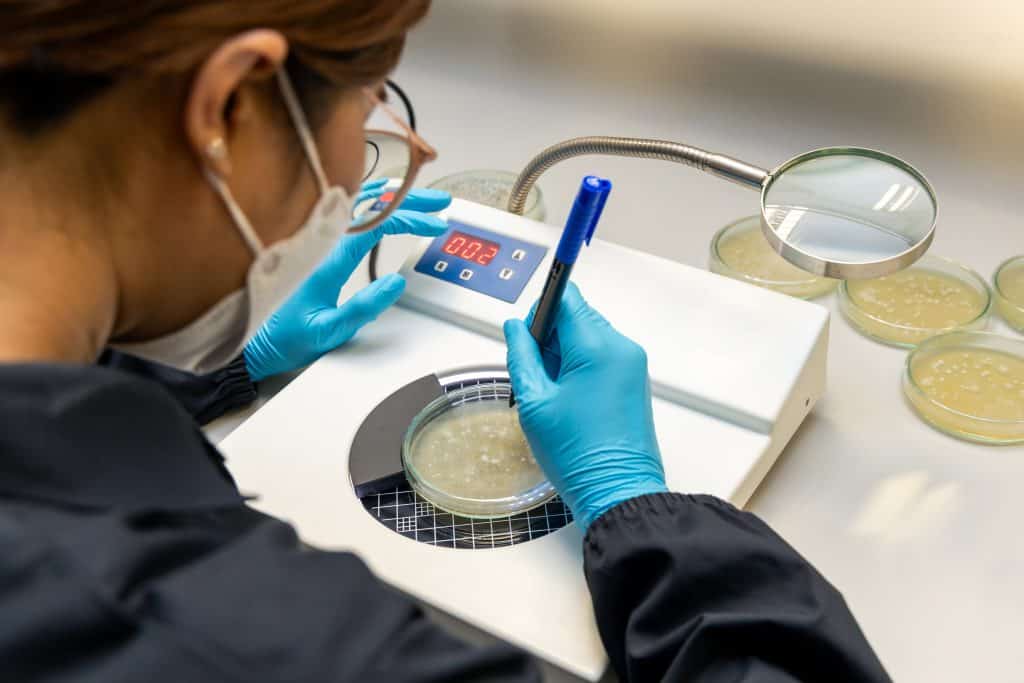
First, we schedule a time that works for you usually same-day or next-day. When we arrive, we do a visual assessment of your property to identify any obvious moisture sources, ventilation issues, or visible mold growth. This helps us understand what we’re working with before we start testing.
Next, we collect air samples from every room in your home. This isn’t a spot-check of one or two areas it’s a whole-home evaluation of your indoor air quality. We also take surface samples if we see suspicious growth on walls, ceilings, or other materials. If needed, we’ll collect bulk samples from materials like drywall or insulation to identify contamination that’s hidden from view.
Those samples go to an EPA-certified laboratory for analysis. You’ll receive a detailed report within 24 hours that breaks down mold types, concentration levels, and whether those levels are above normal thresholds. We walk you through the results in plain language so you understand exactly what’s happening in your home and what if anything needs to happen next.

Ready to get started?
You get data. Real numbers that show mold spore counts in every room, identified by species. You’ll know if you’re dealing with common outdoor molds that drifted in through a window or toxic varieties like Stachybotrys that indicate a serious moisture problem.
You also get documentation that satisfies insurance requirements if your policy covers mold inspection related to a covered event like a pipe burst or roof leak. In Chestnut Hill, where many homes are older and insurance claims for water damage aren’t uncommon, having a professional report makes the process smoother.
Testing also prevents unnecessary remediation costs. Without lab results, some companies will tell you every dark spot is toxic mold and try to sell you a full remediation. With testing, you know whether you’re dealing with surface mold you can clean yourself or a deeper issue that requires professional removal. Philadelphia’s humidity and aging infrastructure mean mold is common but not all mold requires expensive intervention. Testing tells you the difference.
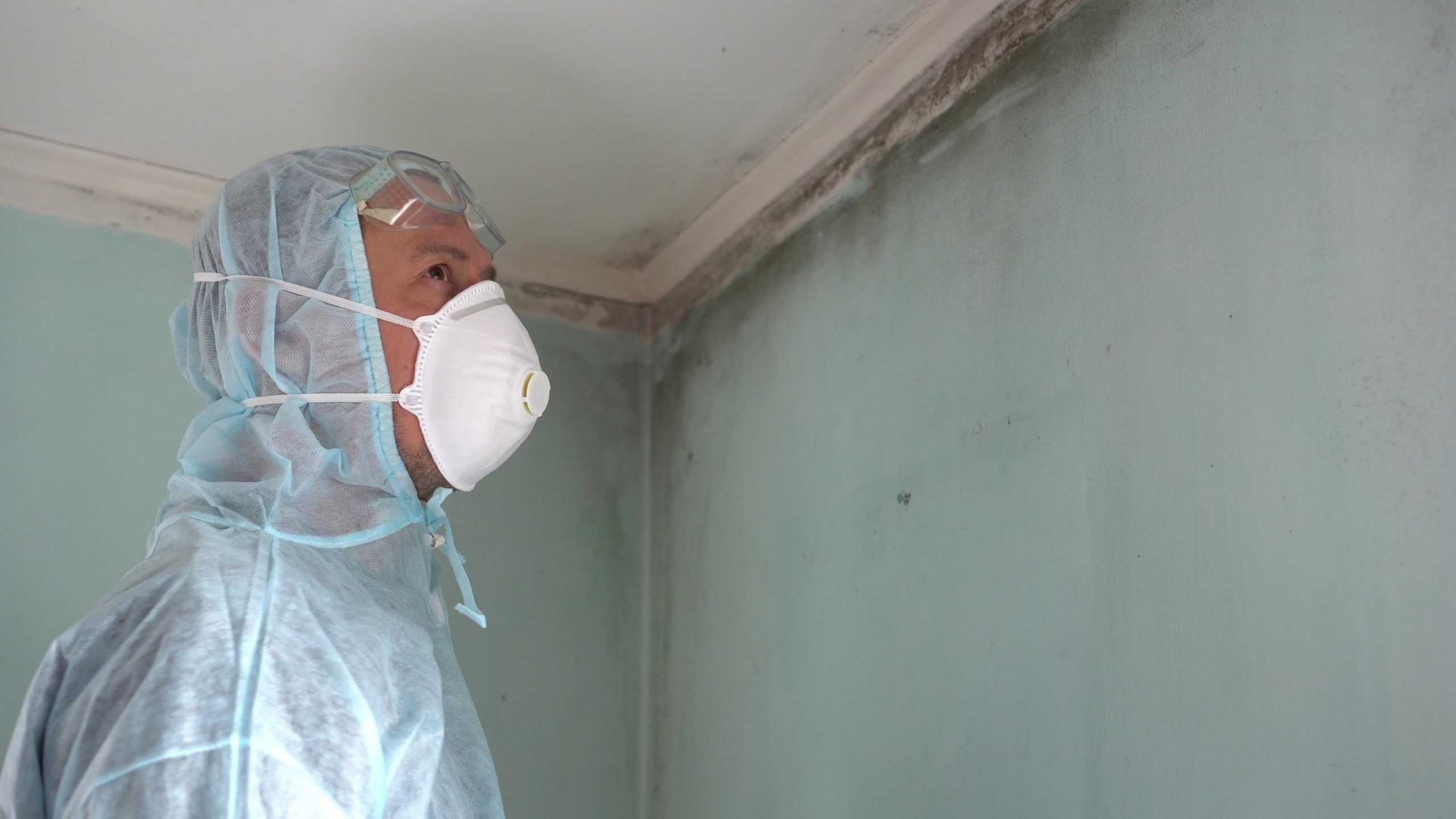
Most professional mold inspections in the Philadelphia area run between $300 and $600 depending on the size of your home and how many samples need to be collected. A typical single-family home in Chestnut Hill usually falls in the $400-$500 range for comprehensive air sampling of all rooms plus any necessary surface or bulk samples.
That cost includes the on-site inspection, sample collection, lab analysis from an EPA-certified facility, and a detailed report with results. Some companies charge extra for same-day service or rush lab processing we don’t. You’ll get your results within 24 hours as part of our standard service.
If testing reveals you need remediation, that’s a separate cost. But testing itself is a one-time expense that either gives you peace of mind or identifies a problem early before it gets expensive. Given that full mold remediation can run several thousand dollars, spending a few hundred on testing first is usually the smarter move.
The most common sign is a musty or earthy smell that doesn’t go away, especially in basements, bathrooms, or areas with poor ventilation. If you smell it but can’t see visible mold, that’s a strong indicator something’s growing behind walls, under flooring, or in your HVAC ducts.
Health symptoms are another red flag. Unexplained respiratory issues, persistent headaches, skin irritation, or allergy-like symptoms that improve when you leave the house can all point to mold exposure. If multiple people in your household are experiencing these issues, testing makes sense.
You should also test after any water damage roof leaks, burst pipes, flooding, or even chronic condensation problems. Mold can establish within 24 to 48 hours after water exposure, and it doesn’t always show visible growth right away. In older Chestnut Hill homes with original plumbing and roofing, small leaks can go unnoticed for months while mold spreads. Testing catches it before it becomes a structural issue.
The on-site inspection and sample collection usually takes one to two hours depending on the size of your home and how many areas need testing. We’re not rushing through it we’re doing a thorough assessment of your property, checking ventilation, looking for moisture sources, and collecting air and surface samples from every room.
Once samples are collected, they go to an EPA-certified lab for analysis. You’ll have results within 24 hours. The report will show mold types identified, spore concentration levels in each room, and whether those levels are elevated compared to outdoor baselines and normal indoor thresholds.
We schedule most inspections same-day or next-day, so from the time you call to the time you have answers is typically 48 hours or less. That’s important because if you do have a mold problem, the sooner you know about it, the sooner you can stop it from spreading. Mold doesn’t wait, and neither should you.
Pennsylvania doesn’t legally require mold testing before remediation, but it’s highly recommended for a few reasons. First, you need to know what you’re dealing with. Not all mold requires professional removal some surface mold can be cleaned with household products. Testing tells you whether you’re dealing with common molds or toxic varieties that need specialized handling.
Second, testing gives you documentation for insurance purposes. If you’re filing a claim related to water damage or mold, your insurer will likely want proof of contamination and professional assessment. A lab report from an EPA-certified facility provides that proof.
Third, testing prevents you from overpaying. Without it, you’re relying on a remediation company to tell you what’s wrong and some will exaggerate the problem to justify a bigger job. Independent testing gives you objective information so you can make informed decisions about what actually needs to be done. In a market like Chestnut Hill where remediation costs can run high, that objectivity is worth the testing fee.
You can buy DIY mold test kits at hardware stores for $10 to $50, but they’re not reliable. Most only test one small area, they don’t give you spore counts or species identification, and the results are often too vague to be useful. You’ll know mold is present which you probably already suspected but you won’t know how much, what kind, or whether it’s actually a problem.
Professional testing uses calibrated air sampling equipment that measures spore concentration across your entire home, not just one spot. The samples go to accredited labs that identify specific mold species and compare your levels to outdoor baselines and health thresholds. That’s the information you need to make real decisions.
Professional inspectors also know where to look. Mold hides in HVAC systems, crawl spaces, behind drywall, and under flooring places a DIY kit won’t reach. In older Chestnut Hill homes with complicated layouts and decades of renovations, finding hidden mold takes experience. If you’re serious about understanding what’s in your home, professional testing is the only option that gives you complete and accurate answers.
If your test results show elevated mold levels, the first step is identifying the moisture source. Mold doesn’t grow without water, so whether it’s a leaking pipe, roof damage, poor ventilation, or foundation seepage, that problem needs to be fixed first. Otherwise, mold will just come back after remediation.
Next, you’ll need professional mold removal if the contamination is widespread or involves toxic species like black mold. Remediation involves containing the affected area, removing contaminated materials, cleaning surfaces with antimicrobial treatments, and improving ventilation to prevent future growth. Depending on the extent of the problem, this can take a few days to a few weeks.
After remediation, post-testing is recommended to confirm mold levels have returned to normal. This gives you documentation that the job was done correctly and your home is safe. In Chestnut Hill, where property values are high and homes are generational investments, having that documentation also protects your resale value. Buyers want proof that mold issues were handled properly post-remediation test results provide that proof.
Other Services we provide in Chestnut Hill