

Hear from Our Customers
You wake up without that musty smell hitting you. Your family stops dealing with those nagging coughs and sneezing fits that seemed to come from nowhere.
The constant worry about what’s growing behind your walls? Gone. Your home’s air quality improves dramatically, and you can actually breathe easy knowing your property value is protected.
No more wondering if that dark spot will spread or if you’re putting your kids at risk. When mold removal is done right, you get your healthy home back – and it stays that way.
We’ve been handling South Philadelphia’s unique mold challenges since 1997. We understand how this city’s humid summers and aging rowhouses create perfect conditions for mold growth.
Philadelphia’s coastal location means more moisture year-round. Add in older homes with poor ventilation, and you’ve got a recipe for mold problems that keep coming back – unless you address the real cause.
We’re certified professionals who follow EPA standards and Pennsylvania regulations. More importantly, we know the difference between covering up mold and actually eliminating it for good.

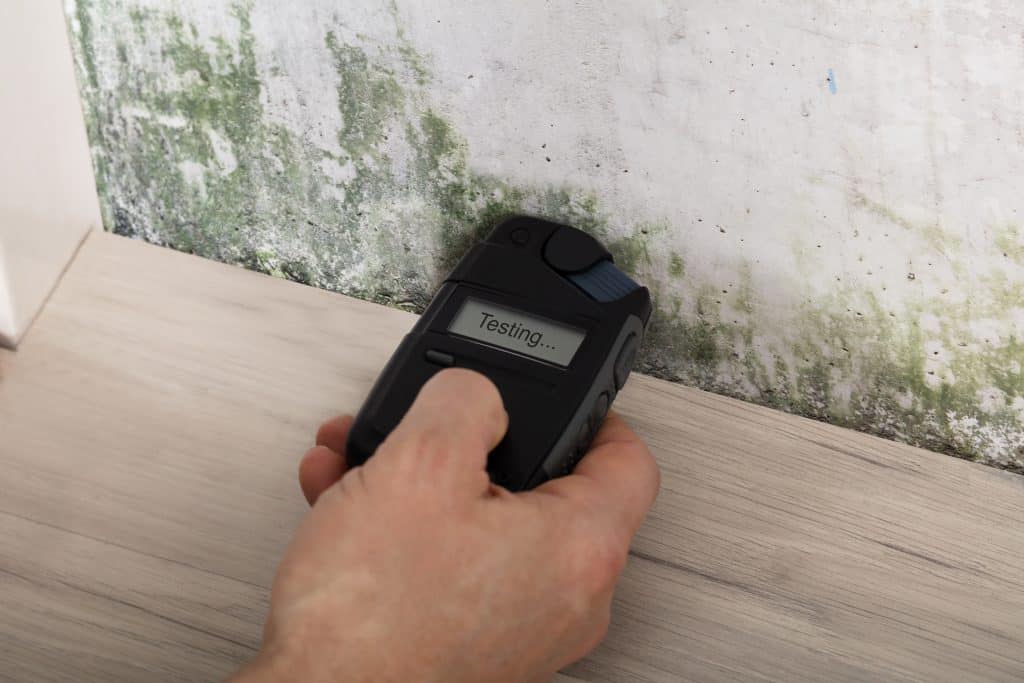
First, we inspect your entire property – not just the obvious spots. We use moisture meters and infrared cameras to find mold hiding behind walls, under floors, and in places you’d never think to look.
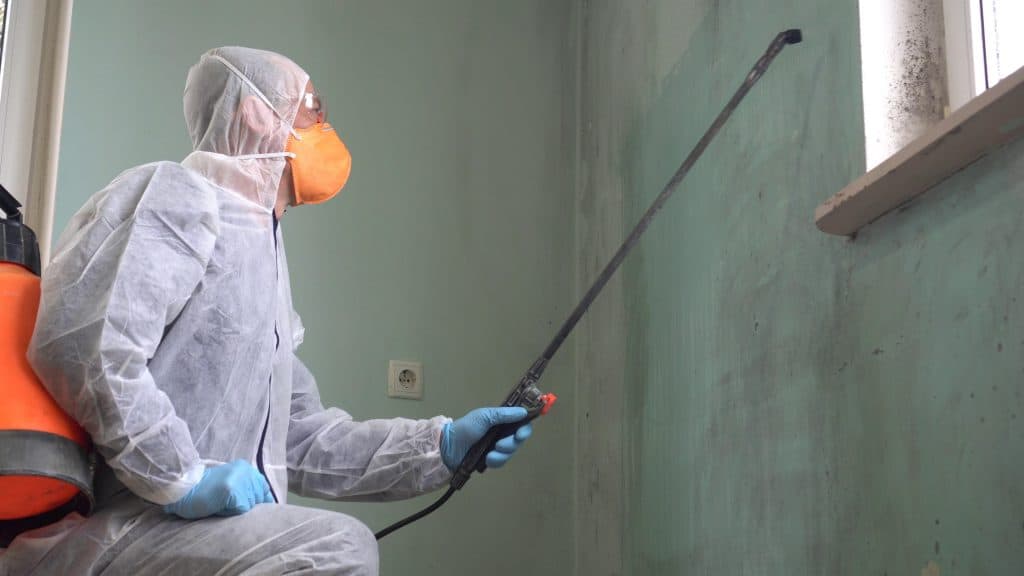
Next, we contain the affected areas to prevent mold spores from spreading during removal. We set up negative air pressure systems and physical barriers to keep the rest of your home clean and safe.
Then comes the actual removal. We don’t just clean surface mold – we eliminate it completely using HEPA-vacuuming, antimicrobial treatments, and specialized equipment. If materials are too damaged, we remove and replace them safely.
Finally, we address the moisture source. Because if we don’t fix what caused the mold, it’ll just come back. This step separates professional mold remediation from quick fixes that fail.
Ready to get started?
Your mold removal includes thorough inspection, complete elimination, air quality testing, and prevention strategies. We handle insurance paperwork and provide detailed documentation throughout the process.
In South Philadelphia’s humid climate, we commonly find mold in basements where condensation builds up, bathrooms with inadequate ventilation, and areas around leaky windows or plumbing. We also find it in HVAC systems, where it can spread spores throughout your entire home.
Local rowhouses built in earlier decades are particularly susceptible due to construction methods and drainage issues common in older Philadelphia neighborhoods. We address everything from small bathroom mold issues to whole-house remediation, giving each job the same attention to detail whether it’s a minor problem or major challenge.
Most South Philadelphia homeowners pay between $1,200 and $3,400 for professional mold removal, with an average around $2,200. The exact price depends on the size of the affected area, type of mold, and how much structural damage has occurred.
Small bathroom or basement issues might cost $500-$1,500, while extensive problems requiring wall removal and HVAC cleaning can reach $5,000 or more. We provide free inspections and upfront estimates so you know exactly what you’re paying before we start.
Many homeowners insurance policies cover mold removal when it’s caused by a covered event like a burst pipe. We work with insurance companies regularly and can help you navigate the claims process to minimize your out-of-pocket costs.
Most residential mold removal projects take 1-5 days, depending on the extent of the problem and areas involved. Simple surface mold in a bathroom might be completed in a day, while basement or attic remediation typically takes 2-3 days.
More complex situations – like mold behind walls or in HVAC systems – can take a week or longer. This includes time for proper drying, multiple cleaning phases, and post-remediation testing to confirm the job is complete.
We’ll give you a realistic timeline during your free inspection. If the work makes parts of your home temporarily unlivable, we’ll help you plan accordingly. The key is doing the job right the first time rather than rushing and having mold return later.
Mold exposure commonly causes respiratory symptoms like coughing, sneezing, and throat irritation. People with asthma or mold allergies may have severe reactions including wheezing, burning eyes, and skin rashes.
Children and elderly family members are particularly vulnerable to mold-related health issues. Some studies link exposure to toxic black mold to more serious problems including lung disorders and neurological damage.
The CDC notes that immune-compromised people and those with chronic lung disease may develop infections from mold exposure. If your family is experiencing unexplained respiratory symptoms that seem worse at home, mold could be the culprit.
Mold returns because Philadelphia’s humid coastal climate creates ideal growing conditions year-round. Our city gets significant rainfall and moisture, especially problematic in older homes with poor ventilation systems.
Many South Philadelphia rowhouses were built before modern moisture control standards. These homes often have inadequate drainage, outdated window seals, and basement moisture issues that create perfect environments for mold growth.
The biggest reason mold comes back is when the moisture source isn’t properly addressed. Surface cleaning removes visible mold but doesn’t fix leaky pipes, humidity problems, or ventilation issues that caused it in the first place.
If you can see or smell mold, you don’t necessarily need testing before removal – you need remediation. The CDC doesn’t recommend mold testing in most cases because health effects vary between people and you can’t rely on sampling to determine health risks.
However, professional testing makes sense when you suspect hidden mold, need documentation for insurance claims, or want to verify that remediation was successful. We use advanced equipment to detect mold behind walls and in areas you can’t see.
Testing also helps identify the specific type of mold present, which determines the best removal strategy. Some mold types require additional safety protocols, especially toxic black mold that poses serious health risks.
South Philadelphia’s location creates a perfect storm for mold growth. We’re in a coastal region with high humidity, frequent precipitation, and abundant greenery that increases moisture levels when it evaporates into the air.
Many local homes were built in earlier decades with construction methods that didn’t account for modern moisture control. Poor drainage around foundations, inadequate ventilation systems, and aging infrastructure create ongoing moisture problems.
The dense urban environment means less air circulation around buildings, and many rowhouses share walls that can transfer moisture problems between properties. Basements are particularly vulnerable due to below-grade construction and limited natural ventilation.
Other Services we provide in South Philadelphia