

Hear from Our Customers
You shouldn’t have to live with musty smells, worry about your family’s health, or wonder if that dark spot will spread. When mold takes hold in Falls homes, it doesn’t just sit there—it grows, spreads, and creates bigger problems every day you wait.
Professional mold removal gives you your peace of mind back. Your air gets cleaner. Those allergy symptoms that have been bothering you and your kids start to fade. Your home stops smelling like a damp basement, even if the mold wasn’t in your basement.
Most importantly, you get the confidence that comes from knowing the problem is actually solved—not just covered up or temporarily cleaned, but eliminated at the source so it won’t come back next season.
We understand what Falls homeowners deal with. Pennsylvania’s humid summers and wet winters create perfect conditions for mold growth, especially in the older homes that make up much of our area.
We’ve seen how basement moisture seeps through foundation cracks after heavy rains. We know which HVAC systems in Falls tend to develop condensation problems. We understand that many homes here have limited ventilation in key areas, creating pockets where mold loves to grow.
This local knowledge matters because effective mold removal isn’t just about cleaning what you can see—it’s about understanding why mold grows in Falls homes and stopping it from coming back.

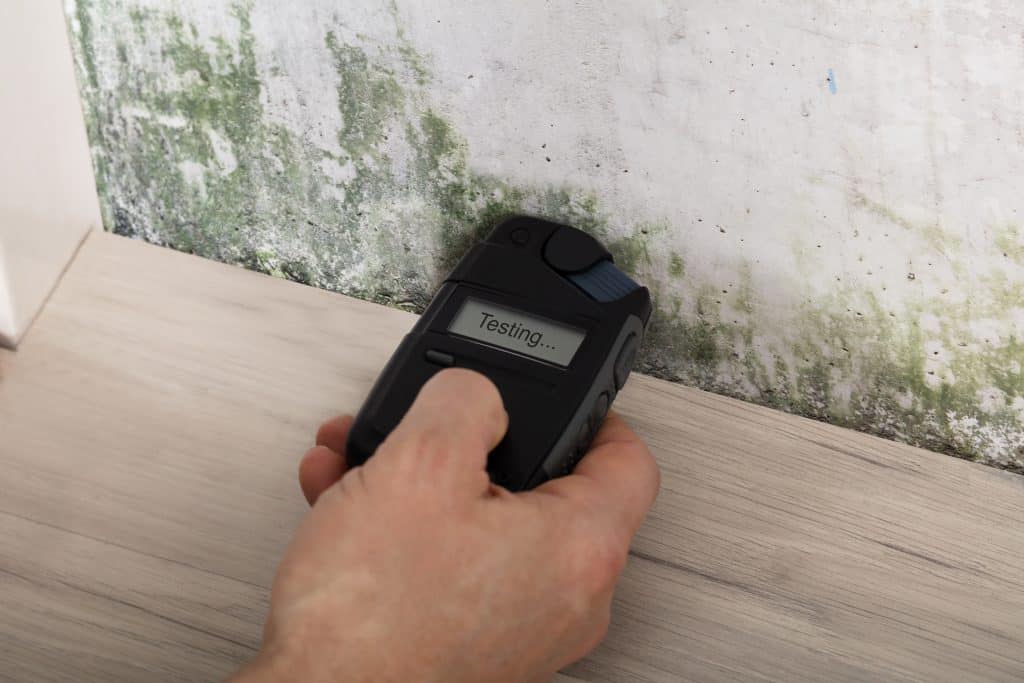
First, we inspect your entire property—not just the obvious spots. Mold hides behind walls, under flooring, and in HVAC systems. We use moisture meters and thermal imaging to find problems you can’t see yet.
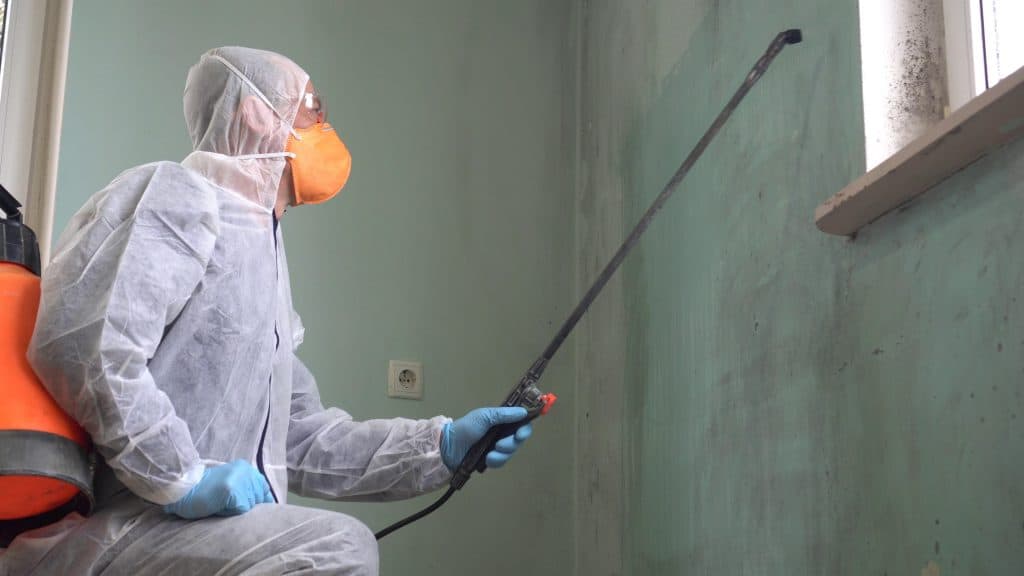
Next, we contain the area to prevent mold spores from spreading during removal. This means sealing off work areas and using negative air pressure systems to keep contaminated air from reaching the rest of your home.
Then comes the actual remediation. We remove contaminated materials that can’t be cleaned, treat surfaces with EPA-approved antimicrobials, and use HEPA filtration to clean the air. Finally, we address the moisture source that caused the problem in the first place—because removing mold without fixing the cause just means you’ll have mold again.
Ready to get started?
Your mold removal includes complete inspection, safe removal of all contaminated materials, treatment of affected surfaces, and air quality restoration. We also provide moisture control recommendations specific to your Falls home’s construction and layout.
Pennsylvania homes face unique challenges. Many houses here were built before modern moisture barriers became standard. Basement humidity is common due to our clay soil and seasonal precipitation patterns. HVAC systems often develop condensation issues during our humid summers.
We address these local factors as part of every job. That might mean recommending better basement ventilation, identifying roof drainage issues, or suggesting dehumidification strategies that work in Pennsylvania’s climate. The goal is eliminating current mold and preventing future growth.
Mold removal costs in Pennsylvania typically range from $1,500 to $3,500, depending on the size and location of the problem. Small areas might cost less, while extensive basement or HVAC system contamination can cost more.
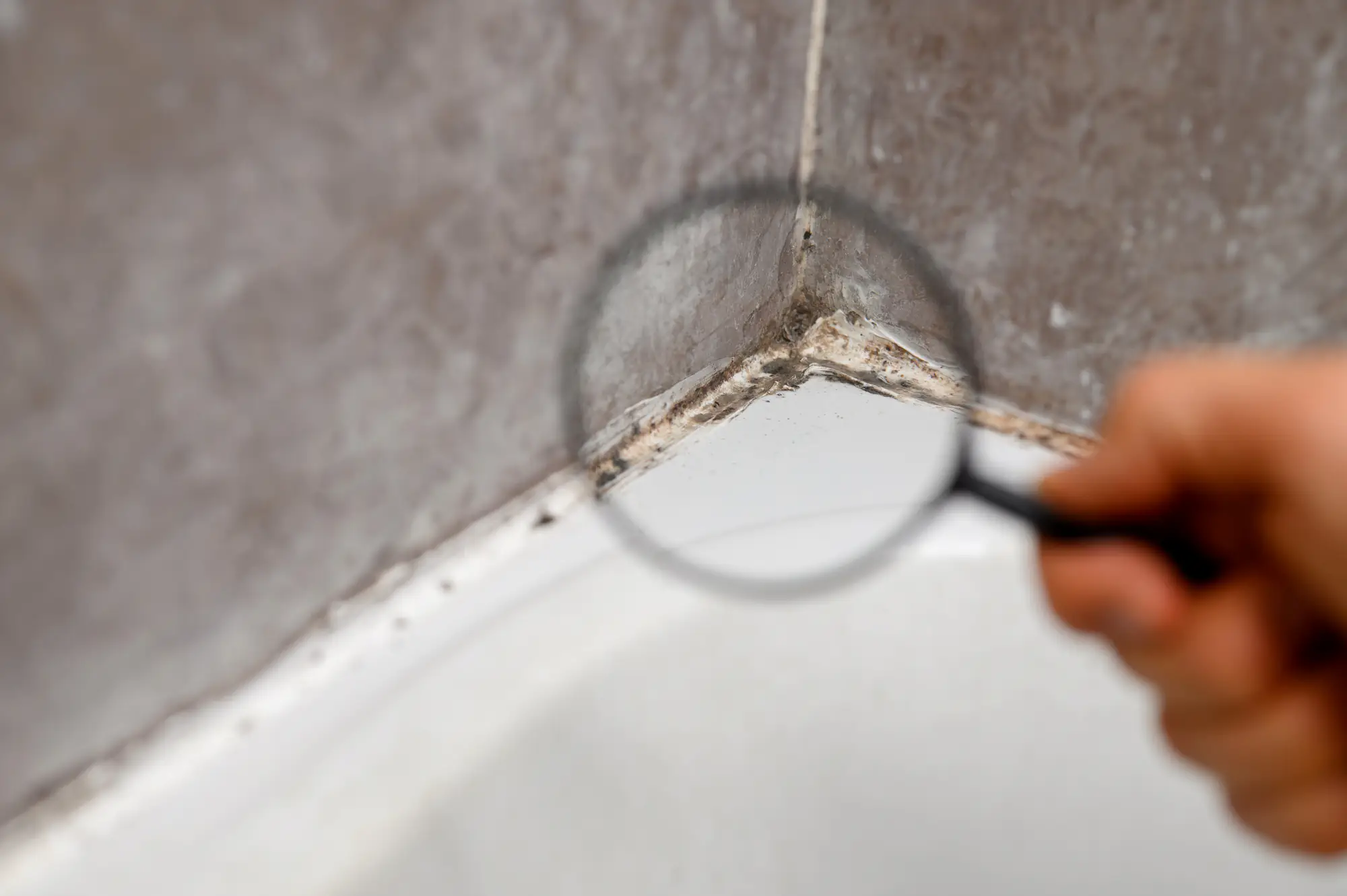
The final price depends on how much mold is present, where it’s located, and what materials need to be removed or treated. Hidden mold behind walls or in ductwork requires more work than surface mold on bathroom tiles.
We provide upfront estimates after inspection so you know exactly what to expect. Most homeowner’s insurance policies cover mold removal when it’s caused by a covered water damage event, and we help with insurance claims to make the process easier.
Most mold removal projects in Falls take 2-5 days, depending on the extent of contamination and the areas affected. Small, contained problems might be completed in one day, while whole-house remediation can take a week or more.
The timeline includes inspection, containment setup, actual removal, air cleaning, and final verification testing. We work efficiently but never rush the process—proper mold removal requires time for containment, drying, and verification.
Weather can affect timing too. Pennsylvania’s humid summers mean longer drying times, while winter work might require additional heating and ventilation. We’ll give you a realistic timeline upfront and keep you updated throughout the process.
Yes, black mold (Stachybotrys) is found in many Pennsylvania homes, especially in basements, bathrooms, and areas with water damage. Our humid climate and older housing stock create ideal conditions for black mold growth.
Black mold needs sustained moisture to grow, which is why it’s often found after leaks, flooding, or in consistently damp areas. It appears as dark, slimy patches and often has a strong musty odor.
While black mold gets a lot of attention, all mold types can cause health problems and should be removed professionally. The key is addressing moisture issues quickly—mold can start growing within 24-48 hours of water damage, so fast response matters.
Small mold patches (less than 10 square feet) can sometimes be cleaned by homeowners, but larger areas or mold in HVAC systems should always be handled by professionals. DIY removal often misses hidden mold and doesn’t address the moisture source.
Professional removal includes proper containment to prevent spreading spores, specialized equipment for complete removal, and identification of moisture sources. We also provide verification testing to confirm the mold is actually gone.
Pennsylvania’s climate means mold problems often involve hidden moisture in wall cavities or basement areas that require professional assessment. Attempting DIY removal on extensive mold can actually make the problem worse by spreading spores throughout your home.
Mold in Falls homes is usually caused by excess moisture from basement seepage, roof leaks, plumbing problems, or high humidity. Pennsylvania’s climate creates additional challenges with humid summers and temperature fluctuations that cause condensation.
Many Falls homes have basements that experience moisture intrusion during heavy rains. Older homes may have foundation issues or inadequate ventilation. HVAC systems can develop condensation problems, especially during humid weather.
The key is controlling moisture at the source. This might mean improving basement waterproofing, fixing roof drainage, upgrading ventilation, or using dehumidifiers. Simply cleaning mold without addressing the moisture source means it will return.
Successful mold removal eliminates visible mold, removes musty odors, and most importantly, addresses the moisture source that caused the problem. Professional remediation includes post-removal air quality testing to verify complete elimination.
You should notice improved air quality within a few days of completion. Allergy symptoms often improve, and the musty smell disappears. The treated areas should stay dry and mold-free if the moisture source was properly addressed.
We provide documentation of our work, including before and after photos and air quality test results. This documentation is important for insurance purposes and gives you confidence that the job was done right. We also provide recommendations for preventing future mold growth.
Other Services we provide in Falls