
Hear from Our Customers
You’re not just getting rid of visible mold. You’re getting your air quality back, protecting your family from respiratory issues, and stopping the problem before it spreads through your walls and floors.
In South Philadelphia’s rowhomes and older properties, mold hides in basements, crawl spaces, and behind walls where humidity builds up year-round. Once it takes hold, it can compromise your home’s structure and your family’s health in less than a week.
When we finish a mold remediation job, you’re not wondering if it’s really gone. You’re breathing easier, sleeping better, and confident that the source of the problem has been identified and eliminated. That’s what matters.
Mack’s Mold Removal has been serving South Philadelphia and the surrounding areas since 2008. We’re not a franchise. We’re a local, owner-operated company, and Jeff is personally involved in every job.
South Philly’s housing stock is unique. Historic rowhomes, brick foundations, unfinished basements, poor ventilation these aren’t just details, they’re the reasons mold keeps coming back when it’s not handled correctly. We know these homes because we’ve been inside hundreds of them.
We offer free inspections, upfront pricing, and we show up when we say we will. No surprises, no upselling, no runaround.
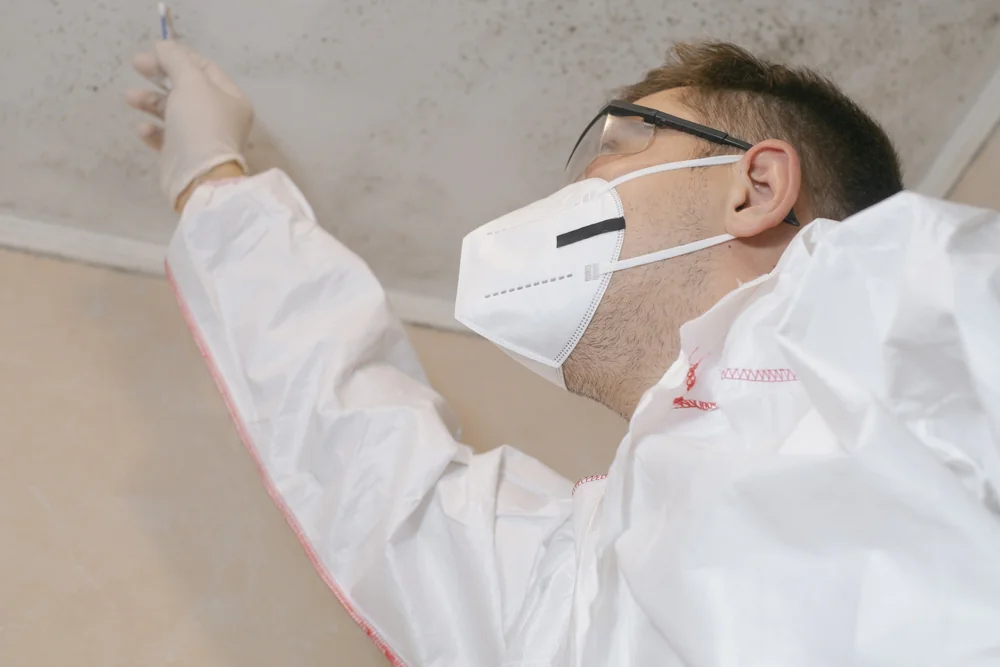
First, we inspect your property not just the visible mold, but the hidden areas where it’s likely growing. That includes wall cavities, behind baseboards, crawl spaces, and anywhere moisture has been sitting. We also conduct air quality testing to measure spore levels and identify the type of mold you’re dealing with.
Next, we contain the affected area to prevent spores from spreading during removal. This is critical. If mold remediation isn’t done with proper containment, you can make the problem worse by releasing spores into the rest of your home.
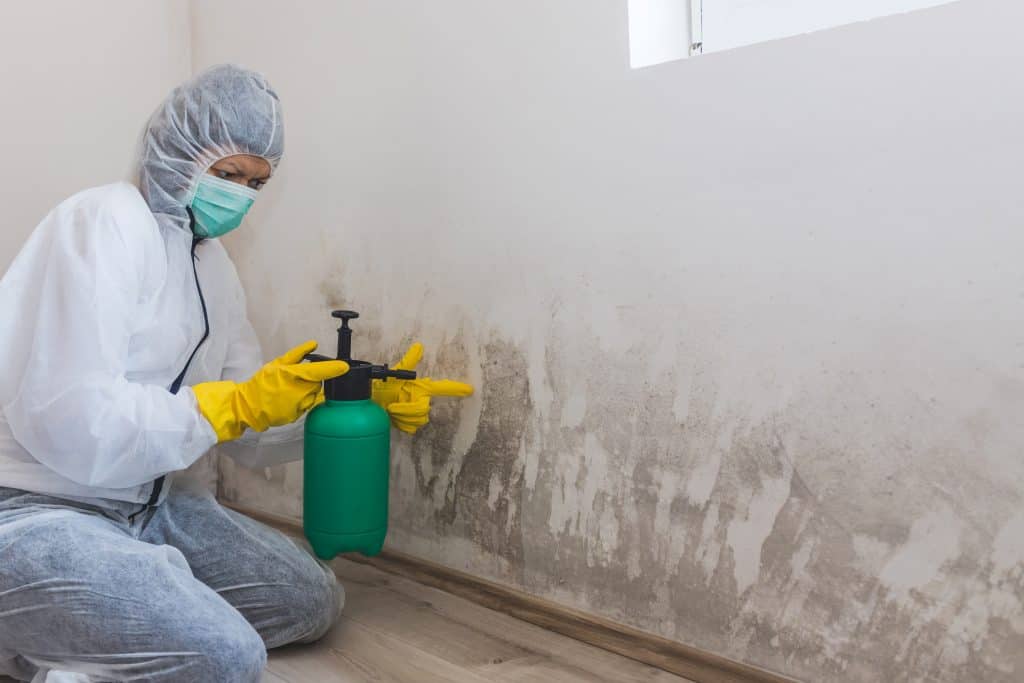
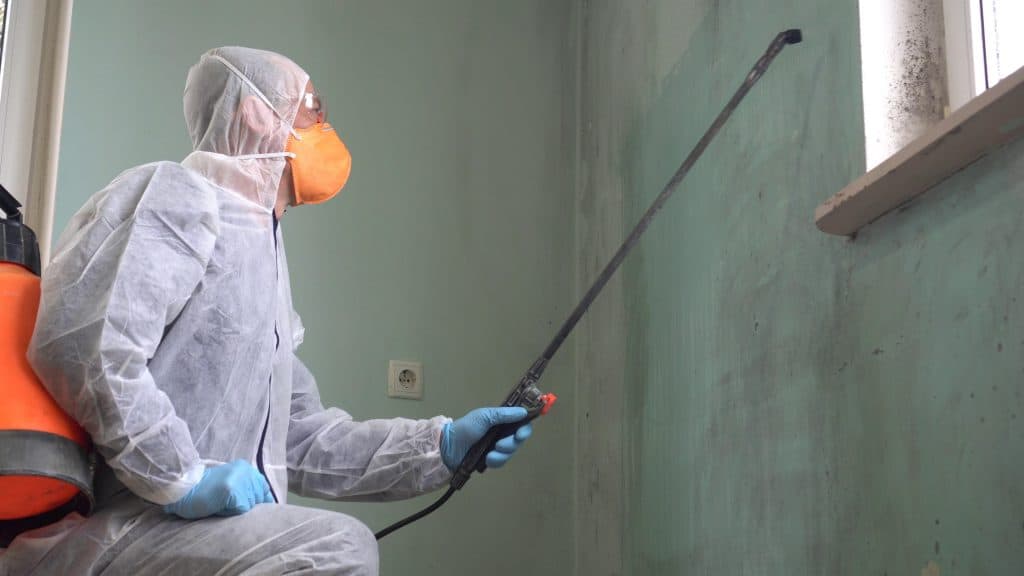
Then we remove the contaminated materials drywall, insulation, flooring, whatever’s been compromised and treat the area with antimicrobial solutions. We don’t just clean the surface. We address the moisture source, whether that’s a leak, condensation, or humidity issue, so the mold doesn’t come back.
Finally, we verify the work with post-remediation testing and handle any necessary repairs or restoration. You’re not left with a gutted room and a list of contractors to call. We finish the job.
Ready to get started?
You get a free initial inspection. We assess the extent of the contamination, identify the moisture source, and give you an upfront estimate before any work begins. No hidden fees, no pressure.
Our mold testing services include air quality analysis and surface sampling. This tells us what kind of mold you’re dealing with and how far it’s spread. In South Philadelphia, where humidity levels regularly exceed 60% during summer months and older homes trap moisture in basements and crawl spaces, testing is the only way to know what you’re really up against.
We also handle insurance claims. If your mold problem is covered, we’ll work directly with your insurance company to document everything and simplify the process. You’re already stressed you shouldn’t have to fight with your insurer on top of it.
And if you need it, we provide mold growth prevention strategies. That might mean better ventilation, dehumidification, waterproofing, or structural repairs. The goal isn’t just to remove mold. It’s to make sure it doesn’t come back.
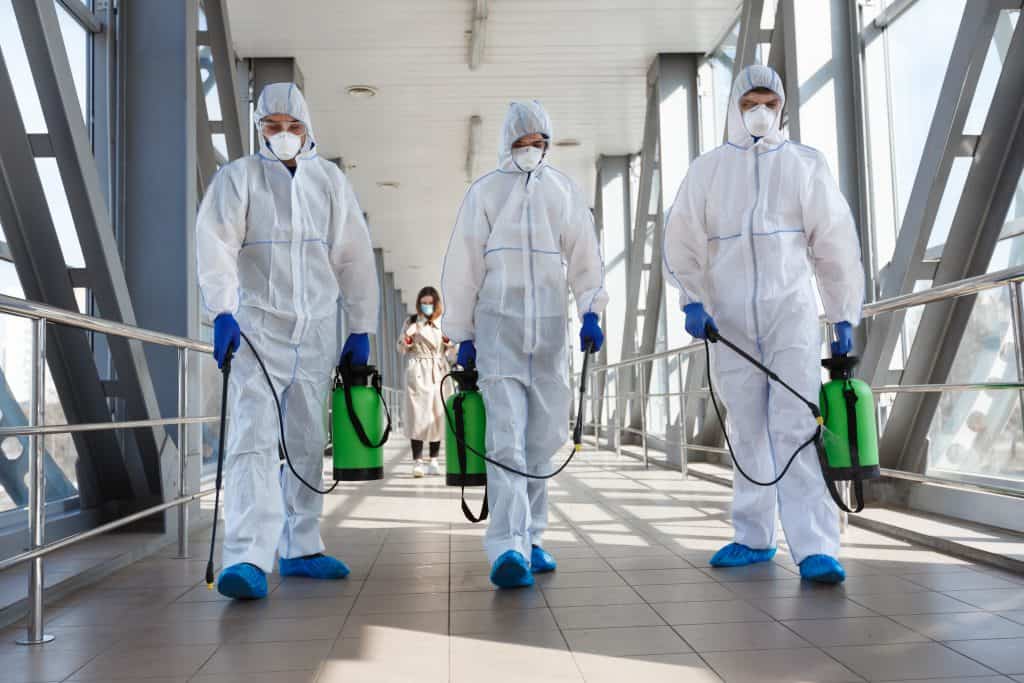
Mold can start growing within 24 hours of water exposure. That’s not a worst-case scenario that’s typical. If your basement flooded, your roof leaked, or a pipe burst, the clock is already ticking.
Within 48 to 72 hours, mold colonies begin to spread. By the end of the first week, spores are circulating through your HVAC system and settling on furniture, clothing, and other surfaces. At that point, you’re not dealing with a small patch of mold anymore. You’re dealing with contamination that’s taken root in your walls, floors, and air ducts.
This is why we offer 24/7 emergency response. The faster you act, the less damage you’ll have to repair and the lower your remediation costs will be. Waiting doesn’t make it cheaper. It makes it worse.
If it’s a tiny spot on a non-porous surface like a little mold on a bathroom tile you can probably handle it with bleach and a scrub brush. But if the mold covers more than a few square feet, if it’s on drywall or wood, or if you’re seeing it in multiple places, don’t try to DIY it.
Here’s why: mold removal without proper containment spreads spores throughout your home. You might clean what you can see, but you’re making the air quality worse and potentially exposing yourself to harmful particles. Black mold and other toxic varieties can cause serious respiratory issues, especially if you’re disturbing large colonies without protective equipment.
Professional mold remediation includes containment barriers, HEPA filtration, antimicrobial treatments, and moisture control not just surface cleaning. We also identify the source of the problem, which is something a bottle of bleach can’t do. If you don’t fix the underlying moisture issue, the mold will just come back.
It depends on the size of the affected area, the type of mold, and how much structural damage has occurred. A small bathroom mold issue might cost a few hundred dollars. A full basement remediation with drywall removal, air duct cleaning, and waterproofing could run several thousand.
We give you an upfront estimate after the free inspection. You’ll know what the job costs before we start, and we honor that price. No surprise charges, no inflated invoicing after the fact.
In many cases, homeowners insurance will cover mold remediation if it’s the result of a sudden event like a burst pipe or storm damage. We help with the claims process and provide all the documentation your insurer needs. If your policy covers it, that can significantly reduce your out-of-pocket cost. If it doesn’t, we’ll work with you to find a solution that fits your budget without cutting corners on safety or quality.
Mold releases spores and mycotoxins into the air, and when you breathe them in, they can trigger allergic reactions, asthma attacks, and respiratory infections. Symptoms include coughing, wheezing, throat irritation, nasal congestion, and skin rashes. For people with compromised immune systems, chronic lung conditions, or mold allergies, the effects can be severe.
Black mold technically called Stachybotrys chartarum is particularly concerning because it produces mycotoxins that can cause more serious health issues with prolonged exposure. But even common household molds like Aspergillus and Penicillium can make you sick if the concentration is high enough.
Kids, elderly family members, and anyone with asthma or allergies are especially vulnerable. If you’re noticing unexplained health symptoms that get better when you leave the house, mold could be the cause. Indoor air quality testing can confirm whether mold spores are present at dangerous levels, and remediation can eliminate the source before it causes long-term health problems.
Mold needs moisture to grow, so the key to prevention is controlling humidity and fixing water problems immediately. In South Philadelphia, where summer humidity regularly exceeds 60% and older homes have poor ventilation, that’s easier said than done but it’s not impossible.
Start by keeping indoor humidity below 50%. Use dehumidifiers in basements and crawl spaces, especially during humid months. Make sure your HVAC system is working properly and that bathrooms and kitchens have exhaust fans that vent outside, not into the attic.
Fix leaks as soon as you notice them. That includes roof leaks, plumbing leaks, and foundation cracks that let water seep into your basement. If you’ve had water damage, dry everything out within 24 to 48 hours. Don’t let wet carpet, drywall, or insulation sit mold will start growing before you realize it’s a problem.
We also recommend regular inspections, especially if you live in an older rowhome or a property with a history of moisture issues. Catching mold early means you’re dealing with a small fix instead of a major remediation project.
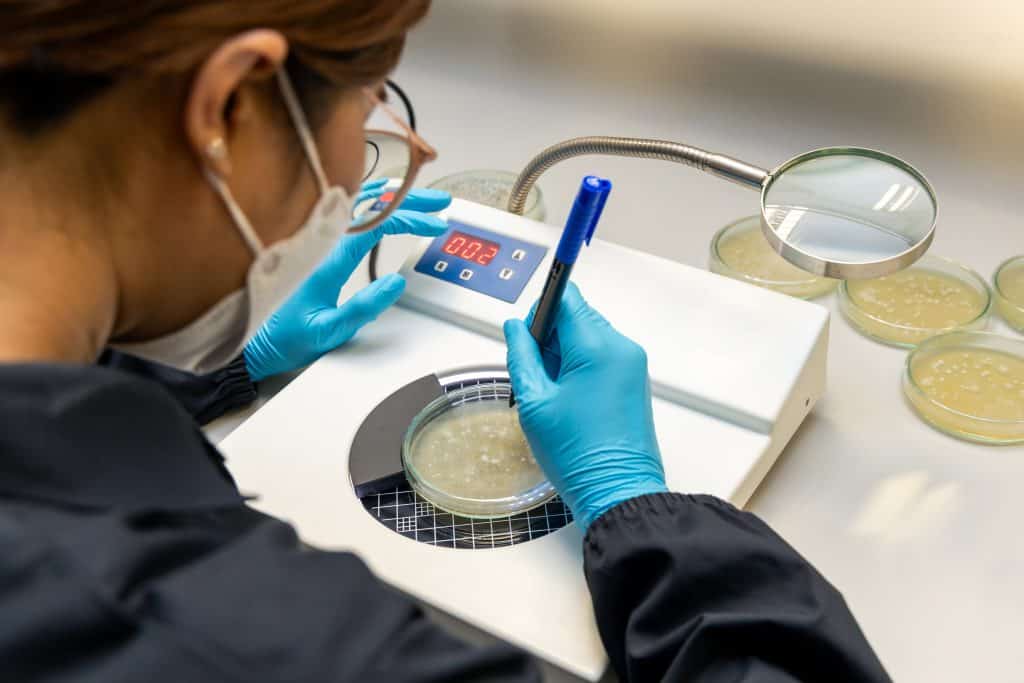
We offer both. Mold testing is part of our process because you can’t treat what you don’t understand. We conduct air quality testing to measure spore levels and surface sampling to identify the type of mold present. That tells us how extensive the contamination is and whether you’re dealing with a toxic variety that requires extra precautions.
Testing also gives us a baseline so we can verify that remediation was successful. After we’ve completed the removal and treatment, we retest the air to confirm that spore levels are back to normal. You’re not taking our word for it you’re seeing the results in black and white.
Some companies skip testing to save time or keep costs down, but that’s a mistake. Without testing, you don’t know if the mold is really gone or if there’s hidden growth you haven’t found yet. We test first, remediate thoroughly, and test again. That’s how you know the job was done right.
Other Services we provide in South Philadelphia