
Hear from Our Customers
You stop worrying every time someone coughs. The musty smell disappears from your basement. Your kids can play in rooms you’ve been avoiding for months.
That’s what complete mold remediation looks like. Not just scrubbing visible spots and hoping for the best. We’re talking about air quality that passes lab testing, moisture sources identified and fixed, and containment protocols that keep spores from spreading to clean areas while we work.
You get documentation for your insurance company. You get before-and-after readings that prove the job’s done right. And you get a home where you’re not second-guessing the air you’re breathing or wondering if that headache is from mold exposure.
Most Old City homeowners call us after they’ve already tried bleach, fans, and crossing their fingers. By then, the mold’s usually behind walls or under flooring. We find it, remove it, and show you why it grew there in the first place so you’re not dealing with this again next year.
We’ve spent over 15 years working in Old City’s colonial-era rowhomes, converted warehouses, and brick townhouses. We know where water hides in 200-year-old foundations. We’ve seen what happens when modern HVAC systems meet original plaster walls.
That experience matters when you’re dealing with historic construction. Your home wasn’t built with vapor barriers or central air in mind. Moisture moves differently here than it does in newer builds, and cookie-cutter solutions don’t work.
We’re licensed, insured, and we follow IICRC standards on every job. Our team responds same-day for emergencies because mold spreads fast in Philadelphia’s humidity. You’ll work with people who’ve handled hundreds of Old City properties and can explain what’s happening in your walls without the runaround.
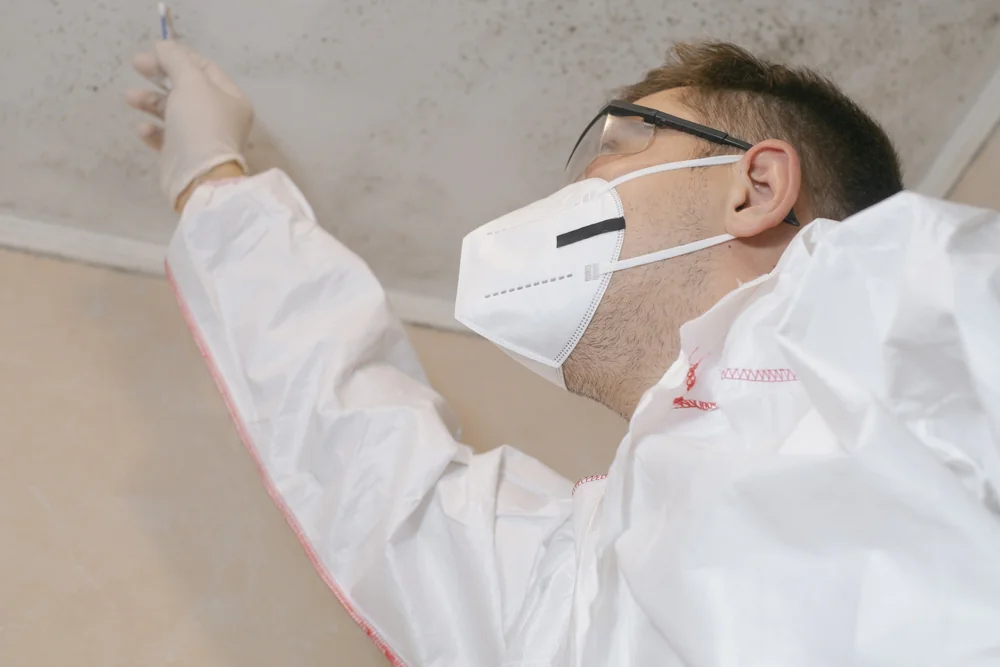
First, we inspect your property with thermal imaging cameras and moisture meters. These tools show us temperature differences and humidity levels behind surfaces where mold grows hidden. We’re looking for the source, not just the symptoms.
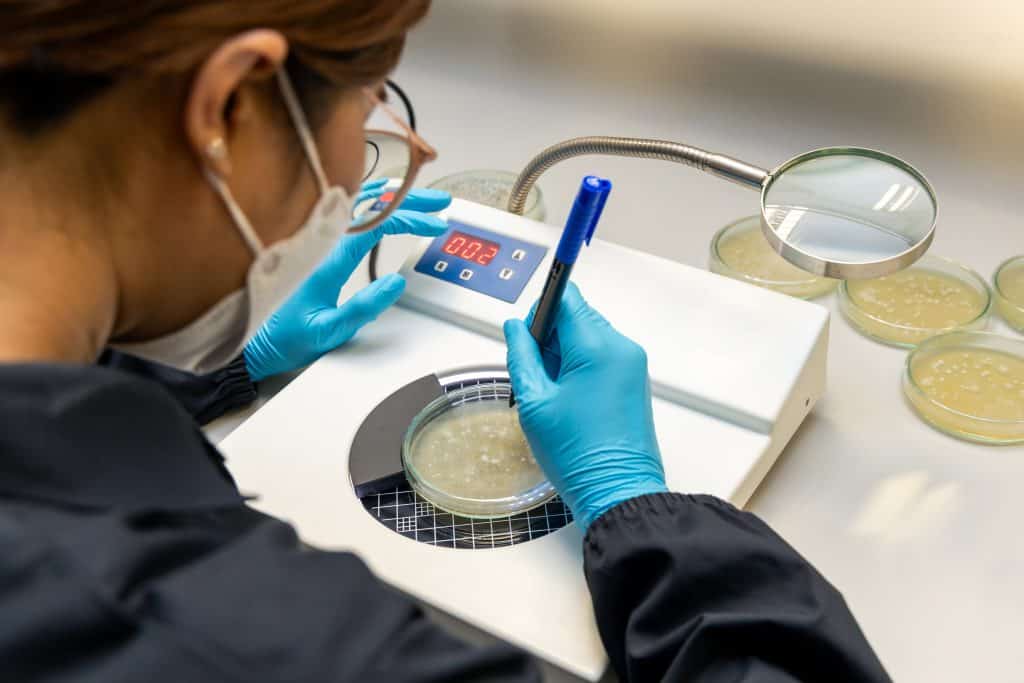
Next, we collect air and surface samples for laboratory analysis. This isn’t optional guesswork. Lab results tell us exactly what type of mold you’re dealing with and how concentrated the spore levels are. You get those results in 3-7 days with our interpretation of what they mean for your home.
Then we contain the affected area with physical barriers and negative air pressure. This keeps mold spores from spreading to clean rooms while we remove contaminated materials. We’re not tracking this problem through your whole house.
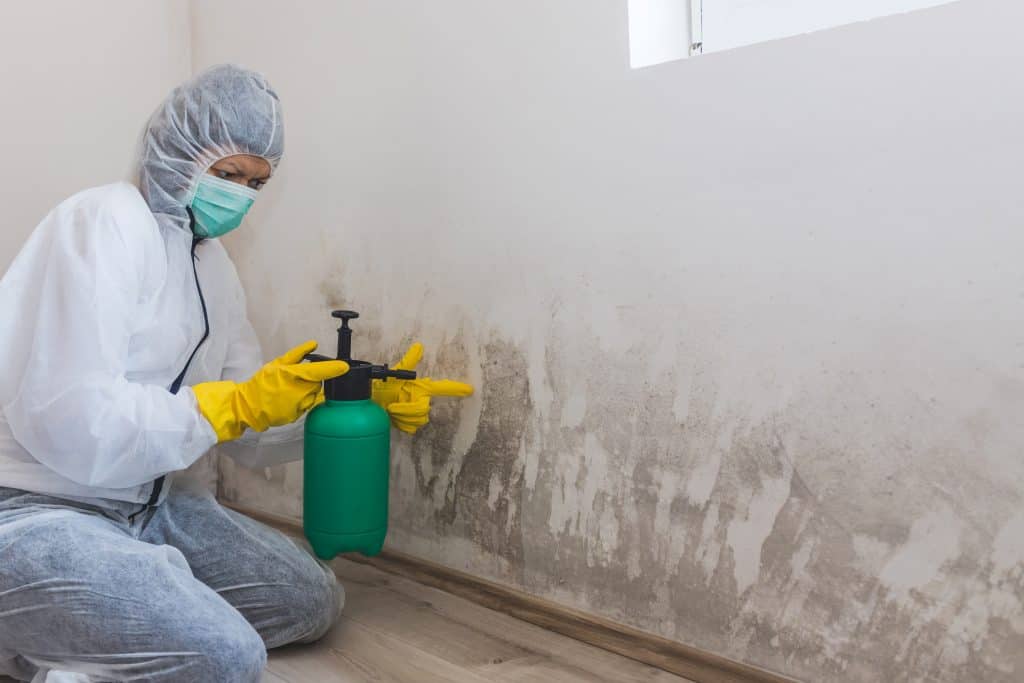
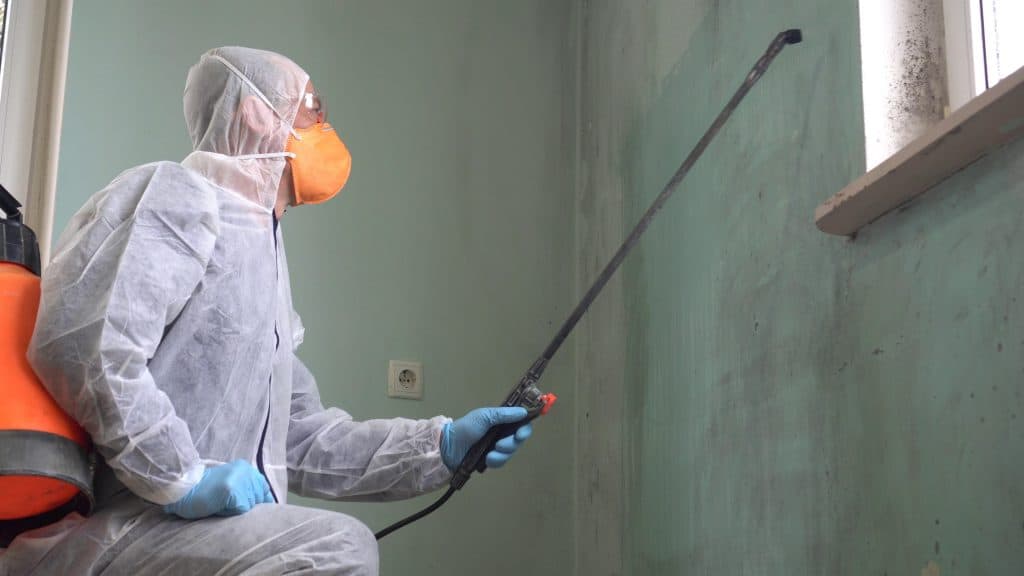
The actual removal involves HEPA vacuuming, antimicrobial treatment, and disposing of materials that can’t be saved. We remove drywall, insulation, or flooring only when necessary. If something can be cleaned and treated safely, we’ll tell you.
Finally, we fix the moisture problem. That might mean sealing foundation cracks, improving ventilation, or redirecting water away from your home. If we don’t address why the mold grew, you’ll be calling someone again in six months.
Ready to get started?
You get a free initial inspection where we assess the scope of your mold problem and give you a clear estimate before any work starts. No surprises, no upselling once we’re on site.
Our service includes laboratory testing through certified labs, complete containment setup, removal of contaminated materials, HEPA air filtration during the job, antimicrobial treatment of affected surfaces, and moisture source identification. We also provide detailed documentation with photos and lab reports for your insurance claim.
Old City homes face specific challenges. Your brick foundations absorb groundwater. Your flat roofs collect standing water. Your basement stays damp because it was dug in the 1700s without modern waterproofing. We’ve worked in enough of these properties to know where problems hide and how to prevent them from coming back.
Most mold remediation projects here run between $2,000 and $8,000 depending on the extent of growth and how much material needs removal. We work with your insurance company to document everything properly. Many policies cover mold if it resulted from a sudden event like a burst pipe or roof leak.
You’ll also get recommendations for preventing future growth. Sometimes that’s as simple as running a dehumidifier. Other times it means addressing drainage issues or improving attic ventilation. We’ll tell you what actually matters for your specific property.
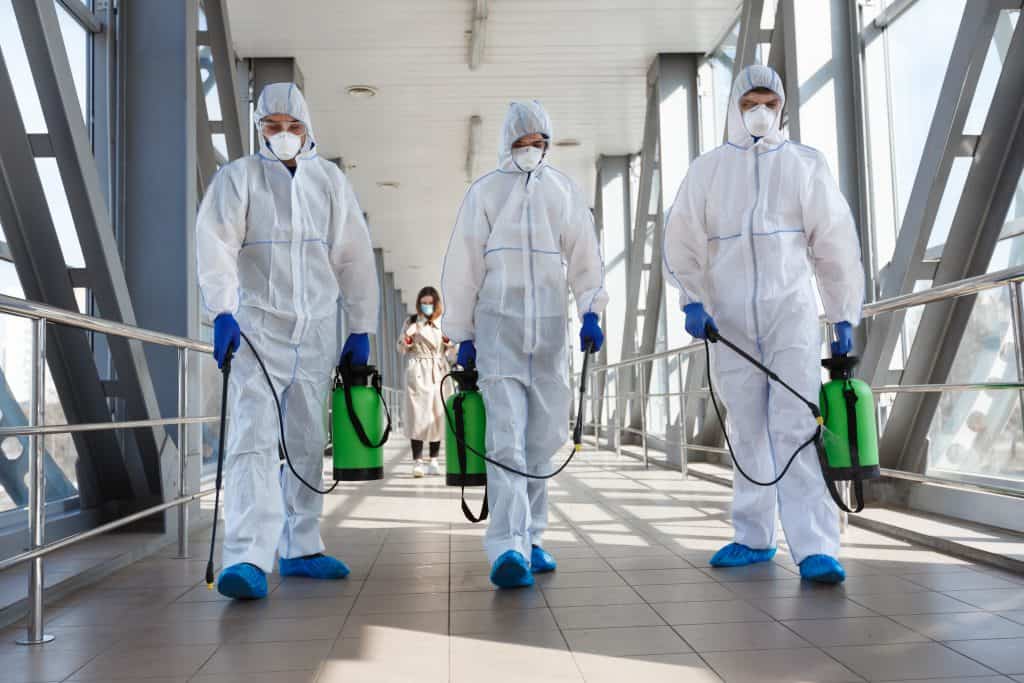
We offer same-day response for mold emergencies throughout Old City and the surrounding Philadelphia area. When you call, you’ll speak with someone who can dispatch a technician immediately, not an answering service that takes messages.
Speed matters because mold spreads rapidly in the right conditions. Within 24-72 hours of water exposure, spores can colonize and start releasing more spores into your air. The faster we contain the problem, the less material we have to remove and the lower your total remediation cost.
Our emergency service includes initial assessment, moisture readings, temporary containment if needed, and a clear plan for next steps. We’ll tell you right away if this is something that needs immediate remediation or if it can wait a few days for scheduling. You won’t get pressured into unnecessary emergency pricing if your situation doesn’t require it.
Most homeowners insurance policies in Pennsylvania cover mold remediation if the mold resulted from a covered peril like a sudden pipe burst, appliance leak, or storm damage. They typically won’t cover mold from long-term neglect, humidity, or maintenance issues.
Your policy likely has a cap on mold coverage, usually between $10,000 and $50,000. Some older policies cap it at $1,000-$5,000. We recommend checking your specific policy limits before starting work.
We help with the insurance process by providing detailed documentation, photos, moisture readings, and lab results that prove the extent of contamination. We can also communicate directly with your adjuster if needed. Our estimates break down costs clearly so your insurance company understands exactly what work is necessary versus optional. Many of our Old City clients get at least partial coverage even when they weren’t sure they would.
We use thermal imaging cameras that detect temperature differences behind surfaces. Mold growth and moisture create cooler spots that show up clearly on thermal scans. These cameras let us see problem areas without tearing into walls randomly.
We also use digital moisture meters that measure humidity levels inside building materials. If your drywall or flooring is reading above 16% moisture content, there’s likely mold growth even if you can’t see it yet. High readings tell us exactly where to investigate further.
Air sampling is another tool we use. Elevated spore counts in your indoor air often indicate hidden mold colonies somewhere in the property. We compare indoor air samples to outdoor baseline levels. If your indoor spore count is significantly higher, we know there’s an active source releasing spores even if it’s not visible. This combination of tools gives us an accurate picture without unnecessary demolition.
Aspergillus and Penicillium species are the most common molds we find in Old City properties. They thrive in the damp conditions created by brick foundations, poor ventilation, and Philadelphia’s humid climate. These molds appear as green, blue, or white fuzzy growth.
Stachybotrys, commonly called black mold, shows up less frequently but usually indicates serious water damage. It grows on materials with high cellulose content like drywall and wood when they stay wet for extended periods. Black mold looks dark and slimy rather than fuzzy.
Cladosporium is another frequent find, especially in attics and around windows. It tolerates cooler temperatures and often grows where condensation forms. The specific type of mold matters because some species produce more harmful mycotoxins than others and require different treatment approaches. That’s why we always send samples for lab identification rather than guessing based on appearance. You need to know exactly what you’re dealing with to remediate it properly.
Most residential mold remediation projects in Old City take 2-5 days from start to finish. Small, contained areas like a bathroom or closet might only take one day. Larger projects involving multiple rooms or extensive material removal can take a week or more.
The timeline depends on how much mold growth exists, what materials are affected, and how long containment needs to stay in place. We can’t rush the drying process. After we remove contaminated materials and treat surfaces, the area needs to dry completely before reconstruction starts. That usually takes 24-48 hours with commercial dehumidifiers and air movers running.
Lab testing adds 3-7 days to your overall timeline, but we typically collect samples before starting remediation work. That way, results come back while we’re working or shortly after we finish. You’ll know the exact spore levels and species before we close up walls. We also recommend post-remediation testing to confirm the air quality is back to normal levels. Most homeowners want that proof before they consider the job complete.
It depends on the size and location of the mold problem. For small, contained projects in one room, you can usually stay in your home as long as we maintain proper containment. We seal off the work area with plastic barriers and run negative air machines to prevent spores from spreading to occupied spaces.
Larger projects or mold in your HVAC system often require you to stay elsewhere temporarily. If spores are circulating through your ventilation system, containment becomes much harder. We’ll tell you honestly during the inspection whether staying is safe or if you should plan to be out for a few days.
People with asthma, allergies, compromised immune systems, or young children should consider staying elsewhere regardless of project size. Even with containment, remediation disturbs mold colonies and temporarily increases spore levels in the air. We prioritize your health over convenience. If there’s any question about safety, we’ll recommend you stay with family or in a hotel until the work is complete and air quality is verified through post-testing.
Other Services we provide in Old City