
Hear from Our Customers
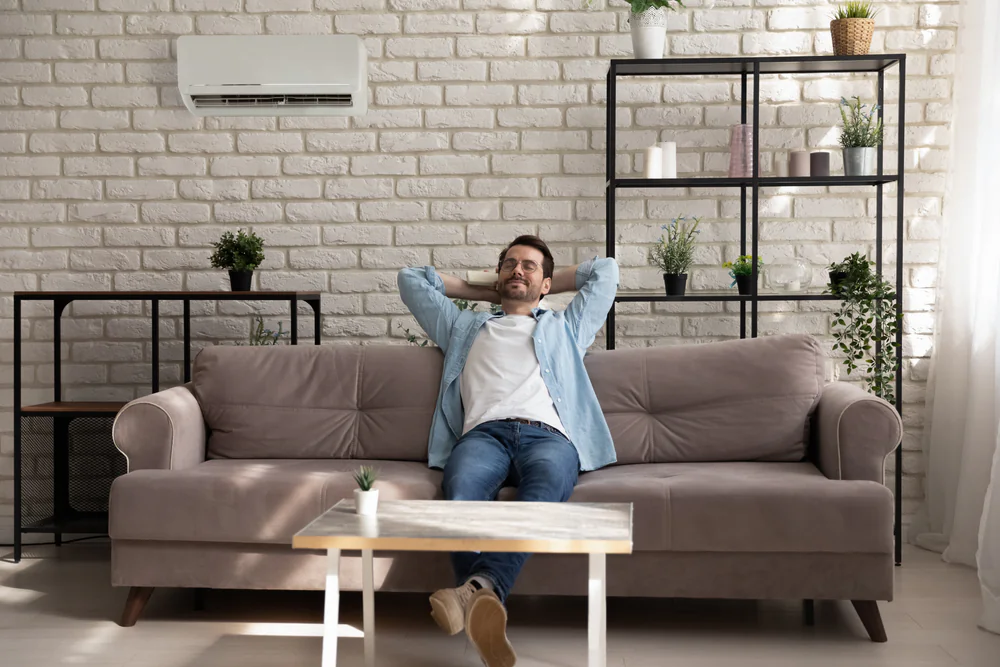
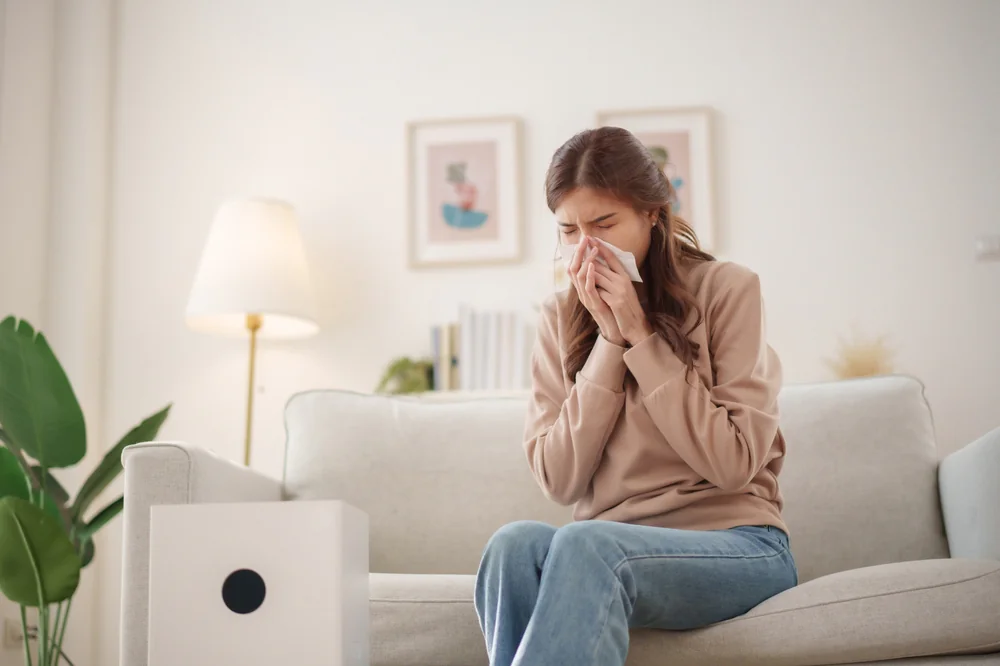
You’re not imagining it. Those headaches, the constant stuffiness, the allergies that won’t quit—they’re real, and they might be coming from what you’re breathing inside your own home.
Indoor air can hold up to five times more pollutants than outdoor air. Mold spores, dust mites, pet dander, and other microscopic particles circulate through your HVAC system and settle into every room. You can’t see them, but they’re there.
A professional air quality test tells you exactly what’s in your air. We use specialized equipment to capture samples, analyze them in a lab, and give you a detailed report that explains what we found and what it means for your health. No guessing. No assumptions. Just real data about the air your family breathes every day.
If there’s a problem, you’ll know what it is and how to fix it. If your air is clean, you’ll have peace of mind. Either way, you’re making decisions based on facts, not fear.
Old City’s mix of colonial-era rowhomes and modern construction creates unique air quality challenges. Aging foundations, outdated ventilation, and Philadelphia’s humid climate all contribute to moisture problems that lead to mold growth and poor indoor air quality.
We’ve been testing and treating homes throughout Old City and the surrounding areas for years. We understand how 18th-century buildings behave differently than newer construction, and we know where problems hide in both.
When you call us, you’re working with people who’ve seen it all—from basement seepage in historic properties to HVAC condensation issues in renovated spaces. We’re not here to upsell you or create problems that don’t exist. We’re here to test your air, give you honest results, and help you figure out what to do next.
We start with a visual inspection of your property. We’re looking for visible signs of moisture, mold growth, water damage, or ventilation issues. We check basements, attics, crawl spaces, and anywhere else that might affect your indoor air quality.
Next, we use professional-grade air sampling equipment to capture what’s actually floating around in your home. We place samplers in multiple locations to get an accurate picture of your air quality throughout the property. These devices collect microscopic particles that get sent to a certified lab for analysis.
We also use moisture meters and infrared cameras to identify hidden water intrusion or dampness that could be feeding mold growth behind walls or under floors. These tools let us see problems you can’t.
Within a few days, you’ll receive a detailed report that breaks down exactly what was found in your air samples. We’ll walk you through the results in plain language, explain what they mean for your health, and recommend specific next steps if action is needed. If remediation is necessary, we’ll give you a clear plan. If your air is fine, we’ll tell you that too.
Ready to get started?
Every residential air quality testing service includes a thorough property assessment, professional air sampling in multiple locations, and lab analysis of all samples collected. You’ll get a comprehensive report that identifies mold spores, allergens, dust mites, and other airborne contaminants.
Old City homes face specific challenges. The area’s colonial architecture often means limited airflow, aging building materials, and foundations that weren’t built with modern moisture barriers. Add Philadelphia’s coastal humidity and frequent rainfall, and you’ve got conditions where mold thrives. Many historic rowhomes have basements that stay damp year-round, and older HVAC systems can spread contaminated air instead of filtering it.
We also provide moisture mapping using infrared technology to find hidden water sources that compromise air quality. If we detect elevated mold levels or other contaminants, we’ll explain exactly where they’re coming from and what’s causing them to accumulate.
After remediation work is complete—whether it’s done by us or another company—we offer clearance testing to verify that your air quality has returned to safe levels. This documentation protects your family, satisfies insurance requirements, and gives you proof that the problem was actually solved.
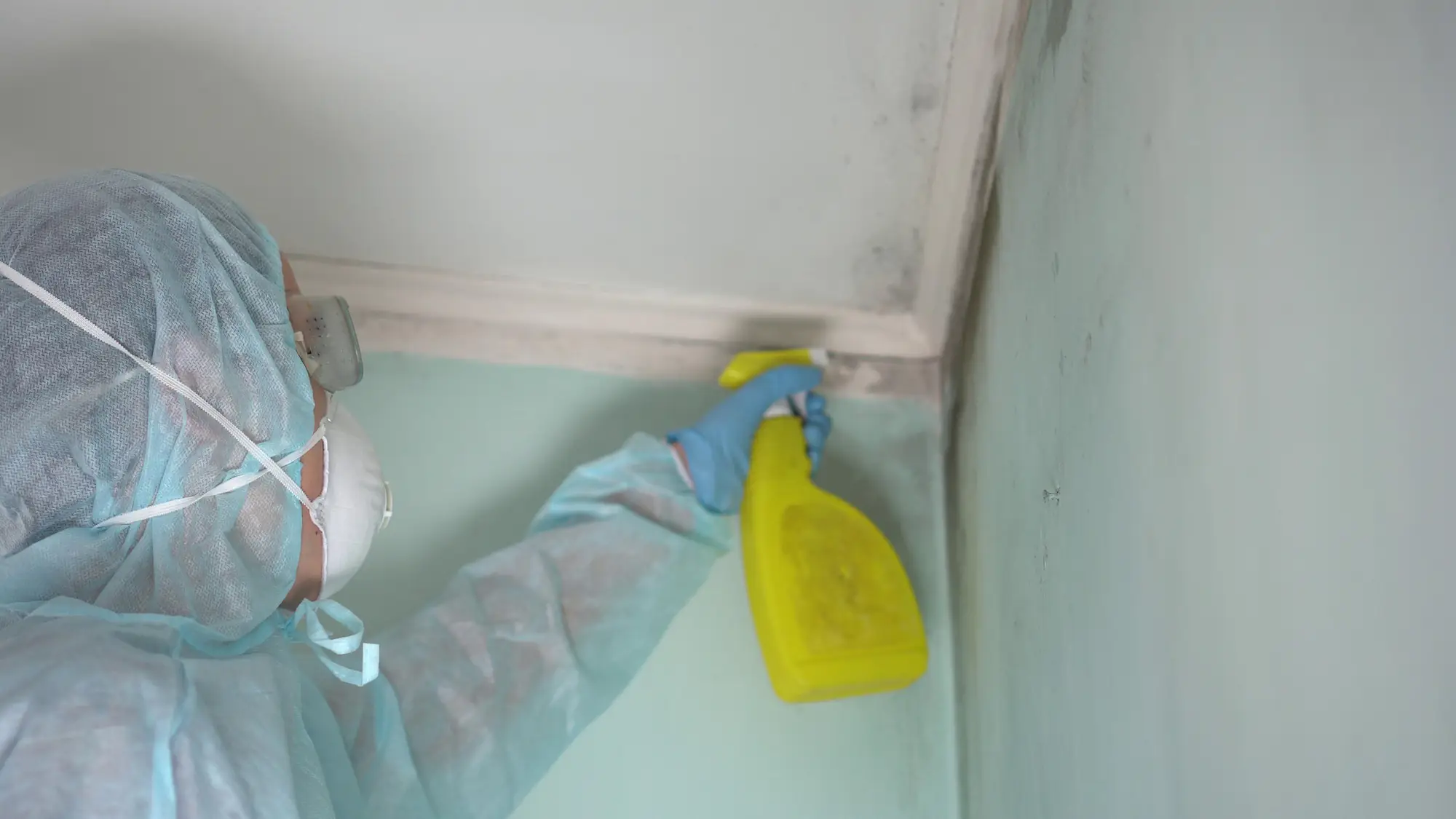
Most professional air quality tests in the Philadelphia area run between $250 and $300. The exact cost depends on the size of your property and how many air samples you need.
For a typical Old City rowhome, you’re looking at sampling the main living areas, basement, and upper floors. Larger properties or homes with specific problem areas may require additional samples to get accurate results.
That price includes the on-site inspection, professional air sampling equipment, lab analysis, and a detailed report of findings. If you need moisture mapping with infrared cameras or additional surface testing, that may add to the cost. We’ll give you a clear quote before we start any work so there are no surprises.
A professional indoor air quality test identifies mold spores, allergens, dust mites, pet dander, and other airborne particles that affect your health. Lab analysis tells us not just that something is present, but what type it is and how much of it you’re breathing.
For mold specifically, we can identify the species and concentration levels. Some molds are relatively harmless. Others produce toxins that cause serious respiratory problems, headaches, and fatigue. Knowing which type you’re dealing with determines how urgently you need to act.
We’re also looking for signs of poor ventilation, excess humidity, and conditions that allow contaminants to build up over time. The test results show you a complete picture of your indoor air environment—not just one or two isolated issues. That’s important because fixing mold won’t help much if your HVAC system is still circulating allergens throughout your home.
The on-site portion usually takes one to two hours depending on the size of your home. We’re doing a visual inspection, setting up air samplers, checking moisture levels, and using infrared cameras to look for hidden problems.
The air samplers need to run for a specific amount of time to collect enough particles for accurate lab analysis. Once we’ve gathered the samples, they go to a certified lab for testing. You’ll typically have results within three to five business days.
After we receive the lab report, we’ll schedule a time to walk you through the findings and answer any questions. If you need remediation, we can start planning that work right away. If your air quality is good, you’ll have documentation proving it—which is valuable for real estate transactions, insurance claims, or just your own peace of mind.
Old City’s historic architecture wasn’t designed with modern moisture control or ventilation standards. Many colonial-era rowhomes have stone foundations that allow groundwater seepage, limited airflow between rooms, and outdated or nonexistent vapor barriers.
Philadelphia’s climate makes it worse. High humidity, frequent rain, and dramatic seasonal temperature changes create constant moisture issues. Basements stay damp, condensation forms on cold surfaces, and mold finds plenty of places to grow. Older buildings also tend to have aging roofing, deteriorating mortar, and windows that leak air and water.
Even renovated historic properties can have problems if the updates didn’t address underlying moisture and ventilation issues. You might have beautiful new finishes covering old problems that are still affecting your air quality. That’s why testing is so important—it reveals what’s actually happening behind the walls and under the floors, not just what things look like on the surface.
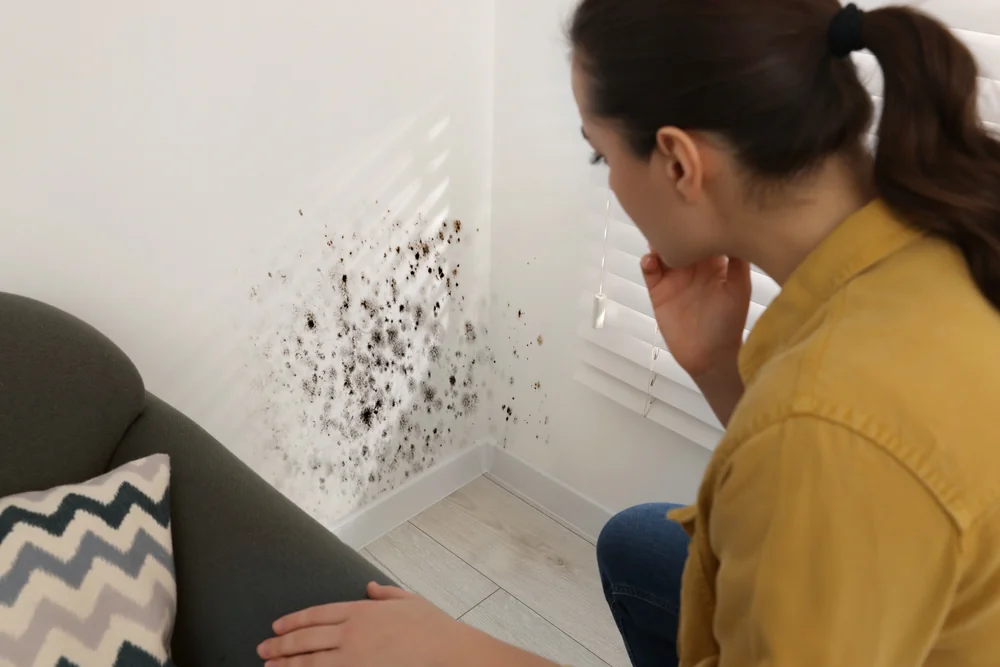
If you’re experiencing unexplained health symptoms—allergies, respiratory issues, headaches, fatigue—that get better when you leave the house, test your air. If you smell musty odors, see visible mold, or have had any water damage or leaks, test your air.
You should also test before buying or selling a property in Old City. Historic homes often have hidden moisture and mold issues that standard home inspections miss. Professional air quality testing gives you documentation of what you’re actually dealing with.
After any remediation work, get clearance testing to confirm the problem is actually fixed. This protects you legally and gives you proof for insurance purposes. And if you just want peace of mind about what your family is breathing every day, that’s reason enough. Most people wait until there’s an obvious problem, but testing before symptoms appear can prevent bigger issues down the road.
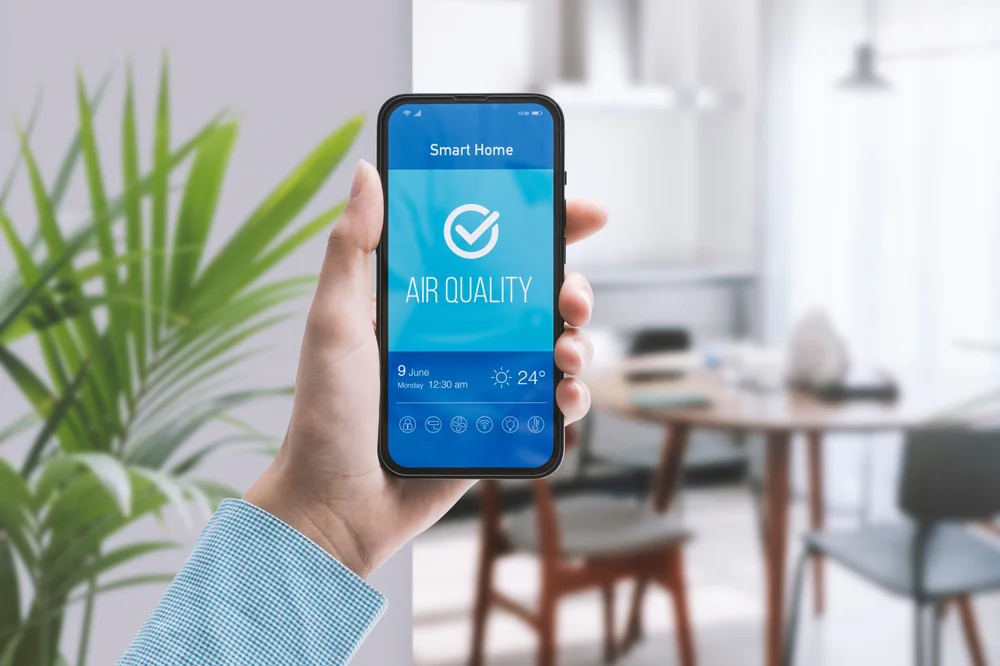
Consumer-grade air quality monitors can give you a general sense of things like humidity, temperature, and some volatile organic compounds. But they don’t tell you what types of mold are present, how much of it you’re breathing, or where it’s coming from.
Professional testing uses lab-grade equipment that captures and analyzes microscopic particles your home monitor can’t detect. We’re identifying specific mold species, measuring spore concentrations, and using infrared cameras and moisture meters to find the source of contamination. That level of detail matters when you’re making decisions about remediation.
DIY test kits that you mail to a lab are better than nothing, but they’re easy to use incorrectly. Improper sampling technique, wrong placement, or contaminated samples can give you inaccurate results. When you’re trying to protect your family’s health or document a problem for insurance or legal purposes, you need testing that’s done right the first time. That’s what professional air quality testing gives you.
Other Services we provide in Old City