
Hear from Our Customers

You’re dealing with more than a cosmetic issue. Mold affects how you breathe, how your kids sleep, and whether buyers will even look at your home if you ever decide to sell.
In Logan and across Bucks County, older homes and flood-prone properties create the perfect conditions for mold growth. With 89% of Logan properties at severe flood risk over the next 30 years, water intrusion isn’t a matter of if it’s when.
Professional mold remediation means you’re not just wiping down surfaces. You’re eliminating the source, treating affected areas with antimicrobial solutions, and preventing it from coming back. The air quality improves. The musty smell disappears. Your family stops waking up congested.
And if you’re selling? Properties with mold concerns can drop 20-37% in value. Half of buyers walk away the moment they hear “mold.” Getting it handled now protects what you’ve built.
We’ve been serving Logan and the surrounding Bucks County area for years. We’re local, certified, and we’ve seen what happens when mold gets ignored in homes built in the 1930s with aging plumbing and poor ventilation.
Pennsylvania doesn’t require mold remediation licensing, which means anyone can claim they know what they’re doing. We’re IICRC certified because we want you protected from health risks and from liability. Our team uses thermal imaging and moisture meters to find mold you can’t see, and we document everything for insurance claims.
You’re not hiring a national chain that doesn’t know Logan’s housing stock or flood patterns. You’re working with people who understand why your basement floods every spring and what that means for mold growth prevention.
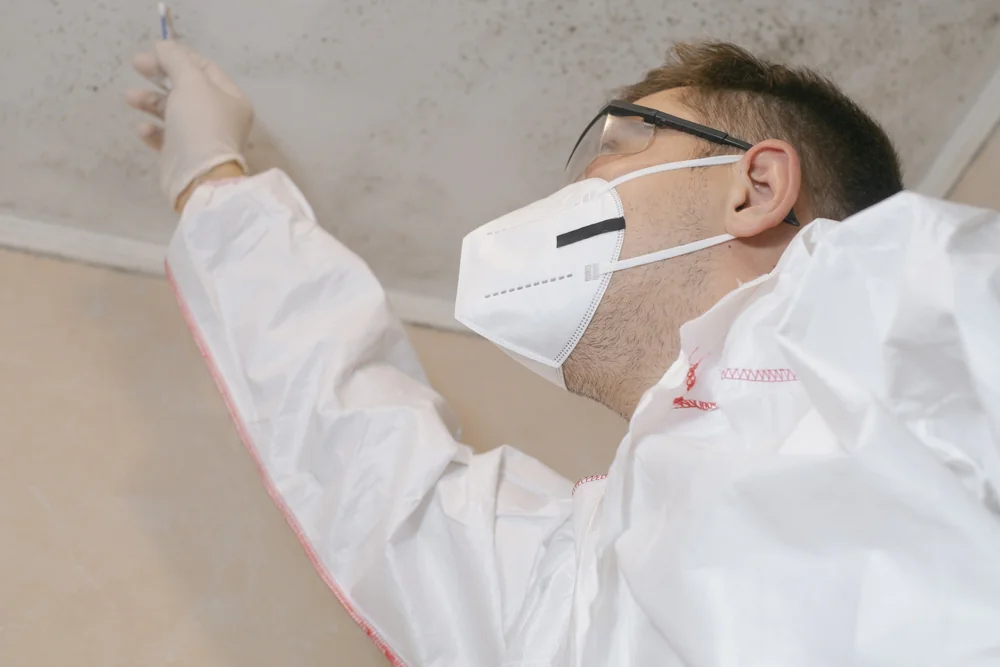
We start with a free mold inspection. You show us the problem areas or the spots where you suspect something’s wrong. We use moisture meters and thermal imaging to check behind walls, under floors, and around plumbing. Mold hides, so we look where you can’t.
Once we know what we’re dealing with, you get a detailed estimate. No surprises. We break down the scope of work, the timeline, and what it’ll cost. If insurance is involved, we’ll work directly with your provider to document everything properly.
The actual mold abatement starts with containment. We seal off affected areas with plastic sheeting and negative air pressure systems to keep spores from spreading to clean parts of your home. Then we remove contaminated materials drywall, insulation, flooring whatever can’t be saved.
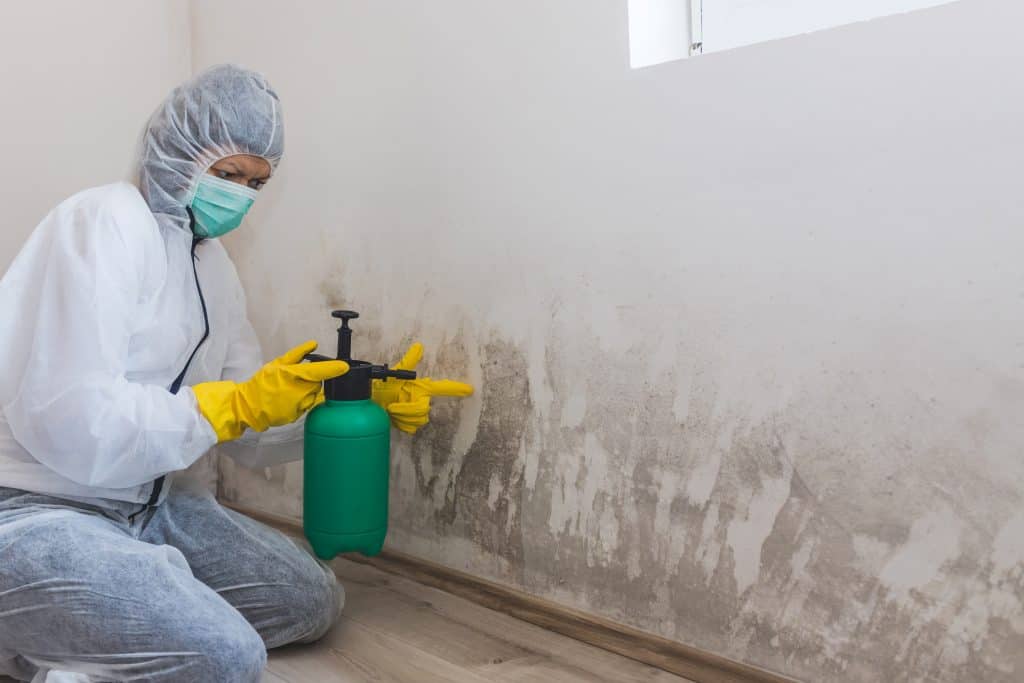
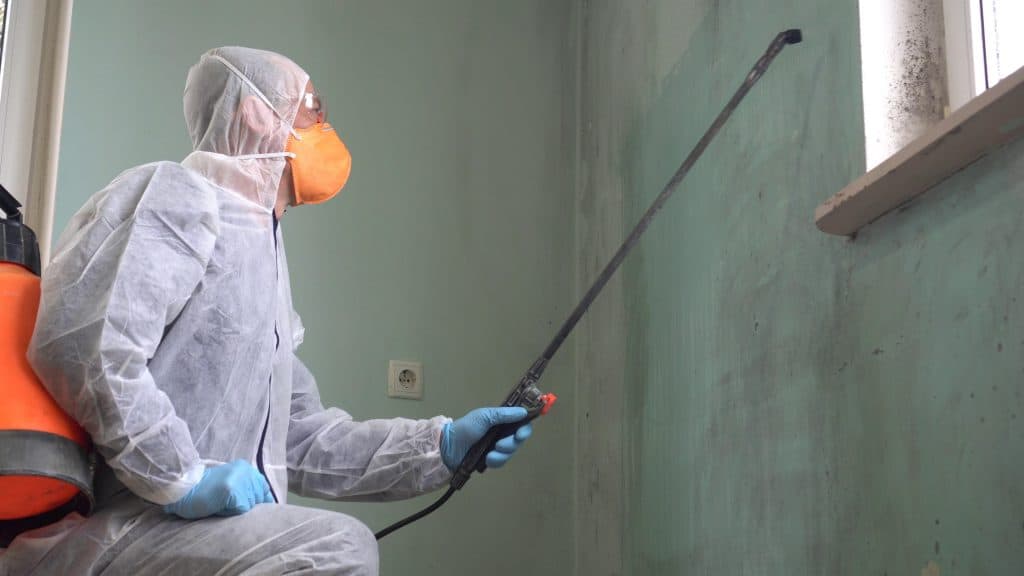
After removal, we treat all surfaces with antimicrobial solutions and dry everything completely. Mold needs moisture to survive, so we eliminate the conditions that let it grow. Finally, we run post-remediation testing to verify the air quality is back to normal. You get documentation showing the job’s done right.
Ready to get started?
Every mold remediation project in Logan includes a full inspection, containment, removal, treatment, and verification. We’re not cutting corners because we know what’s at stake.
Bucks County homes face specific challenges. The older housing stock means outdated ventilation systems and plumbing that’s more likely to leak. Seasonal temperature swings create condensation in attics and crawl spaces. And with Logan’s flood risk, basements are constantly battling moisture intrusion.
Our mold testing services identify the type and concentration of mold in your home. That matters because black mold requires different handling than surface mildew. We test before and after remediation so you have proof the problem’s resolved.
You also get help with the root cause. If it’s a leaky pipe, poor grading around your foundation, or an HVAC system that’s circulating mold spores, we’ll tell you. Mold clean up services only work long-term if you fix what caused it in the first place.
We handle insurance documentation, take photos, and provide detailed reports. Most Bucks County mold remediation projects run between $1,200 and $3,400, but costs vary based on the extent of contamination. Extensive jobs can hit $5,000 or more. Either way, you’ll know upfront.

You’ll usually notice a musty smell first that’s mold releasing volatile organic compounds as it grows. Visible signs include black, green, or white patches on walls, ceilings, or around windows. But mold often hides behind drywall, under flooring, or in HVAC ducts where you can’t see it.
Health symptoms are another clue. If your family’s experiencing unexplained coughing, sneezing, itchy eyes, or respiratory issues that improve when you leave the house, mold exposure could be the cause. People with asthma or weakened immune systems react more severely.
Water damage is the biggest red flag. If you’ve had flooding, roof leaks, burst pipes, or even persistent condensation, mold is likely growing somewhere. In Logan, where 89% of properties face severe flood risk, water intrusion is common enough that mold testing services make sense even if you don’t see visible growth.
A professional mold inspection uses moisture meters and thermal imaging to detect hidden problems. We check wall cavities, crawl spaces, attics, and areas around plumbing. If moisture levels are elevated, mold’s either already there or will be soon.
Small surface mold on non-porous materials like a little mildew on bathroom tile you can handle with bleach or vinegar. But if the affected area is larger than 10 square feet, or if mold is growing on porous materials like drywall or insulation, DIY mold removal usually makes things worse.
Here’s why: disturbing mold releases thousands of spores into the air. Without proper containment and negative air pressure systems, you’re spreading contamination to clean areas of your home. Scrubbing moldy drywall doesn’t kill the roots growing inside the material it just pushes spores deeper and sends them airborne.
Pennsylvania doesn’t require mold remediation licensing, which means there’s no oversight to protect you from improper removal. But health risks are real. Mold exposure causes allergic reactions, respiratory issues, and in severe cases, infections in immune-compromised individuals. If you’re dealing with black mold, the stakes are even higher.
Professional mold abatement services include containment, antimicrobial treatment, complete material removal, and post-cleanup air quality testing. We’re eliminating the problem at the source and verifying it’s gone. That’s not something a bottle of bleach and a scrub brush can accomplish, especially in Bucks County’s older homes where mold often spreads through wall cavities and floor joists.
Most residential mold remediation projects in Logan take between two and five days, depending on the extent of contamination and the size of the affected area. A single bathroom with mold around the shower might be done in a day or two. A finished basement with water damage affecting multiple rooms could take a week.
The timeline breaks down like this: inspection and testing happen on day one. Containment setup and material removal usually take one to three days. Antimicrobial treatment and drying add another day or two. Post-remediation testing happens last, and results come back within 24-48 hours.
Delays happen when we find hidden mold during the removal process. Opening up a wall might reveal contamination spreading into adjacent cavities or up into ceiling joists. We’re not going to close everything back up and leave mold behind, so the scope expands and the timeline adjusts.
In Logan’s older housing stock homes built in the 1930s with outdated plumbing and ventilation it’s common to find more damage than initially visible. We give you updated estimates if that happens. You’re not locked into the original timeline if the situation’s worse than it looked.
Emergency mold situations, like active flooding or sewage backups, get priority scheduling. We’re available 24/7 because waiting three days for mold growth prevention to start means more damage and higher costs.
It depends on what caused the mold. Most homeowners insurance policies in Pennsylvania cover mold damage if it resulted from a “covered peril” like a burst pipe, sudden appliance failure, or storm damage. If your washing machine hose breaks and floods your basement, leading to mold growth, that’s usually covered.
What insurance won’t cover is mold from long-term neglect or maintenance issues. If your roof’s been leaking for months and you didn’t fix it, or if poor ventilation caused gradual mold buildup, the claim will likely be denied. Insurance companies expect you to maintain your property and address problems promptly.
Coverage limits matter too. Some policies cap mold remediation reimbursement at $10,000 or less. If your project costs more, you’re paying the difference out of pocket. Read your policy or call your agent to understand your specific limits.
We work directly with insurance companies to document mold damage properly. That means detailed photos, moisture readings, scope of work reports, and post-remediation testing results. Proper documentation increases your chances of claim approval and full reimbursement.
In Bucks County, where average mold remediation costs run $1,200 to $3,400, insurance coverage can make a significant financial difference. Even if you’re not sure whether your policy covers it, file the claim. The worst they can say is no, and you’ll have professional documentation of the damage either way.
Mold removal sounds like you’re getting rid of every single spore, but that’s not realistic. Mold spores exist everywhere in outdoor air, on surfaces, floating around your home. Complete mold elimination isn’t possible and isn’t the goal.
Mold remediation is about returning mold levels to normal, safe concentrations. We remove contaminated materials, treat affected surfaces with antimicrobial solutions, fix moisture problems, and restore air quality to baseline levels. You’re not living in a sterile environment afterward, but you’re also not breathing in dangerous concentrations of toxic mold.
The process focuses on two things: eliminating active mold growth and preventing it from coming back. That means identifying the moisture source whether it’s a leaky pipe, poor drainage, high humidity, or flood damage and addressing it. Mold testing services before and after remediation confirm we’ve brought spore counts back to safe levels.
In Logan, where older homes and flood-prone properties create ongoing moisture challenges, mold growth prevention is just as important as the initial cleanup. We’re not just treating the symptom. We’re helping you understand why mold grew in the first place and what you need to do to keep it from returning.
Companies that promise “complete mold removal” are either misleading you or don’t understand the science. Proper mold remediation gets your home safe, breathable, and back to normal without overpromising results that aren’t achievable.
Mold needs three things to grow: moisture, organic material, and the right temperature range. You can’t control temperature in a practical way, and your home is full of organic materials like wood and drywall. That leaves moisture as the only factor you can actually manage.
Start by fixing any water intrusion issues. Repair roof leaks, seal foundation cracks, regrade soil around your home so water drains away from the foundation, and replace old plumbing before it fails. In Logan, where severe flooding affects 89% of properties, a sump pump with battery backup is essential for basement moisture control.
Control indoor humidity levels. Bathrooms, kitchens, and laundry rooms need proper ventilation exhaust fans that vent outside, not into your attic. Run a dehumidifier in your basement during humid months to keep levels below 60%. Mold struggles to grow when relative humidity stays under 50%.
Clean and maintain your HVAC system. Mold spores circulate through ductwork, and if your system has moisture buildup or dirty filters, it’s spreading contamination throughout your home. Change filters regularly and have ducts inspected if you notice musty smells when the system runs.
Check for condensation on windows, pipes, and walls. If you see it, you’ve got a ventilation or insulation problem that needs fixing. Condensation means moisture is accumulating on surfaces, and that’s an invitation for mold growth.
After professional mold remediation, you’ll get specific recommendations based on what caused your problem. Follow them. We’re not trying to upsell you on unnecessary work we’re telling you what needs to happen to keep mold from returning and protect your investment.
Other Services we provide in Logan