
Hear from Our Customers
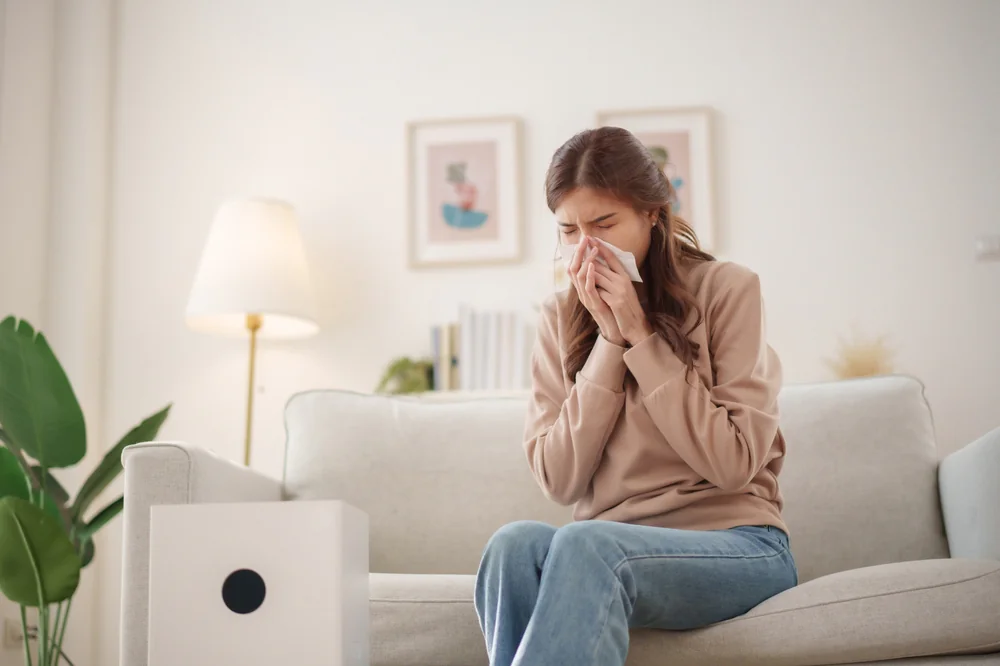
You’re not looking for guesswork. You need to know if that musty smell is mold, if your kid’s allergies are coming from something in the house, or if there’s something lurking in your basement that’s making everyone cough.
Indoor air quality testing cuts through the mystery. We test for mold spores, allergens, volatile organic compounds, and other airborne contaminants that affect how you feel in your own home. You get lab-certified results that show exactly what’s in your air and what levels you’re dealing with.
From there, you can make informed decisions. Maybe it’s a ventilation issue. Maybe it’s hidden mold growth behind a wall. Maybe it’s nothing serious at all. Either way, you’ll know—and that’s worth something when your family’s health is on the line.
We’ve been testing air quality and inspecting for mold in Logan and throughout Bucks County for over 20 years. We’re IICRC-certified, we follow EPA standards, and we live in the same community you do.
We know how Pennsylvania’s humid summers and wet springs create the perfect conditions for mold. We’ve seen it in basements, crawl spaces, attics, and behind walls in homes just like yours. That experience means we know where to look, what to test for, and how to explain what we find without the scare tactics or overselling.
You’ll get straight answers, detailed reports, and recommendations that actually make sense for your situation and your budget.
First, we’ll schedule a time that works for you. When we arrive, we’ll walk through your home and talk about what you’ve noticed—symptoms, smells, visible issues, or just a gut feeling that something’s off.
Then we start testing. Depending on what we’re looking for, that might mean air sampling to capture airborne mold spores or allergens, surface sampling if there’s visible growth, or moisture readings to find hidden water issues. We use infrared cameras and moisture meters to see what’s happening behind walls and under floors.
Once we collect samples, they go to a certified lab for analysis. You’ll get a detailed report within a few business days that breaks down what was found, what it means for your health, and what steps you should consider next. We’ll walk you through the results in plain language—no jargon, no pressure.
If remediation is needed, we can handle that too. If it’s minor, we’ll tell you that. The goal is to give you clarity so you can move forward with confidence.
Ready to get started?
When you schedule a home air quality test, you’re checking for things that can quietly affect your health over time. Mold spores are the big one—especially in Bucks County, where humidity creates ideal conditions for growth. But we also test for allergens like dust mites and pet dander, volatile organic compounds from building materials or household products, and overall ventilation efficiency.
Logan homes, especially older properties with basements or previous moisture issues, are particularly vulnerable. If you’ve noticed persistent allergy symptoms, unexplained respiratory issues, or musty odors that won’t go away, those are signs that something in your indoor environment needs attention.
A residential air quality test gives you the full picture. It’s not just about confirming mold—it’s about understanding what’s in your air, where it’s coming from, and whether it’s at levels that could impact your family. That’s especially important if you have young kids, elderly family members, or anyone with asthma or other respiratory conditions.
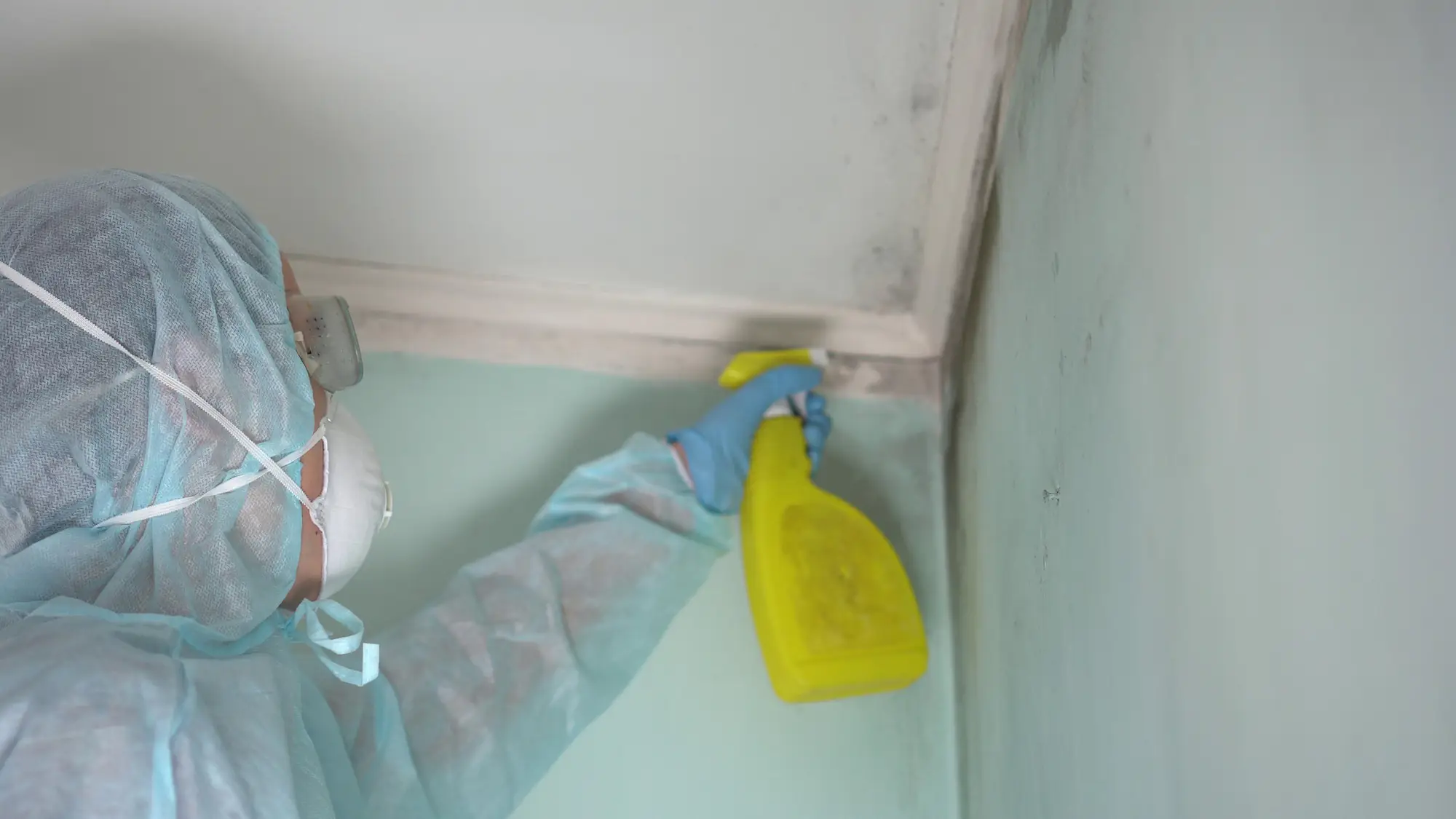
Most air quality testing results come back from the lab within three to five business days. That timeline covers the actual lab analysis, not just the testing appointment itself.
During the appointment, we collect air samples or surface samples depending on what we’re testing for. Those samples get sent to a certified laboratory where technicians analyze them for mold spores, allergens, and other contaminants. The lab provides a detailed breakdown of what was found and at what concentration levels.
Once we receive the lab report, we’ll contact you to go over the findings. We’ll explain what everything means in plain language and walk you through any recommended next steps. If you need results faster for insurance or real estate purposes, let us know upfront—we can sometimes expedite the process.
A mold air test specifically looks for mold spores in your indoor air. It measures the type and concentration of mold present and compares it to outdoor levels to determine if you have an indoor mold problem.
A comprehensive indoor air quality test covers more ground. It still includes mold testing, but also checks for other airborne contaminants like allergens, dust mites, pet dander, and volatile organic compounds. It gives you a fuller picture of what’s affecting your indoor environment.
Which one you need depends on what you’re dealing with. If you’ve seen visible mold or have a known moisture problem, a mold air test might be enough. If you’re experiencing unexplained health symptoms or just want to know what’s in your air overall, the broader air quality test makes more sense. We can help you figure out which option fits your situation during the initial consultation.
Air sampling tells you if mold spores are present and at what levels, but it doesn’t pinpoint the exact source. That’s where the inspection part comes in.
When we do a mold air test, we also do a visual inspection using moisture meters and infrared cameras. These tools help us identify areas with elevated moisture levels or temperature differences that suggest hidden water damage or mold growth behind walls, under floors, or in other concealed spaces.
Surface sampling can also help if there’s visible growth or suspicious staining. We’ll take samples from those areas to confirm whether it’s mold and what type. Between the air test results and the physical inspection, we can usually narrow down where the problem is coming from and what’s causing it. That’s critical for effective remediation—you can’t fix the problem if you don’t know where it started.
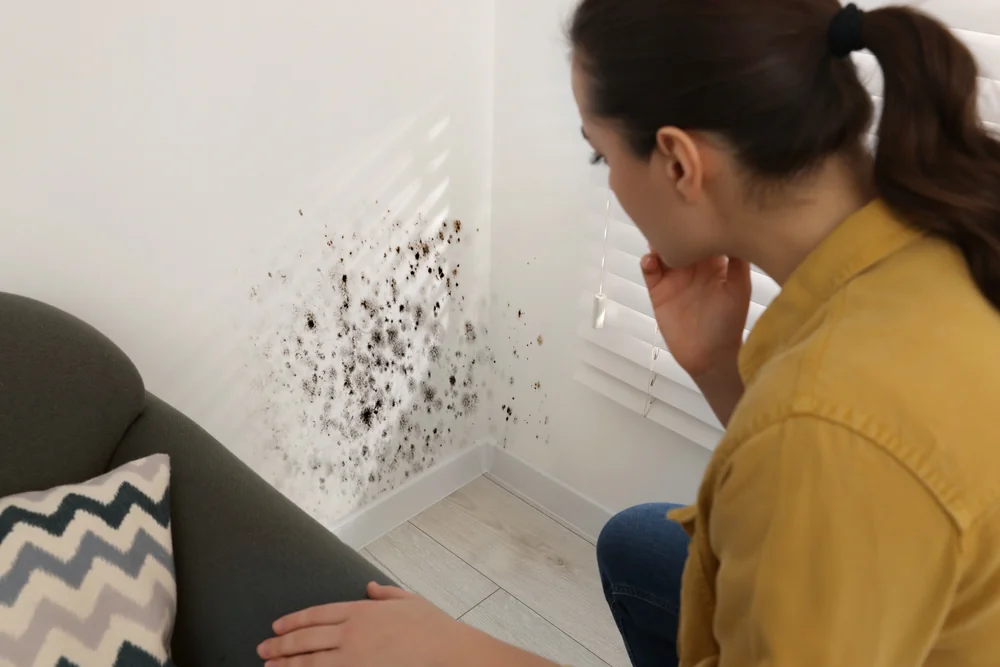
You don’t need to see mold to have a mold problem. Mold grows in places you can’t see—inside walls, under flooring, in HVAC systems, and in crawl spaces or attics.
If anyone in your home is experiencing persistent allergy symptoms, respiratory issues, headaches, or fatigue that gets better when they leave the house, that’s a red flag. Musty odors are another sign, even if you can’t locate the source. Previous water damage, high humidity, or poor ventilation also increase the chances of hidden mold growth.
Air quality testing gives you confirmation one way or the other. It’s especially useful if you’re buying a home, moving into an older property, or dealing with unexplained health symptoms. Testing removes the guesswork and gives you a baseline understanding of your indoor air. Even if mold isn’t the issue, you might discover other airborne contaminants affecting your family’s comfort and health.
The cost of air quality testing depends on the size of your home, how many areas you want tested, and what type of testing you need. A basic mold air test for a single area typically runs less than a comprehensive whole-home air quality assessment that includes multiple sample points and broader contaminant testing.
Most homeowners in Logan and Bucks County spend somewhere in the mid-range for a thorough evaluation that covers the main living areas and any problem zones like basements or attics. If you need post-remediation testing to verify that mold has been successfully removed, that’s usually a separate test with its own cost.
We offer free inspections to help you understand what’s going on before committing to testing. During that inspection, we can give you a clear quote based on your specific situation. We’re not going to push unnecessary tests or upsell you on services you don’t need. You’ll get an honest assessment and a price that reflects the actual work required.
Home test kits are available, but they have limitations. Most DIY mold test kits only tell you if mold is present—they don’t measure concentration levels, identify the type of mold, or compare indoor levels to outdoor baselines. That makes it hard to know if you actually have a problem or if you’re just detecting normal background mold that exists everywhere.
Professional air quality testing uses calibrated equipment and certified lab analysis. We collect samples using methods that meet EPA standards, and the lab results give you specific data on mold types, spore counts, and contamination levels. That information is critical if you’re dealing with insurance claims, real estate transactions, or health concerns.
The other advantage of hiring a professional is the inspection that goes along with the testing. We use moisture meters and infrared cameras to find hidden problems that a test kit can’t detect. If there’s an issue, we can identify the source and recommend the right fix. A test kit might tell you there’s mold, but it won’t tell you where it’s coming from or what to do about it.
Other Services we provide in Logan