
Hear from Our Customers
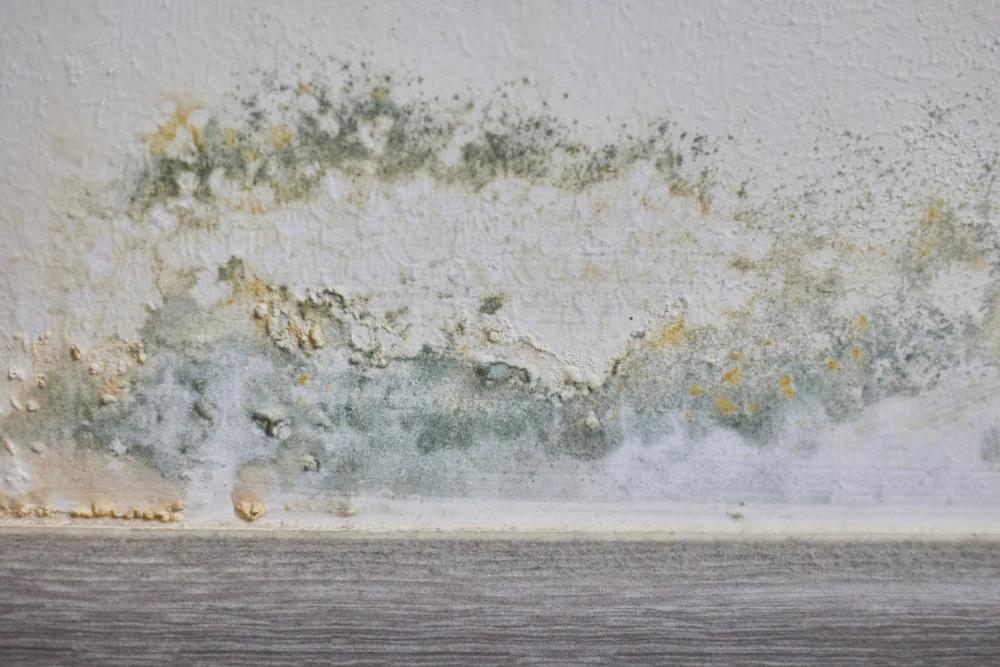
You shouldn’t have to wonder if the air in your home is making you sick. That musty smell in the basement, the stuffiness that won’t go away, the cough that gets better when you leave the house—those aren’t things you should live with.
Mold mitigation means getting your home back to normal. Not just scrubbing visible spots and hoping for the best, but actually finding where it’s growing, removing it completely, and fixing whatever’s letting moisture in.
When it’s done right, you stop worrying about what’s behind the drywall. Your kids can play in the basement again. You can breathe easier—literally. And if you’re selling or refinancing, you’re not dealing with failed inspections or buyers walking away.
We work with homeowners across Plumstead and Bucks County who need mold gone—and need it done without the runaround. We’re local, we’re certified, and we’ve seen what happens in older homes around here when basements flood or crawl spaces stay damp for too long.
We’re not a national franchise with rotating crews. You’re working with people who know this area, know the common problems, and know how to fix them correctly. We follow EPA standards because that’s the baseline, not the ceiling.
If you’ve got mold, we’ll tell you what’s actually happening, what needs to happen next, and what it’s going to take to keep it from happening again.
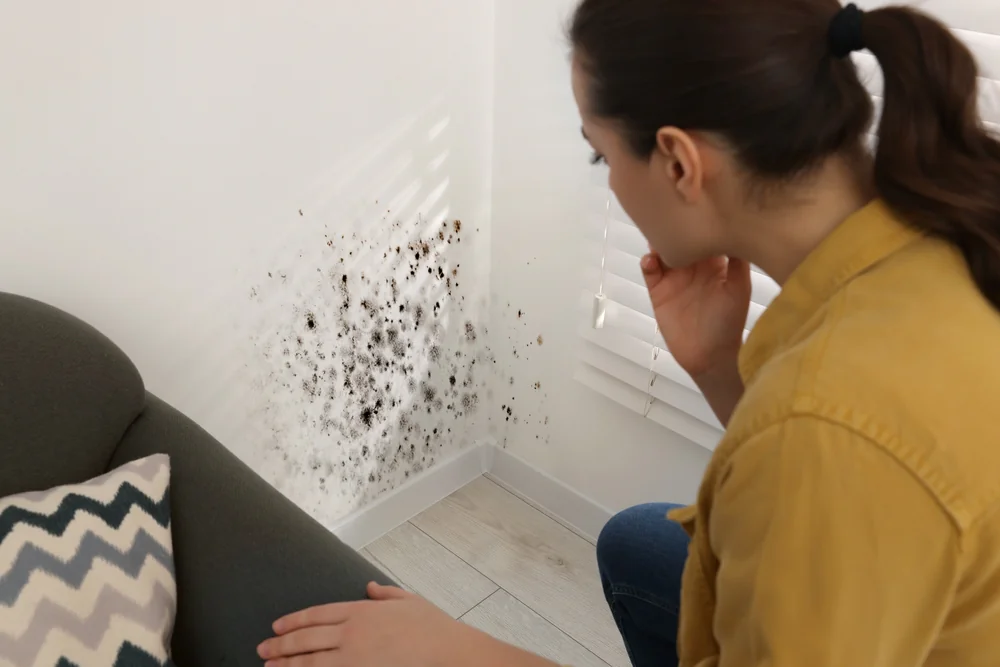
First, we come out and inspect your property—usually within 24 to 48 hours if it’s urgent. We’re looking for visible mold, but also moisture readings, hidden growth behind walls or under floors, and whatever’s causing the problem in the first place. Leaky pipe, poor ventilation, foundation crack—we find it.
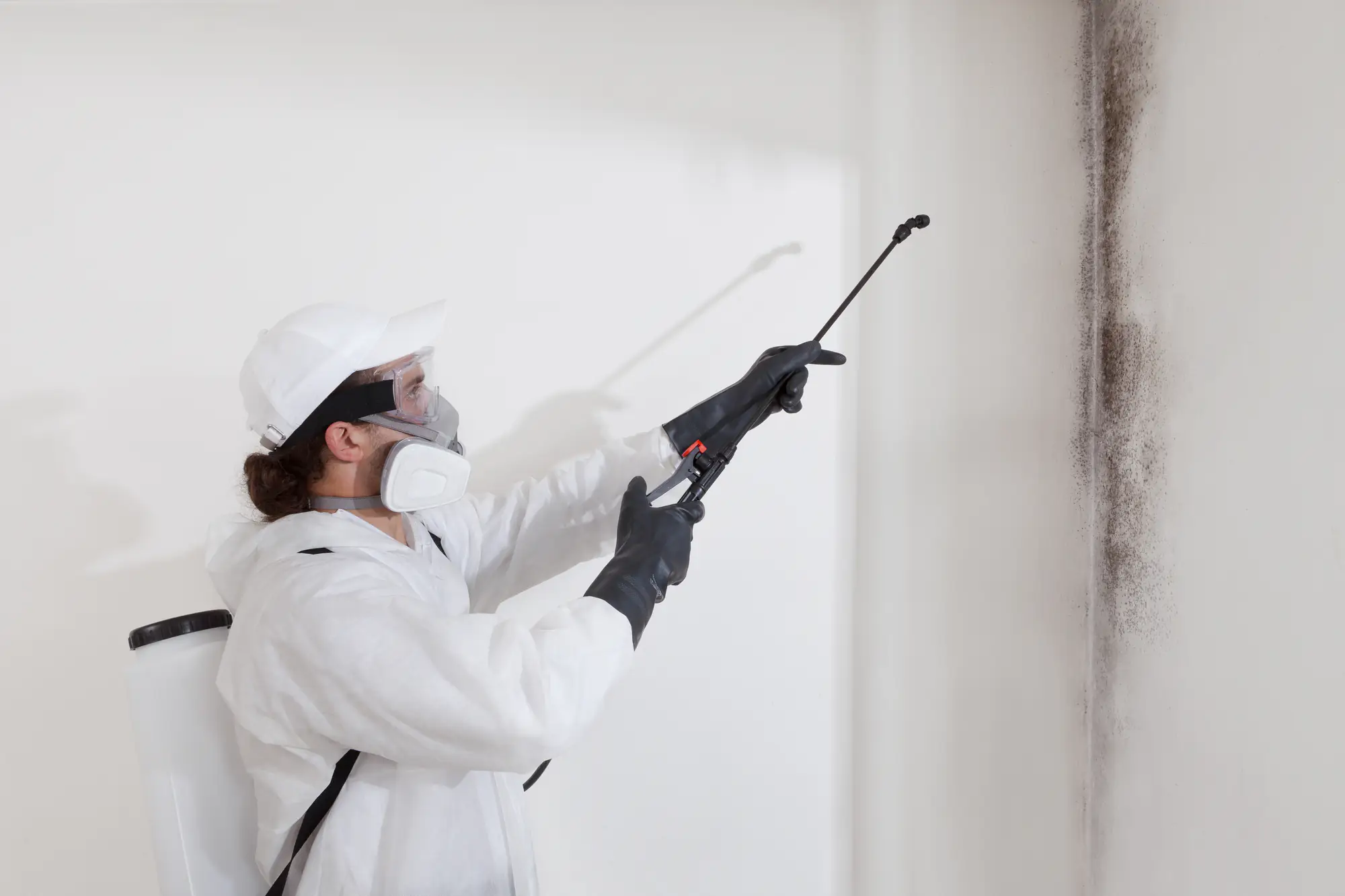
Once we know what we’re dealing with, we contain the area so mold spores don’t spread during removal. That means sealing off the space and using negative air pressure to keep everything controlled. Then we remove the mold—physically, carefully, and completely. If materials like drywall or insulation are too far gone, we remove and dispose of them properly.
After removal, we treat surfaces, clean the air with HEPA filtration, and test to make sure mold levels are back where they should be. Then we help you fix the root cause—whether that’s improving drainage, sealing a crawl space, or repairing a roof leak. You’ll get documentation of everything we did, which matters if you’re filing an insurance claim or need records for a future sale.
Ready to get started?
Every job starts with a free inspection. We check basements, crawl spaces, attics, bathrooms—anywhere moisture tends to hide in Plumstead homes. Older properties here are especially vulnerable, particularly if you’ve had any water damage or flooding in the past few years.
We handle black mold mitigation, attic mold removal, and crawl space mold problems. If your HVAC system has been spreading spores, we’ll address that too. You’re not just getting surface cleaning—you’re getting containment, safe removal, air scrubbing, and prevention planning.
We also work directly with your insurance company if the mold is tied to a covered event like a burst pipe or storm damage. That means helping with paperwork, documentation, and claims so you’re not figuring it out alone. Plumstead sits in an area where humidity and older housing stock create ideal conditions for mold, especially during the warmer months. Knowing that, we don’t just remove mold—we help you understand why it showed up and what you can do to stop it from coming back.
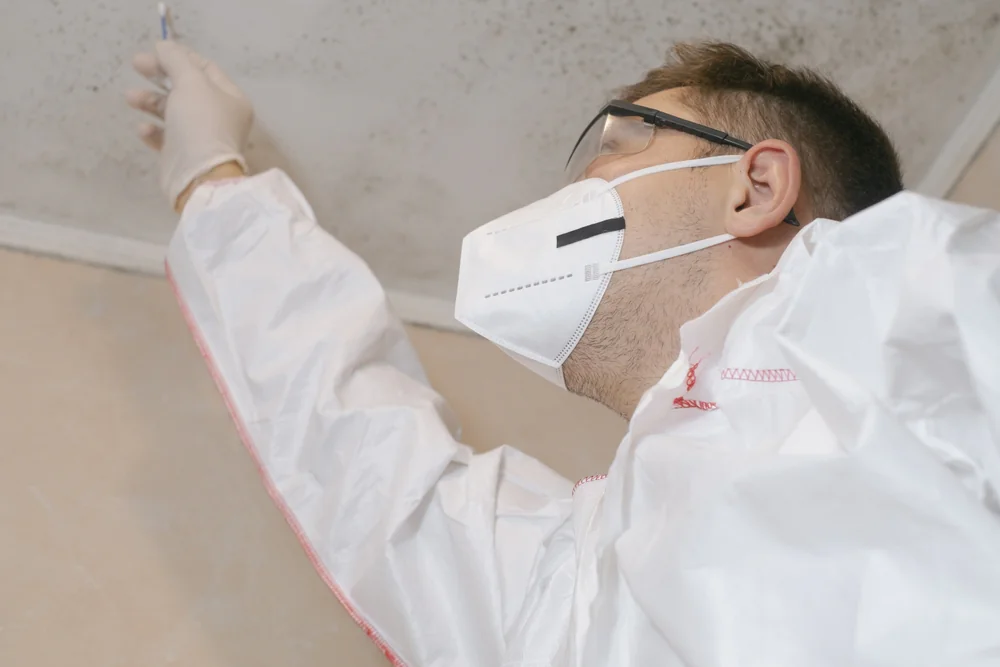
Mold can start growing within 24 to 48 hours after water exposure. That’s why timing matters so much after a flood, pipe burst, or roof leak.
If you’ve had any kind of water event—whether it’s a backed-up sump pump during a storm or a slow leak you didn’t notice—you’re on the clock. The longer materials stay wet, the more likely mold takes hold. And once it starts, it spreads fast, especially in basements and crawl spaces where airflow is limited.
The best move is to get a professional inspection as soon as you know there’s been water intrusion. Even if you don’t see mold yet, a moisture meter can tell us if conditions are right for growth. Catching it early means less damage, lower cost, and fewer health risks.
Not usually. Surface cleaning might make it look better temporarily, but if you’re not addressing the moisture source and hidden growth, it’s coming back.
Mold you can see is often just part of the problem. It grows inside walls, under flooring, in insulation, and along ductwork. Scrubbing what’s visible with bleach doesn’t kill what’s behind the drywall or fix the leak that caused it. Plus, disturbing mold without proper containment can spread spores to other parts of your home.
Professional mold mitigation services include containment, complete removal, air filtration, and moisture control. We’re not just cleaning—we’re eliminating the problem and preventing it from reappearing. If the issue is bigger than a small patch on a hard surface, it’s worth having someone who knows what they’re doing take a look.
It depends on what caused the mold. If it’s from a sudden, covered event like a burst pipe or storm damage, there’s a good chance your policy will cover at least part of the mitigation. If it’s from long-term neglect or a maintenance issue, probably not.
Insurance companies want to see that the mold resulted from something unexpected—not from ignoring a slow leak for months. That’s why documentation matters. We help with that process: taking photos, logging moisture readings, and providing detailed reports that show what happened and what we did to fix it.
We work with insurance companies regularly, so we know what they’re looking for. If you’re not sure whether your situation is covered, we can walk you through it and help you file the claim correctly the first time.
Mold removal focuses on getting rid of the mold itself. Mold mitigation goes further—it addresses the conditions that allowed mold to grow in the first place.
You can remove mold from a surface, but if the humidity is still too high or the leak is still there, you’re just buying time. Mitigation means fixing the moisture problem, improving ventilation, sealing entry points, and making sure your home isn’t a breeding ground anymore.
That’s the approach we take. We don’t just clean up what’s visible and walk away. We figure out why it happened, remove it safely, and help you make changes so it doesn’t happen again. It’s a more complete solution, and it’s what actually protects your home long-term.
You might smell it first—a musty, earthy odor that doesn’t go away even after you clean. Or you might notice health symptoms like a persistent cough, sinus congestion, or headaches that improve when you’re away from home.
Sometimes mold hides in places you don’t check often: behind wallpaper, under carpets, inside air ducts, or in the crawl space. If you’ve had any water damage in the past—even if it was months ago—there’s a chance mold started growing where you can’t see it.
A professional inspection uses moisture meters and infrared cameras to detect hidden problems. We check wall cavities, flooring, and ventilation systems to find mold before it becomes a bigger issue. If something feels off in your home, trust that instinct and get it checked.
Basements, crawl spaces, and attics are the most common problem areas—especially in older homes. Plumstead’s climate and housing stock create conditions where moisture builds up easily, and mold follows.
Basements flood or develop condensation issues. Crawl spaces stay damp because they’re not properly sealed or ventilated. Attics trap heat and humidity, especially if roof ventilation isn’t adequate or if there’s been a leak. Bathrooms and kitchens are also vulnerable if exhaust fans aren’t working or if there’s been plumbing issues.
If your home was built before modern moisture barriers and ventilation standards, you’re at higher risk. That doesn’t mean mold is inevitable, but it does mean you should stay aware of musty smells, water stains, or any signs of excess moisture. Catching it early makes all the difference.
Other Services we provide in Plumstead