
Hear from Our Customers
You spend 90% of your time indoors. If the air in your Plumstead home is contaminated with mold spores, allergens, or other pollutants, you’re breathing it in constantly.
A professional air quality test tells you what’s actually in your air. Not a guess. Not a hunch. Real data from lab analysis that shows you the concentration of particles affecting your family’s health.
Most people wait until symptoms get bad—headaches that won’t quit, allergies that flare up indoors, fatigue that disappears when you leave the house. By then, the problem’s been building for months. Testing catches it early, before it becomes a bigger issue that costs more to fix.
You get a detailed report that breaks down what we found, where the contamination is coming from, and what needs to happen next. No jargon. No upselling. Just clear information so you can make the right call for your home.
We’ve been helping Plumstead and Bucks County homeowners understand what’s happening inside their homes for years. We’re local, we know how humidity and temperature swings in this area create conditions for mold and poor air quality, and we’ve seen what happens when problems go unaddressed.
Our team uses the same equipment and testing methods that industrial hygienists rely on. We’re not here to scare you into unnecessary work. We test, we report, and we give you honest recommendations based on what the data shows.
Bucks County homes—especially older ones—deal with basement moisture, poor ventilation, and seasonal humidity that creates perfect conditions for mold growth. We understand those challenges because we work in them every day.
First, we schedule a free inspection at your Plumstead home. You walk us through any concerns—musty smells, health symptoms, visible moisture issues. We look at the areas you’re worried about and check common problem spots like basements, bathrooms, attics, and crawl spaces.
Next, we collect air samples using calibrated equipment. We’re measuring airborne mold spores, allergens, and other contaminants. We also take samples from outside to establish a baseline, because outdoor air always has some level of spores. The comparison tells us if your indoor air quality is worse than it should be.
Samples go to an accredited lab for analysis. You’re not waiting weeks—most results come back within a few days. We send you a detailed report that shows exactly what was found, at what concentration, and where it’s likely coming from.
Then we sit down and explain what it means. If there’s a problem, we talk through your options. If levels are normal, you have peace of mind. Either way, you’re making decisions based on facts, not fear.
Ready to get started?
Every residential air quality testing service includes a visual inspection of your home, air sample collection from multiple areas, lab analysis by certified professionals, and a written report you can actually understand.
We test for mold species, spore counts, and other airborne contaminants that affect indoor air quality. The report identifies what’s present, compares it to outdoor levels, and flags anything that’s above acceptable thresholds.
In Plumstead and throughout Bucks County, we see higher mold counts in homes with basement moisture issues, poor attic ventilation, or HVAC systems that aren’t moving air properly. Pennsylvania’s humidity—especially in summer—makes this worse. About 40% of homes in Pennsylvania also have elevated radon levels, which is why some homeowners choose to test for that at the same time.
You also get our assessment of what’s causing the problem. A mold air test might show high spore counts, but the real issue is the leak in your basement or the condensation in your attic. We help you connect the dots so you’re fixing the source, not just treating symptoms.
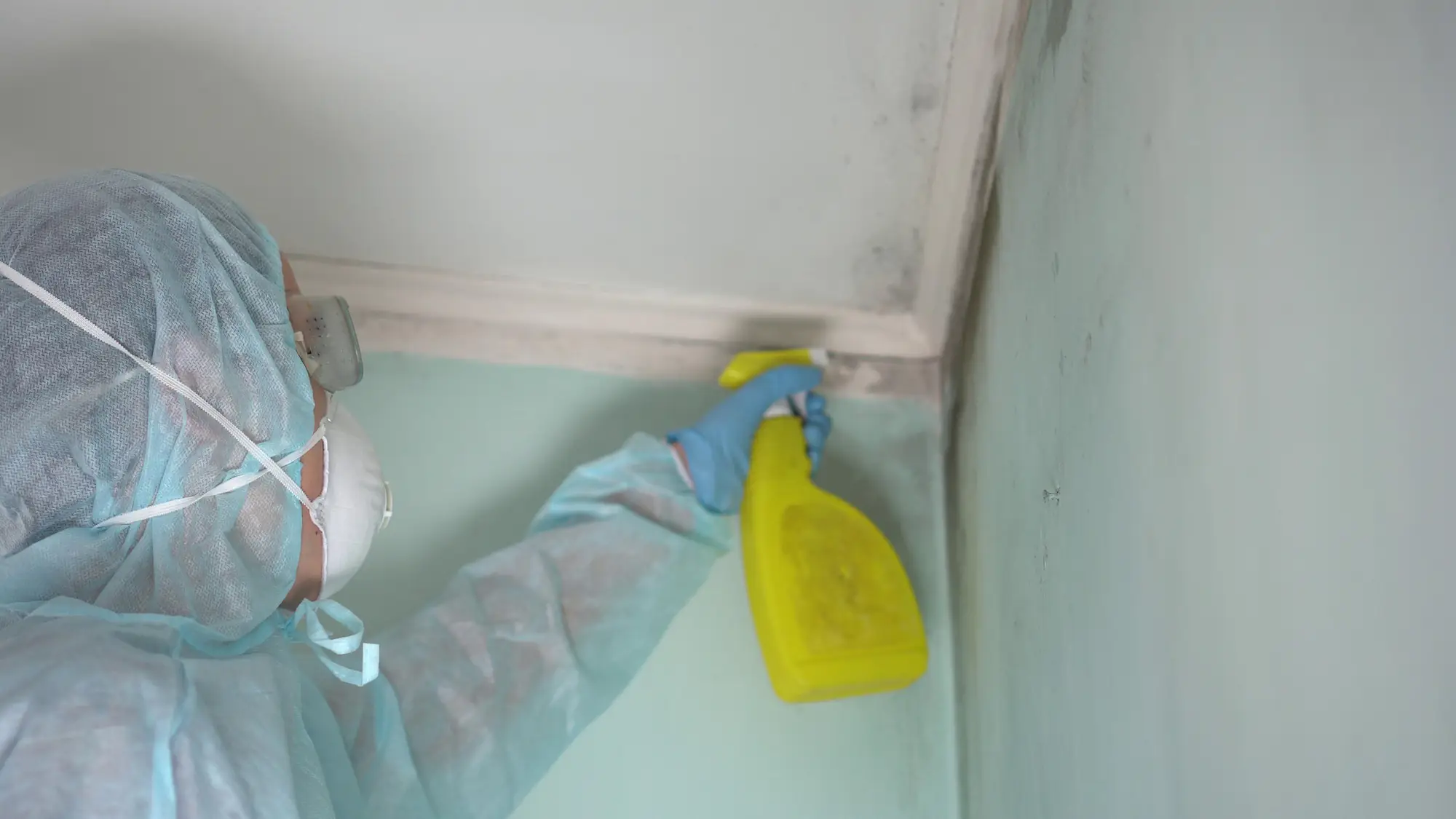
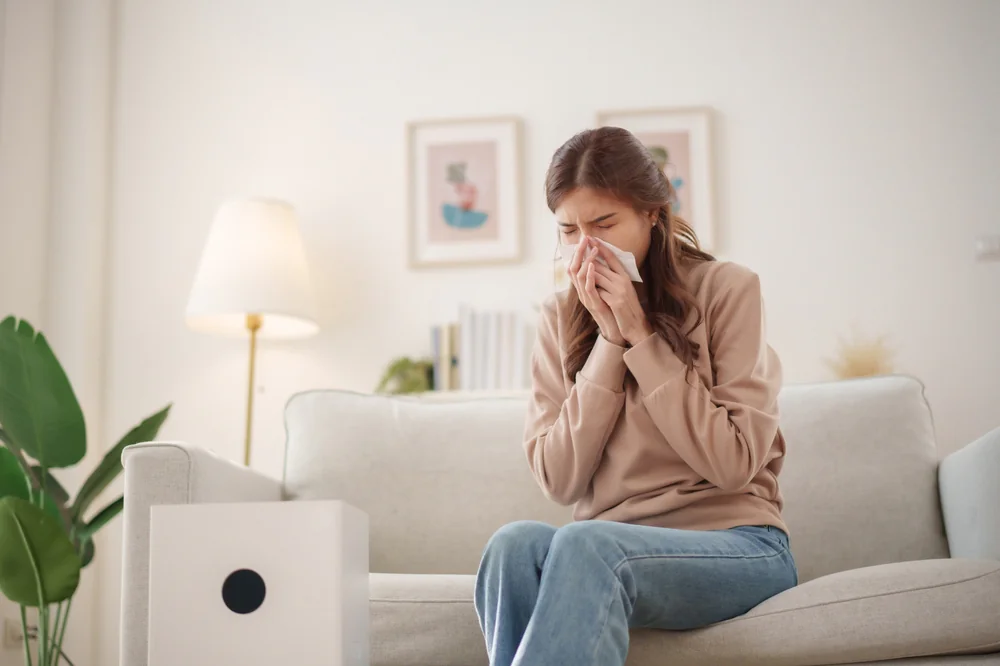
If you’re dealing with unexplained health symptoms that get better when you leave the house, that’s a red flag. Persistent coughing, sneezing, sinus irritation, headaches, dizziness, or fatigue that improves outdoors often points to poor indoor air quality.
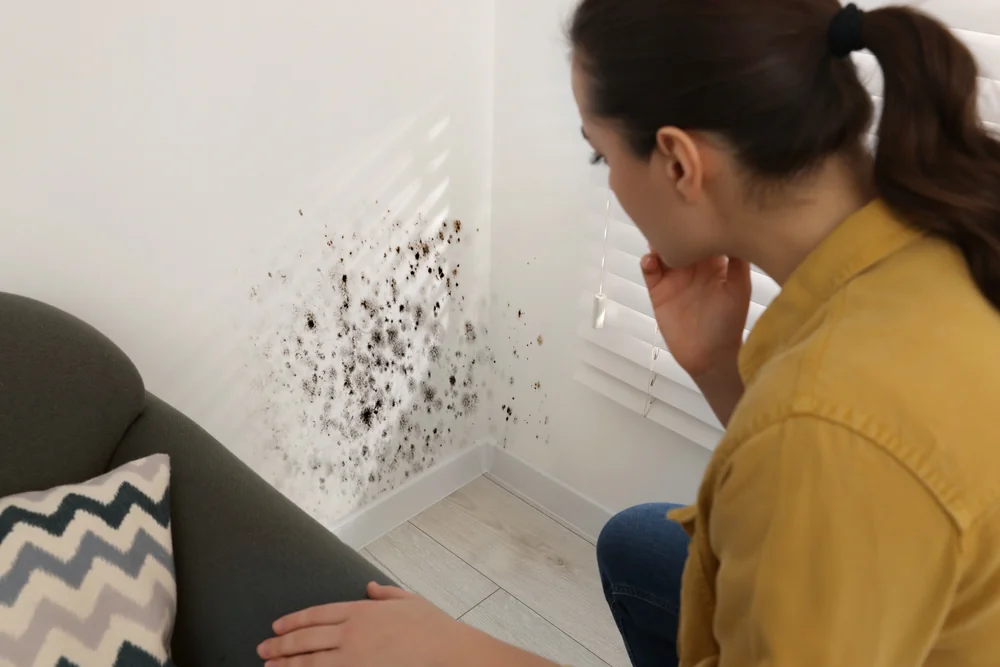
Visible signs matter too. Musty odors, water stains, condensation on windows, or any history of leaks or flooding means there’s a higher chance mold is growing somewhere you can’t see. Mold doesn’t always show up on walls—it hides in HVAC ducts, behind drywall, under carpets, and in crawl spaces.
You should also test if you’re buying or selling a home in Plumstead, especially an older property. Bucks County’s climate and aging housing stock make mold and air quality issues common. Testing before you buy protects you from inheriting someone else’s problem. Testing before you sell gives you documentation that the air quality is safe, which can prevent deal-breaking surprises during inspection.
A mold air test specifically measures airborne mold spores—what types are present and at what concentration. It’s focused on identifying mold contamination and comparing indoor levels to outdoor baselines. If your concern is mold growth, this is the test you want.
A broader indoor air quality test can include mold, but it also looks at other contaminants like volatile organic compounds (VOCs), carbon monoxide, radon, allergens, and particulate matter. This gives you a fuller picture of what’s affecting your air, not just mold.
Most homeowners in Plumstead start with a mold air test because it’s the most common issue we see. But if you’re experiencing symptoms and there’s no visible mold or moisture problem, a comprehensive air quality test might make more sense. We’ll talk through your situation during the free inspection and recommend the right approach based on what you’re dealing with.
The actual testing appointment usually takes about an hour, depending on the size of your home and how many areas we’re sampling. We’re collecting air samples, doing a visual inspection, and checking for moisture or ventilation issues that could be contributing to poor air quality.
Once we collect the samples, they go to a certified lab for analysis. Most results come back within three to five business days. You’ll receive a written report that breaks down what was found, the concentration levels, and how they compare to acceptable standards.
After you get the report, we schedule a follow-up call or meeting to walk through the findings. We explain what the numbers mean, what’s causing the problem if there is one, and what your options are for improving your indoor air quality. You’re not left trying to interpret lab data on your own—we make sure you understand what you’re looking at and what it means for your Plumstead home.
Yes. That’s one of the main reasons people get a mold air test. Mold often grows in places you can’t easily access—inside walls, under flooring, in HVAC ducts, behind appliances, or in crawl spaces. You might not see it, but if it’s releasing spores into the air, the test will pick it up.
Air sampling measures the concentration of mold spores in your indoor air and compares it to outdoor levels. If your indoor counts are significantly higher, that’s a strong indicator that mold is growing somewhere inside your home, even if you haven’t found the source yet.
From there, we use the test results along with our visual inspection to narrow down where the mold is likely hiding. High humidity in the basement, water stains on the ceiling, condensation around windows—these clues help us pinpoint the problem area. The air test confirms there’s an issue; the inspection helps us find it. Together, they give you a complete picture of what’s happening in your home.
Not really. You’ll need to be home for the initial inspection and sample collection, which takes about an hour. After that, we’re done until the results come back. There’s no construction, no tearing into walls, no mess to clean up.
We do ask that you close windows and doors for a few hours before we arrive and keep your HVAC system running normally. This gives us an accurate reading of your everyday indoor air quality, not what it looks like with all the windows open on a breezy day.
Once we collect the samples, you go back to your normal routine. The lab does the analysis off-site, so there’s no waiting around or having technicians in your home for days. When results are ready, we’ll reach out to schedule a time to review them with you. The whole process is designed to be as minimally invasive as possible while still giving you reliable, actionable data about your Plumstead home’s air quality.
First, you’ll know exactly what you’re dealing with. The report will show what contaminants are present, at what levels, and how they compare to safe thresholds. We’ll explain what that means in plain terms—no confusing jargon or scare tactics.
Then we talk through your options. If it’s a mold issue, we’ll recommend remediation to remove the contamination and fix the underlying moisture problem so it doesn’t come back. If it’s a ventilation issue, we might suggest improvements to your HVAC system or dehumidification in problem areas like your basement. Every situation is different, and the solution depends on what the test reveals.
We give you a clear estimate before any work starts. You’ll know what it costs, how long it takes, and what the process involves. If you want a second opinion or need time to think it over, that’s fine. The test results are yours, and you’re free to use them however you see fit. Our job is to give you accurate information and honest recommendations—what you do next is your call.
Other Services we provide in Plumstead