
Hear from Our Customers
You stop worrying every time someone coughs. The musty smell disappears. You’re not wondering what’s growing behind your walls or whether you’re making your kids sick just by living in your own home.
That’s what real mold mitigation does. It doesn’t just clean what you can see—it tracks down where the mold is coming from, removes it completely, and addresses the moisture problem that caused it in the first place.
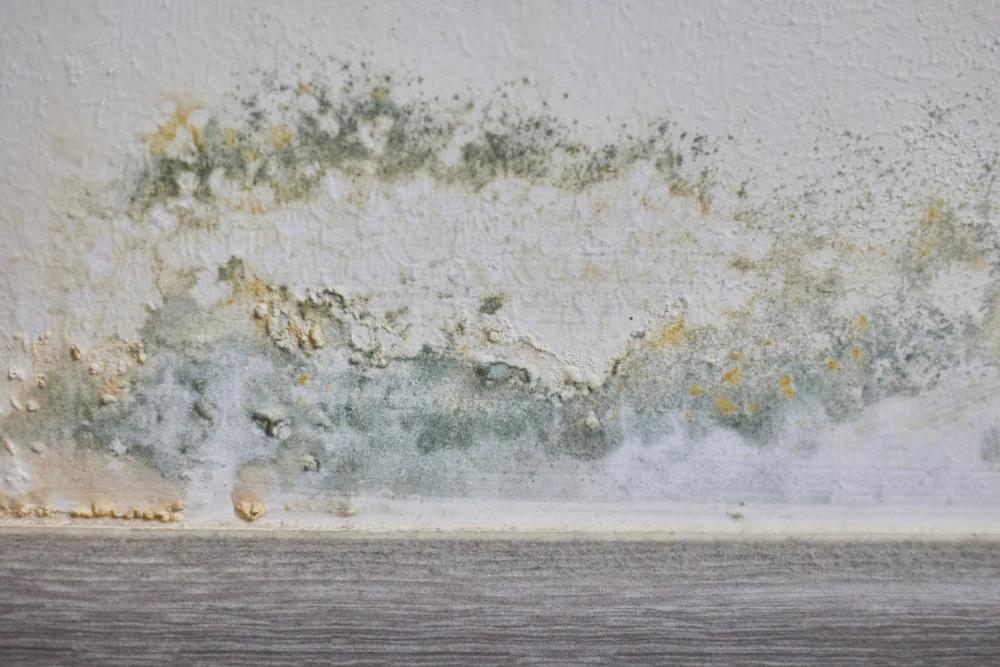
Most mold problems in Middletown start with water. A roof leak after a storm. Humidity in the crawl space. Condensation in the attic during Pennsylvania’s freeze-thaw cycles. If you only treat the surface, the mold comes back. If you fix the source, it doesn’t.
You get your home back. Your property value stays protected. And you’re not dealing with this again in six months.
We work with homeowners throughout Middletown and Bucks County who need mold problems handled the right way. Our technicians are IICRC-certified, which means they’re trained in the actual science of mold remediation—not just cleaning.
We know how Pennsylvania homes are built. We know the basements flood, the crawl spaces stay damp, and the older homes weren’t designed with moisture barriers. That local knowledge matters when you’re trying to figure out why mold keeps showing up.
We offer free inspections because we want you to know what you’re dealing with before you spend a dollar. And we use EPA-approved methods because cutting corners on mold work just means you’ll be calling someone else in a few months.
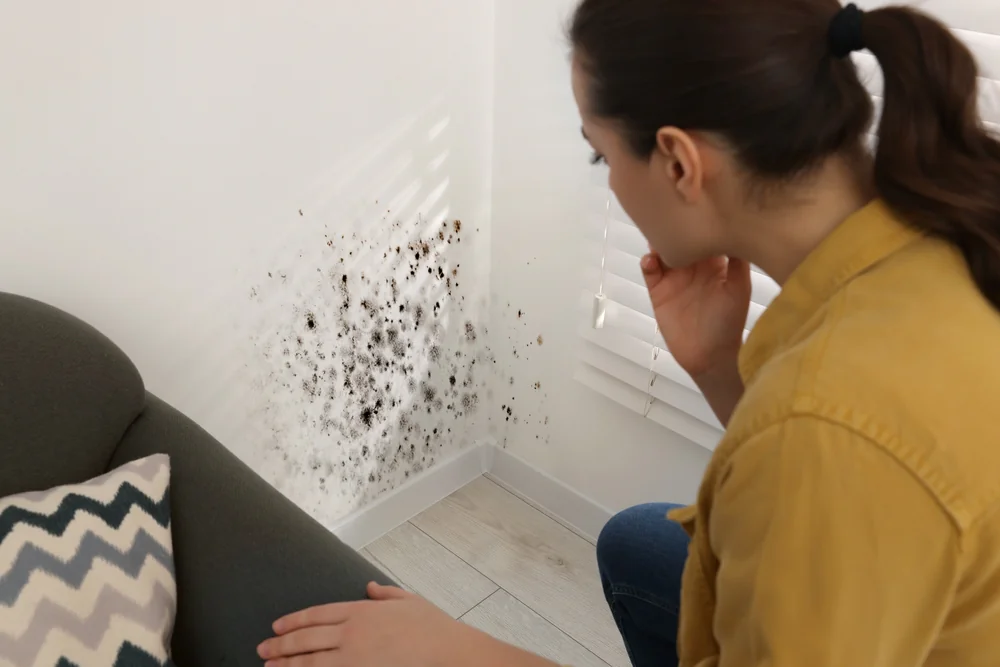
First, we inspect your property for free. We’re looking for visible mold, but also moisture sources, hidden growth, and air quality issues. We use detection equipment to find mold you can’t see—behind drywall, under flooring, in HVAC systems.
Once we know what we’re dealing with, we give you a clear estimate. No surprises. If insurance is involved, we’ll work with them directly to make the claims process easier.
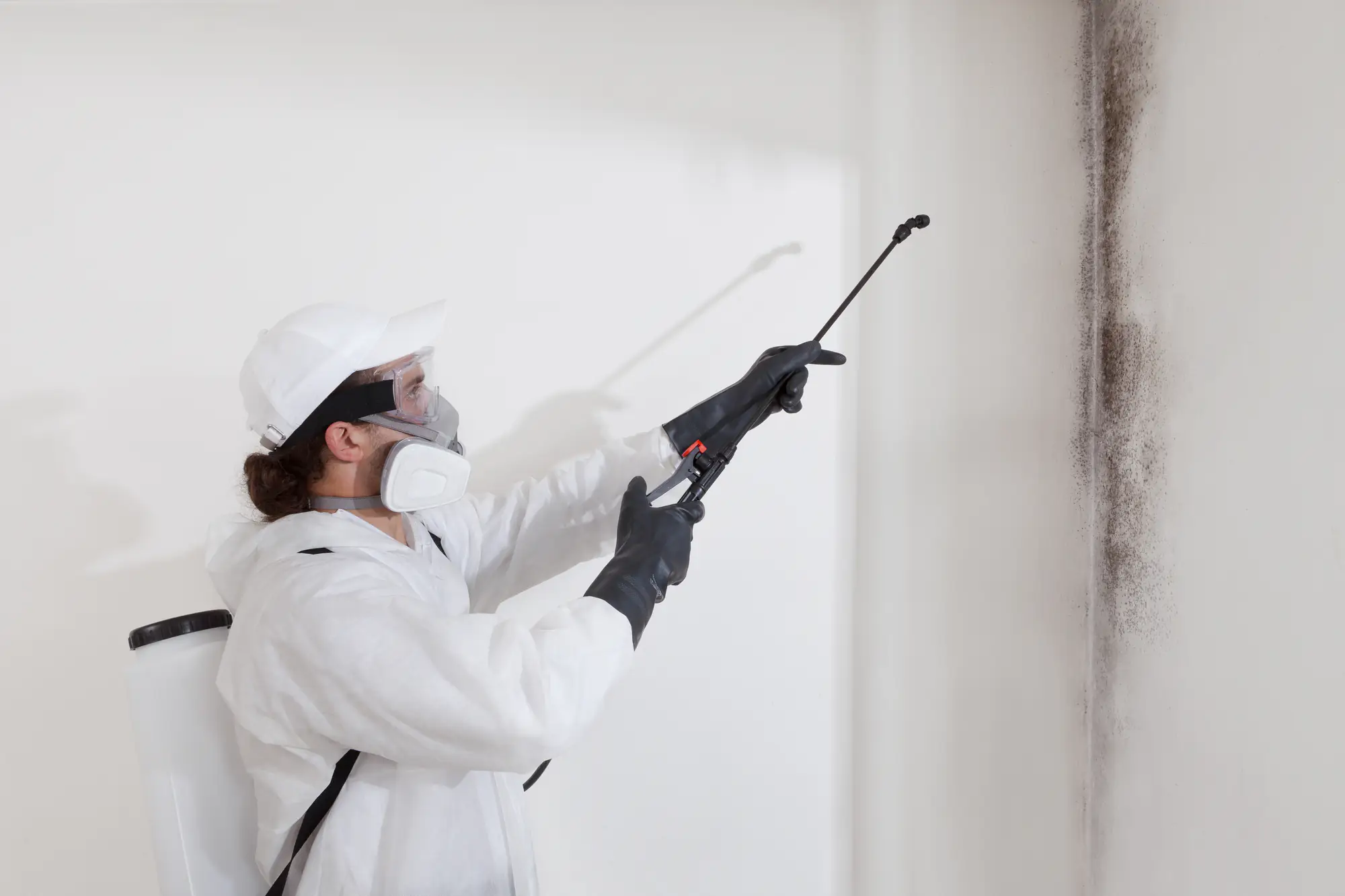
Then we contain the area to prevent mold spores from spreading during removal. We use negative air pressure and physical barriers—the same methods used in commercial remediation. We remove contaminated materials, treat affected surfaces, and clean the air with HEPA filtration.
After the mold is gone, we fix the source. That might mean repairing a leak, improving ventilation, or waterproofing a basement. If you need reconstruction after removal, we handle that too. You’re not coordinating three different contractors.
Finally, we verify the work. You get documentation showing the mold is gone and the environment is safe. That matters if you’re selling your home or just want peace of mind.
Ready to get started?
You get a full assessment of your property, including moisture mapping and air quality testing. We identify all mold types—black mold, attic mold, crawl space mold—and the conditions that let them grow.
Containment and removal follow EPA guidelines. We don’t just spray bleach and hope for the best. We remove contaminated materials safely, treat surfaces with antimicrobial solutions, and use industrial-grade air scrubbers to clean spores from the air.
Water mold restoration is part of the process if your mold problem started with flooding or a leak. We dry out the affected areas properly—because if moisture stays, mold comes back. Pennsylvania’s climate makes this especially important. High summer humidity and wet springs create perfect conditions for mold growth, and Middletown’s older housing stock wasn’t always built with modern moisture control.
You also get help with insurance claims if applicable, plus documentation for real estate transactions. And if repairs are needed after mold removal—new drywall, flooring, paint—we handle that so you’re not managing multiple companies.
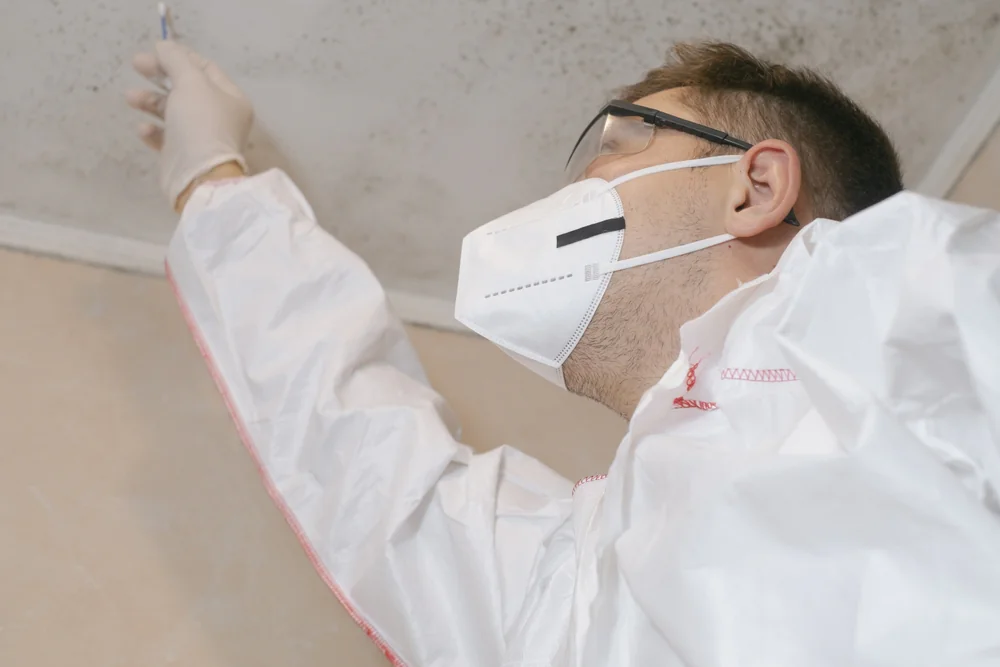
Mold starts growing within 24 to 48 hours after materials get wet. That’s not a lot of time, especially if you’re dealing with a basement flood or roof leak and trying to figure out your next move.
In Middletown’s climate, the timeline can be even faster during humid months. Pennsylvania summers create ideal conditions—warm temperatures and high moisture levels. If wet drywall, insulation, or wood isn’t dried out completely within that 48-hour window, mold colonies establish themselves behind surfaces where you can’t see them.
This is why water damage needs immediate attention. Waiting even a few days can turn a manageable cleanup into a full mold remediation project. If you’ve had any kind of water intrusion, getting a professional inspection quickly can save you thousands in repairs down the road.
Mold removal sounds like you’re getting rid of every single spore, but that’s not realistic. Mold spores exist everywhere—in the air, on surfaces, outdoors and indoors. Removing every spore isn’t possible and isn’t the goal.
Mold mitigation is about bringing mold levels back to normal and safe. It means removing contaminated materials, cleaning affected areas, treating surfaces to prevent regrowth, and—most importantly—fixing the moisture problem that caused the mold in the first place.
The difference matters because if someone promises to “remove all mold,” they’re either misleading you or don’t understand how mold works. What you actually need is mitigation: getting rid of the active infestation, addressing the source, and creating conditions where mold can’t thrive. That’s what keeps your home safe long-term.
It depends on what caused the mold. If mold resulted from a sudden, accidental event—like a burst pipe or storm damage—most homeowners insurance policies will cover mitigation. If it’s from long-term neglect or a maintenance issue you ignored, probably not.
Pennsylvania insurance policies vary, and some specifically exclude mold coverage or cap it at a low amount unless you purchase additional coverage. You need to check your policy or have someone review it with you.
When we work with homeowners, we help document everything for insurance claims. That includes photos, moisture readings, and detailed reports showing what caused the mold and what’s needed to fix it. Insurance companies want proof that the damage was sudden and that mitigation is necessary—not optional. Having that documentation ready makes the claims process much smoother and increases the chances your claim gets approved.
It depends on how extensive the mold problem is and where it’s located. For small, contained areas—like a bathroom or a section of basement—you can usually stay in your home while we work. We seal off the work area and use negative air pressure to keep spores from spreading to other parts of the house.
For larger infestations, especially if black mold is involved or if the mold is in your HVAC system, it’s often safer to stay elsewhere temporarily. Mold spores get stirred up during removal, and even with containment, exposure can cause respiratory issues, especially for kids, elderly family members, or anyone with asthma or allergies.
We’ll be honest with you during the inspection about whether staying is safe. If we recommend leaving for a few days, it’s because we’ve seen what happens when people try to tough it out. Your health isn’t worth the risk, and mitigation goes faster when we can work without worrying about your family’s exposure.
Musty smells are the first clue, but you won’t always smell mold if it’s hidden in your attic or crawl space. Other signs include visible discoloration on wood or insulation, water stains, condensation on surfaces, or increased allergy symptoms that get worse when you’re home.
Attic mold in Middletown homes usually happens because of poor ventilation or roof leaks. Warm air rises, hits a cold roof deck in winter, and condensation forms. That moisture feeds mold growth on the wood sheathing. Crawl space mold is typically caused by ground moisture, plumbing leaks, or lack of vapor barriers.
The problem is that both areas are out of sight, so mold can get bad before you notice. If you’ve had roof leaks, ice dams, or flooding, or if your home feels more humid than it should, it’s worth getting an inspection. We check these areas specifically because they’re where mold hides and grows unchecked for months or even years.
Not if the source of moisture is fixed. Mold needs water to grow. If you remove the mold but leave the leak, the humidity problem, or the poor ventilation, then yes—it’ll come back.
That’s why real mold mitigation isn’t just about cleaning. It’s about identifying why the mold grew in the first place and fixing that problem. Maybe it’s a roof leak that needs repair. Maybe your crawl space needs a vapor barrier or your bathroom needs better ventilation. Maybe your gutters are dumping water against your foundation.
We don’t just treat the mold. We find the source and address it so you’re not calling us again in six months. And we back that up with documentation and follow-up to make sure the environment stays dry and mold-free. If moisture is controlled, mold doesn’t come back. It’s that straightforward.
Other Services we provide in Middletown