
Hear from Our Customers
You can’t fix what you can’t measure. That headache that won’t go away, the cough your kid’s had for weeks, the stuffiness that hits every time you walk in the door—these aren’t always allergies or bad luck.
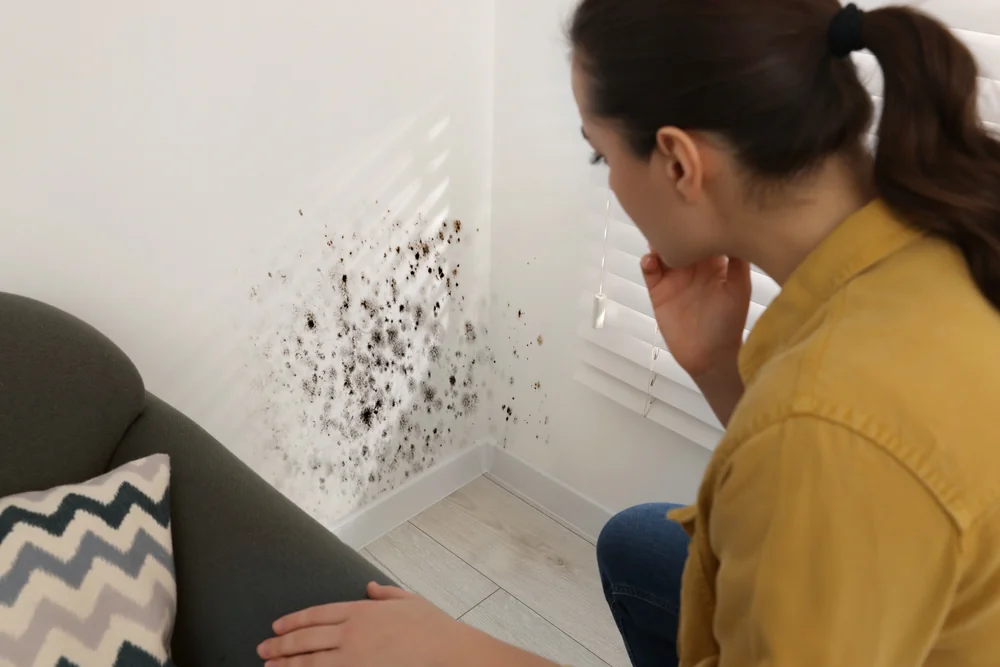
Indoor air quality problems are invisible until they’re not. By the time you see mold or smell something off, you’ve been breathing contaminated air for weeks or months. Most home air quality tests only catch large visible spores and miss the mold chemicals and hundreds of other toxins still affecting your health.
A professional air quality test gives you the full picture. We’re looking for mold spores, volatile organic compounds, radon, carbon monoxide, and other pollutants that standard tests miss. You get lab-backed data on what’s in your air and how much of it, so you know exactly what needs fixing and what doesn’t.
We’ve been serving Middletown and the surrounding Bucks County area with professional mold remediation and indoor air quality testing. Our technicians are trained mold remediation professionals who use EPA-approved methods and advanced equipment to identify problems most homeowners never see coming.
We’re not the cheapest option in Middletown, and that’s intentional. You’re paying for accurate detection, proper lab analysis, and a team that knows the difference between surface mold and a systemic air quality problem. We’ve seen what happens when homeowners skip testing or rely on DIY kits—they end up paying more to fix problems that spread because they didn’t know the full scope.
Bucks County has its share of air quality challenges. The Lancaster and Lebanon metro areas rank among the top 25 worst for pollution in Pennsylvania, and radon is a known issue across the state. We know what to look for locally, and we know how to test for it correctly.
We start with a free inspection of your property. You tell us what you’ve noticed—symptoms, smells, visible issues—and we look at the areas most likely to harbor mold or poor air quality. That means checking basements, crawl spaces, HVAC systems, bathrooms, and anywhere moisture tends to collect.
Next, we take air samples using professional-grade equipment. We’re testing for mold spores, VOCs, radon levels, and other airborne contaminants. These samples go to a certified lab for analysis, not some in-house kit that gives you a yes-or-no answer.
Once the lab results come back, we walk you through what we found. You’ll see exactly what’s in your air, at what concentration, and whether it’s above safe thresholds. Then we talk about what needs to happen next—whether that’s mold remediation, moisture control, ventilation improvements, or radon mitigation. We don’t sell you services you don’t need. If your air tests clean, we’ll tell you.
Ready to get started?
A standard home air quality test from us includes sampling for airborne mold spores, moisture readings, and visual inspection of problem areas. Most homeowners in Middletown spend between $292 and $585 for a complete indoor air quality assessment, depending on the size of the home and what we’re testing for.
If you’re concerned about specific contaminants—radon, VOCs from new construction or renovations, carbon monoxide—we can add those to the testing panel. Radon is a real concern in Pennsylvania. It’s colorless, odorless, and responsible for thousands of lung cancer deaths every year. You won’t know it’s there unless you test.
We also identify the source of contamination, not just the symptoms. Finding mold spores in the air is one thing. Finding the leak or humidity issue causing them is another. We look at your HVAC system, check for water intrusion, measure humidity levels, and inspect areas where mold grows unnoticed—behind walls, under flooring, in ductwork.
After testing, you get a detailed report with lab results, our findings, and recommendations. If remediation is needed, we handle that too. If it’s a ventilation or moisture issue, we’ll tell you what to fix and how to prevent it from coming back. The goal is to give you a clear path forward, not a sales pitch.
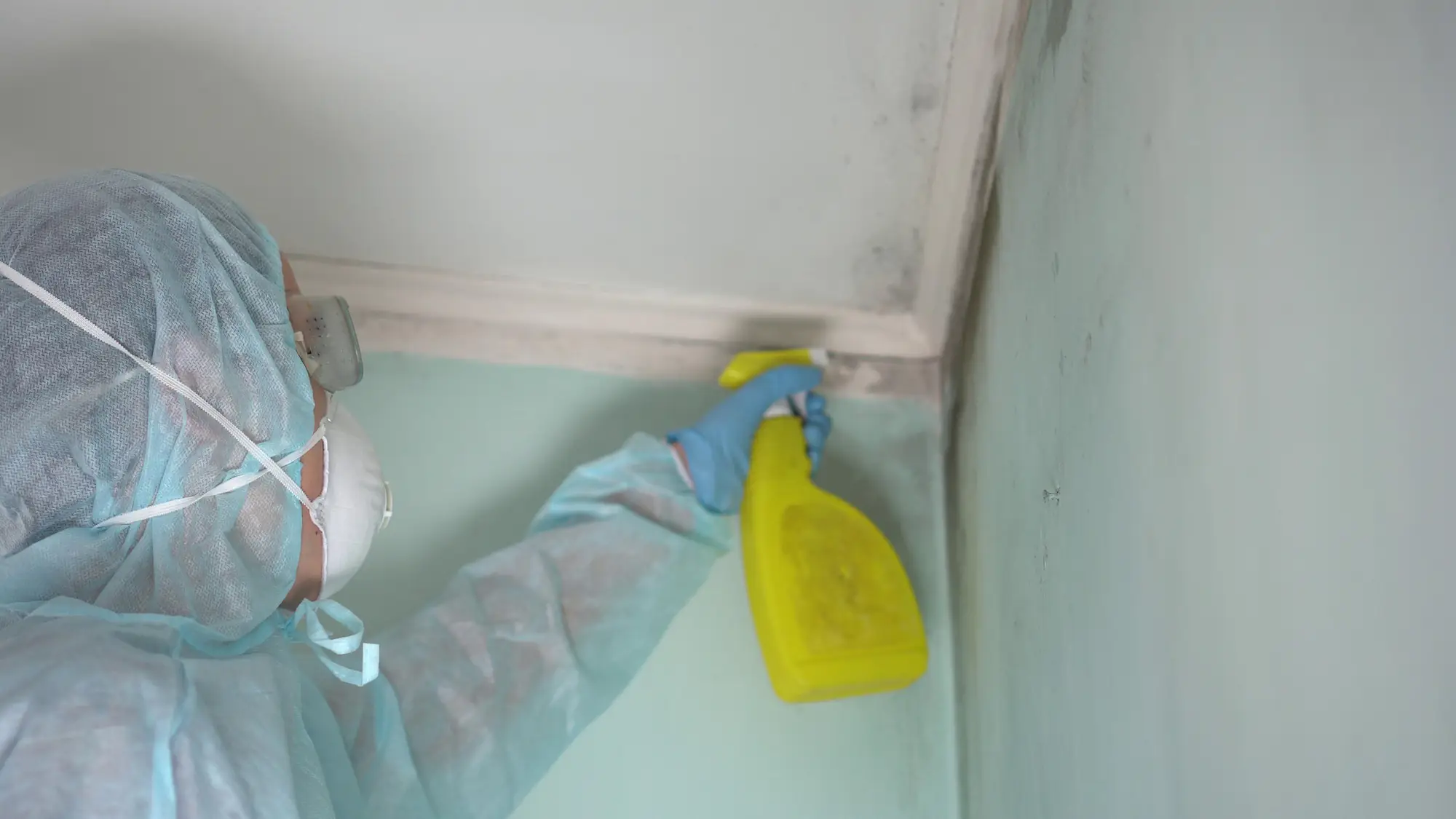
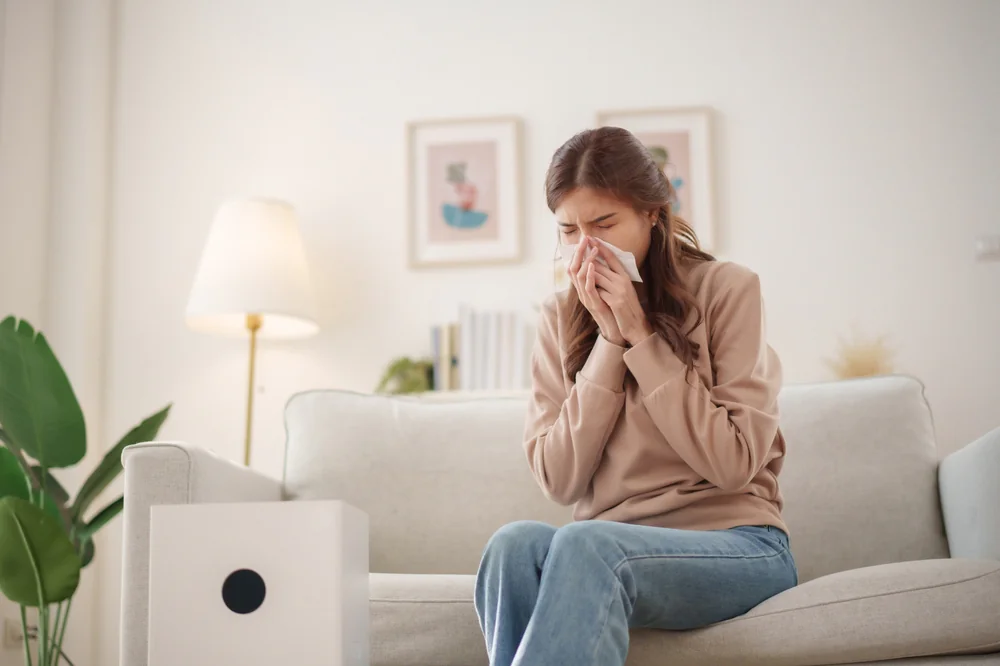
If anyone in your home is dealing with unexplained respiratory issues, frequent headaches, dizziness, or allergy symptoms that don’t go away, your indoor air quality might be the problem. Mold exposure causes coughing, sneezing, sinus irritation, and fatigue—symptoms that are easy to write off as seasonal allergies or stress.
You should also test if you’ve had recent water damage, notice a musty smell, see visible mold, or live in an older home. Homes that are well-sealed for energy efficiency can trap pollutants inside, making indoor air up to five times more polluted than outdoor air. DIY test kits only catch large visible mold spores and miss the mold chemicals and other toxins that affect your health.
A professional test gives you lab-verified data on what’s actually in your air. It’s not about fear—it’s about knowing. If your air is fine, you’ll have confirmation. If it’s not, you’ll know what to fix and how serious it is.
A mold air test specifically measures airborne mold spores and identifies the types present in your home. It’s useful if you suspect mold but can’t find the source or want to confirm that remediation worked. We take air samples from multiple areas, send them to a lab, and get back a report showing spore counts and species.
A full indoor air quality test goes further. It checks for mold, but also tests for VOCs, radon, carbon monoxide, humidity levels, and other airborne pollutants. VOCs come from paint, cleaning products, new furniture, and building materials—they’re especially high in newer or recently renovated homes. Radon is a naturally occurring gas that seeps into homes through cracks in the foundation and is a leading cause of lung cancer.
If you’re dealing with health symptoms or just want a complete picture of your indoor environment, the full test is the better option. If you’ve already identified mold as the issue and just need confirmation or post-remediation testing, the mold air test is enough. We’ll help you decide which makes sense based on what you’re dealing with.
The on-site portion of the test usually takes one to two hours, depending on the size of your home and how many areas we’re sampling. We’re collecting air samples, taking moisture readings, inspecting problem areas, and documenting what we find. You don’t need to do anything except give us access to the areas we need to check.
After we collect samples, they go to a certified lab for analysis. Lab results typically come back within three to five business days. Once we have the data, we’ll schedule a time to go over the findings with you—either in person or over the phone.
If you’re dealing with an urgent situation—visible mold growth, recent flooding, strong odors—we can prioritize your test and expedite lab processing. We also offer 24/7 emergency service for situations that can’t wait. The faster you know what’s in your air, the faster you can address it.
No. Air quality testing is non-invasive. We’re collecting air samples, taking moisture readings with handheld meters, and doing a visual inspection of accessible areas. We’re not cutting into walls or tearing up flooring unless you’ve already identified a problem area and asked us to investigate further.
If we suspect hidden mold based on moisture readings or visible signs, we might recommend a more invasive inspection—but that’s a separate step and only happens with your approval. Most of the time, air sampling and surface testing give us enough information to tell you what’s going on.
The equipment we use is professional-grade but straightforward—air pumps, moisture meters, and sampling cassettes. Nothing loud, nothing messy. We treat your home with respect, and we clean up after ourselves. You won’t know we were there except for the report you get afterward.
Most homeowners in Middletown pay between $292 and $585 for a standard indoor air quality assessment. The cost depends on the size of your home, how many rooms or areas we’re testing, and what specific contaminants you want us to check for. A basic mold air test is on the lower end. A comprehensive test that includes VOCs, radon, and multiple air samples is on the higher end.
We offer free inspections, so you’re not paying anything upfront just to have us come out and assess the situation. If testing makes sense, we’ll give you a clear price before we start. No surprises, no upselling.
If remediation is needed after testing, we’ll give you a separate estimate for that work. Some homeowners’ insurance policies cover mold testing and remediation, especially if it’s related to a covered event like a pipe burst or storm damage. We can work with your insurance company to help with the claims process. The cost of testing is small compared to the cost of ignoring a problem that gets worse.
You can, but you’ll get limited results. Most DIY kits only test for large visible mold spores and don’t measure mold chemicals, VOCs, radon, or other toxins that affect your health. They also don’t tell you where the contamination is coming from or how to fix it. You might get a positive result and still have no idea what to do next.
Professional testing uses lab-grade equipment and certified analysis. We’re not just checking for presence—we’re measuring concentration, identifying species, and comparing results to EPA and WHO safety guidelines. That level of detail matters when you’re deciding whether to invest in remediation or when you’re trying to protect your family’s health.
DIY kits also have a high rate of false positives and false negatives. You could get a clean result and still have a mold problem, or you could get a positive result from normal background spore levels that aren’t actually a threat. Professional testing removes the guesswork. You get accurate data, a clear explanation, and a plan. If you’re serious about understanding your indoor air quality, a professional test is worth the investment.
Other Services we provide in Middletown