
Hear from Our Customers
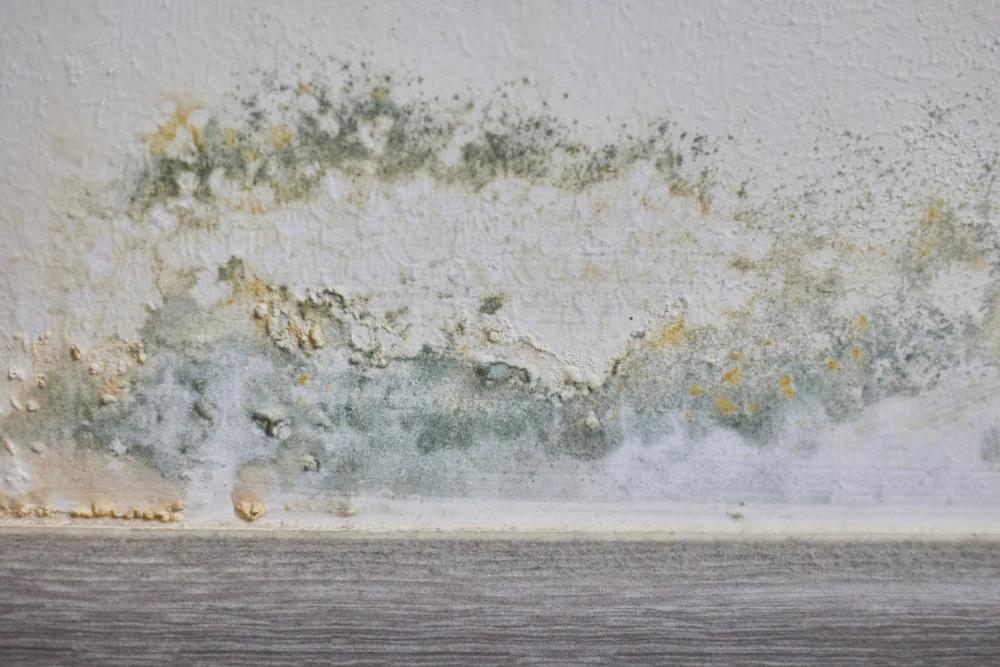
You’re not dealing with surface stains anymore. The air in your home feels cleaner because HEPA filtration removed 99.97% of airborne mold spores during remediation. Your family stops experiencing the stuffy nose, sore throat, and eye irritation that made everyone miserable.
The real win? Your property value stays protected. Water intrusion and mold damage can drop home values by 20-37%, but proper mold mitigation services catch the problem before that happens.
You also stop worrying about it spreading. DIY attempts often miss hidden mold behind walls and in HVAC systems, then disturb spores and make contamination worse. Professional mold mitigation means containment barriers, negative air pressure, and post-remediation testing that confirms mold levels dropped below 200 spores per cubic meter—the industry safety standard.
We’ve worked in Middletown and throughout Bucks County since 1997. We’re IICRC-certified, which means our technicians follow EPA-approved protocols for every inspection, test, and remediation job.
We know this area. Middletown’s climate and older housing stock create specific mold challenges—basements that flood during heavy rain, attics with poor ventilation, and crawl spaces that stay damp year-round. We’ve seen it all, and we know how to fix it permanently.
You’re not getting a national franchise that treats every job the same. You’re working with a local team that understands Pennsylvania’s mold regulations and has relationships with local insurance adjusters who handle claims in this area.
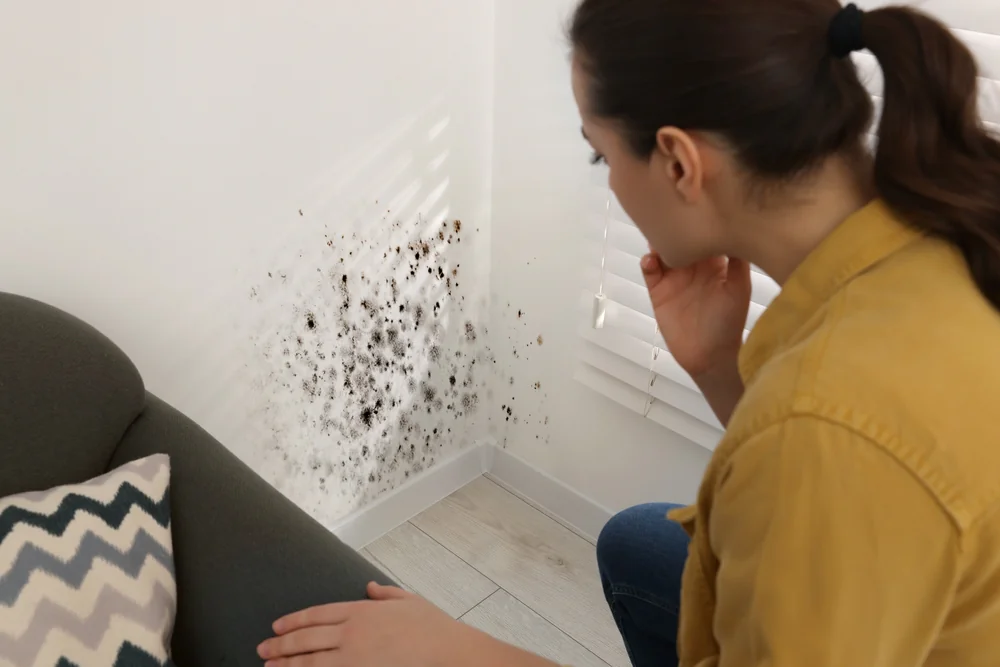
First, we inspect your property for free. That means checking visible areas, but also using moisture meters and thermal imaging to find hidden mold behind walls, under flooring, and in ceiling cavities. We take air samples and surface samples to identify exactly what type of mold you’re dealing with and how widespread the contamination is.
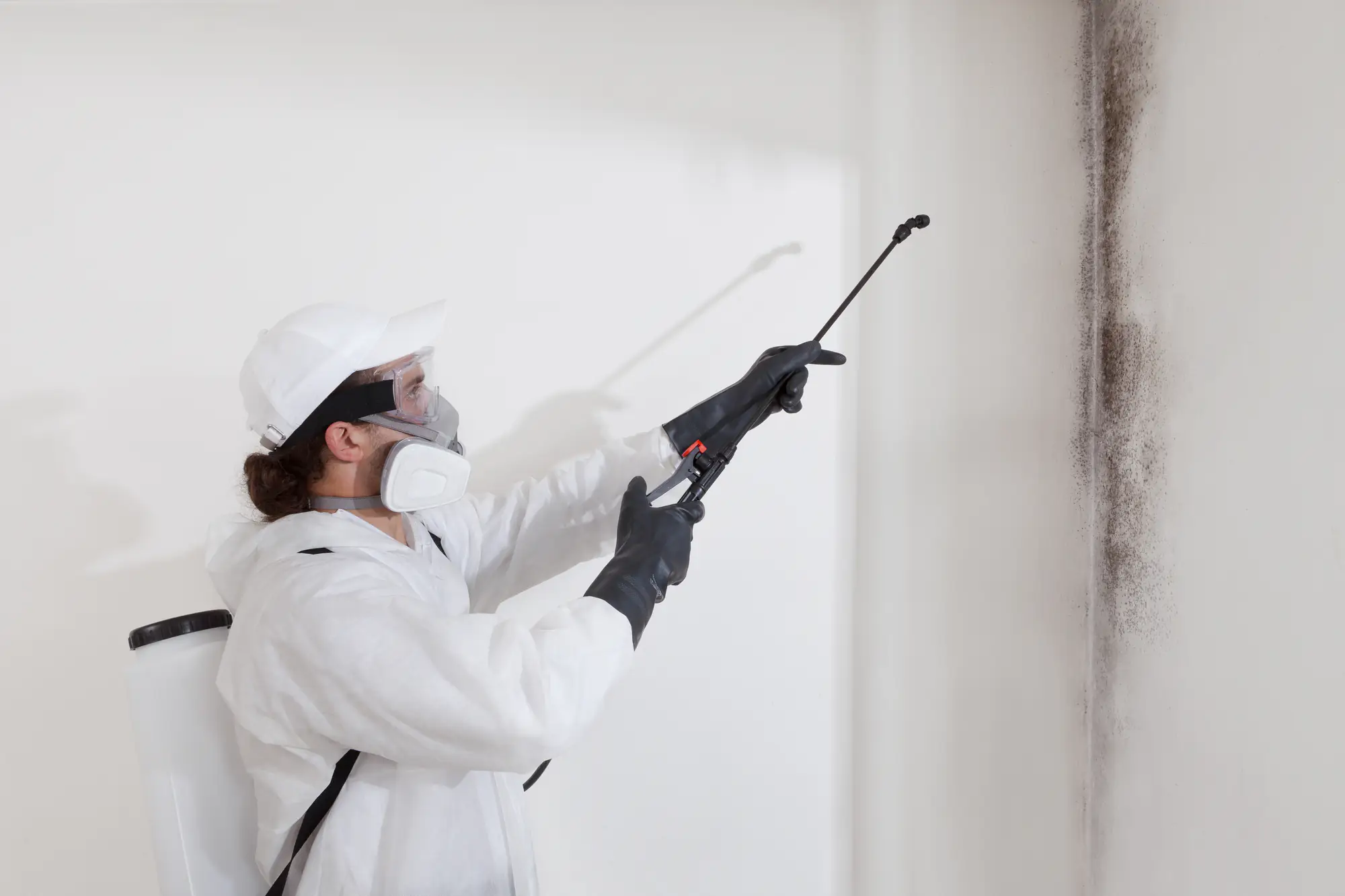
Next, we contain the affected area before removal starts. Physical barriers and negative air pressure prevent mold spores from spreading to clean areas of your home during the work. Then we remove contaminated materials—drywall, insulation, carpeting—and HEPA-vacuum all surfaces. Air scrubbers run continuously to filter spores out of the air.
But here’s the critical part most companies skip: we fix the moisture problem. If there’s a roof leak, plumbing issue, or humidity problem, we identify it and make sure it gets addressed. Otherwise, mold just comes back in a few months. After remediation is complete, we do post-testing to verify mold levels are back to normal and give you documentation for your records or insurance claim.
Ready to get started?
You get a certified inspection that identifies all mold growth, not just what’s visible. We test for black mold (Stachybotrys) and other toxic species that cause the worst health reactions. In Pennsylvania, asthma rates among children average 13.9%—nearly double the national rate—and mold contamination contributes to 25% of asthma cases. If you or your kids are experiencing respiratory symptoms, testing tells you whether mold is the culprit.
Complete containment and removal comes next. We don’t just wipe down surfaces. Contaminated materials get bagged and disposed of properly. HEPA air scrubbers run during the entire job. We treat all affected surfaces with antimicrobial solutions to kill remaining spores.
You also get moisture control recommendations. Maybe that means fixing a foundation crack, improving attic ventilation, or installing a dehumidifier in your basement. We’ll tell you exactly what needs to happen to keep mold from returning. And if you’re filing an insurance claim, we’ll coordinate directly with your adjuster and provide all the documentation they need. Most homeowners insurance covers mold remediation when it results from a covered water damage event like a burst pipe or roof leak.
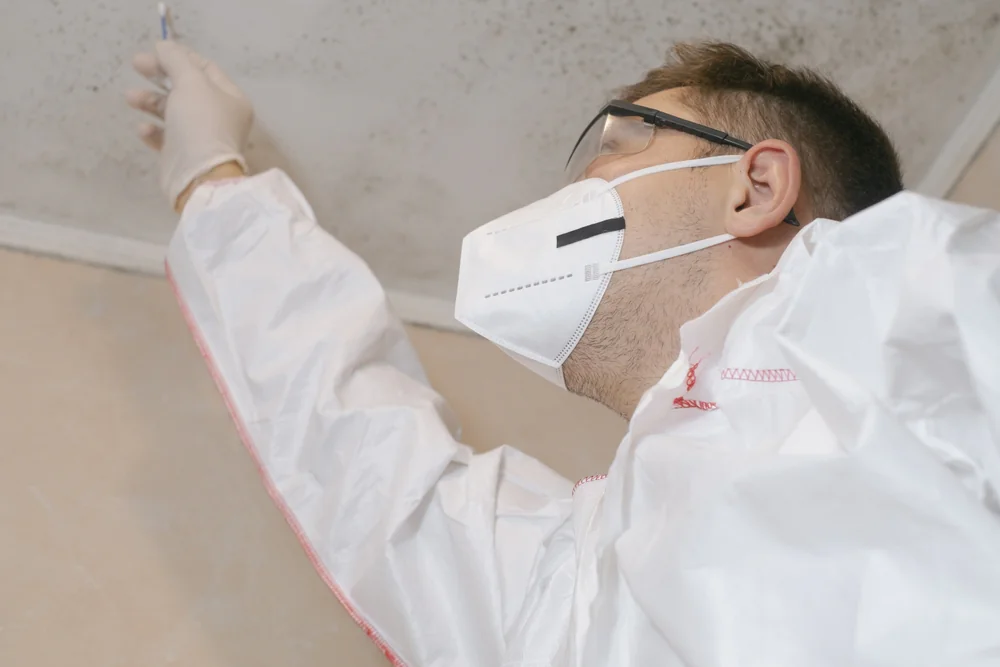
Most residential mold mitigation jobs in Middletown take 3-5 days from start to finish. That timeline assumes a typical scenario—mold growth in a basement, bathroom, or attic affecting 100-300 square feet.
Day one is inspection and testing. We identify the extent of contamination and the moisture source. Day two, we set up containment and start removal. Days three and four involve removing contaminated materials, cleaning all surfaces, and running air scrubbers. Day five is post-testing to confirm the job is complete.
Larger jobs take longer. If mold has spread throughout multiple rooms or into your HVAC system, you’re looking at 7-10 days. Emergency situations where we need to respond to active water damage can start within hours—we’re available 24/7—but the full mitigation process still takes several days once we begin. The key is responding fast. Mold starts growing within 24-48 hours after water damage, so the sooner we start, the less extensive the remediation needs to be.
It depends on what caused the mold. Pennsylvania homeowners insurance typically covers mold remediation when it results from a sudden, accidental water damage event that’s covered under your policy—things like burst pipes, roof leaks from storm damage, or appliance malfunctions.
What insurance usually doesn’t cover is mold from long-term neglect, maintenance issues, or flooding. If your basement flooded because you didn’t fix a known foundation crack, that’s likely not covered. If mold grew because of chronic humidity you didn’t address, same thing.
The best approach is to file a claim as soon as you discover water damage, before mold even starts growing. Insurance companies are more likely to cover mold remediation when it’s clearly connected to a recent covered event. We work directly with insurance adjusters in Bucks County and can help you navigate the claims process. We’ll provide detailed documentation, photos, and moisture readings that support your claim. Most policies have a mold coverage limit—often $10,000—so knowing what’s covered upfront helps you plan.
Mold removal sounds like you’re getting rid of every single mold spore in your home. That’s impossible. Mold spores exist everywhere—they’re part of normal outdoor and indoor air. You can’t eliminate them completely.
Mold mitigation is the accurate term for what actually happens during professional remediation. We reduce mold levels back to normal, naturally occurring levels that don’t cause health problems or property damage. That means removing mold growth, cleaning contaminated surfaces, filtering the air, and fixing the moisture problem so mold doesn’t regrow.
Here’s why that distinction matters: companies that promise complete “mold removal” are either misleading you or don’t understand the science. Professional mold mitigation companies focus on bringing mold levels back to safe levels—typically below 200 spores per cubic meter based on air testing. We document pre- and post-remediation levels so you have proof the job was done right. The EPA uses the term “mold remediation” for the same reason. It’s about restoring your indoor environment to healthy conditions, not achieving an impossible standard of zero mold.
If you can see mold growth larger than 10 square feet, you can usually skip testing and go straight to mitigation. The EPA says visible mold needs to be removed regardless of what type it is, so testing doesn’t change your next step.
But testing makes sense in several situations. If you’re experiencing health symptoms—chronic coughing, sinus issues, headaches—but can’t find visible mold, air testing tells you whether mold is actually the problem. If you smell a musty odor but can’t locate the source, testing helps us find hidden mold behind walls or in HVAC ducts.
Testing is also critical after mitigation is complete. Post-remediation testing confirms that mold levels dropped back to normal and the job was successful. This documentation matters if you’re selling your home or dealing with an insurance claim. In Middletown, where older homes often have multiple moisture issues, testing can reveal whether mold is growing in your attic, crawl space, or basement even when you don’t see it. We use both air samples and surface samples to get accurate results. Air samples measure spore concentration in your indoor air compared to outdoor levels. Surface samples identify specific mold species growing on materials.
The EPA says homeowners can handle mold cleanup on small areas—less than 10 square feet—if the mold resulted from clean water and you don’t have health conditions like asthma or mold allergies. That means a small patch on bathroom tile or a corner of drywall near a leaky pipe.
But here’s what makes DIY risky. You might be seeing a small area of surface mold while missing the larger problem behind the wall. Mold grows on the back of drywall, inside wall cavities, and under flooring where you can’t see it. Scrubbing visible mold without addressing the hidden growth means it comes right back.
DIY attempts also spread contamination if you’re not careful. Disturbing mold releases thousands of spores into the air. Without proper containment and air filtration, you’re spreading the problem to other rooms. Professional mold mitigation uses negative air pressure and HEPA filtration to prevent that. If the mold resulted from sewage backup or contaminated water, don’t touch it yourself—that requires professional remediation with proper safety equipment. Same goes for black mold or if anyone in your home has respiratory issues. The health risk isn’t worth saving a few hundred dollars. We offer free inspections in Middletown, so you can get a professional assessment before deciding whether to DIY or hire us.
Mold comes back because the moisture source wasn’t fixed. Mold needs three things to grow: moisture, organic material (like wood or drywall), and oxygen. You can’t eliminate the organic materials or oxygen in your home, so controlling moisture is the only way to prevent mold permanently.
If you had mold remediation but didn’t fix the roof leak, plumbing issue, or humidity problem that caused it, mold will regrow within weeks or months. That’s why professional mold mitigation includes identifying and addressing the underlying moisture problem. Maybe your basement needs better drainage or a sump pump. Maybe your bathroom exhaust fan isn’t vented properly. Maybe your attic needs more ventilation to prevent condensation.
In Middletown’s climate, humidity control is critical. Basements and crawl spaces need dehumidifiers to keep relative humidity below 50%. Without that, mold grows even without an obvious water leak. Another reason mold returns is incomplete remediation. If the company only cleaned visible mold and didn’t remove contaminated materials or treat hidden growth, spores remain and start growing again when conditions are right. That’s why we do post-remediation testing—to verify mold levels actually dropped to safe levels and the job was complete. We also provide specific recommendations for preventing future mold based on your property’s unique issues.
Other Services we provide in Middletown