
Hear from Our Customers
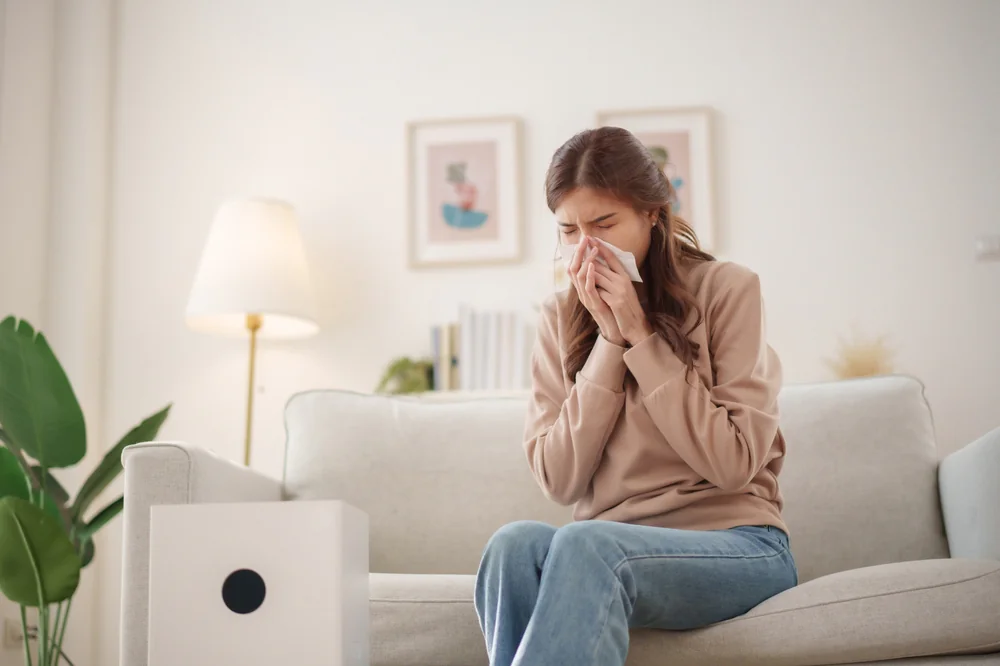
You’re tired more than usual. The kids have been coughing for weeks. Your allergies act up the second you walk through the front door. You’ve cleaned everything, changed the filters, opened the windows—and nothing’s changed.
Here’s what most people don’t realize: the air inside your Upper Southampton, PA home can be two to five times more polluted than the air outside. And you can’t see most of it.
A home air quality test gives you the actual data. We measure mold spores, volatile organic compounds, particulate matter, and allergens. Then we tell you what’s high, what’s normal, and what needs attention. No guessing. No wondering if it’s all in your head. Just clear answers about what you’re breathing and how to improve it.
We’ve been serving homeowners across Bucks County for years, and we’ve seen what poor indoor air quality does to families. We’ve tested homes after water damage, after renovations, and after years of unexplained symptoms that doctors couldn’t pin down.
Our team uses moisture meters, infrared cameras, air sampling equipment, and surface analysis to find what’s actually in your air. Every inspector carries certifications from the American Indoor Air Quality Council and the American Council for Accredited Certifications—not because we need wall decorations, but because this work requires real training.
Upper Southampton, PA homes deal with humidity from our climate, older construction that traps moisture, and seasonal allergens that get locked inside. We know what to look for here because we’ve tested hundreds of local properties.
First, we walk through your home and ask about symptoms, problem areas, and any visible issues like water stains or musty smells. This helps us know where to focus.
Then we set up air sampling equipment in key areas—bedrooms, living spaces, basements, anywhere you’re concerned about. We also take surface samples if we see potential mold growth or suspect hidden contamination behind walls or in crawl spaces. The equipment runs for a set period to capture an accurate snapshot of what’s in your air throughout the day.
Once we collect the samples, they go to a certified lab for analysis. You get a detailed report that breaks down mold spore counts, allergen levels, VOC concentrations, and particulate matter. We review the results with you in plain language and explain what’s elevated, what’s normal, and what needs to be addressed.
If we find mold or other contaminants, we give you a clear remediation plan. If your air quality is fine, you’ll have peace of mind and documentation to prove it.
Ready to get started?
Every residential air quality testing appointment includes visual inspection, air sampling, and surface testing where needed. We’re looking for mold spores, which can trigger respiratory issues and allergic reactions even when you can’t see visible growth. We test for volatile organic compounds that off-gas from building materials, furniture, and cleaning products. We measure particulate matter—the fine dust and debris that gets deep into your lungs.
In Upper Southampton, PA, we see a lot of basement moisture issues and attic ventilation problems. Both create conditions where mold thrives and air quality tanks. We use infrared cameras to spot temperature differences that indicate moisture intrusion, and moisture meters to measure exactly how wet your building materials are.
You’ll get lab-certified results, a written report, and a consultation to review findings. If remediation is needed, we’ll walk you through the process and give you a clear scope of work. If your air is clean, you’ll have documentation you can use for real estate transactions or just for your own confidence.
The whole process usually takes a few hours onsite, then a few days for lab results. We don’t drag it out.
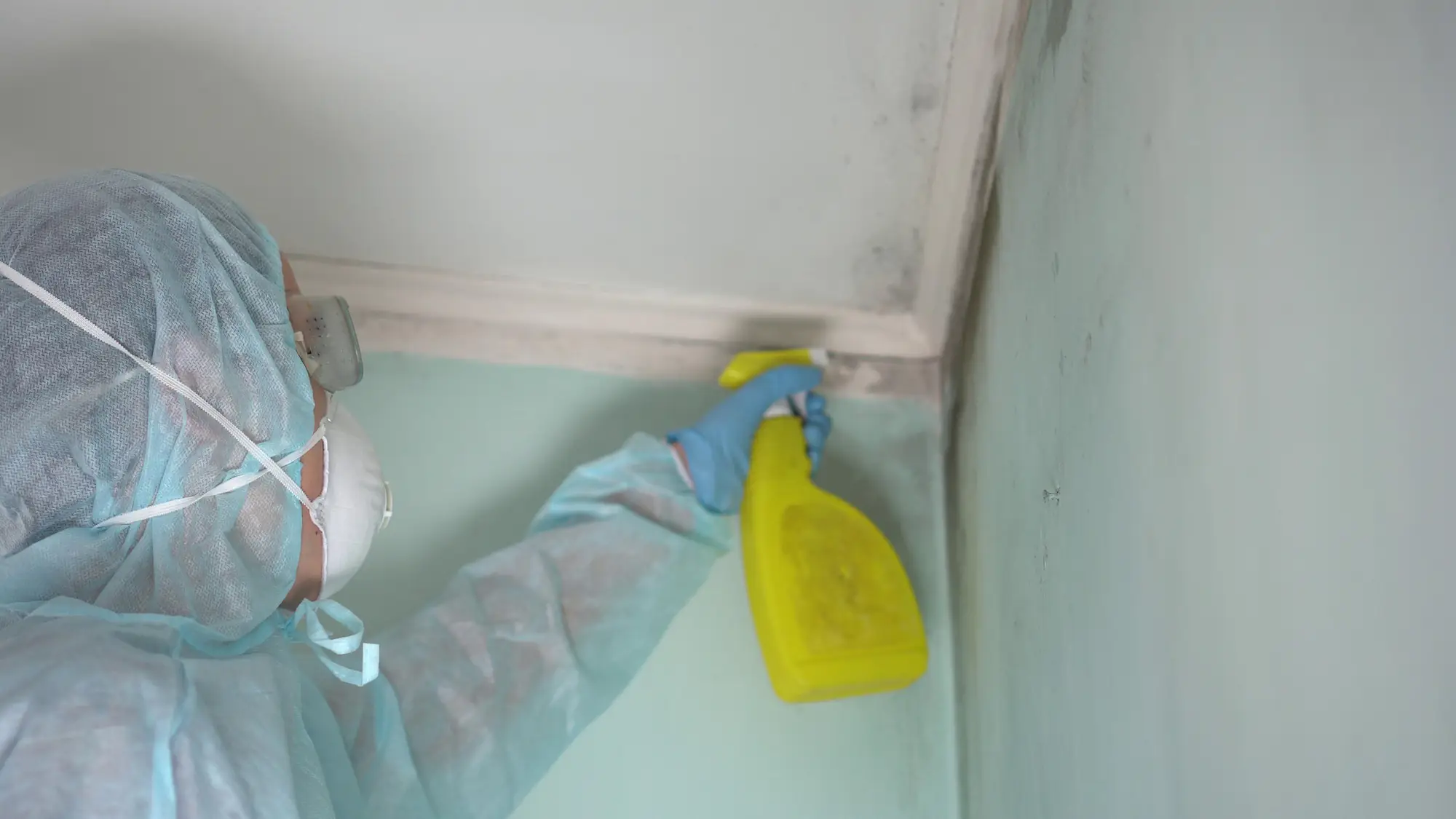
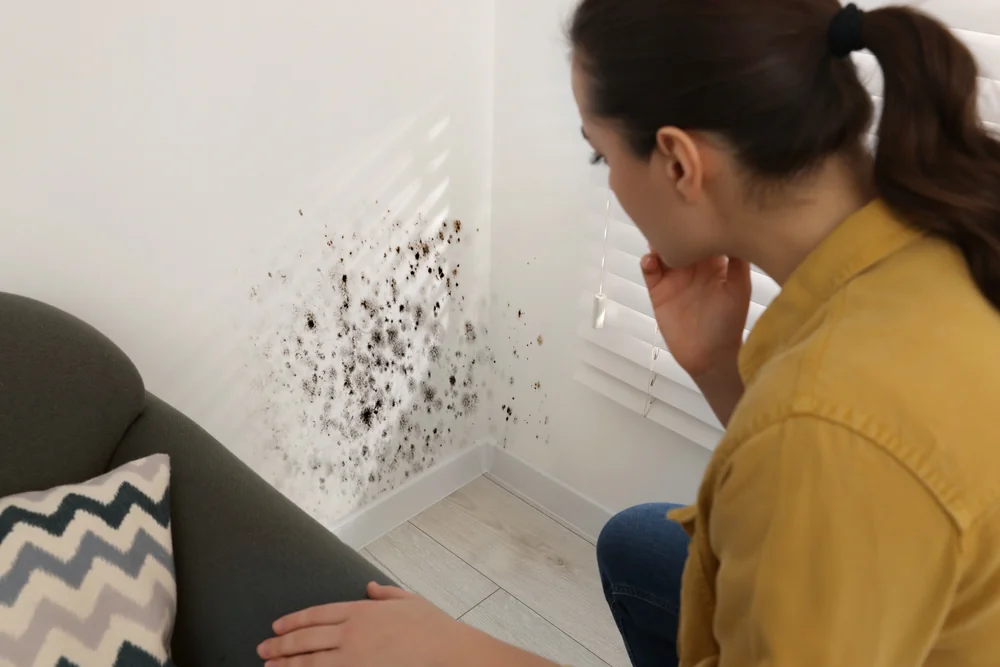
If you’re seeing visible mold, smelling musty odors, or dealing with unexplained respiratory symptoms, a mold air test makes sense. It measures airborne mold spore concentrations and identifies the specific types of mold present. This is critical because some molds are more hazardous than others, and spore counts tell us whether you have an active problem or just normal background levels.
A general indoor air quality test covers more ground. It includes mold, but also VOCs, allergens, and particulate matter. If you’re not sure what’s causing your symptoms—or you just want a complete picture of what you’re breathing—the full air quality test gives you more data to work with.
Most of our Upper Southampton, PA clients start with the comprehensive test. It costs a bit more upfront, but you’re not guessing about what’s wrong. You’re testing for everything that could be affecting your health, and you only pay for remediation on the issues we actually find.
There’s no universal “safe” threshold because people react differently to mold exposure. But here’s the general rule: if your indoor mold spore count is significantly higher than the outdoor count, you likely have an indoor source that needs attention. We compare your indoor samples to outdoor baseline samples taken the same day.
Certain mold types are red flags regardless of count. Stachybotrys, often called black mold, produces mycotoxins and should always be remediated. Aspergillus and Penicillium species can also cause health issues, especially in people with asthma or compromised immune systems.
The lab report will show spore counts per cubic meter of air and identify species. We review those numbers with you and explain what’s normal, what’s elevated, and what requires immediate action. If your levels are high, we don’t just hand you a report and leave—we give you a remediation plan that addresses the source, removes the contamination, and prevents it from coming back.
Lab turnaround is typically three to five business days after we collect samples. Some labs offer rush processing for an extra fee if you’re in a time crunch—like closing on a home sale or dealing with a health emergency.
Once we get the results, we’ll call you to schedule a review. We don’t just email you a report full of charts and numbers. We walk through the findings, explain what everything means, and answer your questions. That conversation usually takes 20 to 30 minutes, and it’s included in the service.
If the results show a problem, we’ll give you a written remediation estimate within a day or two. If your air quality is good, you’ll have documentation and peace of mind. Either way, you’re not waiting weeks to find out what’s going on in your home.
Standard air quality testing focuses on mold, allergens, VOCs, and particulate matter. Carbon monoxide and radon require separate, specialized testing because they need different equipment and protocols.
Carbon monoxide is usually tested with a detector or monitor that measures CO levels in real time. If you’re concerned about CO—especially if you have gas appliances, a fireplace, or an attached garage—we can refer you to a certified technician who handles that specifically.
Radon testing involves placing a detector in your home for 48 to 96 hours to measure radon gas levels. Radon is a serious health risk in Pennsylvania, and Bucks County has areas with elevated radon potential. We can coordinate radon testing as an add-on service, or you can hire a separate radon specialist.
If you’re buying a home in Upper Southampton, PA, it’s smart to test for all three: air quality, carbon monoxide, and radon. Each one addresses a different risk, and none of them are visible or obvious without testing.
Air quality testing will show you what’s in your air, and that data often points to HVAC issues. If we find high particulate matter or mold spores circulating throughout your home, your ductwork or HVAC system could be distributing contamination. Dirty ducts, clogged filters, and poor ventilation all degrade indoor air quality.
We’ll inspect your HVAC system during the walkthrough and look for visible mold growth, dust buildup, or moisture issues. If your system is part of the problem, we’ll tell you. Sometimes the fix is simple—replace the filter, clean the ducts, improve ventilation. Other times, you need duct remediation or equipment upgrades.
What we won’t do is blame your HVAC system without evidence. We test first, then diagnose. If your air quality is poor and your HVAC is clean, we’ll keep looking until we find the actual source. The goal is to solve the problem, not guess at it.
Cost depends on the size of your home, the number of samples we take, and what you’re testing for. A basic mold air test with a few samples typically runs a few hundred dollars. A comprehensive indoor air quality test that includes mold, VOCs, allergens, and particulate matter costs more because it involves additional lab work and analysis.
We offer a free inspection to assess your situation and give you an accurate quote before we start. That way, you know exactly what you’re paying for and why. No surprise fees, no upselling services you don’t need.
Most Upper Southampton, PA homeowners spend between $300 and $800 for professional air quality testing, depending on scope. That includes the onsite visit, lab analysis, detailed reporting, and a consultation to review results. If remediation is needed, that’s a separate cost, and we’ll give you a written estimate before any work begins. You’re never locked into anything without knowing the full price upfront.
Other Services we provide in Upper Southampton