
Hear from Our Customers
You’re spending 90% of your time indoors. If something’s wrong with your air, you’re breathing it in constantly—and so is everyone else in your home.
That’s the problem with indoor air quality issues. They’re invisible until they’re not. By the time you notice musty smells, see visible mold, or start dealing with unexplained allergies and respiratory problems, contamination has usually been building for weeks or months.
A home air quality test gives you actual data. We test for mold spores, radon levels, humidity problems, and other pollutants that affect your health. You get a clear report showing what’s present, where it’s coming from, and what levels you’re dealing with. No guessing. No waiting until someone gets sick. Just facts you can act on.
We serve Richland Center and the surrounding Bucks County area with residential air quality testing and mold inspection services. We’re local, we respond quickly, and we use the same lab-grade equipment and testing protocols that larger commercial operations use.
Pennsylvania has one of the worst radon problems in the country. About 40% of homes tested here exceed EPA action levels. That’s not a scare tactic—it’s a state health department statistic. We see it in Richland Center homes regularly.
We’re certified specialists who understand what Bucks County homeowners are dealing with. Our testing is thorough, our reports are clear, and we don’t sell you services you don’t need.
We start with a visual inspection of your property. We’re looking for visible mold growth, water damage, humidity issues, and ventilation problems. This gives us a baseline and helps us know where to focus testing.
Next, we collect air samples from multiple areas in your home. We use calibrated equipment to capture airborne particles, spores, and contaminants. Surface samples may also be collected if we see potential mold growth. Everything gets sealed and sent to an independent third-party lab for analysis.
The lab processes your samples and identifies what’s present—mold species, spore counts, radon levels, and other pollutants. We receive detailed results within a few days. Then we walk you through the findings in plain language. You’ll know what was detected, what levels are concerning, and what your options are for addressing any issues.
If problems are found, we explain what remediation looks like, what it costs, and how to prevent recurrence. If your air tests clean, you have documentation and peace of mind.
Ready to get started?
Your residential air quality testing includes a complete property inspection, air sampling from multiple rooms, and surface testing if needed. We test for mold spores, radon gas, humidity levels, and other common indoor pollutants that impact health.
In Richland Center and across Bucks County, radon is a major concern. Pennsylvania’s geology creates conditions where radon gas seeps into homes through foundation cracks and basement floors. You can’t see it, smell it, or taste it—but long-term exposure increases lung cancer risk significantly. Testing is the only way to know if you have a problem.
Mold is the other big issue we test for. Pennsylvania’s humidity, especially during summer months, creates ideal conditions for mold growth. Basements, crawl spaces, bathrooms, and areas with past water damage are common problem spots. A mold air test detects airborne spores even when you can’t see visible growth.
You’ll receive a complete report showing lab results, contamination levels, and our recommendations. If remediation is needed, we explain the process and cost upfront. If your home tests clean, you have documentation for your records or for real estate transactions.
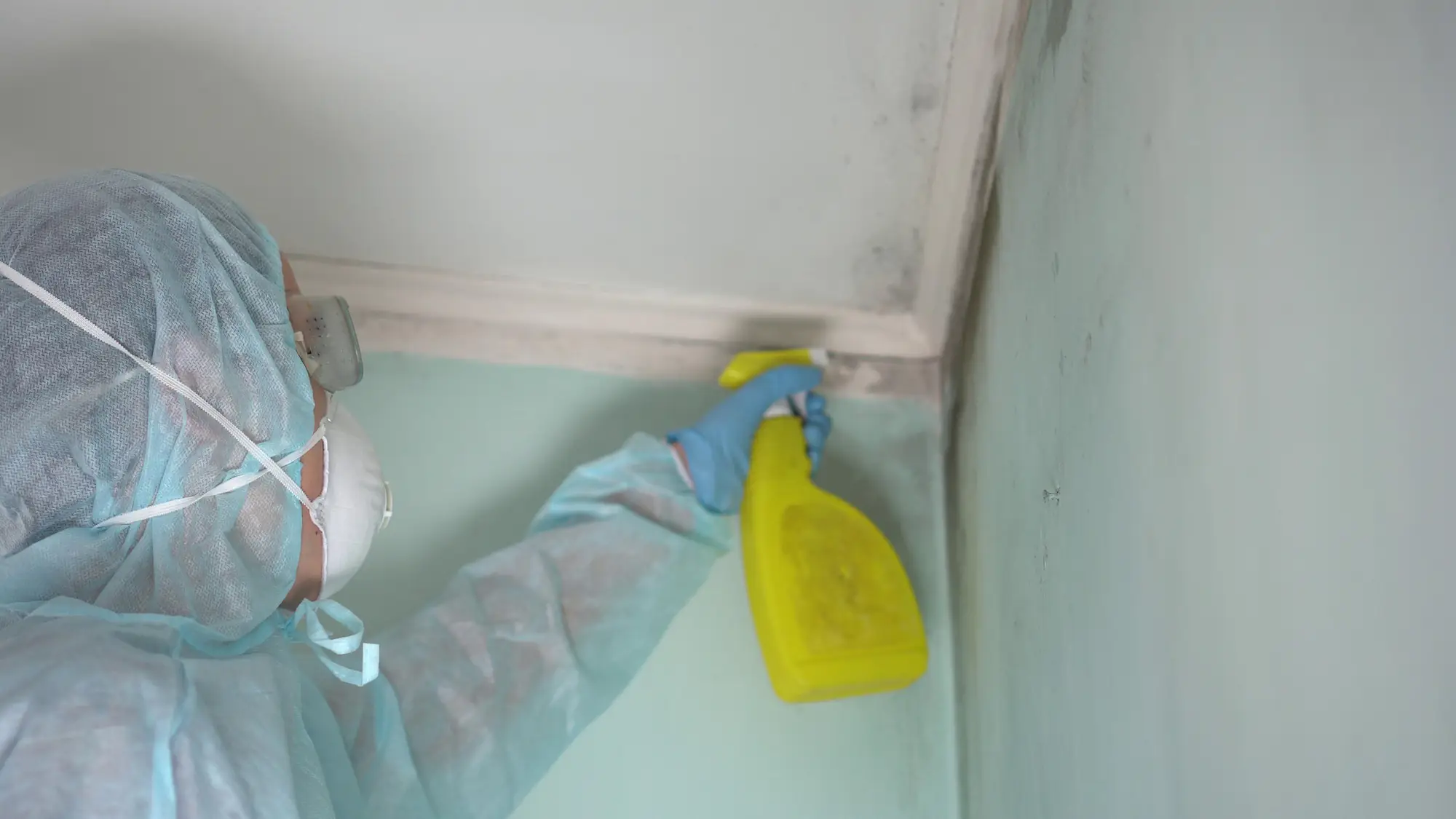
Professional air quality testing typically ranges from $300 to $600 depending on the size of your home and what you’re testing for. A basic mold air test with lab analysis usually starts around $300 to $400. Radon testing can be done separately or combined with mold testing.
The cost covers the inspection, sample collection, independent lab analysis, and a detailed report with recommendations. Some companies charge extra for each room tested or each type of contaminant. We give you transparent pricing upfront based on your specific situation.
If you’re buying or selling a home, testing is often required or strongly recommended. If you’re experiencing health symptoms or have had water damage, testing helps you know whether remediation is necessary. The cost of testing is minimal compared to the cost of ignoring a problem that gets worse over time.
The on-site inspection and sample collection usually takes one to two hours depending on your home’s size and the number of areas we’re testing. We’re not rushing through it—we’re being thorough.
After we collect samples, they go to an independent lab for analysis. Lab results typically come back within three to five business days. Once we receive the results, we contact you to schedule a time to review the findings.
From start to finish, you’re looking at about a week to get complete results and recommendations. If you need faster turnaround for a real estate transaction or urgent situation, let us know upfront. We can often expedite lab processing for an additional fee.
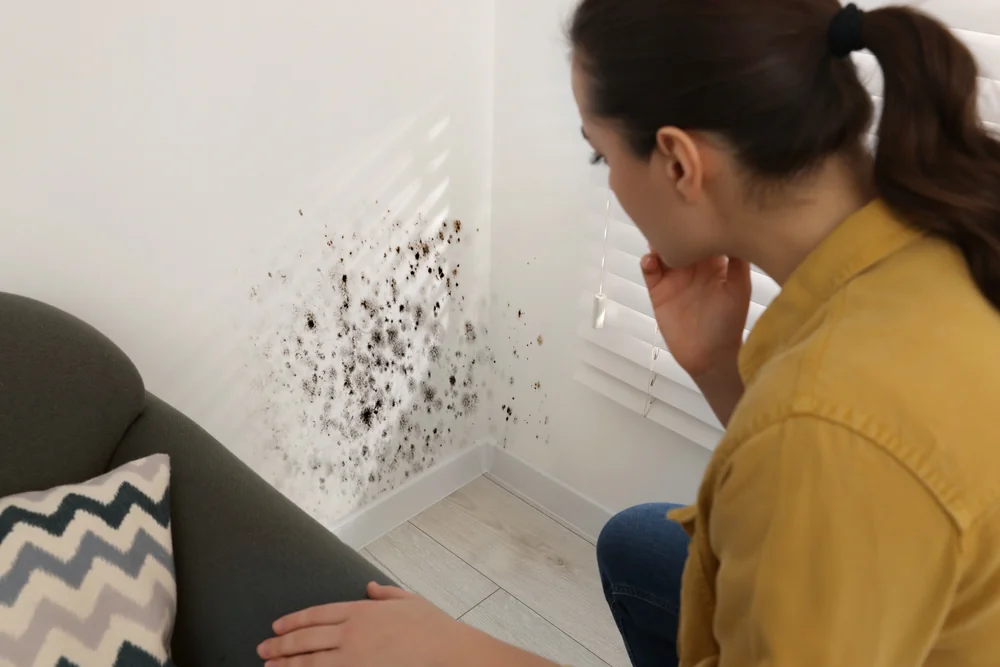
Musty odors are the most obvious sign. If you smell something that reminds you of damp basements or wet cardboard, that’s often mold. Visible mold growth on walls, ceilings, or around windows is another clear indicator.
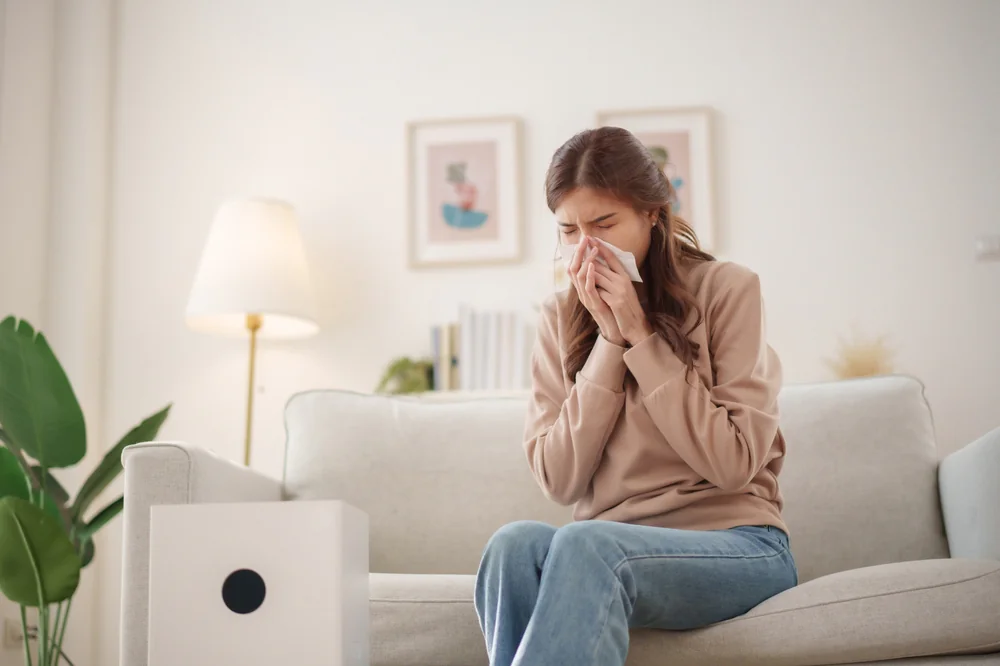
Health symptoms are a big red flag. Unexplained allergies, respiratory issues, frequent headaches, skin irritation, or worsening asthma—especially when symptoms improve after leaving the house—often point to indoor air quality problems. Kids and elderly family members tend to show symptoms first.
Past water damage is reason enough to test even without visible mold. If you’ve had leaks, flooding, roof damage, or plumbing issues, mold can grow behind walls and under flooring where you can’t see it. High humidity levels, condensation on windows, or a damp basement also create conditions for hidden mold growth. Testing tells you whether you have a problem before it becomes a bigger health risk.
DIY kits can tell you if something is present, but they can’t tell you what it is, how much is there, or whether it’s dangerous. Most home kits use basic collection methods and don’t include professional lab analysis. You’re getting incomplete information.
Professional testing uses calibrated equipment and follows scientific sampling protocols. We collect samples from multiple locations, control for variables, and send everything to an accredited third-party lab. The lab identifies specific mold species, measures spore concentrations, and determines contamination levels. That’s the information you need to make decisions.
Pennsylvania’s health regulations recognize the difference. If you’re dealing with insurance claims, real estate transactions, or documented health issues, you need professional testing with certified lab results. DIY kits won’t hold up in those situations. Professional testing costs more upfront, but you’re paying for accuracy and documentation that actually means something.
Yes. Pennsylvania has one of the highest radon levels in the country, and Bucks County is no exception. About 40% of Pennsylvania homes tested show radon levels above the EPA’s action guideline of 4 picocuries per liter. Some areas are even higher.
Radon is a radioactive gas that comes from natural uranium decay in soil and rock. It enters homes through foundation cracks, basement floors, and gaps around pipes. You can’t detect it without testing. Long-term exposure is the second leading cause of lung cancer after smoking.
The EPA and Pennsylvania Department of Environmental Protection recommend testing all homes regardless of age or foundation type. Even new construction can have radon problems. Testing is inexpensive, and if levels are high, mitigation systems are effective at reducing radon to safe levels. If you haven’t tested your Richland Center home, you should.
If testing detects mold, we identify the contamination source, explain what remediation involves, and give you a clear cost estimate. Remediation typically includes containment, removal of contaminated materials, air filtration, and treatment to prevent regrowth. The scope depends on how widespread the problem is.
For radon, mitigation usually involves installing a venting system that redirects radon gas from beneath your foundation to the outside. It’s a proven solution that reduces radon levels by 90% or more in most cases. Installation takes one to two days, and the system runs continuously to keep levels low.
We walk you through the entire process before any work starts. You’ll know what needs to happen, how long it takes, and what it costs. If your situation requires immediate action for health reasons, we prioritize scheduling. If the problem is less urgent, you have time to plan. Either way, you’re making decisions based on real data instead of guessing.
Other Services we provide in Richland Center