
Hear from Our Customers
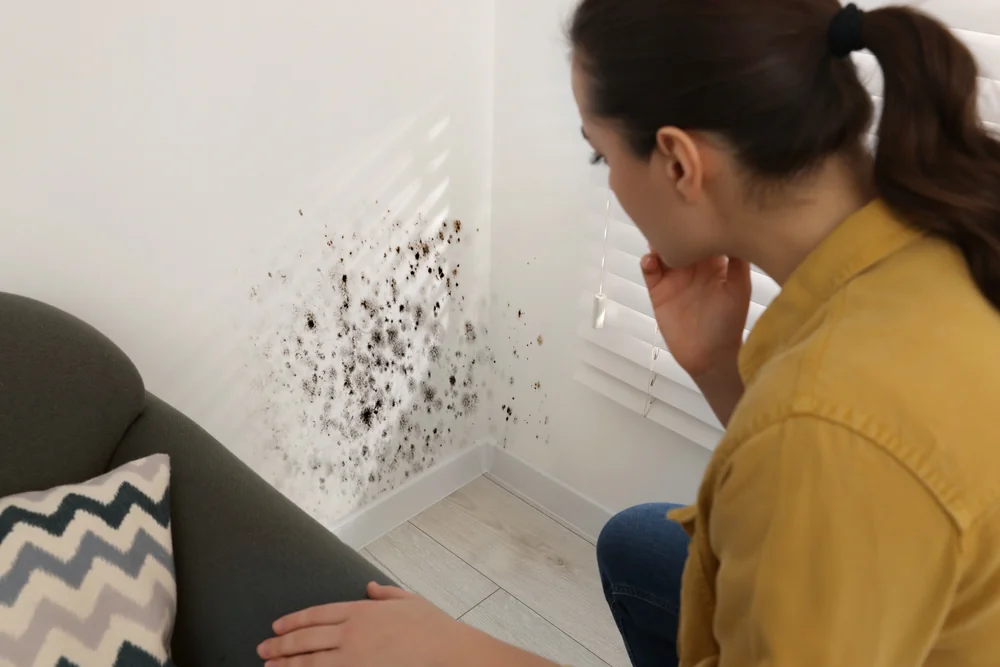
You’ve noticed the symptoms. Someone in your house can’t stop coughing. The kids’ allergies seem worse indoors than out. There’s a musty smell you can’t quite place, or you’re buying a home and need to know what you’re actually getting into.
Indoor air quality testing gives you answers. Not vague reassurances—actual data about what’s floating around in the air your family breathes every day. Mold spores, radon gas, volatile organic compounds, allergens. The stuff you can’t see but absolutely can feel.
Here’s what changes after testing: you know where the problem is, how bad it is, and what needs to happen next. No more guessing whether that basement smell is harmless or whether your kid’s asthma is getting triggered by something in the house. You get documentation for insurance claims, peace of mind for real estate transactions, and a clear path forward if something needs fixing.
Early detection saves you money. A small mold issue caught now costs hundreds to fix. That same issue ignored for six months? You’re looking at thousands in repairs and potential health bills on top of it.
We’ve been handling air quality issues in Bucks County long enough to know exactly what homes in this area deal with. Humid summers, older construction, basements that leak, crawl spaces that trap moisture. We’ve seen it all.
Our team uses EPA-approved testing methods and professional-grade equipment—moisture meters, infrared cameras, air sampling tools that actually measure what’s in your air. We’re not here to sell you services you don’t need. We test, we document, we explain what we found in plain language, and we tell you what makes sense to do about it.
Bucks County consistently gets failing grades for ozone pollution, and radon is extremely common throughout Pennsylvania. Add in the mold growth that comes with our climate, and you’ve got a lot of reasons to test your indoor air. We help Passer homeowners understand what they’re dealing with and how to fix it.
First, we walk through your home and talk about what you’ve noticed. Symptoms, smells, visible issues, water damage history. This helps us know where to focus and what to test for.
Then we set up our equipment. For mold air testing, we use air sampling devices that capture spores and send them to a lab for analysis. For radon, we place monitors that need 48-72 hours to get accurate readings. If we’re checking for VOCs or other pollutants, we use sensors that measure carbon dioxide, carbon monoxide, particulates, temperature, and humidity levels.
We also do a visual inspection with moisture meters and infrared cameras. Mold hides behind walls, under floors, in ductwork. High moisture readings tell us where problems are developing even if you can’t see them yet.
Once testing is complete, you get a detailed report. Lab results for mold spores. Radon levels compared to EPA safety thresholds. VOC measurements. We walk you through what everything means and whether action is needed. If remediation makes sense, we explain what that looks like. If your air quality is fine, we tell you that too.
Ready to get started?
A comprehensive home air quality test covers the contaminants that actually affect health. Mold spores are the big one in Bucks County—our humid climate and older housing stock create perfect conditions for growth. High spore counts trigger asthma, allergies, respiratory issues, especially in kids and anyone with existing sensitivities.
Radon testing is critical here. Pennsylvania has some of the highest radon levels in the country, and it’s the second leading cause of lung cancer after smoking. You can’t smell it, see it, or taste it. Testing is the only way to know if you’re exposed.
We also measure VOCs—volatile organic compounds that come from building materials, cleaning products, furniture, and other sources. Long-term exposure causes headaches, dizziness, and respiratory problems. Carbon monoxide and carbon dioxide levels matter too, especially in homes with poor ventilation or older HVAC systems.
For real estate transactions, we provide the documentation buyers and sellers need. For homeowners dealing with health symptoms, we identify the source. For anyone who’s had water damage or suspects mold, we confirm whether it’s actually a problem or just a musty smell.
Indoor air can be two to five times more polluted than outdoor air. In Passer, where Bucks County already struggles with ozone pollution, that’s saying something. Testing shows you what’s really going on inside your walls.
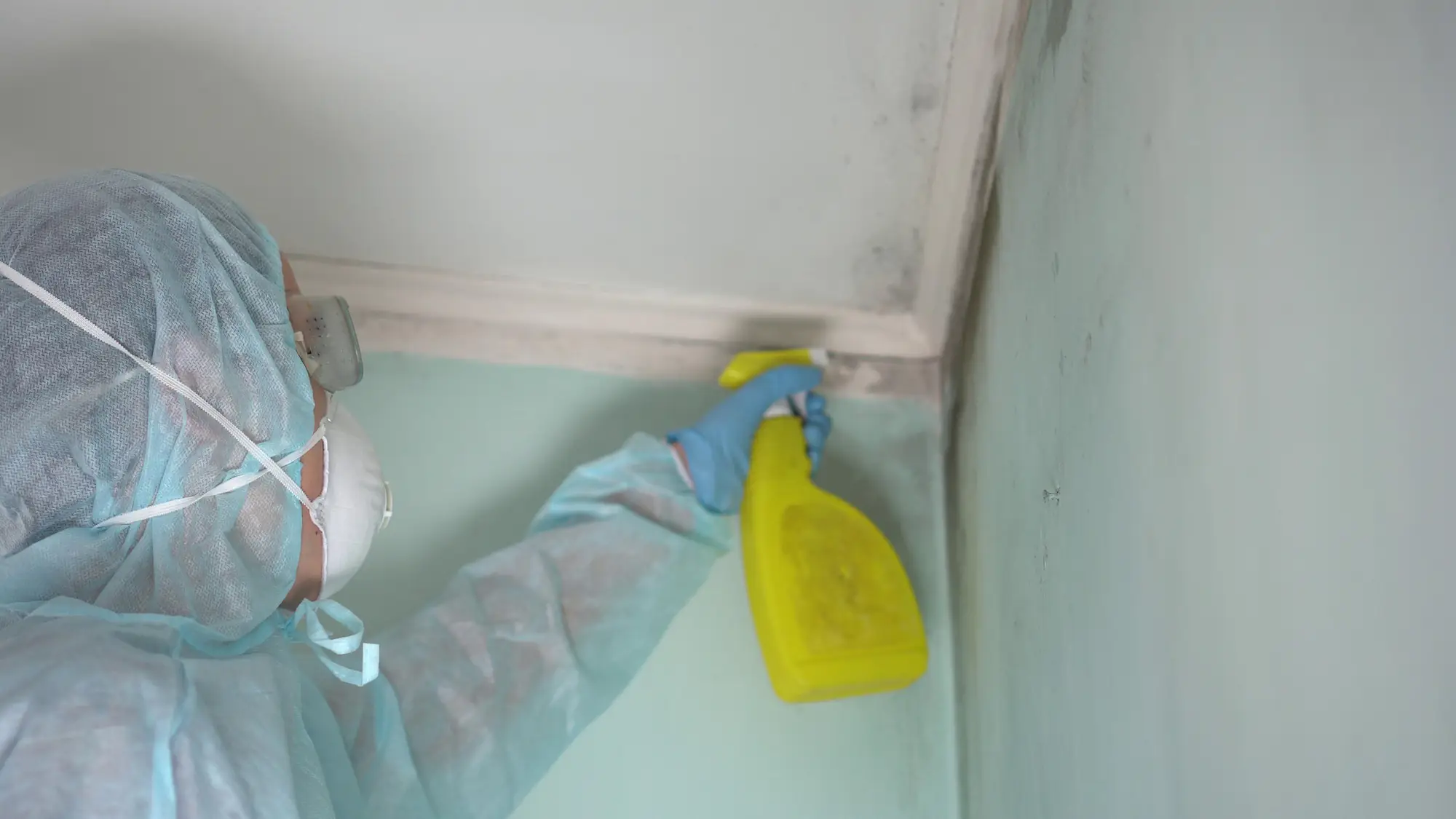
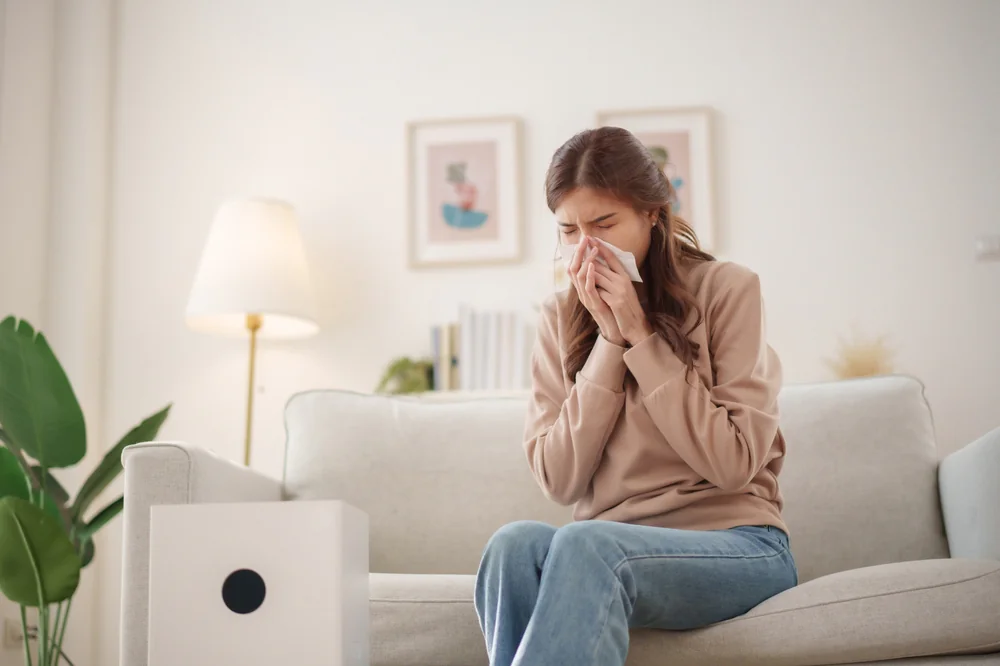
You need testing if anyone in your house has unexplained respiratory symptoms—coughing, wheezing, itchy eyes, sore throat, worsening asthma or allergies that seem worse indoors. That’s your body telling you something in the air isn’t right.
You also need testing if you’ve had any water damage, even if it was cleaned up. Leaky basements, roof leaks, plumbing issues, flooding—all of these create conditions for mold growth that might not be visible but is absolutely releasing spores into your air.
If you’re buying or selling a home in Passer, testing protects everyone involved. Buyers need to know what they’re getting into. Sellers benefit from documentation that shows the home is safe. The EPA recommends testing all homes during real estate transactions, especially for radon.
Finally, if you just want peace of mind, test. Bucks County’s climate and air quality issues mean your indoor air is dealing with a lot. Annual testing catches problems early, before they become expensive or dangerous.
A complete indoor air quality test includes multiple components. We start with air sampling for mold spores—devices that capture what’s floating in your air and send samples to a lab for analysis. You get specific counts and types of mold present.
Radon testing uses monitors placed in your home for 48-72 hours to measure gas levels. Results show whether you’re above EPA action thresholds and need mitigation.
We test for VOCs, carbon monoxide, carbon dioxide, and particulate matter using specialized sensors. We also measure temperature and humidity, since high humidity feeds mold growth and affects overall air quality.
The visual inspection is just as important. We use moisture meters to find hidden water issues and infrared cameras to spot temperature differences that indicate mold behind walls or in ceilings. Mold grows in places you’d never think to look—inside ductwork, under floorboards, behind drywall.
You receive a detailed report explaining everything we found, what the numbers mean, and whether remediation is recommended. If your air quality is good, we tell you that. If there’s a problem, we explain exactly what needs to happen to fix it.
The actual testing appointment takes a few hours. We walk through your home, set up equipment, take air samples, and do the visual inspection with our moisture meters and infrared cameras. You don’t need to leave—most homeowners stay and ask questions while we work.
Radon testing requires 48-72 hours because the monitors need time to get accurate readings. We place them, leave them in position, then return to collect them and send results to the lab.
Mold air samples go to a lab for analysis. Turnaround is typically 3-5 business days. You’ll get a report showing spore types, concentrations, and whether levels are elevated compared to outdoor air.
VOC and other air quality measurements give immediate readings, so we can discuss those results during the appointment.
Start to finish, you’re looking at about a week from initial testing to having complete results in hand. If you’re working with a real estate transaction timeline, let us know—we can prioritize lab processing to meet closing deadlines.
Air quality testing tells you whether mold spores are present in your air and at what concentration. Every home has some mold spores—they’re everywhere outdoors and drift inside. The question is whether levels are elevated enough to cause health problems or indicate active growth somewhere in your home.
If your indoor spore counts are significantly higher than outdoor counts, or if we’re finding types of mold that only grow indoors on wet materials, that confirms a problem. The lab report identifies specific mold species, which helps us understand where it’s likely growing and how serious the issue is.
The visual inspection adds another layer. If we’re finding high moisture readings behind walls or seeing temperature patterns on the infrared camera that suggest hidden water damage, we know there’s likely mold even if we can’t see it yet.
Testing doesn’t always pinpoint the exact location—that’s what a full mold inspection does. But it absolutely tells you whether mold is affecting your air quality and whether you need to take action. For most homeowners, that’s the answer they need: is this a real problem or not?
Cost depends on what you’re testing for and how comprehensive you want the assessment to be. A basic mold air test with lab analysis typically runs a few hundred dollars. Radon testing is similar. A complete indoor air quality assessment that covers mold, radon, VOCs, and other pollutants costs more because it involves more equipment, lab work, and analysis time.
Most homeowners in Passer are looking at $300-$600 for the testing they actually need, depending on home size and what we’re checking for. If you’re buying a home, that’s cheap insurance against discovering a $10,000 mold problem after closing.
We offer free inspections to assess your situation and recommend what testing makes sense. We’re not going to sell you tests you don’t need. If you’ve had a basement flood, mold testing is smart. If you’re in Bucks County and have never tested for radon, that’s worth doing. If your kids have unexplained respiratory symptoms, comprehensive air quality testing gives you answers.
Some testing costs are covered by insurance, especially if you’re documenting damage for a claim. We handle that paperwork and help reduce your out-of-pocket costs when possible. The goal is to get you real information about your indoor air without breaking the bank.
You can buy home test kits for radon and mold, but they have serious limitations. Radon kits work if you follow instructions perfectly—placement matters, timing matters, and you need to avoid opening windows or running fans during the test period. Most people don’t get accurate results because they don’t control all the variables.
Home mold test kits are even less reliable. They tell you mold is present, which you probably already knew, but they don’t tell you spore concentrations, specific species, or whether levels are actually elevated compared to normal outdoor air. You need lab analysis and professional air sampling to get useful information.
Professional testing uses calibrated equipment that measures what’s actually in your air. Our moisture meters and infrared cameras find hidden problems you’d never catch with a DIY kit. We know where to sample, how to avoid contamination, and how to interpret results in context of Bucks County’s typical air quality.
If you’re dealing with health symptoms, preparing for a real estate transaction, or need documentation for insurance, professional testing is the only option that holds up. If you just want a rough idea whether radon might be present, a home kit is better than nothing—but you’ll likely end up calling us for confirmation testing anyway if results come back elevated.
Other Services we provide in Passer