
Hear from Our Customers
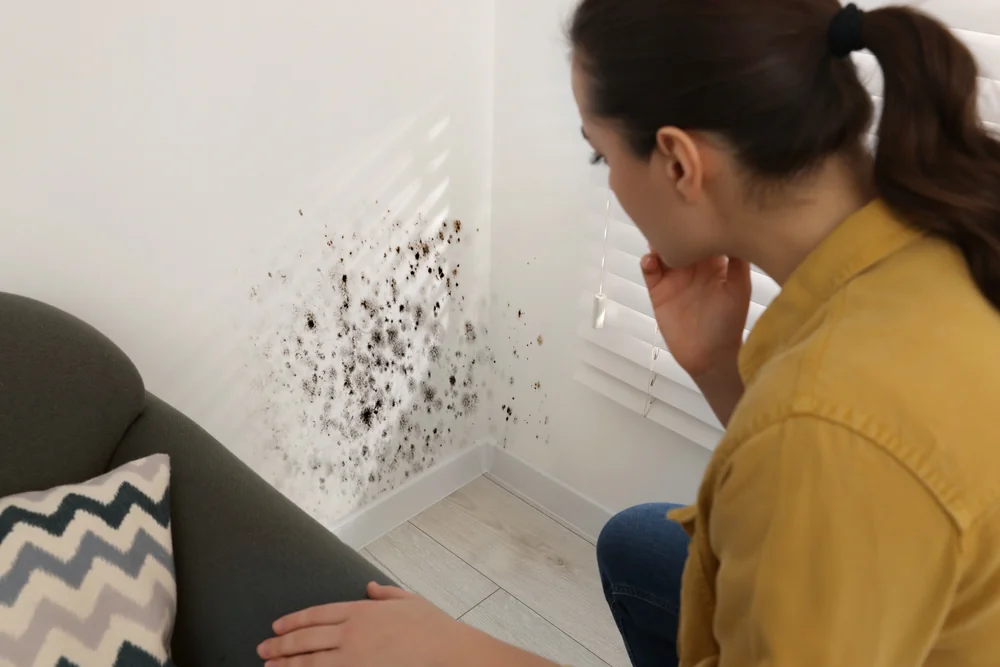
You’ve noticed the symptoms. Someone in your house has a cough that won’t quit, headaches that seem worse at home, or allergies that flare up the moment they walk through the door. You’ve cleaned everything. Changed the filters. Opened the windows. But nothing’s changed.
The problem isn’t always visible. Indoor air pollution can be up to 70% higher than outdoor levels, especially in homes built during the 1980s and 1990s when Parkland was growing. That’s when construction methods created perfect conditions for moisture problems and poor ventilation.
A home air quality test tells you exactly what’s in your air. Mold spores, allergens, volatile organic compounds, humidity levels that are too high. You get documentation, not guesswork. You get a plan, not more questions. And if there’s a problem, you catch it before it spreads behind your walls or costs you thousands in remediation.
This matters in Parkland because your home is likely worth over $350,000. You’re not just protecting your family’s health. You’re protecting the biggest investment you’ve ever made.
We’ve been serving Parkland and the surrounding Bucks County area with one focus: doing the job right the first time. We’re IICRC-certified water restoration specialists trained to identify contamination, measure moisture levels, and provide documentation that holds up with insurance companies.
We know Parkland’s climate. High humidity year-round. Basements that stay damp. Older homes with ventilation issues. These aren’t just talking points for us—they’re the conditions we deal with every day in your neighborhood.
We offer free inspections because we want you to have clear answers before you spend a dollar. No pressure. No upselling. Just honest assessment using thermal imaging cameras, moisture meters, and air sampling equipment that shows us what’s actually happening in your home.

First, we walk through your home and ask questions. Where are the symptoms happening? Which rooms feel more humid? When did you first notice the problem? This gives us a starting point.
Then we inspect. We use moisture meters to check walls, ceilings, and floors for hidden water damage. Thermal imaging cameras show us temperature differences that indicate moisture or poor insulation. We look in basements, crawl spaces, attics, bathrooms—anywhere moisture tends to accumulate in Parkland homes.
Next comes air sampling. We collect samples from different areas of your home and send them to a certified lab for analysis. This tells us exactly what’s in your air: mold species, spore counts, allergen levels, and other contaminants. You get a detailed report that breaks down the findings in plain language.
Finally, we review everything with you. If there’s a problem, we explain what’s causing it and what needs to happen to fix it. If your air quality is fine, we tell you that too. You get documentation either way—useful for your records, for insurance purposes, or if you’re buying or selling a home.
Ready to get started?
Residential air quality testing includes a full visual inspection of your property. We’re looking for visible mold growth, water stains, condensation, poor ventilation, and any signs that moisture is getting into places it shouldn’t. In Parkland, that often means checking basements where humidity settles and older HVAC systems that might not be circulating air properly.
You also get air sampling from multiple locations. We don’t just test one room and call it done. Different areas of your home can have different contamination levels, especially if there’s a localized moisture problem. The lab analysis identifies specific mold species, measures spore concentrations, and compares your indoor air to outdoor baseline levels.
The report you receive includes moisture readings, photos of problem areas, lab results, and our professional recommendations. If remediation is needed, we explain the scope of work and provide upfront pricing. If you need documentation for an insurance claim, we’ve already worked with hundreds of families in Bucks County to help get coverage approved.
We also offer flexible payment options because we know that unexpected home repairs aren’t in anyone’s budget. And if you’re dealing with an urgent situation—water damage, strong odors, sudden health symptoms—we offer 24/7 emergency response.
Cost depends on the size of your home and how many areas need testing. A basic mold air test for a typical Parkland home usually runs between $300 and $600. That includes the inspection, air sampling from multiple rooms, lab analysis, and a detailed report with recommendations.
If you need more extensive testing—like checking for volatile organic compounds, radon, or allergens beyond mold—the price goes up. But we give you upfront pricing before we start any work. No surprises.
We also offer free initial inspections. That means we’ll come out, look at your home, and tell you whether testing is even necessary. Sometimes the problem is obvious and doesn’t require lab work. Other times, testing is the only way to know for sure what you’re dealing with. Either way, you’re not paying for information you don’t need.
A standard indoor air quality test detects mold spores, identifies specific mold species, and measures concentration levels in your air. The lab compares your indoor readings to outdoor baseline samples to determine if you have elevated levels inside your home.
We can also test for other contaminants depending on your concerns. Volatile organic compounds from paint, cleaning products, or building materials. Allergens like dust mites and pet dander. Carbon monoxide and radon if you’re worried about gas exposure. Humidity levels that create conditions for mold growth.
The key is that testing gives you specific data, not just a yes-or-no answer. You’ll know what’s in your air, how much of it there is, and whether it’s at levels that could affect your health. That information guides what happens next—whether that’s remediation, better ventilation, or just monitoring the situation.
The on-site inspection and air sampling usually take one to two hours depending on the size of your home. We’re thorough. We check multiple rooms, take moisture readings, use thermal imaging to look for hidden problems, and collect air samples from different areas.
Lab analysis takes three to five business days. The samples go to a certified lab where technicians identify mold species and measure spore counts. Once we get the results back, we review them with you and provide a written report.
If you’re dealing with an urgent situation—like recent water damage or strong musty odors—we can often expedite the process. But in most cases, you’ll have a complete understanding of your home’s air quality within a week of our initial visit. That’s fast enough to catch problems early but thorough enough to give you accurate, actionable information.
It depends on what caused the problem. If you have mold or air quality issues due to a covered event—like a burst pipe, roof leak, or storm damage—your homeowners insurance may cover testing and remediation. If the problem developed gradually due to high humidity or poor maintenance, coverage is less likely.
We work directly with insurance companies and provide the documentation they need to process claims. That includes detailed reports, photos, moisture readings, and professional assessments of what caused the contamination. We’ve helped hundreds of families in Bucks County get their mold remediation covered.
The best approach is to call your insurance company before you schedule testing. Ask specifically what’s covered under your policy. Then let us know what they said. We’ll make sure our report includes everything your insurer needs to make a decision. Even if testing isn’t covered, remediation often is—and having professional documentation strengthens your claim.
You can buy DIY air quality test kits online, but they’re not as accurate or comprehensive as professional testing. Most consumer kits only test for the presence of mold, not the specific species or concentration levels. That matters because some molds are harmless while others can cause serious health problems.
DIY kits also don’t include a visual inspection by someone who knows what to look for. Mold often grows in hidden areas—behind walls, under flooring, in HVAC systems. If you’re only testing the air in the middle of a room, you might miss the source of the problem entirely.
Professional air quality testing includes lab analysis, moisture detection, thermal imaging, and expert interpretation of the results. You’re not just getting data—you’re getting answers about what the data means and what you should do about it. For a home in Parkland worth over $350,000, that level of accuracy matters. You want to know exactly what you’re dealing with before you start tearing into walls or spending money on remediation.
If we find elevated mold levels, we identify the source and explain what’s causing it. Usually it’s a moisture problem—leaky pipes, poor ventilation, basement humidity, or water damage that wasn’t properly dried. Fixing the mold without fixing the moisture problem means it’ll just come back.
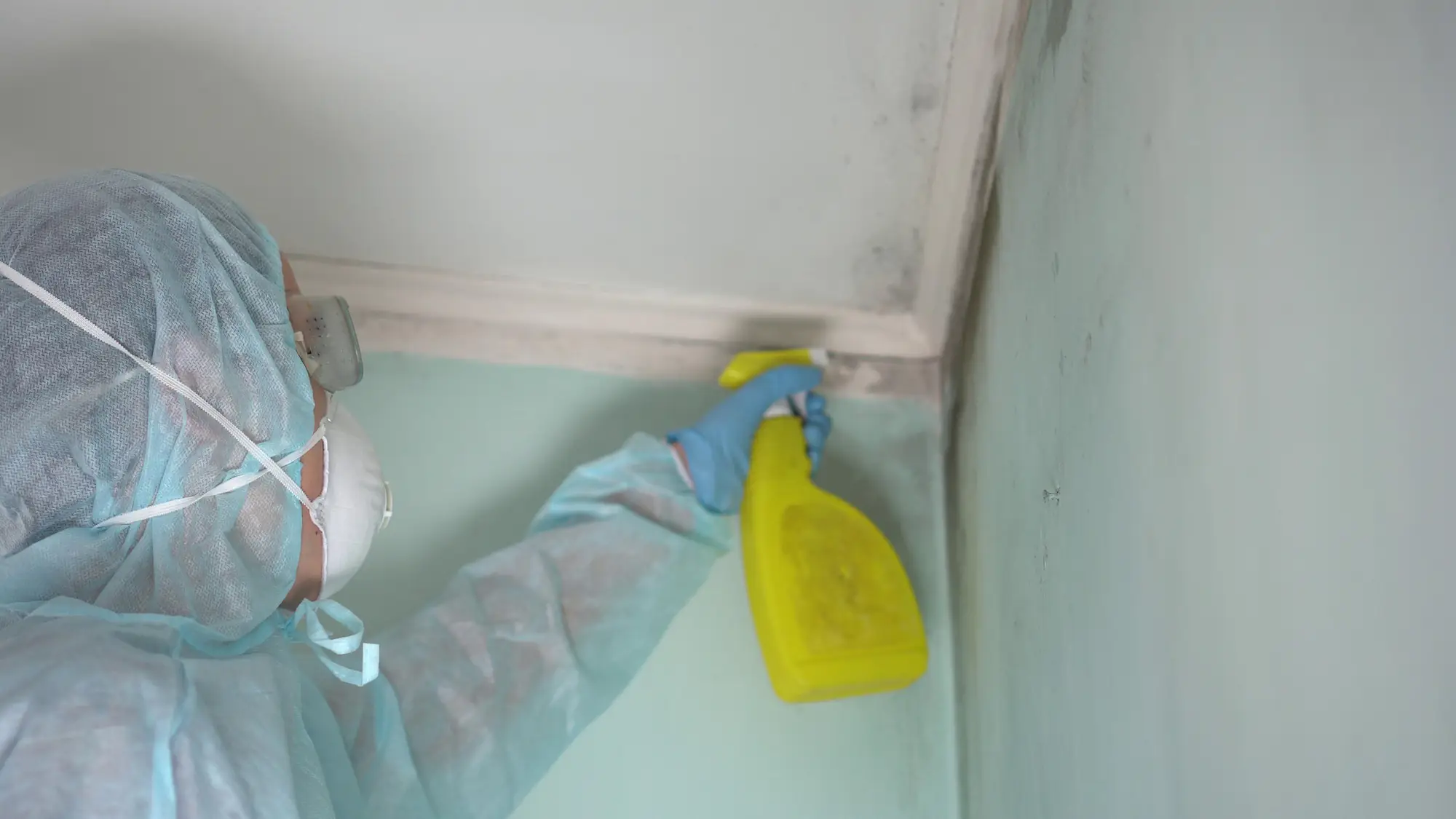
We provide a detailed remediation plan that addresses both the contamination and the underlying cause. That might include removing affected materials, treating surfaces with antimicrobial solutions, improving ventilation, or waterproofing areas where moisture is getting in. We give you upfront pricing so you know exactly what it’ll cost before we start.
We also handle containment so mold spores don’t spread to other parts of your home during removal. And we do post-remediation testing to confirm that the air quality is back to normal levels. You’re not guessing whether the problem is solved—you have documentation that proves it. That’s important for your health, your home’s value, and your future.
Other Services we provide in Parkland