
Hear from Our Customers

You’ve noticed the symptoms. Maybe it’s allergies that won’t quit, asthma that’s gotten worse, or headaches that only happen at home. You’ve cleaned, changed filters, opened windows—but nothing’s working.
That’s because you can’t fix what you can’t see. Indoor air can hold up to five times more pollutants than outdoor air, especially in well-sealed homes common throughout Milford. Mold spores, allergens, chemical off-gassing, radon—they’re all invisible until you test for them.
A home air quality test gives you actual data. Not guesses. Not assumptions. You’ll know exactly what’s in your air, at what levels, and whether it’s affecting your health. From there, you can make real decisions about ventilation, filtration, or remediation—based on facts, not fear.
We’ve been serving homeowners across Bucks County for years, and we’ve seen what happens when air quality problems go undetected. Milford’s humid climate creates perfect conditions for mold growth in basements, crawl spaces, and around windows—places most people don’t check until symptoms start.
We use the same equipment and lab analysis that larger restoration companies use, but we’re local. We know the homes here. We know the weather patterns, the construction styles, and the common problem areas specific to this region.
Every test we run gets analyzed by a certified lab. You’re not getting a pass/fail result—you’re getting a breakdown of exactly what’s present, which species of mold (if any), and whether the levels pose a health risk. That’s the kind of information that actually helps you move forward.

We start with a free inspection. A certified inspector walks through your home and examines the areas most likely to harbor mold or poor air quality—basements, crawl spaces, attics, bathrooms, and anywhere you’ve noticed musty odors or visible moisture.
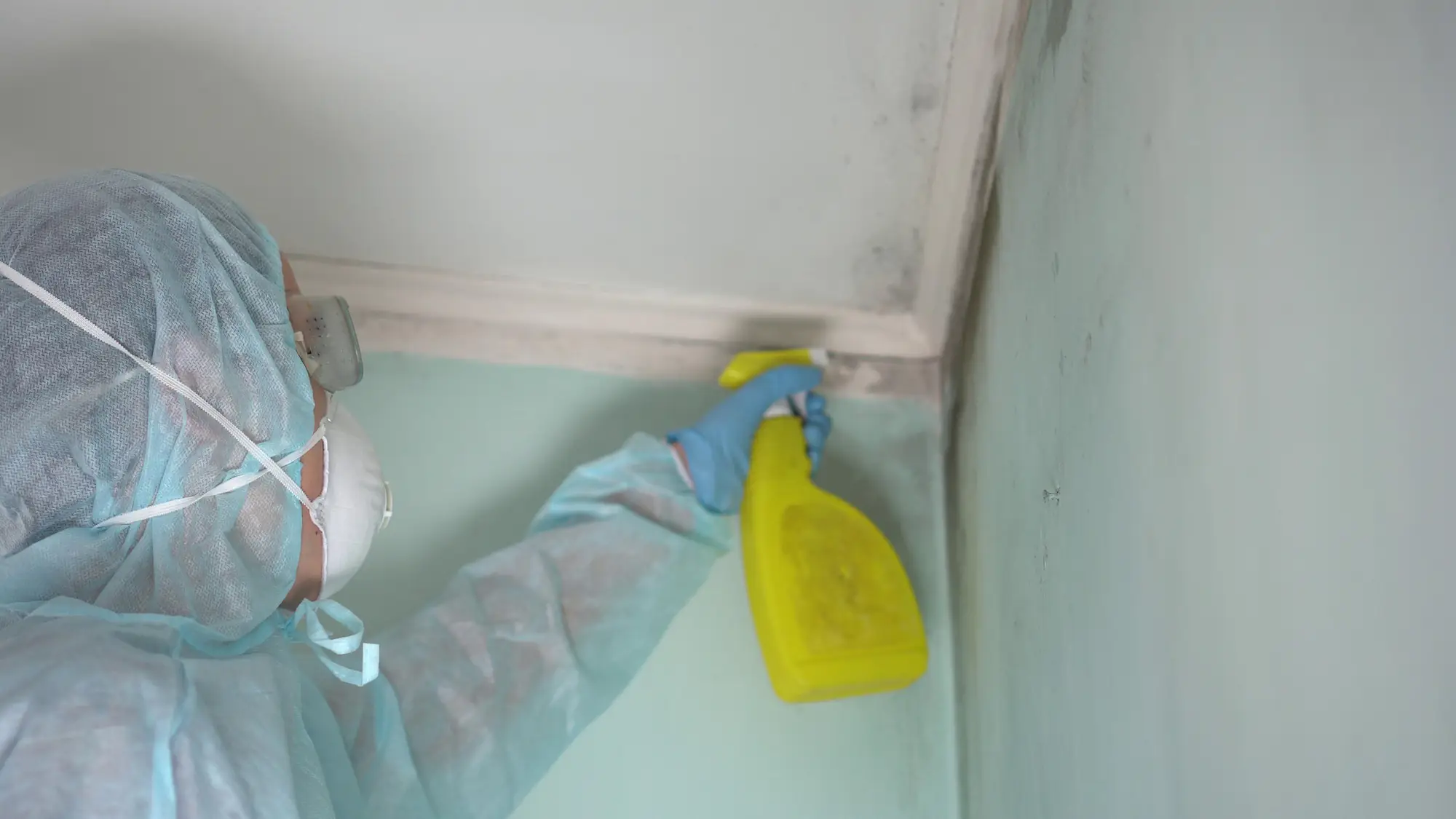
We use moisture meters and thermal imaging cameras to detect hidden water intrusion or elevated humidity levels. These tools let us see behind walls and under floors without tearing anything apart. If we find areas of concern, we collect air samples using professional-grade equipment that captures airborne particles you’d never see with the naked eye.
Those samples go to a certified lab for analysis. Within a few days, you’ll get a detailed report that identifies specific contaminants, their concentrations, and whether they exceed safe levels. We’ll walk you through the results in plain language and recommend next steps if remediation is needed.
If the test comes back clean, you’ll have peace of mind. If it doesn’t, you’ll have a clear plan based on real data—not scare tactics or upselling.

Ready to get started?
Every residential air quality testing appointment includes a thorough visual inspection, moisture detection using infrared cameras and digital meters, and air sampling in key areas of your home. We don’t just test one room and call it done—we focus on the spaces where Milford homes are most vulnerable.
Basements and crawl spaces are high-risk zones here. Bucks County’s humidity levels create ideal conditions for mold growth, especially in older homes with limited ventilation. We pay close attention to these areas, along with any rooms where you’ve noticed symptoms or odors.
You’ll receive lab results that break down mold species, spore counts, and other airborne contaminants like VOCs or allergens. The report includes our professional assessment and recommendations. If remediation is needed, we provide upfront pricing and work directly with your insurance company to simplify the claims process.
We also offer 24/7 emergency service if you’re dealing with water damage or suspect active mold growth. Fast response matters—especially when air quality is already compromised.
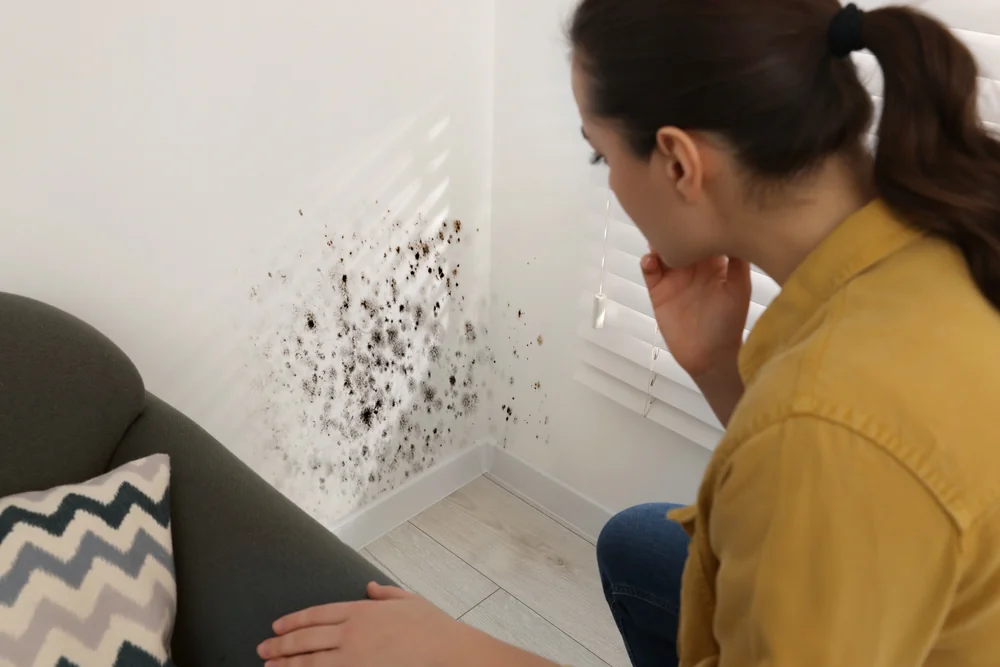
If anyone in your home is experiencing unexplained allergies, asthma flare-ups, chronic headaches, or respiratory issues that improve when you leave the house, that’s a strong indicator. You might also notice musty odors, visible mold, or condensation on windows and walls.
Sometimes the signs are subtler. Fatigue, sinus problems, or itchy eyes that persist despite cleaning can all point to poor indoor air quality. Homes in Milford with basements, crawl spaces, or older HVAC systems are especially prone to these issues due to our regional humidity.
Testing gives you clarity. Instead of treating symptoms or guessing at the cause, you’ll know exactly what’s in your air and whether it’s at levels that could harm your health. It’s the fastest way to stop wondering and start fixing the actual problem.
A mold air test captures airborne spores and sends them to a certified lab for analysis. The lab identifies which species of mold are present, measures their concentration, and compares those levels to outdoor air and safe indoor thresholds.
Not all mold is dangerous, but some species—like Stachybotrys (black mold) or Aspergillus—can trigger serious health reactions, especially in children, elderly individuals, or anyone with compromised immune systems. The test tells you not just if mold is present, but whether the type and amount pose a real risk.
You’ll also get insight into where the mold is likely growing. High spore counts in certain rooms can point us toward hidden moisture problems, leaks, or ventilation issues that need to be addressed. It’s not just about finding mold—it’s about understanding why it’s there so you can prevent it from coming back.
DIY test kits are available, but they’re limited. Most consumer-grade kits only tell you if mold is present—not which species, at what concentration, or whether it’s actually a health concern. They also don’t account for sampling errors, placement issues, or environmental variables that can skew results.
Professional air quality testing uses calibrated equipment and follows strict protocols to ensure accuracy. We know where to sample, how long to run the test, and how to interpret lab results in the context of your specific home and symptoms.
If you’re dealing with health issues, planning a real estate transaction, or trying to get insurance coverage for remediation, you’ll need professional documentation. A DIY kit won’t hold up in those situations. Professional testing gives you data you can actually use to make decisions or support a claim.
The on-site inspection and air sampling typically take one to two hours, depending on the size of your home and the number of areas we’re testing. We’re thorough, but we’re not going to waste your time.
Once we collect the samples, they’re sent to a certified lab for analysis. Most results come back within three to five business days. As soon as we receive the report, we’ll contact you to review the findings and discuss next steps.
If you’re in an urgent situation—like recent water damage or suspected active mold growth—we can expedite the process and prioritize your case. Our goal is to get you answers quickly so you’re not left waiting and worrying while your family continues breathing potentially contaminated air.
If the lab results show elevated mold levels or other air quality issues, we’ll walk you through exactly what was found and what it means for your health and home. You’ll get a clear explanation of the contaminant type, concentration, and recommended action.
From there, we provide a detailed estimate for remediation. That includes containment, removal, cleaning, and any necessary repairs to address the source of the problem—like fixing leaks or improving ventilation. We give you upfront pricing, no surprises.
We also work directly with insurance companies to help you file claims and get coverage when applicable. Many homeowners don’t realize their policy covers mold remediation, especially if it’s related to a covered event like a pipe burst or storm damage. We’ll handle the paperwork and communication so you’re not navigating that process alone.
Yes. While mold is one of the most common indoor air pollutants we test for, professional air quality testing can also detect allergens, volatile organic compounds (VOCs), radon, and other airborne irritants depending on the scope of testing you choose.
VOCs come from paints, cleaning products, furniture, and building materials. Radon is a colorless, odorless gas that can seep into basements and poses serious long-term health risks. Both are undetectable without proper testing equipment.
If you’re concerned about specific contaminants beyond mold, let us know during the inspection. We can customize the testing to address your concerns and give you a complete picture of what’s affecting your indoor air. The goal is to identify everything that could be impacting your health—not just the obvious culprits.
Other Services we provide in Milford