
Hear from Our Customers
You shouldn’t have to guess why your allergies get worse at home. Or why that musty smell won’t go away no matter how much you clean. A professional air quality test gives you actual answers—not assumptions.
We use thermal imaging, moisture meters, and lab-certified air sampling to detect mold spores, humidity issues, and contamination you can’t see with your eyes. You get a full written report that shows exactly what’s in your air, where it’s coming from, and what needs to happen next.
Most families notice the difference within days. The air feels lighter. The coughing stops. You’re not wondering anymore if something’s wrong—you know, and you’ve handled it. That’s what a home air quality test does when it’s done right.
We’ve been serving Lumberville and Bucks County for years. We’re not a franchise or call center—we’re local professionals who understand what homes along the Delaware River deal with. High humidity, older construction, basements that stay damp no matter what you try.
We’re IICRC-certified and use the same detection technology that larger restoration companies charge double for. Our inspectors live in this area. We’ve seen how quickly mold spreads in homes like yours, and we know how to find it before it becomes a bigger problem.
You get a free inspection, honest answers, and a clear plan. No pressure, no upselling—just the truth about what’s happening in your home.

First, we walk through your home and talk about what you’ve noticed—symptoms, smells, visible moisture, anything that feels off. Then we use thermal cameras and moisture meters to check walls, ceilings, floors, and crawl spaces for hidden water damage or temperature changes that signal mold growth.
Next, we collect air samples from multiple rooms and send them to an EPA-certified lab for analysis. The lab identifies exactly what types of mold spores are present and at what concentration. This isn’t a DIY kit—it’s the same testing method used in commercial buildings and healthcare facilities.
Within a few days, you receive a detailed report that breaks down the findings in plain language. We’ll explain what the numbers mean, where the contamination is coming from, and what your options are. If remediation is needed, we handle that too. If it’s a ventilation issue or minor fix, we’ll tell you that instead.
Ready to get started?
Every residential air quality testing appointment includes a visual inspection, moisture mapping, thermal imaging, and lab-certified air sampling. We test for mold spores, humidity levels, and airborne contaminants that affect your family’s health.
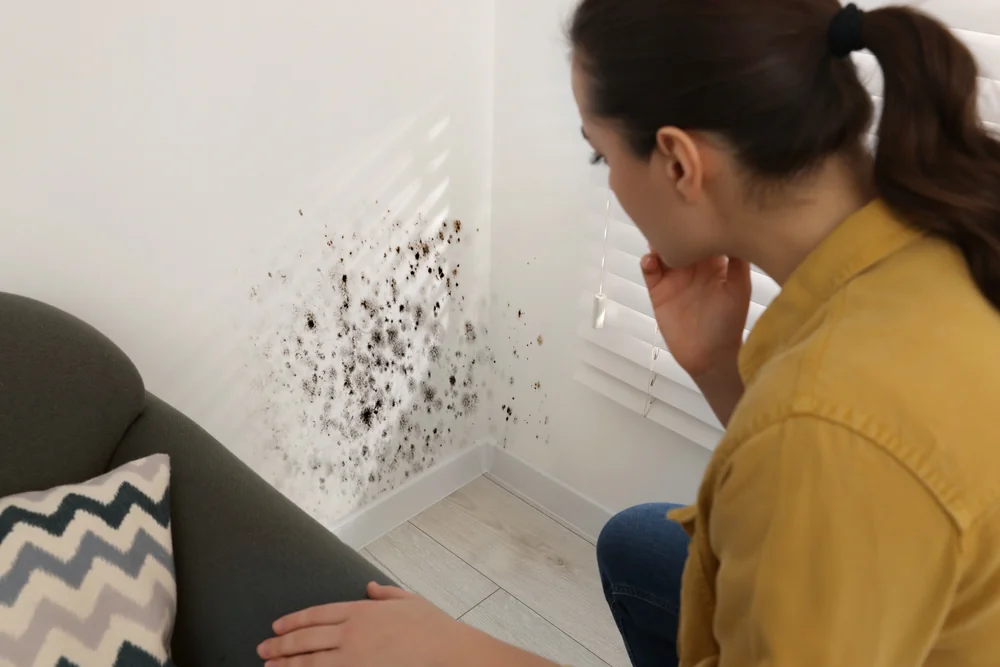
Lumberville’s location along the Delaware River means your home faces higher humidity than most of Pennsylvania. Homes built before modern ventilation standards often trap moisture in basements, attics, and behind walls. That’s where mold grows—and where most homeowners never think to check.
We also provide a comprehensive written report with photos, lab results, and specific recommendations. You’ll know if the issue is isolated or widespread, whether it’s affecting your HVAC system, and what steps will actually solve the problem. Most importantly, you’ll know if your home is safe—or what it takes to make it that way.
This isn’t about scaring you into unnecessary work. It’s about giving you the facts so you can make an informed decision about your property and your family’s health.
Most professional air quality testing in Lumberville runs between $300 and $600, depending on the size of your home and how many air samples are needed. That includes the inspection, lab analysis, and a full written report.
We offer a free initial inspection to assess your situation. If testing is recommended, we’ll explain exactly what it involves and why. Some homes only need a few samples. Others require more comprehensive testing if there’s visible mold, water damage, or ongoing health symptoms that suggest widespread contamination.
The cost of testing is a fraction of what you’d spend on remediation if a problem goes undetected. Early detection saves money. It also protects your property value and keeps small issues from becoming structural damage that costs thousands to repair.
DIY test kits only test what’s immediately visible. They can’t detect mold behind walls, under floors, or in your HVAC system. They also don’t measure spore concentration or identify specific mold types, which matters when you’re trying to figure out if what you’re dealing with is dangerous.
Professional air quality testing uses calibrated equipment and lab-certified analysis. We collect air samples from multiple locations, measure moisture levels throughout your home, and use thermal imaging to find hidden growth. The lab identifies exactly what types of mold are present and whether the concentration is high enough to cause health problems.
You’re not just getting a yes-or-no answer. You’re getting a complete picture of your indoor air quality, where the contamination is coming from, and what needs to happen to fix it. That’s the difference between guessing and knowing.
Lab results typically come back within three to five business days. The inspection itself takes one to two hours, depending on the size of your home and how many areas we’re testing.
Once we receive the lab analysis, we’ll contact you to review the findings. We’ll walk through the report, explain what the results mean in plain language, and answer any questions you have. If remediation is needed, we’ll outline the process and timeline. If the results show your air quality is fine, we’ll tell you that too.
Some situations require faster turnaround. If you’re dealing with a health emergency or need results for a real estate transaction, we can request expedited lab processing. Just let us know what you’re working with, and we’ll do what we can to accommodate your timeline.
Yes. Lab analysis identifies specific mold species, including Stachybotrys chartarum, which is commonly called black mold. The lab report will show what types of mold spores are present in your air and at what concentration.
Black mold gets a lot of attention, but it’s not the only mold that causes health problems. Many people react to common molds like Aspergillus, Penicillium, and Cladosporium. What matters more than the type is the concentration and whether you’re experiencing symptoms like respiratory issues, headaches, or worsening allergies.
Our testing doesn’t just look for one type of mold. We’re checking your overall indoor air quality and identifying any contamination that could be affecting your health. That gives you a complete understanding of what’s happening in your home, not just a narrow answer about one species.
Yes. The lab results will show whether mold spore levels in your home are elevated compared to normal outdoor air. If the concentration is high enough to cause health issues or indicates active growth, remediation is usually recommended.
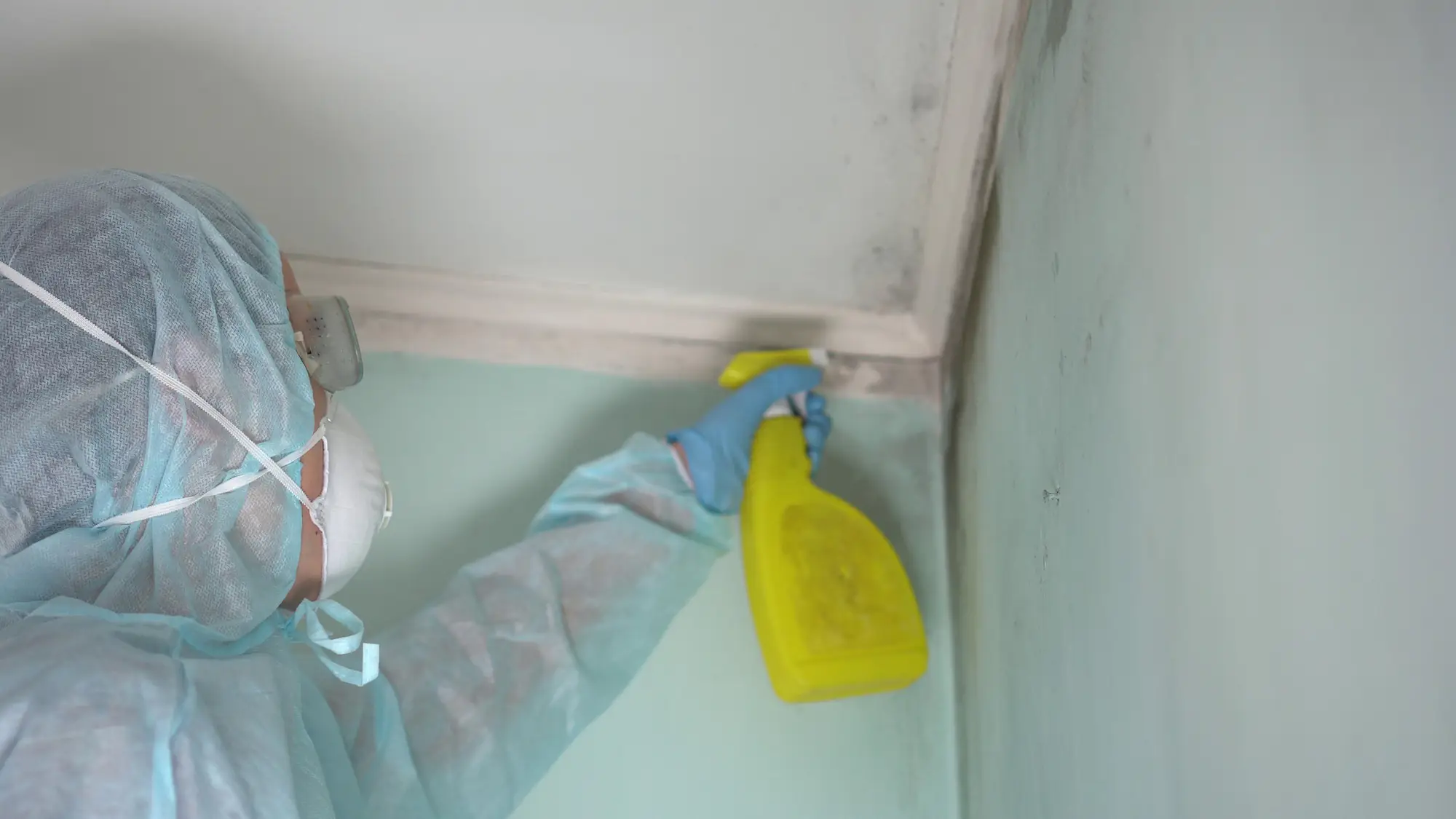
We’ll explain what the numbers mean and what your options are. Sometimes the issue is isolated to one area and can be addressed with targeted cleaning and moisture control. Other times, mold has spread through your HVAC system or behind walls, and professional remediation is the only way to fully eliminate it.
You’ll get an honest assessment. If you don’t need remediation, we’ll tell you. If you do, we’ll walk you through the process, timeline, and cost so you can make an informed decision. The goal is to give you clarity, not to push services you don’t need.
Lumberville sits along the Delaware River, which means naturally higher humidity levels, especially during summer months. When indoor humidity stays above 60%, mold growth accelerates. Basements, crawl spaces, and areas with poor ventilation are especially vulnerable.
Many homes in this area were built before modern moisture barriers and ventilation systems became standard. That means your home might be trapping humidity without you realizing it. Over time, that creates perfect conditions for mold to grow behind walls, under flooring, and in areas you can’t easily inspect.
Air quality testing measures humidity levels throughout your home and identifies where moisture is accumulating. We’ll also provide recommendations for dehumidification, ventilation improvements, and other steps you can take to keep humidity in check. Controlling moisture is the most effective way to prevent mold from coming back after remediation.