
Hear from Our Customers
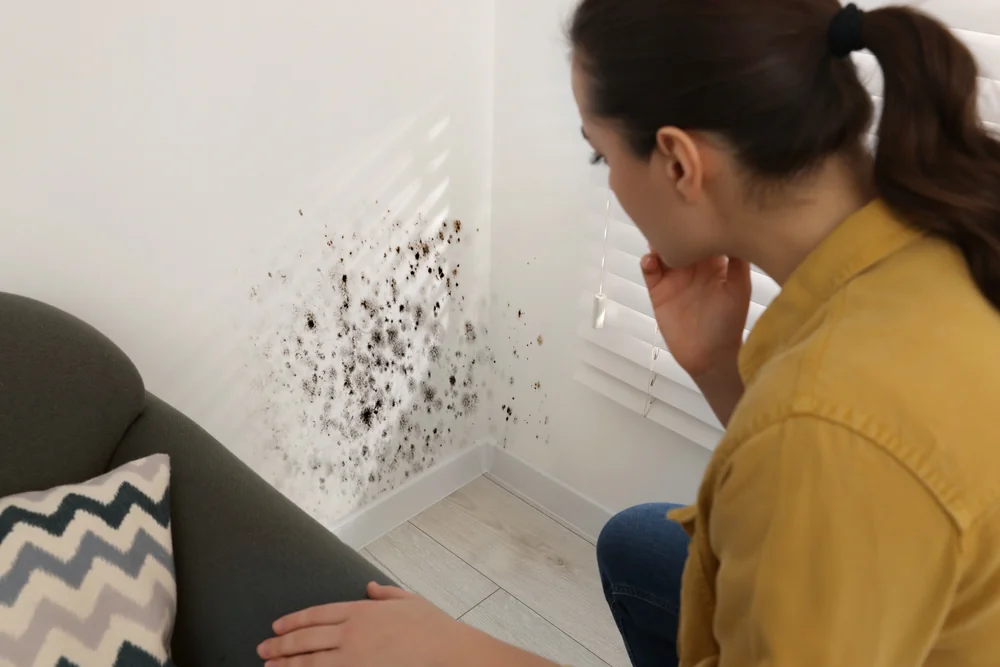
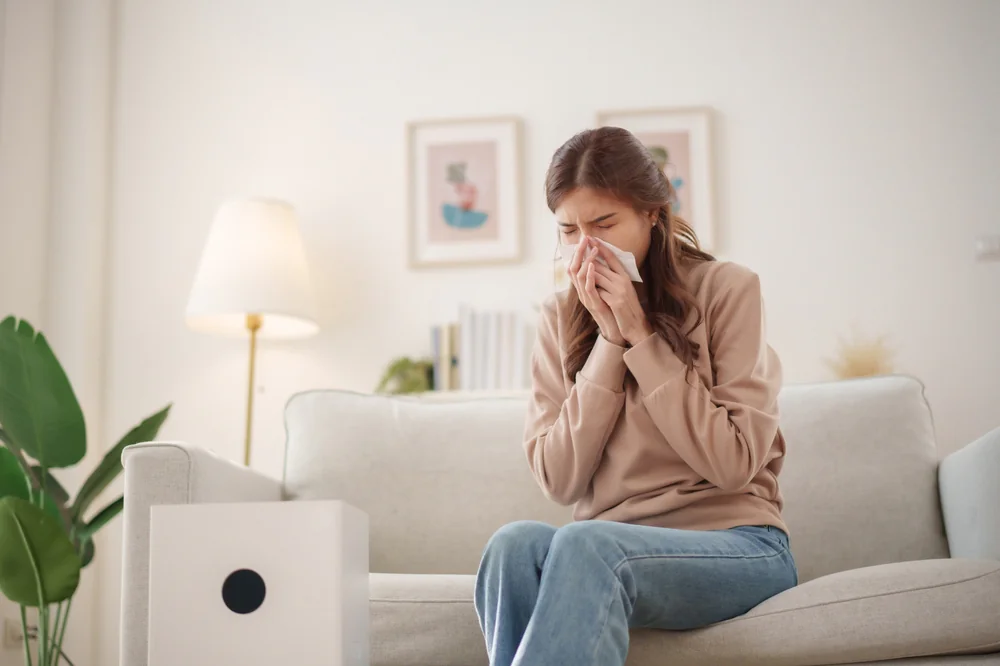
You’ve noticed the symptoms. Someone’s coughing more at night. The kids’ allergies won’t quit. There’s a musty smell you can’t track down. You’re wondering if something in your air is making your family sick—and you’re probably right.
Indoor air quality testing gives you answers. Not guesses. Not maybes. Actual data about what’s floating around in your home—mold spores, allergens, particles—and where it’s coming from.
Here’s what changes after testing. You stop wondering if that basement moisture is a problem. You know whether your HVAC system is circulating contamination. You get a clear report that tells you what’s wrong and what to do about it. No more throwing money at air purifiers or allergy meds while the real issue grows behind your walls.
In Langhorne Gardens, where Pennsylvania’s humid summers create perfect conditions for mold growth, a home air quality test isn’t paranoia. It’s smart. Forty percent of homes in Pennsylvania show radon levels above EPA action guidelines. Mold thrives in our attics and basements. Your home might look fine and still be making you sick.
Testing catches problems early, before they become expensive. Before minor moisture turns into major remediation. Before your family’s health gets worse.
We’ve been serving Langhorne Gardens and Bucks County with professional air quality testing that goes beyond what a hardware store kit can tell you. We use thermal imaging cameras, moisture meters, and laser particle counters—not because it’s fancy, but because it works.
Our samples go to an independent third-party lab that’s nationally recognized for accurate results. We’re not trying to sell you services you don’t need. We’re trying to give you the information you need to make the right call for your home.
Langhorne Gardens sits in a region where humidity and older home construction create real air quality challenges. We’ve tested hundreds of homes in Bucks County. We know what to look for, where problems hide, and how to explain what we find in plain language.
First, we listen. You tell us what you’ve noticed—the symptoms, the smells, the moisture issues. That guides where we look and what we test for.
Then we inspect your home. We’re checking your HVAC system, your basement, your attic, anywhere moisture accumulates or air circulates. We use infrared cameras to spot temperature differences that indicate moisture problems. We use moisture meters to measure what’s happening inside your walls.
Next, we collect air samples from multiple locations in your home. We’re measuring what’s in the air you’re breathing right now. We also take surface samples if we see visible growth or suspect contamination in specific areas.
Those samples go to the lab. You get results that show exactly what types of mold or contaminants are present and at what levels. Not just “you have mold”—but what kind, how much, and whether it’s at levels that require action.
Finally, we sit down with you and explain what we found. We walk through the report. We answer your questions. We recommend next steps based on the actual data, not scare tactics. Sometimes that means remediation. Sometimes it means better ventilation. Sometimes it means you’re fine and just need to monitor one area.
The whole process typically takes a few hours for testing, then 3-5 days for lab results.
Ready to get started?
Our residential air quality testing service includes a thorough inspection of your property using advanced equipment. We’re not just taking an air sample and leaving. We’re investigating the full picture.
You get multiple air samples from different areas of your home. That matters because air quality varies by room, by floor, by proximity to moisture sources. One sample doesn’t tell the whole story.
You get surface testing if we identify areas of concern. Visible growth, water stains, areas that feel damp—we test those surfaces to confirm what’s growing and whether it’s spreading.
You get thermal imaging that reveals temperature differences indicating moisture intrusion or poor insulation. These are the hidden problems that lead to mold growth before you can see it.
In Bucks County, where we’re in the top 60% of states for mold susceptibility, this level of detail matters. Our humid climate means your attic could be growing mold right now while your basement stays dry. Or vice versa. We check both.
You get lab analysis from an independent facility, not an in-house test that might have conflicts of interest. The results meet Pennsylvania Department of Health standards and work for insurance claims or real estate transactions if you need that documentation.
Most importantly, you get a clear report with actionable recommendations. Not vague suggestions—specific steps to improve your indoor air quality based on what we actually found in your home.
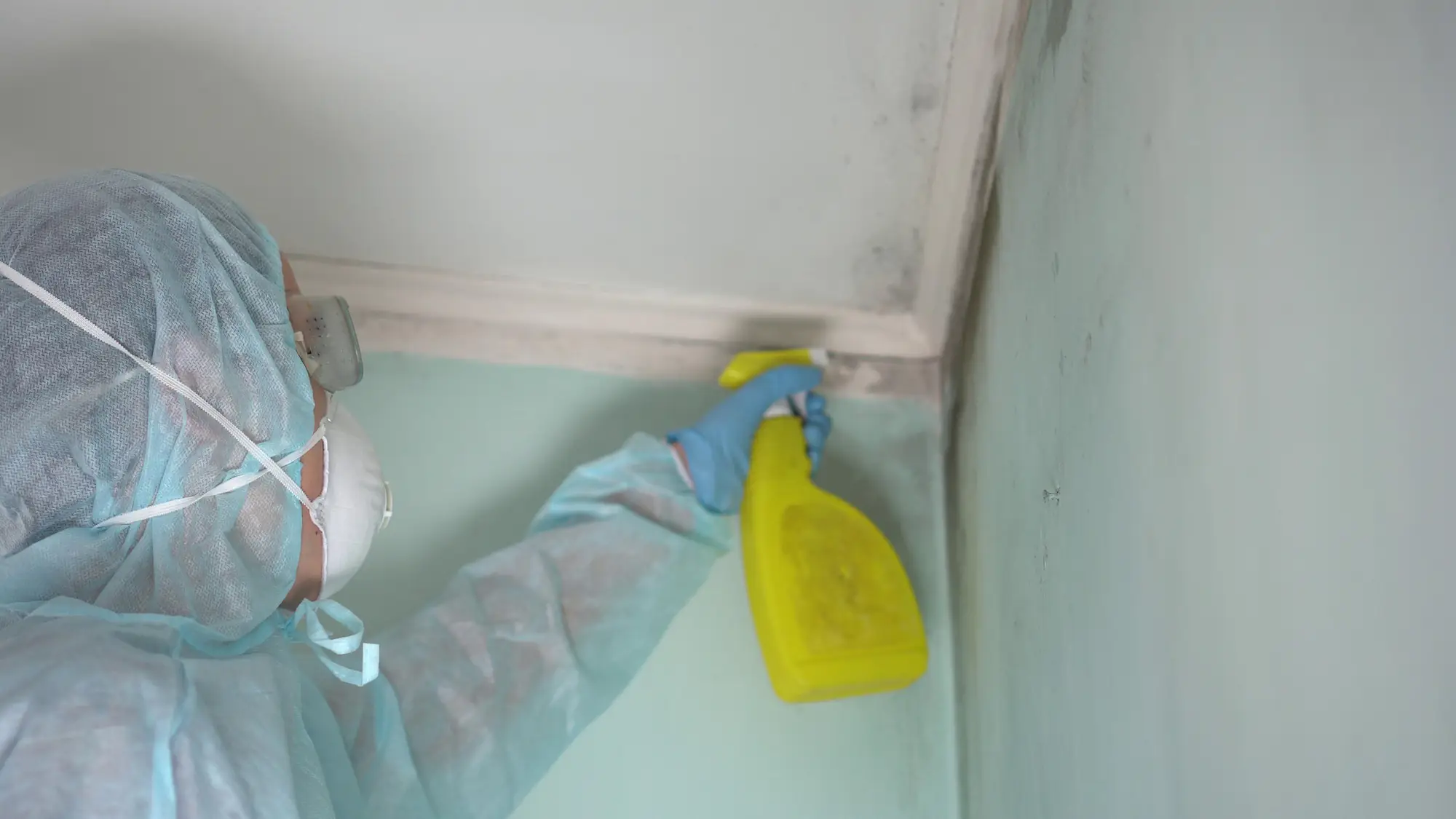
Professional air quality testing typically runs between $292 and $584 in our area, with most homes landing around $437. That’s for comprehensive testing—not a single-room DIY kit.
The cost varies based on your home’s size and how many samples we need to collect. A small home with one area of concern costs less than a large home where we’re testing multiple floors and the HVAC system. If you need mold air test services in addition to general air quality screening, that can affect pricing too.
Here’s what matters more than the cost: what you’re getting. Professional testing uses calibrated equipment and independent lab analysis. DIY kits from the hardware store might cost $40, but they can’t detect hidden growth behind walls, they don’t measure airborne particle counts accurately, and they won’t hold up if you need documentation for insurance or real estate purposes. You’re not just paying for the test—you’re paying for accuracy and expertise that helps you make the right decisions about your home.
DIY kits test one spot at one moment in time. Professional testing maps your entire home’s air quality and investigates why problems exist.
A DIY mold test kit might tell you “mold detected” in your bathroom. Great—but that doesn’t tell you what type of mold, whether it’s at dangerous levels, where it’s coming from, or what to do about it. Most homes have some mold spores in the air. The question is whether you have levels that threaten your health or indicate a moisture problem that’s getting worse.
Professional air quality testing uses equipment you can’t buy at a store. Thermal cameras that see moisture behind walls. Laser particle counters that measure exactly what’s in your air. Moisture meters that tell us if your problem is active or old. We collect samples from multiple locations, send them to an accredited lab, and give you results that actually mean something. We also interpret those results based on experience—we’ve seen hundreds of homes in Langhorne Gardens and Bucks County, so we know what’s normal for our area and what’s a red flag.
The biggest difference: we tell you what to do next. DIY kits leave you staring at a result with no context and no plan.
Most homeowners should test every 3-5 years, but that changes if you’re dealing with health symptoms, moisture issues, or after any water damage.
If someone in your home has unexplained respiratory problems, allergies that won’t quit, or symptoms that improve when they leave the house—test now. Don’t wait. Those are signs that something in your indoor air is affecting your family’s health.
If you’ve had any water intrusion—roof leak, basement flooding, plumbing problem—test after the cleanup is done. Water damage creates conditions for mold growth within 24-48 hours. Even if everything looks dry, you want to confirm nothing’s growing in places you can’t see.
In Langhorne Gardens specifically, consider testing if you’re buying or selling a home, if you’ve noticed musty odors, or if your home is older with original HVAC systems. Pennsylvania’s climate is tough on homes. Our humid summers create perfect conditions for mold in attics and basements. Regular testing catches problems while they’re still manageable instead of waiting until you have visible growth or serious health issues.
Comprehensive indoor air quality testing identifies mold spores, allergens, particles, and other contaminants that affect your health and comfort.
Mold is the big one most people worry about, and for good reason. Testing identifies specific mold types—not all mold is equally dangerous, but some varieties cause serious respiratory problems, especially in children, elderly family members, or anyone with compromised immune systems. We measure spore counts in your air and compare them to outdoor levels to determine if you have an indoor source that needs attention.
Beyond mold, testing detects dust mites, pollen, pet dander, and other allergens that trigger symptoms. We measure particle counts and sizes to understand what’s circulating through your HVAC system. We also identify issues with ventilation—high CO2 levels indicate your home isn’t exchanging air properly, which concentrates whatever contaminants are present.
In some cases, we test for radon, which is a significant concern in Pennsylvania. Forty percent of homes in our state show levels above EPA action guidelines. Radon is colorless and odorless, so testing is the only way to know if you have a problem. It’s a separate test from standard air quality screening, but it’s worth considering given our regional risk.
Air quality testing can detect airborne mold spores that indicate hidden growth, and we use thermal imaging to identify moisture problems behind walls where mold typically grows.
Here’s how it works. If mold is growing behind your walls, it’s releasing spores into your air. Our air samples will pick up elevated spore counts that suggest you have an indoor source, not just outdoor mold drifting in through windows. That tells us there’s a problem somewhere, even if we can’t see it yet.
Then we use thermal imaging cameras to scan your walls for temperature differences. Moisture shows up as cooler spots. If we see moisture behind a wall in an area with elevated mold counts, we’ve found your problem. At that point, we can recommend targeted investigation—maybe removing a small section of drywall to confirm what’s growing—instead of tearing apart your whole house looking for the source.
This approach works especially well in Langhorne Gardens homes where moisture can accumulate in wall cavities during our humid summers. The combination of air testing and thermal imaging catches problems early, before you have visible growth or structural damage. You’re not waiting until mold breaks through to the surface. You’re finding it while it’s still a manageable remediation project instead of a major reconstruction job.
You get a detailed report explaining what we found, what it means for your health, and specific recommendations for improving your indoor air quality.
We sit down with you and walk through the results. If we found elevated mold levels, we explain what type of mold, where it’s likely growing, and whether it requires immediate remediation or just monitoring. If we found moisture problems, we explain the source and what needs to happen to prevent mold growth. If we found ventilation issues, we discuss solutions for improving air exchange in your home.
The recommendations are specific to your situation. Sometimes that means professional mold remediation. Sometimes it means fixing a moisture source—better gutters, basement waterproofing, HVAC maintenance. Sometimes it means improving ventilation with exhaust fans or air purifiers. We’re not trying to sell you the most expensive option. We’re trying to solve your actual problem.
You’ll have documentation that meets Pennsylvania standards if you need it for insurance claims, real estate transactions, or health-related purposes. And you’ll have a clear understanding of whether your home’s air quality is affecting your family’s health—and what to do about it. That’s the whole point of testing: turning worry and symptoms into information and action.
Other Services we provide in Langhorne Gardens