
Hear from Our Customers

You notice the symptoms when you’re home. The headaches that fade at work. The coughing that stops when you leave for the weekend. The allergies that never quite go away no matter what medication you try.
Indoor air quality testing tells you what’s actually in the air. Not a guess. Not a hunch. Real data about mold spores, allergens, and pollutants circulating through your house right now.
Once you know what’s there, you can fix it. You stop wondering if it’s all in your head. You stop watching your kids struggle with symptoms that don’t make sense. You get clarity, then you get results—air that doesn’t make you feel like garbage in your own home.
We’ve been helping homeowners in Kintnersville and throughout Bucks County figure out what’s wrong with their indoor air. We’re local, so we know how Pennsylvania’s humid summers and older home construction create perfect conditions for mold growth and poor air quality.
We don’t just show up and take a few samples. We use moisture meters and infrared cameras to find problems you can’t see—mold behind walls, moisture in crawl spaces, ventilation issues in attics. Then we test your air to measure exactly what you’re breathing.
You get a free inspection before anything else. No pressure, no sales pitch. Just a clear assessment of what’s happening in your home and what it’ll take to fix it.

First, we walk through your home and listen. You tell us about the symptoms, the smells, the rooms where things feel worse. We look for visible signs of moisture problems, poor ventilation, or mold growth.
Then we use detection equipment to find hidden issues. Moisture meters tell us where water is accumulating inside walls or under floors. Infrared cameras show us temperature differences that indicate air leaks or insulation problems. This is where we find mold growing in places you’d never think to check.
Next comes the actual air testing. We collect air samples from different areas of your home and send them to a lab for analysis. The lab identifies and counts mold spores, measures allergen levels, and detects other airborne pollutants. You get a detailed report showing exactly what’s in your air and how it compares to outdoor levels and safe thresholds.
After that, we explain what the results mean in plain language. If there’s a problem, we tell you where it’s coming from and what needs to happen to fix it—not just remove the mold, but address the moisture source so it doesn’t come back.

Ready to get started?
Your residential air quality testing includes a complete inspection of your home’s interior. We check basements, crawl spaces, attics, HVAC systems, and any areas where you’ve noticed problems. We’re looking for active mold growth, water damage, condensation issues, and ventilation problems.
The air sampling itself covers multiple rooms. We don’t just test one spot and call it done. Different areas of your home can have very different air quality, especially if mold is isolated to a specific room or system.
In Kintnersville and Bucks County, we see common patterns. Basements with moisture seeping through foundation walls. Attics with poor ventilation where summer humidity creates mold problems. Bathrooms and kitchens where exhaust fans aren’t doing their job. Older homes where insulation and air sealing create condensation issues. We know what to look for because we’ve seen it hundreds of times.
You also get help understanding your results and your options. If remediation is needed, we explain the scope of work and give you an upfront estimate. If the problem is simpler—maybe a dehumidifier or better ventilation—we’ll tell you that too. The goal is to give you accurate information so you can make the right call for your home and your family’s health.
You need testing if you’re experiencing symptoms that get better when you leave home. Chronic sinus issues, persistent coughing, headaches, fatigue, itchy eyes, or allergy symptoms that never fully go away are all red flags. If these improve when you’re at work or on vacation and return when you come home, your indoor air is likely the problem.
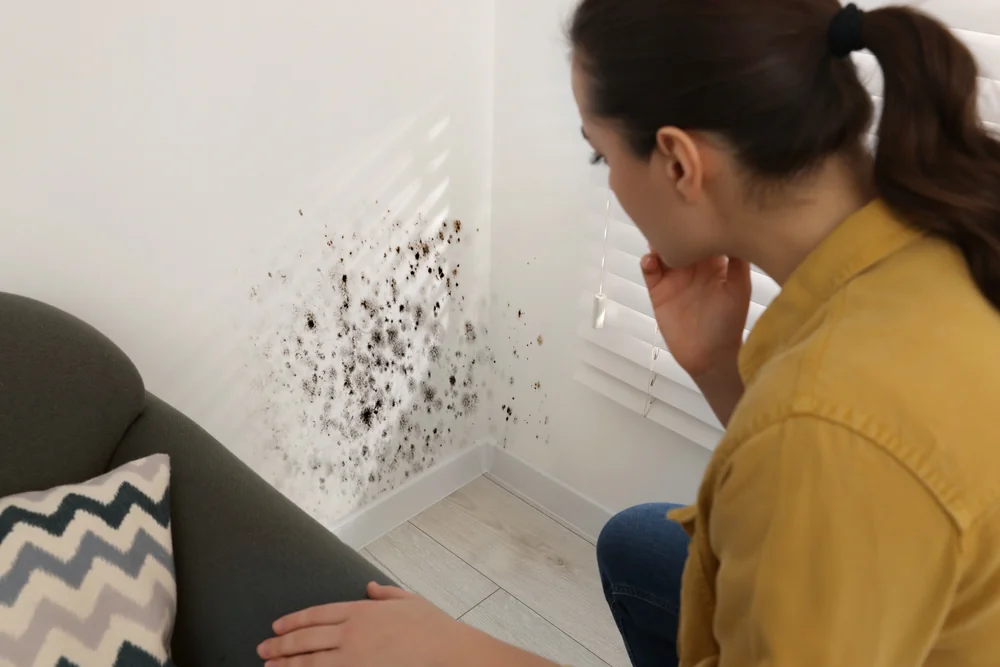
You should also test if you’ve had water damage, flooding, or leaks—even if they were fixed. Mold can grow behind walls or under flooring where you can’t see it. Musty smells, visible mold spots, or condensation on windows are obvious signs, but plenty of homes have serious air quality issues with no visible evidence at all.
If you’re buying or selling a home in Kintnersville, testing gives you leverage and peace of mind. Bucks County’s older homes and humid climate mean mold problems are common, and you don’t want to discover them after closing.
A mold air test counts the number and types of mold spores in your indoor air. The lab analyzes samples and identifies specific mold species, then compares your indoor levels to outdoor levels. If your indoor counts are significantly higher than outdoor counts, you’ve got a mold problem inside your home.
The test also tells you what kind of mold you’re dealing with. Some species are more concerning than others. Stachybotrys, for example, is the black mold everyone worries about, and it indicates serious moisture problems. Aspergillus and Penicillium are common but can still cause health issues, especially for people with asthma or allergies.
The results show you where the problem is concentrated. If one room has sky-high spore counts and the rest of the house is normal, we know where to focus. If the whole house is elevated, the issue is likely systemic—maybe your HVAC system is spreading spores, or you’ve got moisture problems in multiple areas.
The on-site inspection and sample collection usually takes one to two hours, depending on the size of your home and how many areas we’re testing. We’re not rushing through it. We’re checking your basement, attic, HVAC system, and any rooms where you’ve noticed problems.
The air samples themselves need time to process. We send them to a certified lab, and results typically come back within three to five business days. You’ll get a detailed report showing spore counts, mold species identified, and comparisons to safe levels.
If you need faster results—maybe you’re in the middle of a real estate transaction or dealing with a health emergency—we can request expedited lab processing. That usually gets you results in 24 to 48 hours, though there’s an additional cost for the rush service.
It depends on what caused the mold. If the mold resulted from a sudden, accidental event like a burst pipe or storm damage, your homeowner’s insurance will likely cover both testing and remediation. If it’s from long-term neglect, a slow leak you didn’t fix, or general humidity issues, most policies won’t cover it.
The key is documenting everything. Take photos of any water damage, keep records of when you discovered the problem, and file your claim quickly. Insurance companies look for proof that the damage was sudden and unforeseeable, not something that developed over months or years.
We work with insurance companies regularly and can help you navigate the claims process. We’ll provide detailed documentation of what we find, including photos, moisture readings, and lab results. If your claim gets approved, we’ll work directly with your adjuster to make sure the scope of work matches what actually needs to happen. If your claim is denied, we offer financing options to make remediation affordable without waiting for insurance.
You can buy DIY test kits online, but they’re not reliable. Most of them use petri dishes that you leave open to collect mold spores, then send to a lab. The problem is they don’t measure air volume or give you accurate spore counts. You might get results that say “mold detected,” but that doesn’t tell you if you have a serious problem or just normal background levels.
Professional air quality testing uses calibrated equipment that pulls a specific volume of air through a collection device. The lab can then calculate spore counts per cubic meter, which is the only way to know if your levels are actually elevated. We also test multiple locations and compare indoor to outdoor levels, which DIY kits don’t do.
The bigger issue is that testing alone doesn’t solve anything. You need someone who knows how to interpret the results and find the source of the problem. We use thermal imaging and moisture meters to locate hidden mold growth and identify why it’s there in the first place. A DIY kit won’t tell you that your bathroom exhaust fan is venting into your attic, or that you’ve got a slow leak behind your washing machine. You’ll know you have mold, but you won’t know where it is or how to fix it.
If we find elevated mold levels, we’ll show you exactly where the problem is and what’s causing it. Mold doesn’t grow without moisture, so there’s always an underlying issue—a leak, condensation, poor ventilation, or humidity that’s too high. We identify the source first, because removing mold without fixing the cause just means it’ll come back.
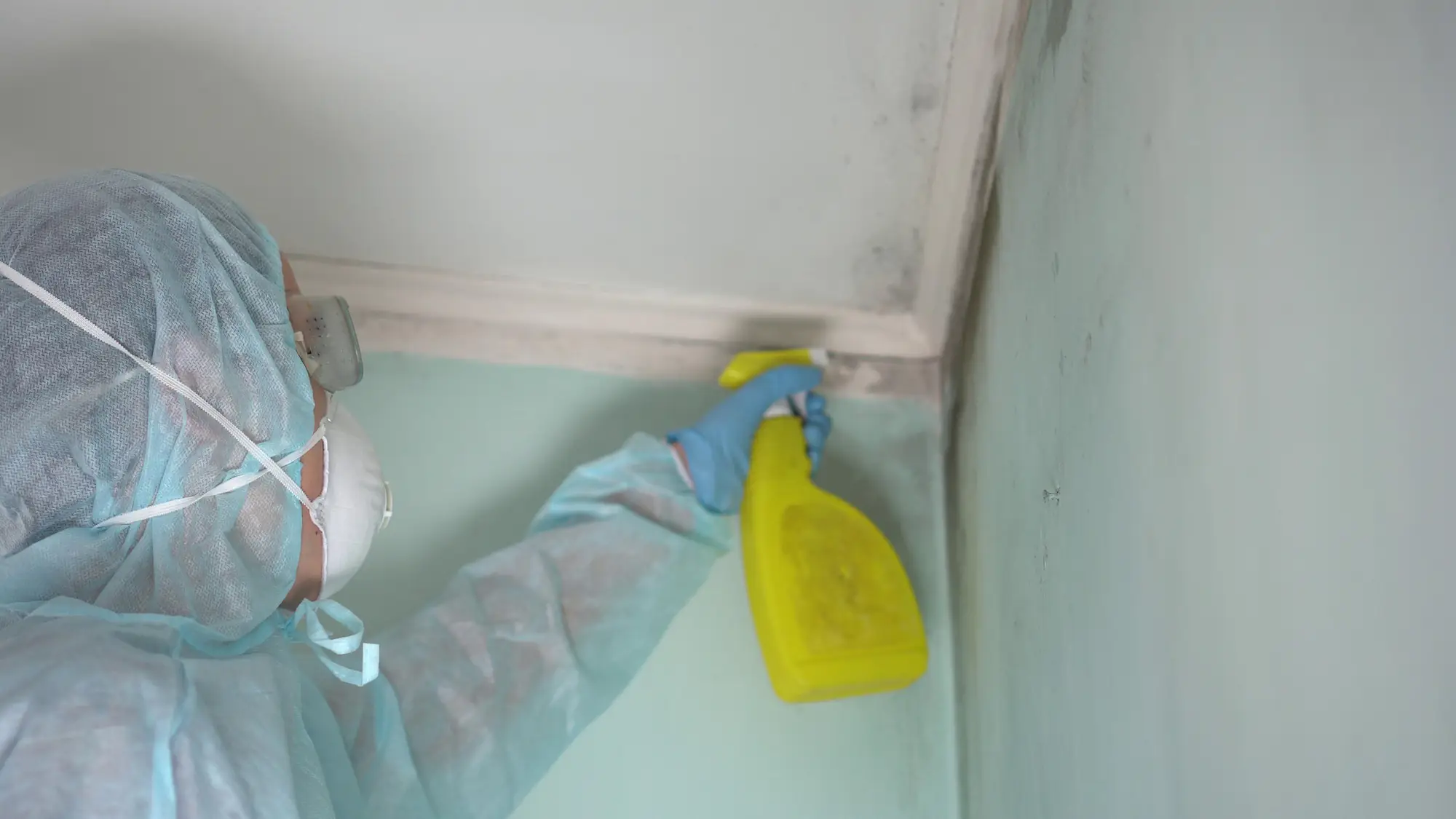
Then we give you a detailed estimate for remediation. That includes containment to prevent spores from spreading during removal, safe removal of contaminated materials, cleaning and treating affected areas, and fixing the moisture problem. We follow EPA guidelines and use proper equipment—HEPA vacuums, air scrubbers, antimicrobial treatments—to make sure the job is done right.
After remediation, we can do post-testing to confirm that spore levels are back to normal. Some homeowners want that verification, especially if they’re selling the house or have family members with serious health concerns. You’ll get documentation showing that the problem was properly addressed, which is useful for your records and for any future buyers if you sell.
Other Services we provide in Kintnersville