

Hear from Our Customers
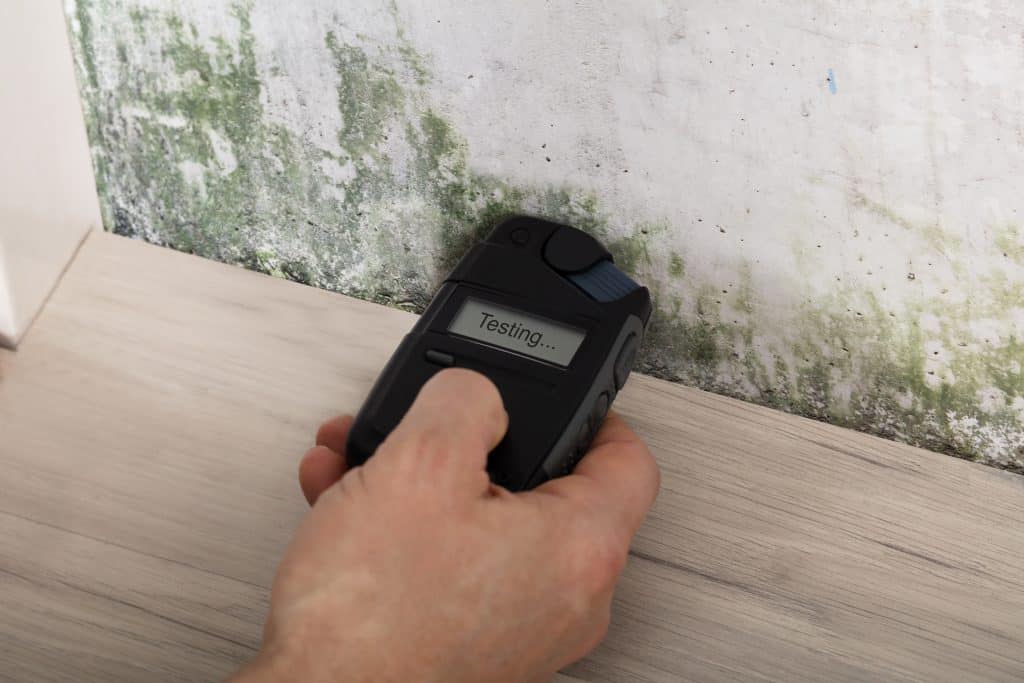
You’re not just dealing with visible mold on your basement wall or bathroom ceiling. You’re dealing with what you can’t see yet, what’s growing behind drywall or under flooring, and what happens if you don’t catch it early. Bucks County’s humid summers and damp winters create conditions where mold doesn’t just show up—it spreads fast.
Professional mold removal means finding the source, containing the problem so spores don’t travel to clean areas, and removing contaminated materials safely. It also means addressing the moisture issue that caused it, whether that’s a slow leak, poor ventilation, or humidity that’s been building for months.
When it’s done right, you’re not just cleaning up what you see. You’re protecting your family from respiratory issues, preserving your property value, and avoiding a bigger problem six months from now. That’s what actually matters.
We’ve been handling mold problems in Kintnersville and throughout Bucks County for years. Our team lives here, works here, and understands exactly how the local climate affects homes—especially older properties that weren’t built with modern moisture barriers or ventilation systems.
We’re certified mold remediation specialists who follow EPA and IICRC standards, not because we have to check a box, but because those protocols actually work. We use thermal imaging and moisture meters to find hidden mold, and we don’t leave until the source of the moisture is identified and addressed.
You’ll get a free inspection, a clear explanation of what’s happening, and a detailed estimate before any work starts. No surprises, no upselling, just straight answers about what needs to happen and why.

First, we inspect your property thoroughly—not just where you see mold, but where it’s likely hiding. We use thermal imaging to detect moisture behind walls and moisture meters to measure humidity levels in materials. This tells us how far the problem has spread and what’s feeding it.
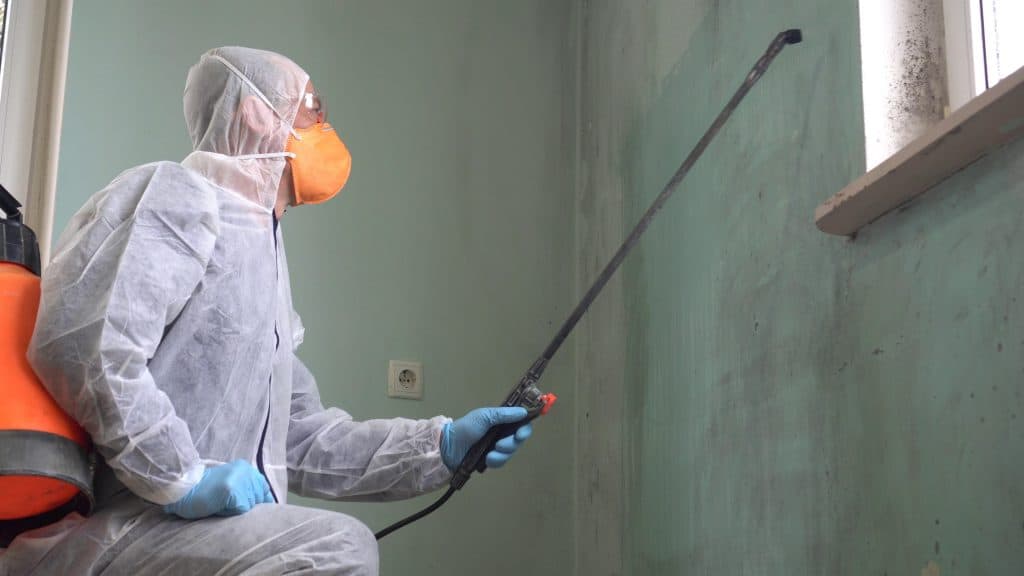
Next, we contain the affected area using physical barriers and negative air pressure to prevent mold spores from spreading to other parts of your home during removal. Then we remove contaminated materials—drywall, insulation, flooring, whatever can’t be safely cleaned—and treat remaining surfaces with EPA-approved antimicrobials.
But removal is only half the job. We identify and fix the moisture source, whether that’s repairing a leak, improving ventilation, or addressing drainage issues around your foundation. Without that step, mold comes back. After everything’s dry and treated, we verify the work with final moisture readings and air quality checks so you know it’s actually done.
Ready to get started?
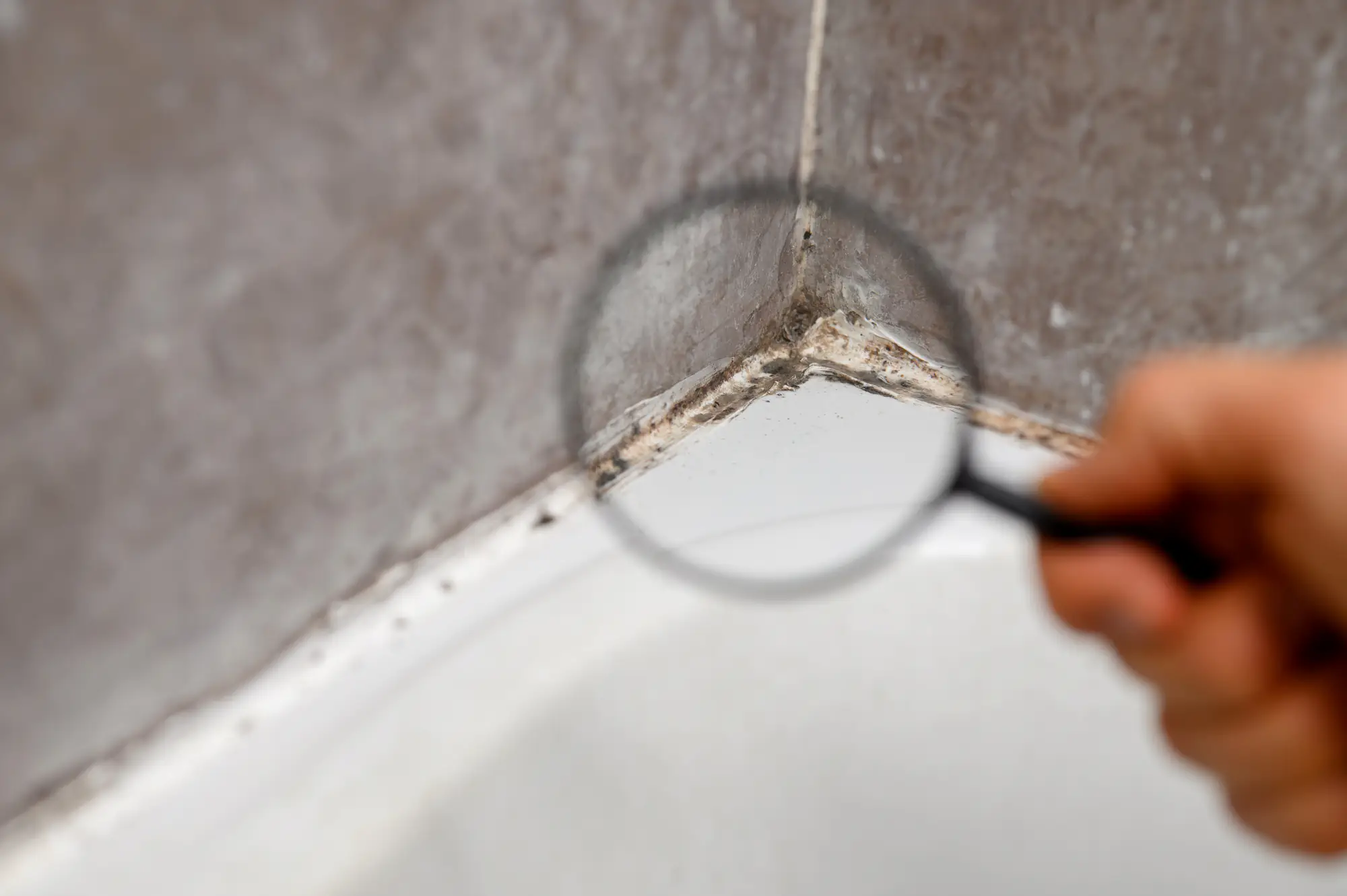
Every mold removal job starts with a free inspection where we assess the extent of contamination, identify the mold type if needed, and trace the moisture source. You’ll get a detailed report with photos, moisture readings, and a clear scope of work.
The removal process includes full containment setup, HEPA air filtration during work, safe removal of contaminated materials, antimicrobial treatment of affected surfaces, and proper disposal of moldy materials. We don’t just spray and wipe—we remove what can’t be saved and treat what can.
In Kintnersville and Bucks County specifically, we see a lot of basement mold from groundwater issues, attic mold from poor ventilation, and bathroom mold from humidity that doesn’t have anywhere to go. Older homes in this area often lack vapor barriers and modern HVAC systems, which means moisture gets trapped. We address those conditions as part of the remediation, not as an afterthought. That’s how you prevent it from coming back.
Most homeowners in Bucks County pay between $1,200 and $3,750 for professional mold remediation, but the actual cost depends on how much mold there is, where it’s located, and what caused it. A small area of surface mold in a bathroom costs less than widespread contamination in a basement or crawl space that requires structural repairs.
The price includes inspection, containment, removal, antimicrobial treatment, and addressing the moisture source. If your insurance covers mold damage—and many policies do if it’s related to a covered event like a burst pipe—we’ll work directly with your insurance company and provide all the documentation they need.
We give you a detailed estimate before starting any work, so you’ll know exactly what you’re paying for and why. No hidden fees, no surprises after the fact.
We offer 24/7 emergency response because mold doesn’t wait for business hours, and neither should you. Once mold starts growing—which can happen within 24 to 48 hours of water exposure—it spreads fast, especially in Bucks County’s humid climate.
The sooner we can contain and remove it, the less damage it causes and the lower your remediation costs. If you’ve just discovered mold, had a water leak, or noticed a musty smell that won’t go away, call us right away. We’ll get someone out to assess the situation, often the same day.
Every hour matters when it comes to limiting contamination and protecting your family’s health. That’s why we prioritize fast response and clear communication from the moment you reach out.
If it’s a very small area—less than 10 square feet—on a hard, non-porous surface like tile, you can clean it yourself with the right precautions. But if the mold covers a larger area, is on porous materials like drywall or wood, or you’re not sure where it’s coming from, you need a mold specialist.
DIY removal often misses hidden mold growth behind walls, under flooring, or in HVAC systems. It can also spread spores throughout your home if you don’t contain the area properly. And if you don’t fix the moisture problem, the mold just comes back.
Professional mold removal means proper containment, complete removal of contaminated materials, treatment of affected areas, and identification of the root cause. It’s not just about scrubbing what you see—it’s about making sure it doesn’t come back and protecting your home’s air quality in the process.
Mold exposure can cause stuffy nose, sore throat, coughing, wheezing, burning eyes, and skin rash in most people. If you have asthma or mold allergies, your reactions can be much more severe, including difficulty breathing and asthma attacks. People with weakened immune systems can develop serious lung infections from mold exposure.
The CDC reports that dampness and mold are associated with a 30-50% increase in respiratory illness rates, and about 4.6 million asthma cases in the U.S. are caused by mold. Children, elderly family members, and anyone with existing respiratory conditions are especially vulnerable.
You don’t need to wait for symptoms to show up before addressing mold. If you see it, smell it, or have had water damage that wasn’t dried within 48 hours, get it inspected. The longer mold grows, the more spores it releases into your air, and the greater the health risk becomes.
Yes, and significantly. Home resale values can drop 20-37% when mold issues are discovered, and as many as half of potential buyers will back out of a deal once they learn a property has had mold problems. Even if you disclose that the mold was remediated, buyers and their inspectors will scrutinize the work.
That’s why proper, professional mold removal matters—not just for your family’s health now, but for your property value down the road. Documentation of professional remediation, including before and after photos, moisture readings, and proof that the source was fixed, can help reassure future buyers.
If you’re planning to sell your Kintnersville home, address any mold issues before listing. It’s far better to handle it on your terms than to lose negotiating power or watch buyers walk away during inspection. Mold problems don’t stay hidden during a home sale—they always come out.
Preventing mold from returning means controlling moisture, because mold can’t grow without it. After we remove contaminated materials and treat affected areas, we identify and fix the source—whether that’s a plumbing leak, foundation crack, poor ventilation, or humidity problem.
In Bucks County homes, we often recommend improving basement ventilation, installing dehumidifiers in damp areas, fixing grading issues around foundations, and ensuring bathrooms and kitchens have proper exhaust fans. Older homes especially benefit from vapor barriers in crawl spaces and better attic ventilation.
We’ll give you specific recommendations based on what we find during inspection. The goal isn’t just to clean up the mold you have now—it’s to create conditions where mold can’t take hold again. That’s the difference between a temporary fix and a permanent solution.
Other Services we provide in Kintnersville