
Hear from Our Customers
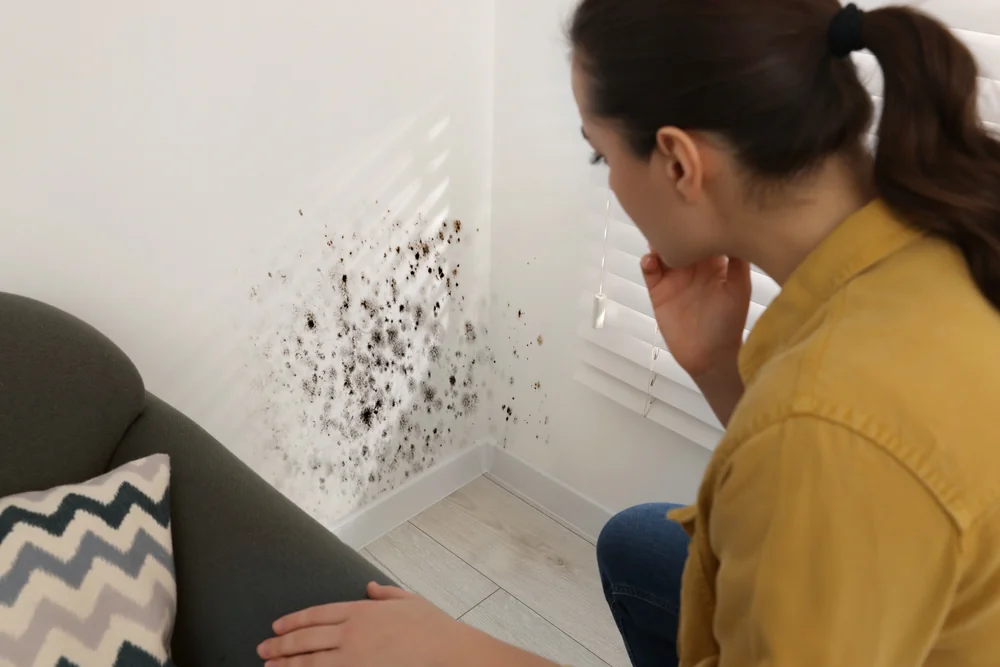
You’ve noticed the symptoms. Headaches that won’t quit. Kids with constant runny noses. Allergies that seem worse at home than anywhere else. Maybe you smell something musty in the basement, or you’re buying a house and want to know what you’re actually getting into.
Standard home inspections miss what’s floating in your air. They check structure and systems, but they don’t test for mold spores, volatile organic compounds, or the particulates that make breathing feel harder than it should.
Professional air quality testing shows you exactly what’s in your indoor air. We collect samples from multiple areas in your home, send them to a certified lab, and give you a detailed report on what’s present and at what levels. You’ll know if that musty smell is actually mold, whether your HVAC system is circulating contaminants, and what’s causing those persistent health symptoms. Then you can make informed decisions about what needs to change.
We’ve been testing air quality in Glenlake and throughout Bucks County for over 20 years. We’ve seen how Pennsylvania’s humid summers and temperature swings create perfect conditions for mold growth and poor indoor air quality.
Bucks County homes face specific challenges. Older construction, basement moisture issues, and seasonal humidity all contribute to air quality problems that most homeowners don’t realize are there until health symptoms start piling up. We use the same testing methods whether you’re in a 100-year-old farmhouse or a new construction development.
You’re not getting a sales pitch disguised as testing. We analyze what’s actually present, explain what the numbers mean in plain terms, and tell you what action makes sense based on the results.

First, we talk through what you’ve noticed. Symptoms, smells, visible issues, or just general concern. This tells us where to focus and what types of testing make the most sense for your situation.
Then we come to your Glenlake home with professional-grade equipment. We collect air samples from multiple rooms using calibrated pumps that pull air through collection media. We also take surface samples if there’s visible growth or suspected contamination. The whole process typically takes 1-2 hours depending on your home’s size and the scope of testing.
Samples go to a certified laboratory for analysis. You get a detailed report showing exactly what’s present, at what concentrations, and how those levels compare to normal outdoor air and established health guidelines. We walk through the results with you, answer your questions, and recommend next steps if levels are elevated.
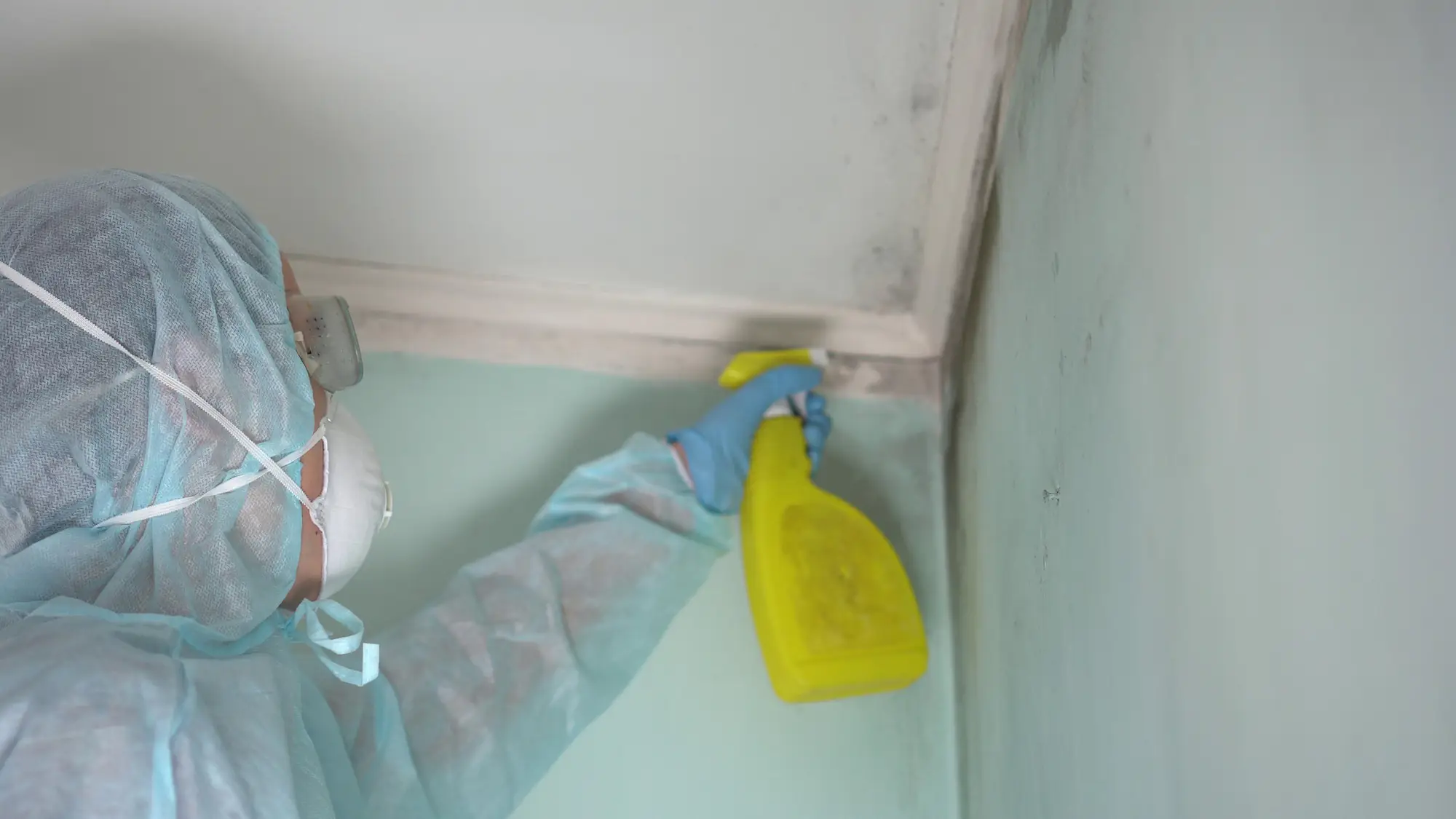
If the test shows mold spores, VOCs, or other contaminants above safe levels, we can discuss remediation options. If everything comes back clean, you have documentation and peace of mind.
Ready to get started?
Every residential air quality testing appointment includes a consultation before we start. You’re not paying for cookie-cutter service. We need to understand what’s happening in your home so we test for the right things.
Air sampling captures what’s floating in your indoor environment. Mold spores, dust mites, pollen, and other particulates that you can’t see but might be breathing all day. We collect samples from problem areas and comparison areas to see where concentrations are highest.
Surface testing identifies growth on walls, ceilings, or HVAC components. Sometimes what looks like dirt or discoloration is actually active mold. Lab analysis confirms the species and whether it’s the type that produces mycotoxins.
Glenlake homes built before 1990 often have additional concerns. Older building materials, dated HVAC systems, and basement moisture issues are common in Bucks County. We account for these factors when recommending testing scope. The report you receive breaks down every contaminant found, explains what it means for your health, and gives you actionable information for improving your indoor air quality.
Lab analysis typically takes 3-5 business days after we collect samples from your home. Some tests come back faster, others take the full week depending on what we’re testing for and current lab volume.
You’re not waiting in the dark. We’ll tell you during the appointment when to expect results based on the specific tests we’re running. Mold spore analysis usually comes back within 3-4 days. VOC testing can take closer to a week.
Once results are in, we schedule a time to review them with you. This isn’t a “here’s your report, good luck” situation. We walk through what was found, what the numbers actually mean, and what you should consider doing based on the findings. Most people have questions about the technical language in lab reports, so we translate it into plain terms.
DIY kits give you a yes/no answer. Professional air quality testing tells you what’s present, how much, and where it’s concentrated. That difference matters when you’re trying to solve a real problem.
Store-bought kits usually test one location for one type of contaminant. They’re cheap, but they miss the full picture. You might test your bedroom and get a clean result while your basement is full of mold spores. Or the kit detects “mold present” but doesn’t tell you the species, concentration, or whether it’s actually a health concern.
Professional testing uses calibrated equipment and certified lab analysis. We collect multiple samples from different areas so you can see patterns. The lab identifies specific mold species, measures spore counts, and compares them to outdoor baseline levels. You get a comprehensive report that actually helps you make decisions. If you’re dealing with health symptoms, buying a house, or need documentation for insurance or legal purposes, DIY kits won’t cut it.
Mold grows in places you can’t see. Behind walls, under flooring, in HVAC ducts, above ceiling tiles. You can have a serious mold problem without any visible signs.
The bigger issue is that mold is just one air quality concern. VOCs from cleaning products, building materials, and furniture off-gas constantly. Dust mites, pollen, and other allergens accumulate in carpets and upholstery. Radon seeps up through foundation cracks. None of these are visible, but all of them affect your health.
If anyone in your home has unexplained respiratory symptoms, frequent headaches, or allergies that seem worse indoors, testing makes sense. If you’re buying a house in Glenlake, testing before you close protects your investment. If you’ve had water damage or flooding, testing confirms whether it led to mold growth. You don’t need to see a problem to have a problem. Testing gives you actual data instead of assumptions.
Cost depends on what you’re testing for and how many samples you need. Basic mold air testing for a typical home usually runs $300-600. More comprehensive testing that includes VOCs, allergens, and multiple sample locations costs more.
Size matters. A 1,200 square foot ranch needs fewer sample points than a 3,000 square foot colonial. If you have a finished basement, multiple HVAC zones, or specific problem areas, that affects scope and price.
We give you a clear quote before we start. No surprise charges, no upselling during the appointment. You’ll know exactly what you’re paying for and why each test matters for your situation. Some homeowners need comprehensive testing. Others just need targeted sampling in one problem area. We recommend what makes sense based on your concerns and budget, not what generates the biggest invoice.
Yes, and it often should. Buyers want to know what they’re getting into. Sellers want to address issues before they derail a deal during inspection.
If you’re buying a home in Glenlake, air quality testing gives you leverage. Standard home inspections don’t include air sampling. The inspector might note water stains or musty odors, but they won’t tell you if there’s active mold growth or what’s floating in the air. Testing before you close means you can negotiate repairs or walk away if there’s a serious problem.
If you’re selling, testing before listing prevents surprises. Finding out you have elevated mold spore counts during buyer inspection puts you in a weak position. Finding out beforehand lets you remediate on your timeline and price the home appropriately. Clean test results also give buyers confidence, especially if the home is older or has had past water issues. Either way, documentation matters. Professional testing provides the proof that everyone can point to during negotiations.
Keep your home in normal living conditions. Don’t deep clean, don’t open all the windows, don’t do anything special. We need to test the air you’re actually breathing day to day.
If you’ve been running air purifiers, keep running them. If you normally keep windows closed, keep them closed. The goal is to capture what your indoor air quality actually looks like under typical conditions. Changing your routine right before testing skews the results and defeats the purpose.
Do tell us about any recent changes. If you just had water damage, finished a renovation, or noticed new symptoms, that context helps us focus testing where it matters most. Also let us know if anyone in the home has specific health concerns or sensitivities. We can adjust our approach based on what’s most important for your situation. The appointment itself is straightforward. You don’t need to leave, but you can if you prefer. Most people stick around and ask questions while we work.
Other Services we provide in Glenlake