
Hear from Our Customers
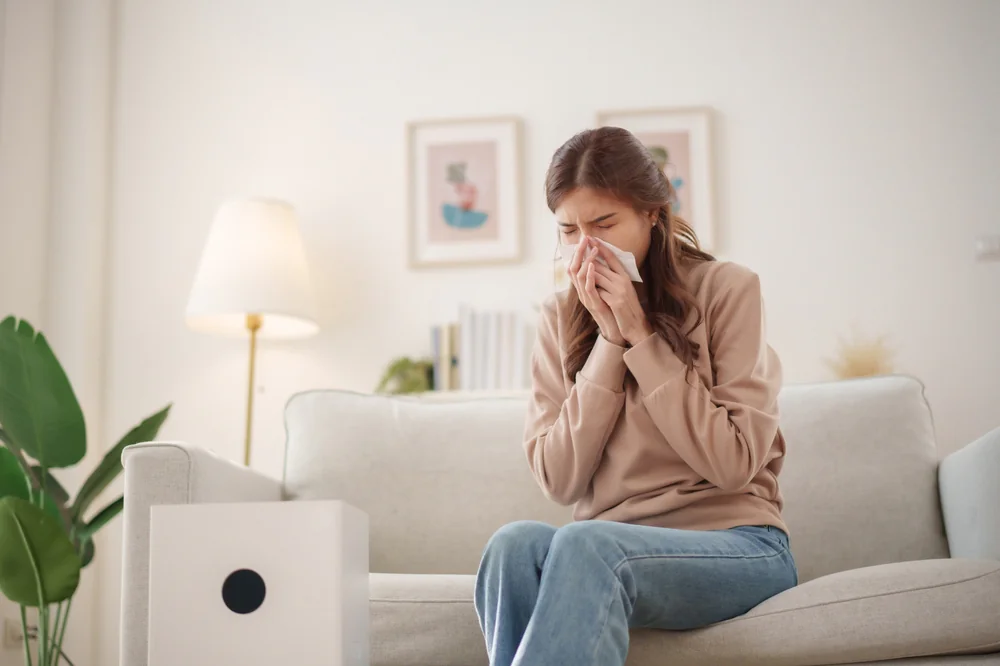
You’ve noticed the pattern. Symptoms clear up when you leave the house. They come back when you return. Your kids are coughing more than usual, and allergy medicine isn’t cutting it anymore.
Indoor air quality testing tells you what’s actually in the air. Not a guess. Not a maybe. Lab results that identify mold species, measure spore concentrations, and detect VOCs, carbon monoxide, and particulates you can’t see or smell.
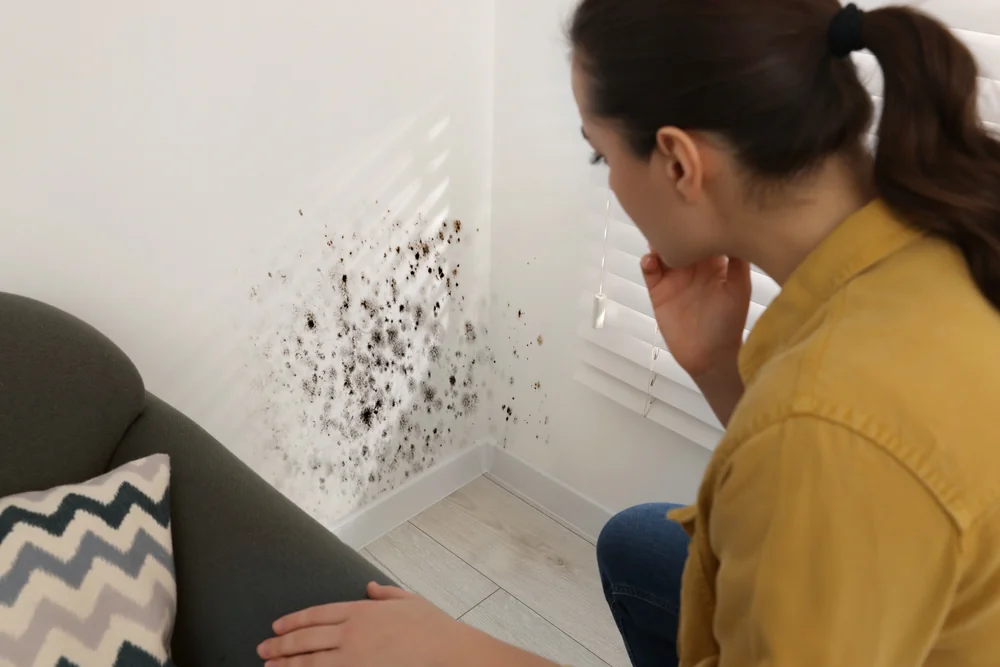
Most homes in Gallows Hill deal with moisture issues thanks to Bucks County’s humid summers and aging building stock. That creates the perfect environment for mold growth in basements, crawl spaces, and behind walls. A professional air quality test catches problems early—before they turn into expensive remediation jobs or long-term health issues for your family.
We’ve been helping families in Gallows Hill and throughout Bucks County create healthier homes for years. We’re not a national franchise following a script. We’re local, and we understand the specific challenges homes face here—from leaky basements common in older properties to the moisture problems that come with Pennsylvania’s climate.
We use EPA-approved testing methods and send samples to accredited labs for analysis. You get detailed reports that identify exactly what’s in your air and where it’s coming from. We don’t just hand you results and leave. We walk you through what we found, explain what it means for your family’s health, and show you how to fix the source of the problem.
We start with a free inspection of your Gallows Hill home. We’re looking for visible signs of mold, moisture problems, and areas where air quality issues typically develop. We check basements, crawl spaces, HVAC systems, and anywhere water damage or humidity could be causing problems.
Next, we collect air samples using calibrated equipment. We test for mold spores, measure levels of carbon dioxide and carbon monoxide, check for volatile organic compounds, and assess particulate levels. We also document temperature and humidity readings since those directly impact air quality and mold growth.
Samples go to an independent, accredited laboratory for analysis. You’re not getting a DIY kit result. You’re getting scientific identification of mold species, precise spore concentration levels, and a comprehensive report that meets Pennsylvania Department of Health standards. Once results come back, we sit down with you and explain what we found in plain language. Then we show you exactly how to fix it—whether that’s addressing a moisture source, improving ventilation, or removing contaminated materials.
Ready to get started?
Our residential air quality testing covers the pollutants that actually make people sick. We test for mold spores—the ones that trigger asthma attacks and allergic reactions in kids and adults. We measure carbon monoxide levels, which can be deadly and often goes undetected. We check for volatile organic compounds that off-gas from building materials, cleaning products, and furnishings.
Gallows Hill homes, especially older ones built before 1939, often have unique ventilation challenges. Poor airflow traps pollutants inside. Aging HVAC systems can circulate contaminated air throughout your home. Our testing identifies these issues so you know exactly what needs attention.
You’ll receive a detailed lab report with species identification for any mold found, concentration levels for all pollutants tested, and documentation you can share with your doctor or insurance company if needed. We also provide a written assessment that explains the source of contamination and specific steps to eliminate it. If remediation is necessary, we handle that too—and we work directly with insurance companies to reduce your out-of-pocket costs.
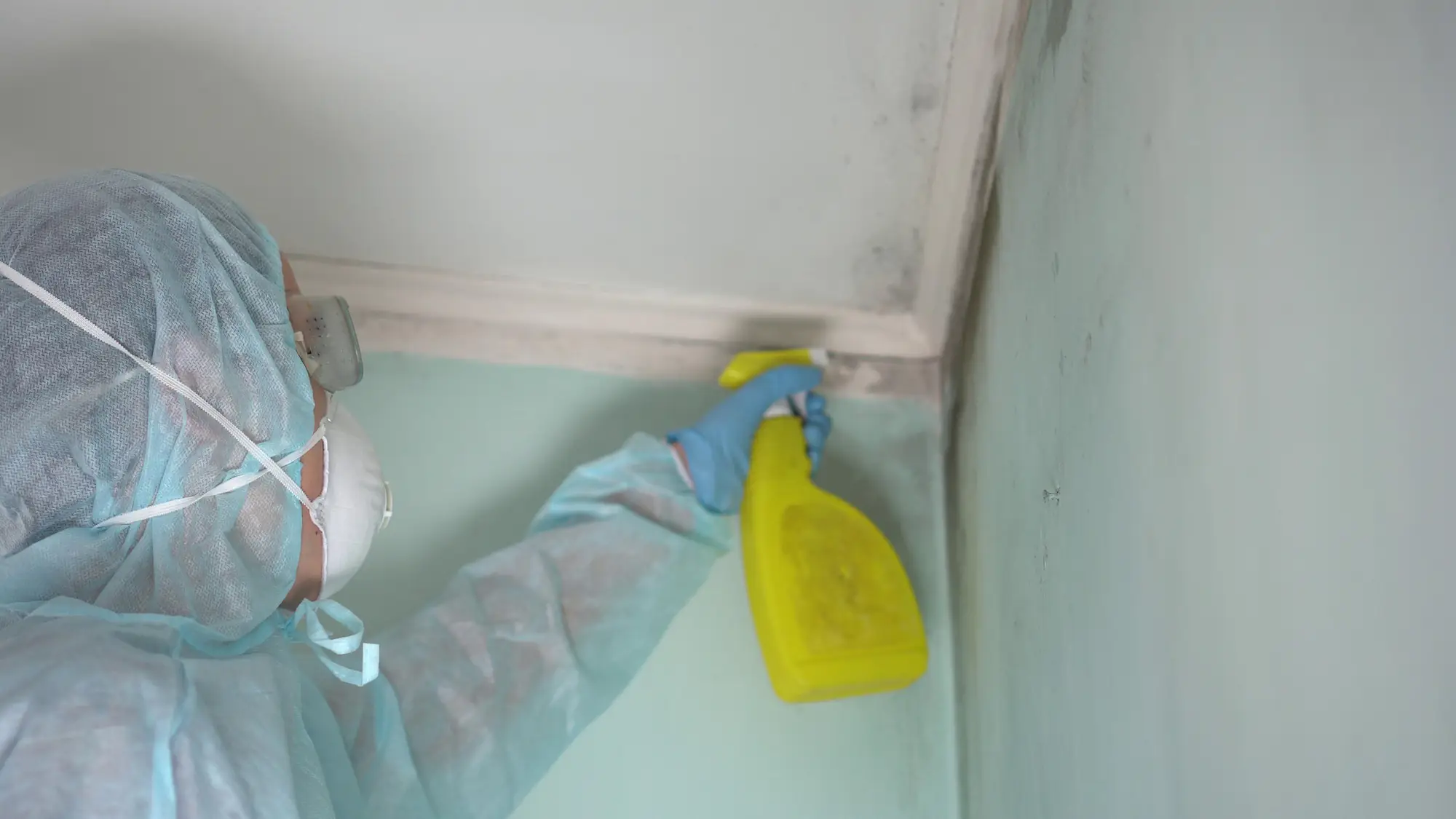
If anyone in your household is experiencing symptoms that improve when they leave and return when they come back, that’s a red flag. Persistent coughing, sneezing, congestion, headaches, or fatigue that won’t go away often point to indoor air quality problems.
You should also test if you’ve had water damage, notice musty odors, see visible mold growth anywhere, or live in an older home. Gallows Hill has plenty of pre-1939 homes with basements prone to moisture issues. Even if you don’t see mold, it can be growing in wall cavities, under flooring, or in your HVAC system.
Testing is especially important if you have young children, elderly family members, or anyone with asthma or respiratory conditions. Their immune systems are more vulnerable to the effects of poor air quality. Annual testing is a smart preventive measure, but if you’re experiencing symptoms now, don’t wait.
DIY kits can tell you if mold is present, but they can’t tell you what species it is or how much of it you’re dealing with. That matters because some mold species are significantly more dangerous than others. Without lab analysis, you’re guessing about the severity of the problem.
Professional testing uses calibrated equipment and accredited laboratory analysis. We collect samples following EPA-approved methods, which ensures accuracy. Labs identify the specific mold species, measure spore concentrations, and provide documentation that meets health department standards. If you need to file an insurance claim or provide proof to a landlord, DIY results won’t cut it.
We also test for pollutants DIY kits miss entirely—carbon monoxide, VOCs, particulate levels, and humidity readings that contribute to mold growth. Plus, we find the source of contamination. A test kit tells you there’s a problem. We tell you where it’s coming from and how to fix it so it doesn’t come back.
The on-site inspection and sample collection usually takes one to two hours depending on the size of your home and the areas we’re testing. We’re thorough, but we’re not going to waste your time. We test the areas most likely to have problems and anywhere you’ve noticed symptoms or concerns.
Lab analysis typically takes three to five business days. Once we receive results, we’ll contact you right away to schedule a time to review the findings. We don’t just email you a report and disappear. We sit down with you, walk through what the lab found, explain what it means in plain language, and outline your options for addressing any issues.
If we find elevated mold spore levels or dangerous pollutants like carbon monoxide, we’ll prioritize getting you that information quickly. Your family’s health comes first. If immediate action is needed, we’ll tell you exactly what to do while you’re waiting for full lab results.
Not really. We’re in and out in a couple of hours for most homes. You don’t need to move furniture or do any prep work before we arrive. We bring all our own equipment, and we’re careful to minimize disruption.
Some testing methods require closing windows and doors for a set period before we collect samples—usually 12 hours. That helps us get accurate readings of what your indoor air actually looks like under normal conditions. We’ll give you clear instructions ahead of time so you know what to expect.
You can stay in your home during testing. There’s no need to leave or relocate your family. We’re not using chemicals or doing anything that creates fumes or safety concerns. Once we collect samples, you can go back to your normal routine immediately. The only thing you’re waiting on at that point is lab results.
We offer free inspections, so there’s no cost to have us come out and assess your situation. If testing is recommended, the cost depends on what we’re testing for and how many samples we need to collect. A basic mold air test is different from comprehensive testing that includes VOCs, carbon monoxide, and particulate analysis.
Most homeowners in Gallows Hill spend between a few hundred and several hundred dollars for thorough air quality testing with lab analysis. That includes the inspection, sample collection, laboratory fees, and a detailed report with our recommendations. It’s not cheap, but it’s a fraction of what you’d spend on medical bills or major remediation if problems go undetected.
If testing reveals issues that require remediation, we work directly with insurance companies. Many homeowners policies cover mold remediation and air quality problems caused by covered events like water damage. We handle the documentation and help reduce your out-of-pocket costs. The investment in testing now can save you thousands later—and more importantly, it protects your family’s health.
First, don’t panic. Finding a problem is better than living with one you don’t know about. We’ll walk you through exactly what the lab results mean and how serious the issue is. Not all mold requires full remediation, and not every air quality problem is a health emergency.
If we find elevated mold spore levels or identify a dangerous species, we’ll show you where it’s coming from and what’s causing it. Usually it’s a moisture problem—a leak, poor ventilation, high humidity, or water damage that wasn’t properly dried. We fix the source first. Otherwise, mold just comes back.
For remediation, we follow EPA guidelines and Pennsylvania regulations. We contain the affected area, remove contaminated materials safely, treat surfaces, and verify the air is clean before we’re done. If your HVAC system is circulating pollutants, we’ll address that too. You’ll get a clear plan, a timeline, and upfront pricing. We’re not here to upsell you on work you don’t need. We’re here to fix the problem and make sure it doesn’t return.
Other Services we provide in Gallows Hill