
You’re not just looking for someone to fix your air conditioner. You need an HVAC contractor who understands that your heating and cooling system is the frontline defense against poor indoor air quality and the mold problems that follow.
Most people don’t realize their HVAC system can become a distribution network for mold spores. When moisture builds up in ductwork or around evaporator coils, you’re not just dealing with reduced efficiency—you’re circulating contaminated air through every room in your house. The right HVAC company knows how to spot these problems early, before they turn into expensive remediation projects.
Here’s what separates reliable HVAC contractors from the rest, and why air quality expertise matters more than you think.
What Makes the Best HVAC Companies Stand Out for Air Quality
The best HVAC companies in Pennsylvania treat air quality as seriously as they treat temperature control. These aren’t contractors who show up, swap a part, and leave. They’re trained to recognize when your system is creating conditions that allow mold to grow.
Look for companies with NATE certification and EPA 608 credentials. These aren’t just letters on a business card—they signal that technicians understand refrigerant handling, proper ventilation, and the moisture dynamics that lead to mold. When an HVAC contractor inspects your system, they should be checking condensate drain lines, examining evaporator coils for standing water, and testing humidity levels throughout your home.
Companies that specialize in indoor air quality go further. They install whole-home dehumidifiers, upgrade filtration systems, and recommend UV lights that kill mold spores before they circulate. They understand that keeping humidity between 30 and 50 percent isn’t optional in Pennsylvania’s climate—it’s essential. And when they do find mold during a routine service call, the best contractors know exactly which remediation specialists to recommend.
Reliable HVAC Services That Include Ductwork and Moisture Control
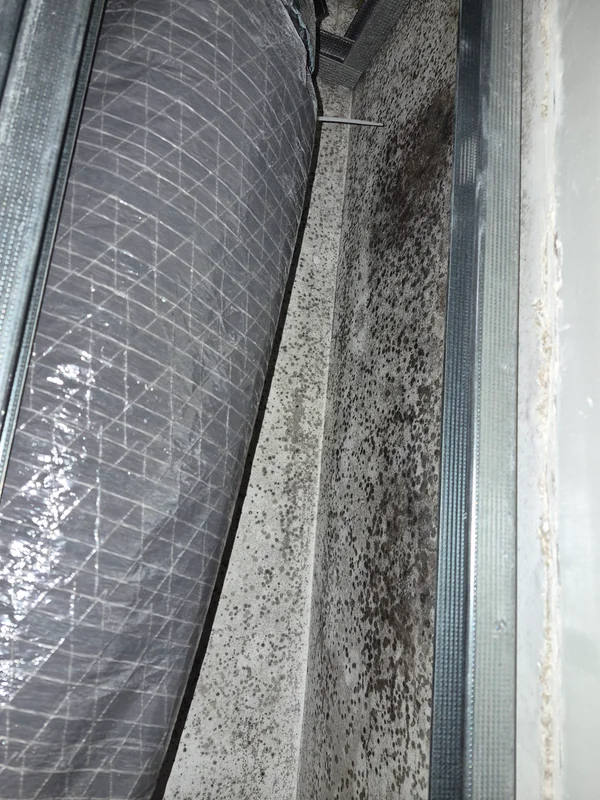
Your ductwork is where mold hides. It’s dark, it collects dust and debris, and when moisture from condensation or leaks gets in, it becomes a breeding ground. Reliable HVAC services include duct inspection and cleaning as part of their air quality focus, not as an afterthought.
NADCA-certified companies follow strict protocols when cleaning ductwork. They don’t just vacuum out visible dust—they clean the entire system, including air handlers, blowers, plenums, drain pans, and coils. They use negative pressure to contain debris during cleaning, preventing contamination from spreading to other areas. And they apply EPA-registered antimicrobial treatments designed specifically for HVAC systems, not generic cleaners that can damage components or create new problems.
Moisture control starts with proper drainage. Clogged condensate lines are one of the most common causes of mold in HVAC systems. When drain pans overflow or water backs up, it creates standing water that can turn into a mold factory within 48 hours. The best HVAC contractors check these systems during every maintenance visit, clearing blockages before they become disasters.
Leaky ductwork is another major issue. When ducts aren’t properly sealed, they pull in warm, humid air from attics or crawl spaces. That temperature difference creates condensation inside the ducts, and mold follows. Quality HVAC companies use airflow testing and remote cameras to identify problem areas, then seal or replace damaged sections. It’s not glamorous work, but it’s what prevents mold from taking hold in the first place.
Pennsylvania’s climate makes humidity control especially important. Summers bring high humidity that overwhelms standard air conditioning systems. Winters trap moisture inside tightly sealed homes. HVAC companies that understand regional challenges recommend whole-home dehumidifiers for humid areas and proper ventilation systems like ERVs or HRVs to balance fresh air intake without sacrificing energy efficiency. These aren’t upsells—they’re solutions to real problems that lead to mold growth when ignored.
How HVAC Contractors Partner with Mold Remediation Companies
HVAC technicians are often the first to discover mold. During routine maintenance or repair calls, they open up air handlers, inspect ductwork, and spot the telltale signs—black spots on coils, musty odors, visible growth around vents. But here’s the thing: most HVAC companies don’t handle mold remediation themselves, and that’s actually a good sign.
The best HVAC contractors know their lane. They understand HVAC systems inside and out, but they also recognize that mold remediation requires specialized training, containment procedures, and equipment they don’t carry. Instead of trying to do everything, they’ve built relationships with certified mold remediation companies they trust. When they find mold, they make the referral and coordinate timing so the remediation happens before they complete HVAC repairs.
This partnership benefits you in several ways. First, you get specialists handling each part of the problem—HVAC experts fixing the moisture issue that caused the mold, and remediation professionals safely removing the contamination. Second, good contractors communicate with each other. The remediation company identifies the source of moisture, and the HVAC contractor addresses it permanently. Third, you avoid the nightmare scenario where mold gets cleaned up but comes right back because the underlying HVAC problem was never fixed.
Some HVAC companies go a step further and offer air quality testing as part of their service. They’ll take air samples before and after duct cleaning or system repairs to measure mold spore levels. This data helps you understand the scope of the problem and confirms that remediation worked. It’s not required, but it’s the kind of thoroughness that separates contractors who care about results from those who just want to close the work order.
When interviewing HVAC companies, ask who they work with for mold issues. If they have established partnerships with local remediation specialists, it shows they’ve dealt with these problems before and know how to handle them properly. If they claim they can handle mold themselves or seem dismissive of air quality concerns, that’s a red flag. Mold in HVAC systems isn’t rare, and contractors who act like it’s no big deal either don’t understand the risks or don’t want to deal with the complexity.
Top HVAC Contractors Montgomery County and Bucks County Trust
Montgomery County and Bucks County have no shortage of HVAC companies, but the ones with the strongest reputations share common traits. They’ve been serving the area for decades, they prioritize air quality alongside comfort, and they’ve earned trust through consistent, professional service.
Family-owned companies dominate the landscape here. These aren’t national chains with rotating technicians—they’re local businesses where the same teams handle your service calls year after year. They know Pennsylvania’s climate, they understand older homes with outdated ductwork, and they’ve seen every variation of HVAC-related mold problems. When you call, you’re not getting a script reader—you’re talking to someone who’s worked in hundreds of homes just like yours.
Look for companies with A+ BBB ratings and decades of local presence. Companies that have served Bucks and Montgomery counties since the 1970s and 1980s didn’t survive this long by cutting corners. They built reputations on quality work, fair pricing, and standing behind their service. They offer maintenance plans that include regular inspections, filter changes, and system tune-ups designed to catch problems before they escalate.
HVAC Companies That Specialize in Indoor Air Quality Solutions
Not every HVAC company treats indoor air quality as a priority, but the best ones do. These contractors have invested in training, equipment, and product lines specifically designed to improve the air you breathe. They don’t just install air conditioners—they install air purification systems, UV lights, advanced filtration, and humidity control solutions.
HEPA filtration systems remove up to 99.97% of airborne particles, including mold spores, pollen, and dust. But here’s what most people don’t know: you can’t just slap a HEPA filter into any system. If the filter is too restrictive for your HVAC unit, it reduces airflow, makes your system work harder, and can actually shorten its lifespan. Quality HVAC companies assess your system’s capacity and recommend the highest level of filtration it can handle without compromising performance.
UV-C lights installed in air handlers kill mold, bacteria, and viruses on contact. They’re particularly effective on evaporator coils, where moisture naturally collects. The UV light keeps surfaces sterile, preventing mold from establishing colonies in the first place. It’s a proactive solution that works 24/7, and it’s one of the most cost-effective ways to prevent mold in HVAC systems.
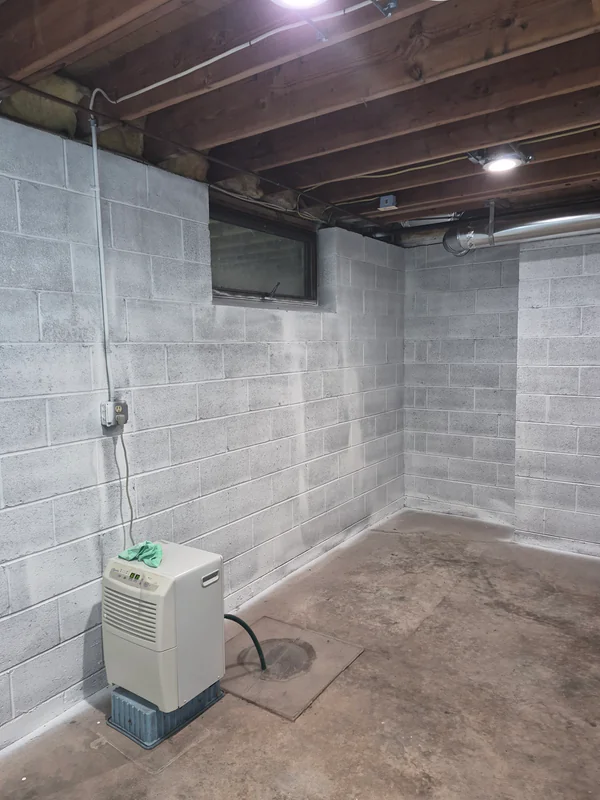
Whole-home dehumidifiers integrate with your HVAC system to maintain consistent humidity levels throughout your house. Standard air conditioning provides some dehumidification, but it’s not designed for that purpose. In humid climates or during particularly wet seasons, AC alone can’t keep humidity below 50%. A dedicated dehumidifier pulls excess moisture from the air before it condenses in ductwork or creates conditions for mold growth. Companies that specialize in air quality understand when this equipment is necessary, not just nice to have.
Ventilation systems like ERVs and HRVs bring fresh outdoor air into your home while exhausting stale indoor air. They recover energy from the outgoing air to precondition incoming air, maintaining efficiency. This constant air exchange prevents the buildup of indoor pollutants, including mold spores, volatile organic compounds, and carbon dioxide. In tightly sealed modern homes or older homes that have been weatherized, mechanical ventilation isn’t optional—it’s essential for maintaining healthy indoor air.
The best HVAC companies don’t push products you don’t need, but they also don’t shy away from recommending solutions to real problems. If your home consistently runs above 60% humidity, they’ll tell you why that’s a mold risk and what it takes to fix it. If your family deals with allergies or respiratory issues, they’ll explain how upgraded filtration can help. They take the time to assess your specific situation and tailor solutions accordingly.
What to Look for When Choosing HVAC Contractors in Pennsylvania
Choosing an HVAC contractor isn’t about finding the cheapest quote. It’s about finding someone who will protect your investment and your health. Start with certifications—NATE, EPA 608, and NADCA membership if they offer duct cleaning. These credentials prove technicians have passed industry-standard testing and follow best practices.
Ask about their approach to preventive maintenance. Companies that offer comprehensive maintenance plans aren’t just trying to lock you into a contract—they’re preventing the small problems that turn into expensive emergencies. A good maintenance plan includes filter changes, coil cleaning, condensate line flushing, refrigerant level checks, and humidity testing. It should also include priority scheduling and discounts on repairs, because equipment failures never happen at convenient times.
Find out how they handle air quality concerns. Do they inspect for mold during routine service calls? Do they test humidity levels? Do they have relationships with mold remediation companies? Their answers will tell you whether they see HVAC as just heating and cooling, or whether they understand the bigger picture of indoor environmental quality.
Look at their response times and availability. HVAC emergencies happen, and when your system fails in the middle of summer or winter, you need help fast. Companies that offer 24/7 emergency service and same-day appointments for urgent issues demonstrate commitment to customer care. But also pay attention to their non-emergency responsiveness. If it takes days to get a callback for a quote or a maintenance appointment, that’s a preview of what working with them will be like.
Check reviews, but read them critically. Every company gets occasional bad reviews—what matters is how they respond and whether patterns emerge. Multiple complaints about the same issue (missed appointments, surprise charges, incomplete work) are red flags. Consistent praise for specific technicians, transparent pricing, and thorough explanations are green lights.
Pennsylvania’s climate creates specific challenges. Humid summers, cold winters, and the temperature swings between seasons put stress on HVAC systems and create ideal conditions for mold growth. The best contractors in Bucks County, Montgomery County, and surrounding areas understand these regional factors. They know that homes built in different eras have different ventilation challenges. They recognize that older homes with original ductwork need different approaches than new construction. This local knowledge matters more than you might think.
Don’t overlook communication. The best HVAC contractors explain what they’re doing and why. They show you the problem, walk you through your options, and give you the information you need to make informed decisions. They don’t use jargon to confuse you or pressure you into unnecessary upgrades. They respect your time, show up when they say they will, and leave your home cleaner than they found it.
Finding HVAC Companies That Protect Your Air Quality
Your HVAC system does more than control temperature. It determines the quality of air your family breathes every day. When that system creates conditions for mold growth—through poor drainage, inadequate humidity control, or contaminated ductwork—you’re facing health risks and expensive repairs that could have been prevented.
The best HVAC companies in Pennsylvania understand this connection. They approach every service call with air quality in mind, checking for moisture problems, testing humidity levels, and inspecting ductwork for signs of mold. When they find issues, they either fix them or connect you with specialists who can. They invest in ongoing training, quality equipment, and partnerships that allow them to deliver comprehensive solutions.
If you’re dealing with musty odors, unexplained allergy symptoms, or visible mold around your vents, don’t wait. The problem won’t fix itself, and it will get worse. At Mack’s Mold Removal, we understand how HVAC systems and mold problems intersect, and we work with the area’s top contractors to address both the symptoms and the source. Reach out to us for a free consultation and let us help you protect your home’s air quality.