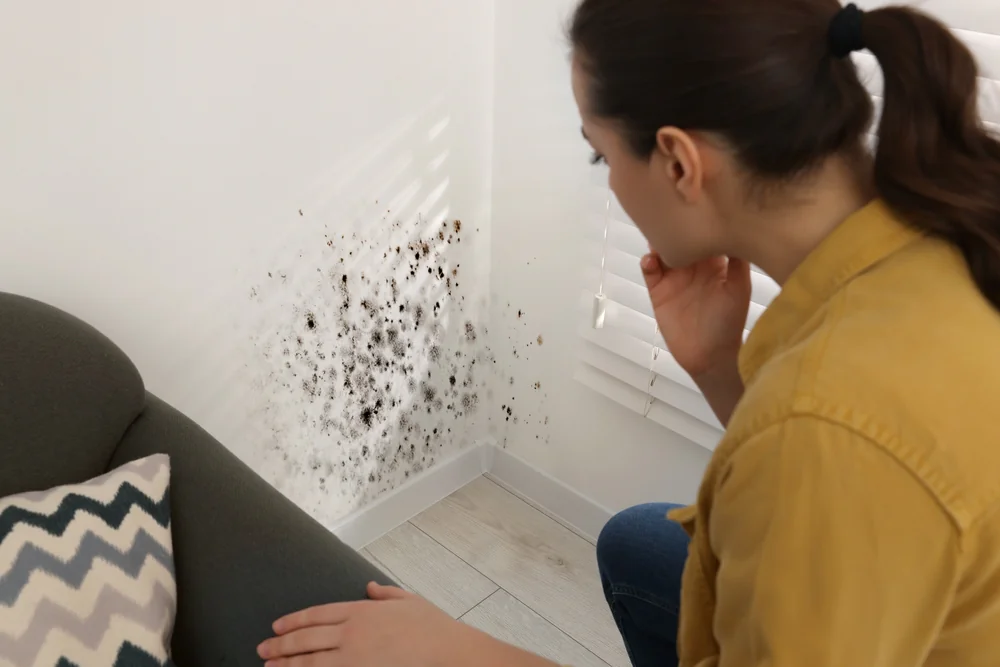

You smell something musty in your basement. Or maybe you noticed water stains on the ceiling after last month’s storm. Now you’re searching online trying to figure out if you need a mold inspection, mold testing, or both—and whether someone’s trying to sell you more than you actually need.
Here’s the truth: these are two different services that solve different problems. One helps you find mold and figure out where it’s coming from. The other tells you exactly what kind of mold you’re dealing with and how much is in the air.
Most homeowners don’t need both. Some don’t need either. This guide walks you through the difference between inspection and testing, when each one makes sense, and how to avoid paying for services that won’t actually solve your problem.
What Is Mold Inspection and When Do You Need It
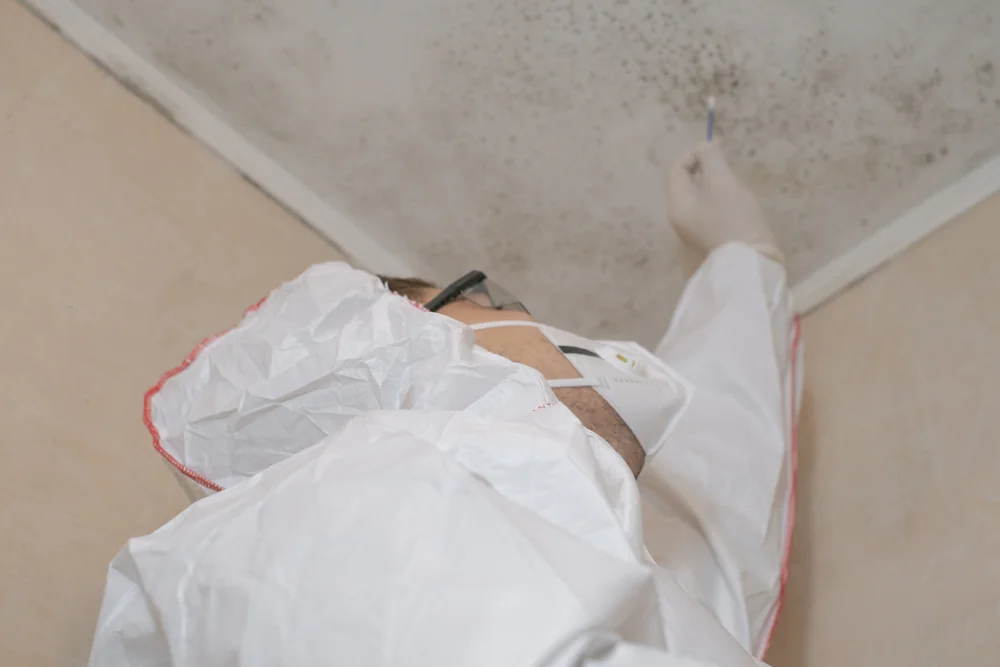
A mold inspection is a visual examination of your property by a certified professional. Our inspector walks through your home looking for visible mold growth, water damage, moisture problems, and conditions that create environments where mold thrives.
We’re not just checking obvious spots. We examine basements, crawl spaces, attics, behind appliances, around windows, and anywhere water tends to accumulate. We use moisture meters to detect dampness inside walls and thermal imaging cameras to spot temperature differences that indicate hidden water intrusion.
The goal is simple: find where mold is growing, identify what’s causing the moisture problem, and give you an action plan to fix it. You walk away with a detailed report showing exactly where the problems are and what needs to happen next.
How Mold Inspectors Find Problems You Can’t See
Most mold doesn’t announce itself with big black patches on your wall. It hides in places you’d never think to look—inside wall cavities, under flooring, behind drywall, in HVAC ducts.
That’s where professional equipment makes the difference. Moisture meters measure water content in building materials without tearing anything apart. If your drywall reads above 17% moisture content, there’s a problem. Thermal imaging cameras detect temperature variations that signal water damage behind surfaces. Cold spots often mean moisture is evaporating, which creates perfect conditions for mold growth.
We also check your home’s ventilation, humidity levels, and drainage patterns. In Bucks County, where we get 49 inches of rain per year compared to the national average of 38 inches, these factors matter more than you’d think. We know where to look based on local climate patterns, common construction methods in the area, and the age of your home.
The inspection typically takes one to three hours depending on your home’s size. You get a written report with photos, moisture readings, and specific recommendations. If mold is found, the report outlines the extent of growth and the likely moisture source. If testing is recommended, we explain why it would be valuable in your specific situation.
When a Visual Inspection Is All You Need
If you can see mold or smell that distinctive musty odor, you already know mold is present. An inspection can still be valuable because it identifies the full extent of the problem and pinpoints the moisture source. But you probably don’t need testing.
Think about it this way: if there’s visible mold growing on your bathroom ceiling, lab analysis telling you it’s Aspergillus or Cladosporium doesn’t change what you need to do. You still need to remove the mold and fix whatever’s causing the moisture. The EPA and CDC both emphasize this point—if mold is visible, focus on removal and moisture control rather than spending money to identify the species.
Inspection makes sense after water damage events like flooding, roof leaks, or plumbing failures. It’s smart when you’re buying a home and want to know what you’re getting into. It’s essential if you smell mold but can’t locate the source. And it’s valuable when you’re experiencing health symptoms like persistent coughing or allergies that seem worse at home.
The inspection gives you a roadmap. It tells you whether you’re dealing with a small problem you can handle yourself or a larger issue that requires professional remediation. It identifies whether the mold is surface-level or if it’s infiltrated building materials. And it documents the moisture source so you can address the root cause instead of just treating symptoms.
Difference Between Inspection Testing Methods and Lab Analysis
Mold testing goes beyond visual inspection. It involves collecting samples—from the air, from surfaces, or from materials—and sending them to a certified laboratory for analysis. The lab identifies specific mold species and measures spore concentrations.
Testing answers questions that inspection alone can’t: What types of mold are present? How many spores are in the air? Are indoor levels elevated compared to outdoor baseline levels? Is the mold producing mycotoxins that pose serious health risks?
This information becomes critical in specific situations. When you suspect hidden mold but can’t find it visually, air sampling can confirm whether spore levels are elevated and help narrow down the location. When someone in your home has severe allergies or respiratory issues, species identification helps doctors understand potential triggers. When you need documentation for insurance claims, real estate transactions, or legal disputes, lab results provide the scientific evidence required.
Mold Assessment Types: Air Sampling Surface Testing and More
Air sampling captures mold spores floating in your indoor environment. We use a calibrated pump to pull a specific volume of air through a collection device—usually a spore trap or cassette. This happens in multiple locations throughout your home, plus one outdoor sample that serves as a control baseline.
The lab analyzes these samples under a microscope, counting and identifying spore types. Results show spore counts per cubic meter of air and compare indoor levels to outdoor levels. Elevated indoor counts suggest active mold growth somewhere in the home, even if you can’t see it.
Surface sampling tests specific areas where you see discoloration or suspect mold growth. We use a swab (like a large Q-tip) or tape lift to collect a sample directly from the surface. This method confirms whether that stain on your wall is actually mold or just dirt, and identifies the specific species growing there.
Bulk sampling involves cutting out a piece of contaminated material—a section of drywall, carpet, or insulation—and sending it to the lab. This is less common but useful when mold has infiltrated porous materials and you need to understand the extent of contamination before remediation.
Most residential mold testing includes two to four air samples (one outdoor control plus samples from problem areas and living spaces) and costs between $250 and $700 depending on the number of samples. Lab results typically return within 24 to 72 hours. The report shows mold species identified, spore counts, and whether levels are considered elevated based on comparison with outdoor samples.
When to Inspect vs Test Mold in Your Bucks County Home
Start with inspection in almost every situation. It’s less expensive, gives you actionable information immediately, and often reveals everything you need to know. Testing becomes valuable in specific scenarios where inspection alone doesn’t provide enough information.
Get testing if you smell mold but extensive inspection hasn’t located the source. Elevated air samples can indicate hidden growth and help narrow down where to look. Consider testing if someone in your home has unexplained respiratory symptoms, chronic sinus infections, or persistent allergies that worsen indoors. Species identification helps medical professionals understand potential triggers and recommend appropriate treatment.
You’ll need testing for post-remediation clearance. After mold removal is complete, testing confirms that spore levels have returned to normal and the remediation was successful. This is especially important for insurance claims and real estate transactions—buyers and insurers often require documented proof that the problem has been resolved.
Testing makes sense when you’re buying a home and the inspection revealed moisture issues or suspected mold in inaccessible areas. Lab results give you negotiating power and help you understand the scope of work needed. It’s valuable in landlord-tenant disputes where documentation is necessary to prove habitability concerns or demonstrate that remediation was effective.
In Bucks County specifically, our humid summers and heavy rainfall create conditions where mold can develop quickly after water events. If your home experienced flooding or significant water intrusion, testing after remediation provides peace of mind that indoor air quality has been restored. Given the area’s climate challenges—moisture-retaining soil, seasonal groundwater shifts, older homes with aging foundations—professional assessment becomes more important than in drier climates.
Making the Right Choice for Your Situation
The difference between mold inspection and testing comes down to this: inspection finds the problem and tells you what to do about it. Testing identifies exactly what you’re dealing with and provides documentation when you need it.
Most homeowners start with inspection. It’s the logical first step that gives you a clear picture of what’s happening in your home and why. Testing adds value in situations where you need species identification, documentation for third parties, or confirmation that remediation worked.
Don’t let anyone pressure you into services you don’t need. If you can see mold, you don’t need a lab report to tell you it’s there—you need removal and moisture control. If someone offers you a free inspection but pushes expensive testing before explaining why it’s necessary for your situation, that’s a red flag.
When you’re ready to address mold concerns in your Bucks County home, we provide both inspection and testing services with transparent pricing and honest recommendations about which service makes sense for your situation.