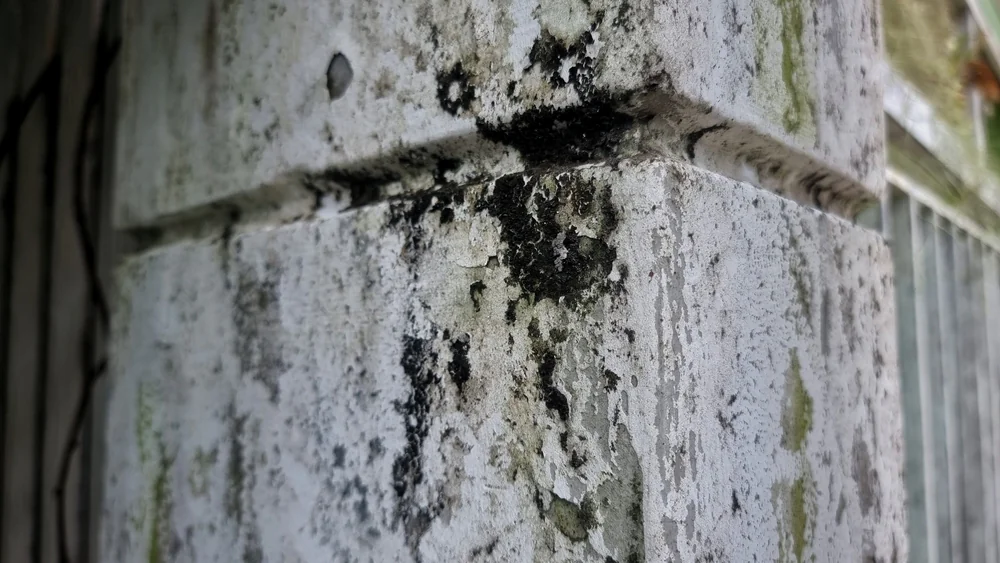
You’ve made it through another humid Pennsylvania summer. Your basement stayed relatively dry, your AC kept things comfortable, and you didn’t spot any obvious mold issues. That’s good news—but it doesn’t mean you’re in the clear.
Fall in Bucks County isn’t just a transitional season between summer heat and winter cold. It’s the narrow window when you can actually prevent the mold problems that tend to surface after months of condensation, frozen pipes, and poor ventilation. Once the first hard freeze hits and temperatures drop for good, your options become limited. The problems you could have fixed in October become the expensive remediation projects you’re dealing with in March.
Here’s what you need to know about protecting your Pennsylvania home before winter arrives.
Why Fall Mold Prevention Matters for Pennsylvania Homes
Pennsylvania’s climate creates a specific challenge for homeowners. You’re dealing with humid summers that load your home with moisture, followed by cold winters that cause condensation on every cool surface. That combination is exactly what mold needs to thrive.
Bucks County gets an average of 44 inches of rainfall per year—well above the national average. Add in warm, humid summers and damp winters, and you’ve got year-round conditions that encourage mold growth in places you can’t readily see. Basements are particularly vulnerable because of local groundwater patterns, and HVAC systems often harbor mold during those hot, humid months when they’re working overtime.
The fall months before the first frost give you your best opportunity for prevention work. This is when you can seal air leaks, repair foundations, maintain sump pumps, and address the small moisture issues that become big mold problems once heating season starts. Wait until winter, and you’re dealing with frozen ground, extreme cold, and limited access to the exterior work that prevents water intrusion.
How Temperature Changes Create Mold Conditions
When fall temperatures drop and you start running your heat, something predictable happens inside your home. Warm, moist indoor air hits cold surfaces—basement walls, windows, uninsulated pipes—and condenses into water droplets. That’s basic physics, and it’s also the beginning of most winter mold problems.
Concrete basement walls and floors are poor insulators. During winter months, they become quite cool. In a poorly ventilated basement, this causes airborne moisture to condense on surfaces and create mold growth. The same thing happens around windows, in attics with inadequate insulation, and anywhere else warm air meets a cold surface.
This is why fall preparation matters so much. You’re not just cleaning gutters and checking your furnace. You’re addressing the specific conditions—poor ventilation, inadequate insulation, air leaks, moisture sources—that allow condensation to form and mold to grow once the heating season begins.
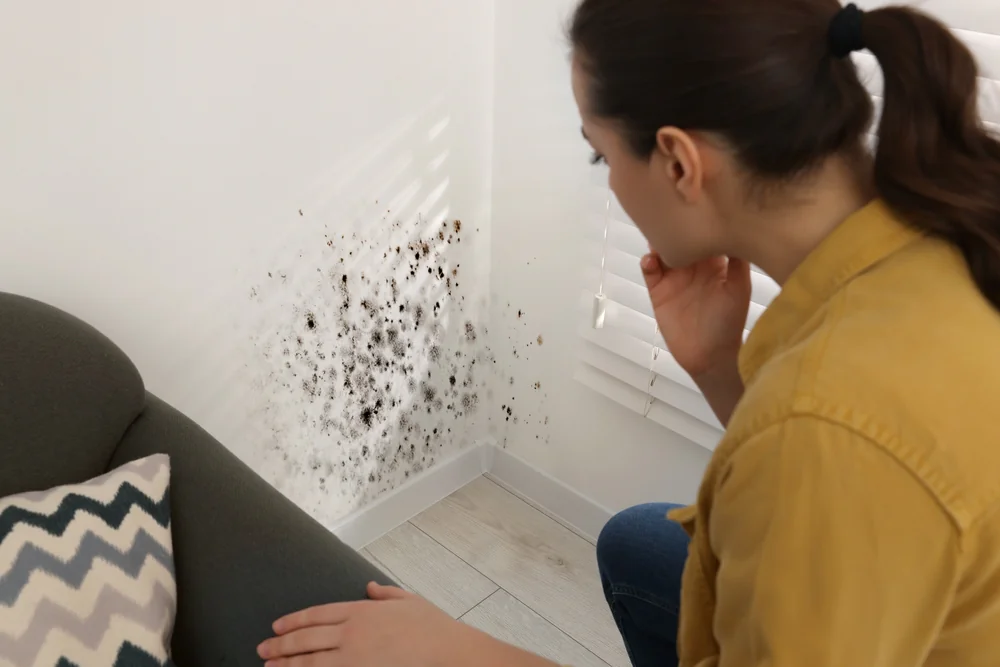
By the time you notice mold growth in February or March, it’s been developing for months. The musty smell, the dark patches behind furniture, the respiratory symptoms that seem worse at home—these are all signs that moisture has been accumulating since you first turned on your heat. Fall prevention stops this cycle before it starts.
The key is controlling moisture and condensation before winter arrives. Seal the air leaks that let cold, damp air into your basement. Insulate pipes and walls to keep temperatures more stable. Improve ventilation so moisture doesn’t build up on cold surfaces. These aren’t complicated tasks, but they need to happen before temperatures drop for good.
What Happens When You Skip Fall Maintenance
Skipping fall maintenance doesn’t cause immediate problems. Your home will make it through winter. The question is what condition it’ll be in by spring—and how much you’ll pay to fix what could have been prevented.
Spring is the peak period for mold discovery in Pennsylvania. Rising temperatures reveal the ice dam damage, basement flooding, and condensation problems that developed over winter. By then, what started as a small moisture issue in November has become visible mold growth affecting multiple areas of your home. The average cost of mold remediation in the United States is $2,300, but that number climbs significantly when problems have been developing for months.
Beyond the financial cost, there’s the property value impact. Mold issues can drop a home’s resale value by 20% to 37%. About half of interested buyers walk away from a home after learning it had a mold problem, even if that problem has been remediated. Prevention isn’t just about avoiding remediation costs—it’s about protecting your investment.
Then there’s the health factor. Nearly 47% of residential buildings show visible mold or detectable mold odor. Mold contributes to 4.6 million asthma cases annually in the United States. Exposure can cause allergic reactions, respiratory issues, and other health problems, particularly in vulnerable individuals like children and those with existing respiratory conditions.
Fall maintenance addresses all of this before it becomes a problem. Clean gutters prevent water intrusion that leads to basement mold. Properly maintained HVAC systems don’t harbor mold that gets circulated through your home all winter. Sealed basements don’t develop the condensation that creates mold growth on walls and floors.
The tasks themselves aren’t particularly difficult or expensive. What makes them valuable is timing. October and November give you access to your roof, gutters, foundation, and exterior systems before weather makes that work difficult or impossible. By the time frozen ground or extreme cold prevents exterior work, you’ve either done the prevention or you’re waiting until spring to deal with the consequences.
Gutter Cleaning Mold Prevention Strategies
Your gutters exist for one reason: to move water away from your home’s foundation. When they’re clogged with leaves, twigs, and debris from Pennsylvania’s autumn season, they can’t do that job. Instead, water overflows, pools near your foundation, and finds ways into your basement or crawl space.
Clogged gutters lead to water damage, foundation issues, and ice dams once temperatures drop. They’re also one of the most common—and most preventable—causes of basement mold in Pennsylvania homes. The fall months give you your last good opportunity to address this before winter weather makes gutter work dangerous and difficult.
How to Clean and Maintain Gutters Before Winter
Start by clearing out all leaves, twigs, and debris from your gutters. Use a scoop or your hands to remove the bulk of it, working from one corner toward the middle to avoid pushing debris into downspouts. Once the major debris is removed, rinse gutters with a garden hose to flush out remaining dirt and check for proper drainage.
Pay attention to how water flows. Gutters should direct water toward downspouts without pooling or overflowing. If you notice standing water or slow drainage, you may have a pitch problem that needs adjustment. Make sure downspouts are directing water at least 5 feet away from your foundation. If they’re not, add extensions to carry water farther from your home.
Check for signs of damage while you’re up there. Look for rust spots, cracks, loose fasteners, or sections pulling away from your roofline. These issues will only get worse under the weight of snow and ice. Repair or replace damaged sections now, before winter weather makes the problem worse and potentially allows water into your home.
Consider installing gutter guards to reduce future buildup. They won’t eliminate maintenance entirely, but they significantly reduce the amount of debris that collects in your gutters. For homes surrounded by trees, this can make the difference between cleaning gutters three times a year versus once.
Don’t forget to inspect where gutters meet your roofline. Ice dams often form in these areas when heat from your attic melts snow on your roof, which then refreezes at the eaves. Proper attic insulation and ventilation prevent this, but checking for early warning signs in fall gives you time to address issues before winter.
The connection between gutter maintenance and mold prevention is direct. When gutters overflow or downspouts dump water near your foundation, that water finds its way into your basement or crawl space. Once inside, it creates the damp conditions mold needs to grow. Basements and crawl spaces already tend to be cooler and less ventilated than the rest of your home, making them prime locations for mold growth when moisture is present.
Clean gutters are particularly important before Pennsylvania’s wet spring season. The work you do in October prevents the water intrusion in March that leads to mold discovery in April. It’s not glamorous maintenance, but it’s effective prevention.
Basement Winterization Mold Prevention
Your basement faces unique challenges during Pennsylvania winters. It’s the coldest part of your home, it’s in direct contact with the ground, and it often has limited ventilation. That makes it the most likely place in your home to develop mold problems when winter arrives.
Proper basement winterization helps prevent mold by addressing three key factors: air leaks, insulation, and moisture control. Start by sealing any cracks or gaps around basement windows, doors, and utility entry points. Use caulk or weatherstripping to block cold air from entering. These air leaks don’t just waste energy—they allow cold, damp air into your basement, which increases condensation on walls and floors.
Next, insulate exposed water pipes to prevent them from freezing, sweating, and dripping. Wrap pipes in foam insulation, paying special attention to those near exterior walls or in unheated areas. Frozen pipes can burst and cause significant water damage, but even pipes that don’t freeze can sweat and create moisture problems when cold water runs through them in a warm basement.
Control moisture levels by running a dehumidifier to keep humidity below 50%. This is especially important during winter when you’re heating your home and creating more temperature differences between warm indoor air and cold basement surfaces. A dehumidifier removes excess moisture from the air before it can condense on cold surfaces and create conditions for mold growth.
Check your basement windows for condensation. If you’re seeing water droplets or frost on window glass, you’ve got a moisture problem that needs addressing. Consider adding window insulation film or replacing single-pane windows with double-pane units to reduce condensation. Wipe down windowsills and frames regularly to remove any moisture that does accumulate.
Improve ventilation where possible. If you have a bathroom in your basement, make sure the exhaust fan vents to the outside and use it during and after showers. In areas without natural ventilation, consider running a fan periodically to keep air moving and prevent stagnant, humid conditions.
Don’t store items directly on basement floors, especially if you have a concrete slab. Use shelving units to keep boxes and belongings off the ground. This allows air to circulate underneath and prevents items from absorbing moisture from the floor. Store summer gear and seasonal items in plastic tubs rather than cardboard boxes, which absorb moisture and can become food sources for mold.
Inspect your basement walls for any signs of water intrusion—staining, efflorescence (white mineral deposits), or damp spots. These indicate water is getting through your foundation and creating conditions for mold growth. Address the source of the water, whether it’s poor exterior drainage, foundation cracks, or groundwater issues, before it becomes a bigger problem.
Winter Mold Prevention Tips for PA Homes
Once winter arrives and heating season begins, you’re dealing with a different set of mold prevention challenges. The cold weather outside and warm temperatures inside create perfect conditions for condensation. Your home is sealed up tight to conserve energy, which means less fresh air circulation. And the moisture from daily activities—cooking, showering, laundry—has fewer places to go.
Understanding these winter-specific challenges helps you prevent mold problems during the coldest months. It’s not just about the work you did in fall. It’s about maintaining the right conditions inside your home throughout winter.
Managing Indoor Humidity During Heating Season
The EPA recommends keeping indoor humidity between 30% and 50% for comfort and mold prevention. During Pennsylvania winters, maintaining that range requires active management. Your heating system dries out the air, but daily activities add moisture back in. The goal is finding the right balance.
Use exhaust fans in bathrooms and kitchens every time you shower or cook. These activities release significant amounts of moisture into your home’s air. Running the fan during and for 15-20 minutes after removes that moisture before it can condense on cold surfaces. If you don’t have exhaust fans, crack a window to allow moisture to escape.
Don’t over-humidify your home. While dry winter air can be uncomfortable, adding too much moisture creates mold risk. If you use a humidifier, monitor humidity levels with a hygrometer and keep them below 50%. Clean humidifiers regularly to prevent them from becoming sources of mold growth themselves.
Watch for condensation on windows, which signals humidity levels are too high. If you’re seeing water droplets or frost on interior window surfaces, you need to reduce indoor humidity. Wipe down windows to remove condensation and adjust your humidifier settings or increase ventilation to bring humidity levels down.
Pay attention to cold spots in your home—exterior walls, corners, areas near windows. These are where condensation is most likely to form. Increase air circulation in these areas with fans, improve insulation where possible, and check regularly for signs of moisture or mold growth.
HVAC Preparation for Mold-Free Winter
Your heating system works overtime during Pennsylvania winters, circulating air through your home constantly. If mold is growing anywhere in that system, you’re spreading spores throughout your living spaces with every heating cycle. Fall HVAC maintenance prevents this problem before heating season begins.
Start by replacing your furnace filter. A clean filter improves air quality, helps your system run efficiently, and captures mold spores before they circulate through your home. Filters with a MERV rating between 8 and 13 offer good protection against mold spores while maintaining proper airflow. Replace filters every 30 to 90 days depending on the type and your home’s conditions.
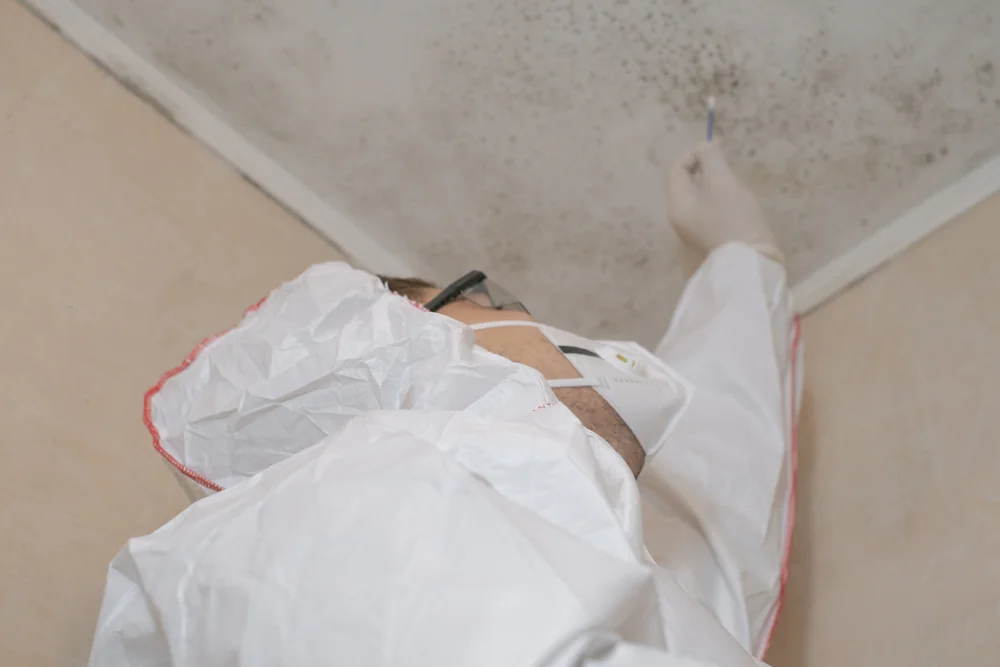
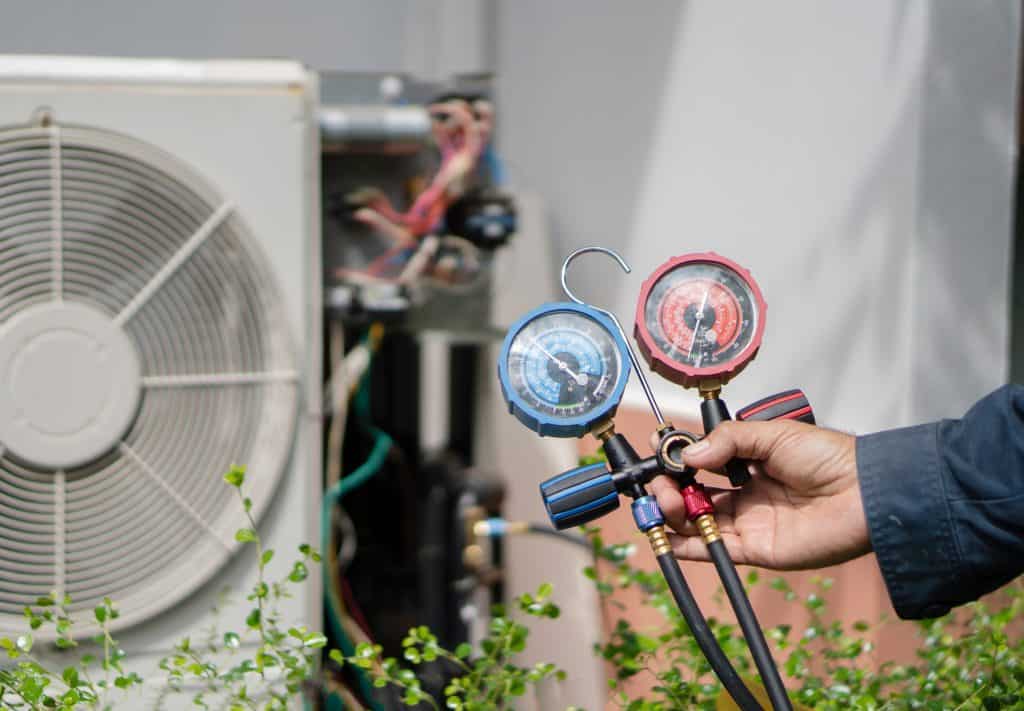
Schedule professional HVAC maintenance before you start using your heat regularly. A technician will inspect your system, clean critical components, check condensate drainage, and verify safe operation. They’ll also look for mold growth on coils, in drain pans, and in ductwork—places you can’t easily access or inspect yourself.
Keep your thermostat fan set to “Auto” rather than “On” during humid months. When set to “On,” the fan runs continuously, which can blow moisture back into your home instead of allowing it to drain properly. The “Auto” setting runs the fan only when heating or cooling, giving condensation time to drain away.
Clean or have your ducts inspected if you notice musty odors when your heat runs. Mold growing in ductwork gets distributed throughout your home every time your system operates. Professional duct cleaning removes accumulated dust and debris that can support mold growth and improves overall air quality.
Check condensate drain lines to make sure they’re clear and draining properly. When these lines clog, water backs up into drain pans where it creates perfect conditions for mold growth. Pour a cup of water into the drain pan to verify it drains quickly. If it doesn’t, clean the line before you start using your heat regularly.
Inspect your HVAC system’s drain pan for standing water or signs of mold growth. The pan should be clean and dry when the system isn’t running. If you see water, slime, or discoloration, clean the pan with a solution of water and vinegar, then address whatever is causing water to accumulate.
Consider UV lights or air purifiers as additions to your HVAC system if you’ve had recurring mold issues. UV lights installed near the evaporator coil kill mold spores and bacteria before they can grow and spread. Whole-home air purifiers with HEPA filters capture spores and improve overall indoor air quality.
Protecting Your Pennsylvania Home Before Winter
Fall mold prevention isn’t about one big project. It’s about addressing the specific conditions in your Pennsylvania home that allow mold to develop once heating season begins. Clean gutters prevent water intrusion. Proper basement ventilation and insulation prevent condensation. Well-maintained HVAC systems don’t circulate mold spores through your home all winter.
The work you do in October and November protects your home through winter and prevents the mold problems that tend to surface in spring. It’s not complicated or particularly expensive, but it does require attention to the details that make the difference between a dry, healthy home and one dealing with mold remediation come March.
If you’re noticing signs of existing mold issues—musty odors, visible growth, or respiratory symptoms that improve when you leave home—don’t wait until spring to address them. We serve Bucks County and surrounding areas with comprehensive mold inspection, testing, and remediation services. Our team understands the specific challenges Pennsylvania homeowners face and can help you address current problems while preventing future ones.