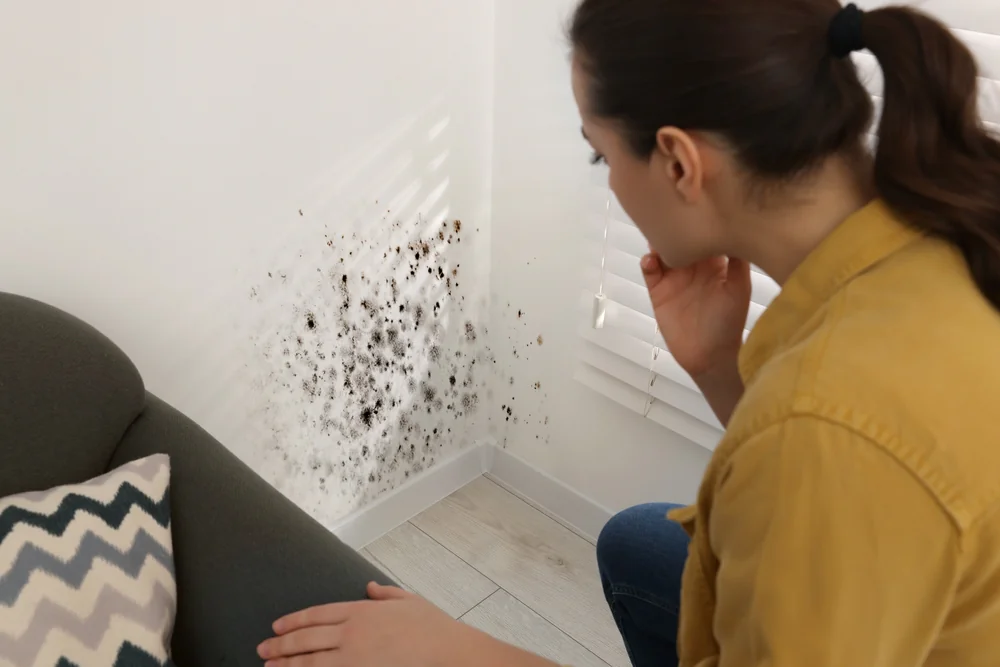
That musty smell in your basement isn’t going away on its own. Neither are those dark patches creeping up the corners of your first-floor walls, or the respiratory issues your kids seem to have only when they’re home.
If you’re living in a pre-1950s house anywhere in Pennsylvania—especially here in Bucks County—you’re not imagining it. Your home is more susceptible to mold than newer construction, and it’s not because you’re doing anything wrong. It’s because of how these houses were built, what they were built with, and how moisture behaves in materials that are decades or even centuries old.
Here’s what you need to know about why old homes develop mold problems, where it’s actually hiding, and what it takes to fix it for good.
Common Old House Mold Problems in Pennsylvania
Older Pennsylvania homes weren’t designed with mold prevention in mind. They were built to last, sure—but not to handle the kind of moisture control we understand today.
Many historic homes were constructed before modern moisture barriers existed. That means they trap humidity inside instead of letting it escape. Wood, plaster, and brick all absorb water easily, and once they’re wet, they take forever to dry. That slow-dry environment is exactly what mold needs to establish itself and spread.
Add Pennsylvania’s climate into the mix—humid summers, heavy rainfall, aging drainage systems—and you’ve got the perfect storm. Bucks County alone gets about 49 inches of rain per year compared to the national average of 38. That extra moisture doesn’t just disappear. It finds its way into basements, crawl spaces, and wall cavities where it sits and waits.
Why Stone Foundations Hold Moisture
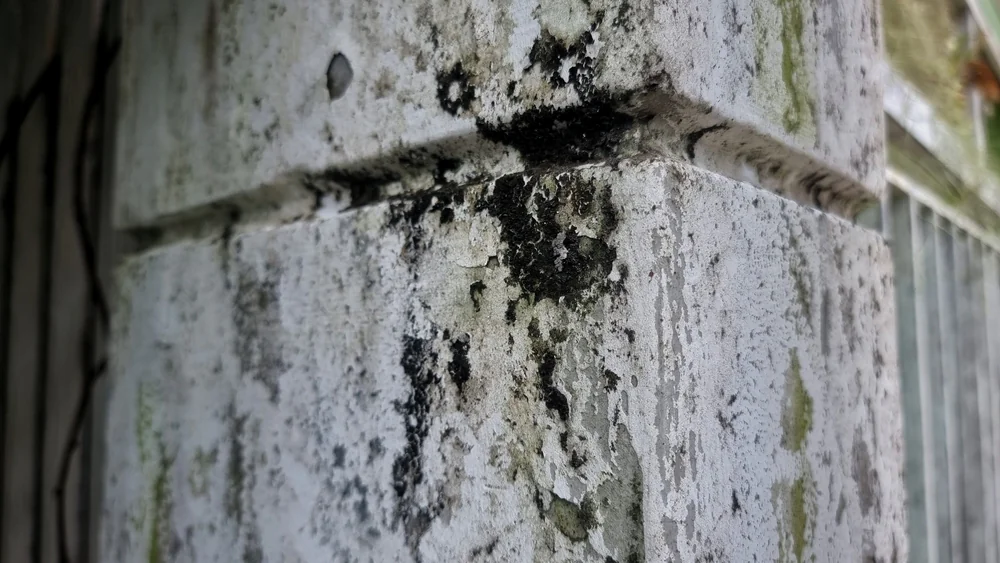
If your home was built before 1920, there’s a good chance it sits on a stone foundation. Limestone, sandstone, fieldstone—whatever type you have, they all share one thing in common: they weren’t built to be waterproof.
Stone foundations are incredibly common in homes over 100 years old throughout Pennsylvania. The stones were laid with lime-based mortar that was softer than what we use today. Over time, that mortar breaks down. It crumbles. It falls out. And when it does, water finds its way through the gaps.
Even when the mortar is intact, stone itself is porous. It absorbs moisture from the soil outside your home, then releases it into your basement. You might not see standing water, but the humidity is there. And humidity is all mold needs.
The mortar coating on the interior of stone foundations also flakes off as moisture migrates through. Once that protective layer is gone, the soft, sandy mortar between the stones starts to erode. Efflorescence—that white, powdery substance you see on basement walls—is a clear sign that moisture is moving through your foundation and bringing salts to the surface.
You can patch and repoint all you want, but if you’re not addressing the moisture source outside the foundation, the problem will keep coming back. That means proper grading, functional gutters, downspout extensions, and sometimes exterior drainage systems. Interior fixes alone won’t cut it with stone.
Hidden Mold Behind Plaster Walls
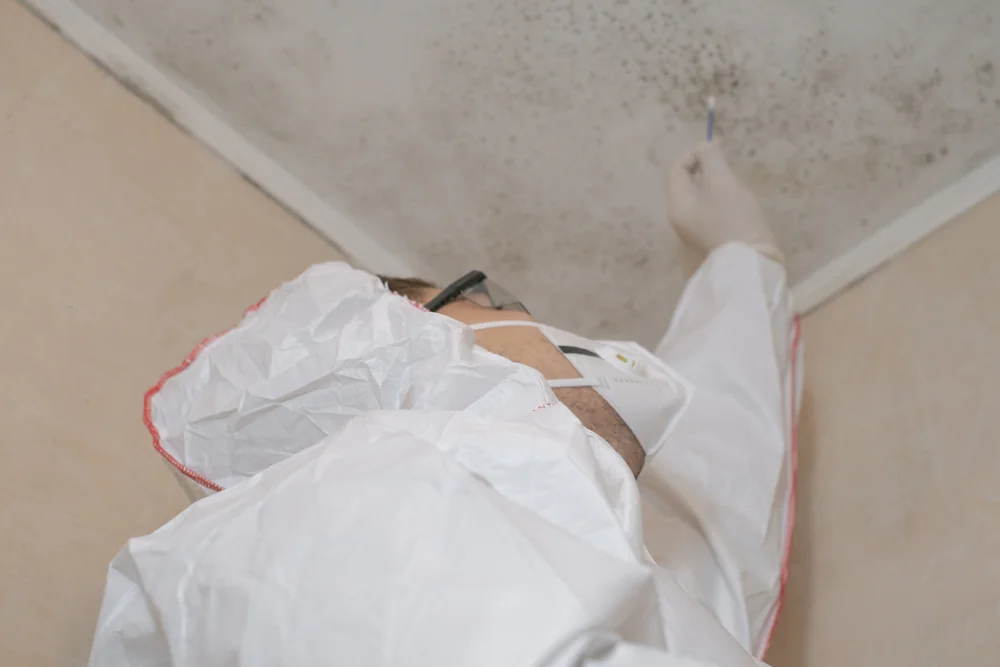
Plaster walls are one of the most deceptive hiding spots for mold in old homes. Unlike drywall, which shows water damage pretty quickly, plaster can look perfectly fine on the surface while mold is thriving on the other side.
Plaster is porous. It’s applied in thick, irregular layers over wooden lath, which creates air gaps behind the wall. When moisture gets into that space—whether from a roof leak, a plumbing issue, or just condensation—it doesn’t dry out quickly. The wood lath absorbs it. The plaster holds it. And mold starts growing in the dark.
By the time you see staining on the surface, the mold has usually been growing for weeks or even months. It’s not just sitting on the face of the plaster. It’s wicking inward, spreading through the wall cavity, traveling along the lath, and potentially moving between floors if your home has balloon framing.
Plaster can’t be spot-cleaned with store-bought sprays. Attempts to scrub it down often just push spores deeper or cause the plaster itself to crumble. You need containment, HEPA filtration, and in many cases, removal of affected sections to get to the mold behind the wall. That’s not a DIY job. It’s a remediation project that requires understanding how these old wall systems work and how to remove mold without destroying the rest of your home’s historic character.
If you’ve got unexplained musty odors, discoloration near windows or exterior walls, or health symptoms that seem worse at home, there’s a good chance you’ve got mold behind your plaster that you can’t see yet.
Historic Home Mold Issues and Solutions
Historic homes come with a lot of charm. They also come with construction quirks that make mold remediation more complicated than it is in a house built in the last 30 years.
These homes were designed to breathe. Air moved through gaps in windows, doors, and floors. Fires in fireplaces created natural ventilation. Humidity didn’t build up the way it does now that we’ve sealed everything tight with storm windows, insulation, and central HVAC systems.
The problem is, we’ve made these homes more airtight without upgrading their ability to manage moisture. That trapped humidity has nowhere to go. It condenses on cold surfaces, soaks into porous materials, and creates the conditions mold loves.
Vintage Home Moisture Issues and Prevention
Older homes often don’t have proper airflow, especially in basements and crawl spaces. When air doesn’t move, humidity builds up. Stagnant air combined with cool temperatures in below-grade spaces is a recipe for condensation and mold growth.
Attics in old homes can be just as bad. If your attic isn’t properly ventilated, heat and moisture from the living spaces below rise and get trapped. In winter, that warm, moist air hits cold roof decking and condenses. In summer, the attic heats up like an oven and any moisture present just sits there, creating perfect conditions for mold on wood surfaces.
Insulation adds another layer of complexity. Many old homes were never insulated, or they’ve had insulation added incorrectly over the years. If you insulate an old stone foundation wall without addressing moisture intrusion first, you’re just trapping that moisture against the wall. The insulation gets wet, stays wet, and grows mold. Same thing happens if you insulate an attic without proper ventilation—you’re creating a moisture trap.
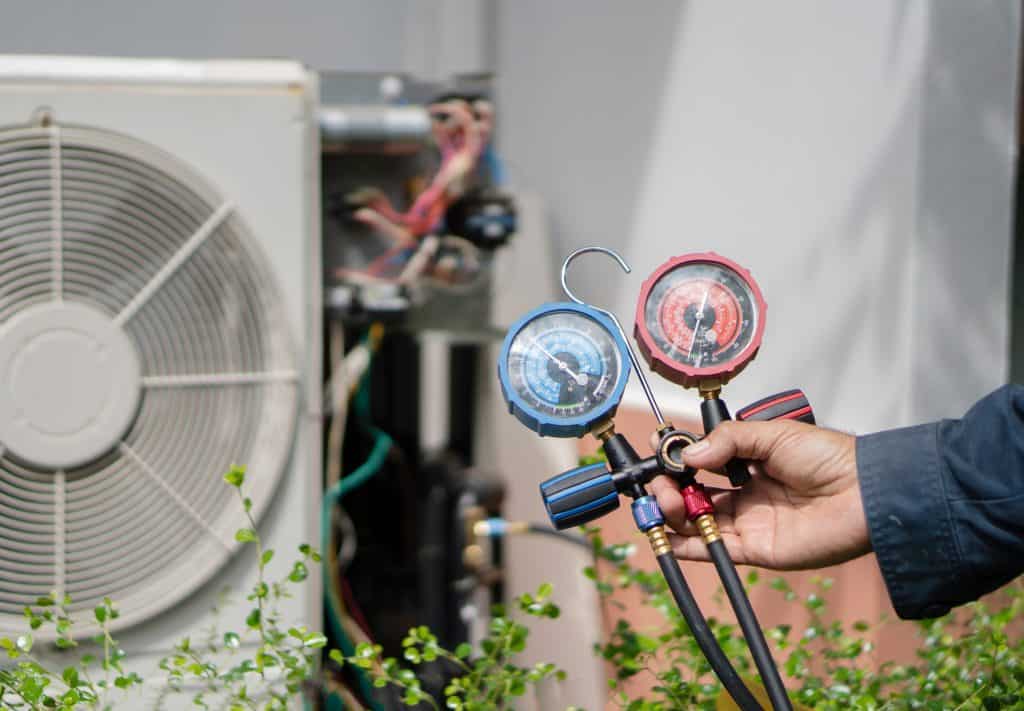
The fix isn’t always simple. You might need exhaust fans in bathrooms and kitchens. Dehumidifiers in basements and crawl spaces. Proper attic ventilation with ridge vents and soffit vents. And in some cases, you need to rethink how the whole house breathes before you can successfully control mold long-term.
Adding modern moisture barriers to an old home that was designed to breathe can actually make things worse if it’s not done right. You need someone who understands how these systems work together—or don’t.
Pennsylvania Old Home Problems: Moisture and Ventilation
Pennsylvania’s older housing stock faces moisture challenges that are specific to both the climate and the construction methods used here over the past century and a half.
The state’s clay-heavy soils expand when saturated and shrink during dry periods. That constant movement puts stress on foundations year after year. Cracks develop. Water finds its way in. And once it’s inside, it doesn’t leave easily.
Pre-war homes in Pennsylvania often have basements that were never meant to be dry living spaces. They were root cellars, storage areas, places where some dampness was expected. The drainage systems—if they exist at all—are often undersized or have failed completely after decades of use. Many homes rely on sump pumps that are older than the homeowners, running on systems that were never designed for the amount of groundwater we see today.
Combine that with inadequate or outdated ventilation, and you’ve got basements that stay damp year-round. Dehumidifiers help, but they’re treating the symptom, not the cause. If groundwater is actively seeping through your foundation, or if your perimeter drains have collapsed, a dehumidifier is just working overtime while the real problem continues.
The same goes for upper floors. Old homes with poor attic ventilation, leaky roofs, or deteriorated window seals allow moisture in from above. When that moisture hits plaster ceilings or gets into wall cavities, it creates mold growth that can spread throughout the house.
Fixing these problems usually means addressing multiple issues at once. Exterior grading and drainage. Foundation repairs or waterproofing. Upgraded ventilation systems. Roof and window maintenance. It’s not one thing—it’s a combination of factors that all contribute to whether your old home stays dry or becomes a mold factory.
Getting Old House Mold Problems Under Control
Old homes develop mold for reasons that have nothing to do with how well you clean or maintain them. It’s about how they were built, what they were built with, and how moisture behaves in materials and systems that are 50, 75, or 100+ years old.
Stone foundations that breathe moisture. Plaster walls that hide mold behind them. Ventilation that was never designed for modern living. These aren’t things you can fix with a bottle of bleach and a scrub brush. They require understanding the root causes and addressing them properly.
If you’re dealing with recurring mold, musty odors, or health symptoms that seem tied to your home, you need someone who understands how old Pennsylvania houses work. Someone who knows the difference between treating surface mold and actually solving the moisture problems that keep bringing it back.
We’ve helped hundreds of families throughout Bucks County, PA deal with mold in historic and older homes. From stone foundation moisture to hidden mold behind plaster walls, we understand the unique challenges these properties face and how to address them without destroying the character that makes them worth preserving.