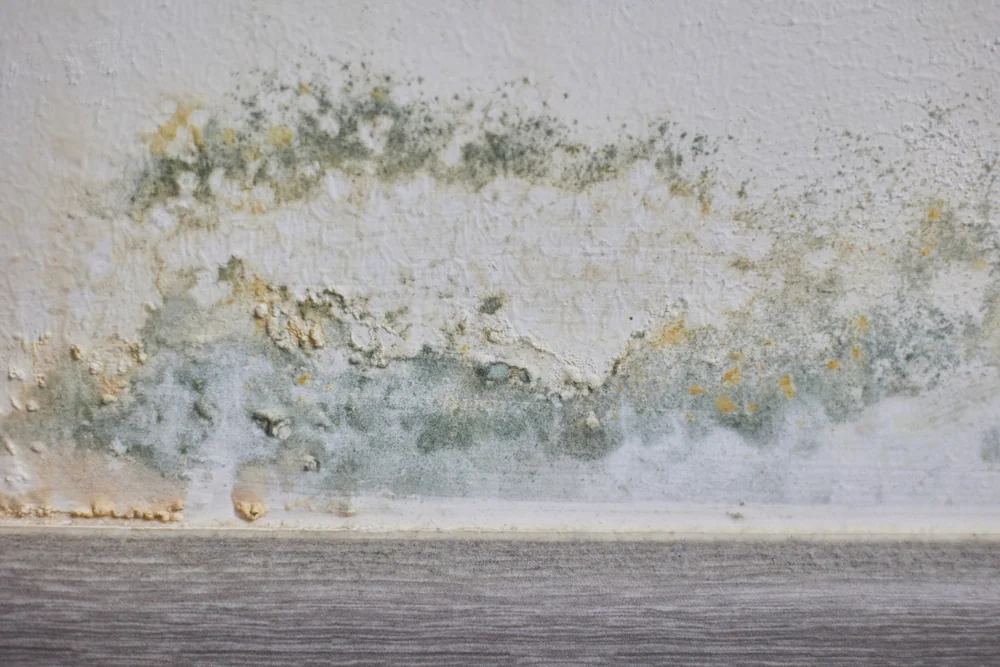
Your basement smells different this week. Not terrible, just off. Maybe it’s nothing. Or maybe it’s the start of something that’ll cost you thousands if you wait another month to deal with it. Pennsylvania summers don’t mess around when it comes to humidity, and neither does mold. The difference between a small prevention step today and a major remediation project next month often comes down to understanding what mold needs to thrive and cutting off its supply before it gets comfortable. You’re about to learn exactly how to do that, starting with the one factor that matters most.
Understanding Pennsylvania’s Summer Humidity Challenges
Bucks County gets about 49 inches of rain per year. The national average sits at 38. That extra moisture doesn’t just disappear when the sun comes out.
It hangs in the air, settles into your basement, condenses on cold pipes, and creates the exact conditions mold spores need to germinate. When outdoor humidity climbs past 60% and your indoor spaces follow suit, you’re no longer preventing mold. You’re just waiting for it to show up.
Summer temperatures between 70 and 90 degrees give mold its ideal growing range. Pair that with Pennsylvania’s humidity, and the timeline for mold growth compresses. What normally takes 24 to 48 hours can happen faster when conditions align perfectly.
Why Bucks County Homes Face Higher Mold Risk
The soil here holds moisture. Areas like Levittown deal with clay-heavy ground that doesn’t drain quickly after heavy rain. That moisture works its way up through foundations, into crawl spaces, and eventually into the air you’re breathing.
Older homes add another layer of complexity. Many were built before modern ventilation became standard. They don’t move air the way newer construction does. Basements stay damp longer. Attics trap heat and humidity with nowhere for it to go.
Even newer homes aren’t immune. Tightly sealed construction designed to save energy can trap moisture inside if ventilation isn’t properly balanced. You end up with a home that holds onto every bit of humidity from cooking, showering, and just living. That’s not a problem in winter when humidity drops naturally. In summer, it becomes the perfect environment for mold to establish itself in hidden corners.
The groundwater table shifts seasonally too. Spring and summer rains saturate the soil around your foundation. Hydrostatic pressure pushes that moisture through any crack or gap it can find. Your basement might be bone dry in February and damp by July, even without an obvious leak. That seasonal pattern is why summer mold problems spike in Pennsylvania. The moisture is coming from multiple directions at once.
What Humidity Levels Actually Mean for Your Home
The EPA recommends keeping indoor humidity between 30 and 50 percent. Below 60 percent is acceptable. Above 60 percent, you’re in mold territory. Most people can’t feel the difference between 55 and 65 percent humidity, but mold can.
A cheap hygrometer from the hardware store tells you exactly where you stand. Put one in your basement, one on your main floor, and one in the attic if you have access. Check them weekly during summer. If any of them consistently read above 60 percent, you’ve got work to do.
Condensation is humidity you can see. Water droplets on windows, pipes, or toilet tanks mean the air is holding more moisture than it should. Cold surfaces pull that moisture out of the air and turn it into liquid water. That water sits there, soaks into nearby materials, and gives mold exactly what it needs.
The relationship between temperature and humidity matters too. Warm air holds more moisture than cool air. When humid summer air hits your cool basement or crawl space, the temperature drop forces that moisture out. It condenses on concrete walls, wooden joists, and anything else that’s cooler than the surrounding air. This is why basements and crawl spaces are ground zero for summer mold problems, even when there’s no active leak. The physics of warm air meeting cool surfaces does the rest.
You can’t control outdoor humidity. You can control how much of it gets inside and what happens to it when it does. That’s where preventing mold in house starts.
Humidity Control Mold Prevention Strategies
Dehumidifiers remove moisture from the air. That’s it. That’s what they do. For basements in Bucks County, they’re not optional during summer.
A 50 to 70 pint capacity unit handles most residential basements. Smaller spaces or less humid conditions might get by with 30 to 40 pints. The unit should have a continuous drain option so you’re not emptying a bucket twice a day. Run it to maintain 30 to 50 percent humidity, not just when things feel damp.
Air conditioning does more than cool. It pulls moisture out of the air as part of the cooling process. But if your system is oversized or cycles on and off too quickly, it cools without dehumidifying. The result is a cold, clammy house that still has mold problems. Proper HVAC sizing matters for humidity control, not just comfort.
Ventilation That Actually Works
Bathrooms and kitchens generate massive amounts of moisture. One hot shower can spike bathroom humidity to 80 or 90 percent. Cooking does the same to your kitchen. Exhaust fans exist to remove that moisture before it spreads through your home.
Run the bathroom fan during your shower and for at least 20 minutes after. If your fan is loud or ineffective, replace it. A quality exhaust fan that actually moves air is worth every penny compared to the cost of bathroom mold remediation. The same goes for your kitchen range hood. Use it when you cook, especially when boiling water or steaming vegetables.
Attics need ventilation too, but the strategy is different. Soffit vents at the eaves let cool air in. Ridge vents or gable vents at the peak let hot, humid air out. The temperature difference creates natural airflow that prevents moisture from condensing on roof sheathing. If your attic doesn’t have balanced ventilation, humid summer air has nowhere to go. It condenses, soaks into wood, and mold follows.
Crawl spaces present their own challenge. Traditional vented crawl spaces can actually make humidity worse during summer. Hot, humid outdoor air flows in through vents, hits the cooler crawl space, and dumps its moisture load onto everything down there. Many experts now recommend sealing crawl spaces, covering the ground with vapor barriers, and conditioning the space with a dehumidifier. It’s counterintuitive, but closing off outdoor air often keeps crawl spaces drier than leaving them open.
Don’t vent your dryer into the house or garage. Don’t let bathroom or kitchen fans dump into the attic. Every appliance that produces moisture should exhaust directly outside. Shortcuts here create moisture problems that take months to discover and thousands to fix.
HVAC Maintenance for Mold Prevention
Your HVAC system moves air through every room in your house. If there’s mold in the ductwork or on the evaporator coil, you’re spreading spores with every cooling cycle. Condensation naturally forms on cooling coils. That’s how air conditioning works. But if drain pans don’t drain properly or if dust accumulates on wet surfaces, mold moves in fast.
Change your air filter every month during summer. A clogged filter restricts airflow, which reduces your system’s ability to remove humidity. It also means more dust and debris accumulating in places you can’t easily clean. A clean filter is cheap insurance against bigger problems.
Have your HVAC system professionally serviced twice a year. Spring and fall are ideal. The technician should check drain lines, clean condensate pans, inspect ductwork for moisture, and make sure everything drains the way it should. If they find mold, address it immediately. Don’t wait for it to spread.
Some systems benefit from UV lights installed near the evaporator coil. UV-C light kills mold spores and bacteria before they can establish colonies. It’s not a replacement for proper maintenance, but it’s an extra layer of protection for homes in humid climates. Ask your HVAC contractor if it makes sense for your system.
Duct leaks are another hidden problem. If your ducts run through unconditioned spaces like attics or crawl spaces, and those ducts have leaks, you’re pulling humid air directly into your system. That humid air condenses inside the ducts, creates moisture, and feeds mold growth you’ll never see until it becomes a major problem. Sealing ductwork isn’t glamorous, but it matters for both efficiency and mold prevention.
Summer Mold Problems Start with Small Prevention Steps
Preventing mold in house during Pennsylvania’s humid summers comes down to controlling moisture before it becomes a problem. Monitor your humidity levels. Run dehumidifiers in basements and crawl spaces. Use exhaust fans in bathrooms and kitchens. Maintain your HVAC system. Fix leaks immediately.
Mold doesn’t need much. It needs moisture, a food source like drywall or wood, and time. Take away the moisture, and you take away the problem. Most of this is straightforward. None of it requires specialized skills. What it requires is consistency and attention during the months when humidity makes mold growth almost inevitable if you’re not actively preventing it.
If you’re already seeing signs of mold or if humidity levels won’t come down despite your best efforts, that’s when professional help makes sense. We’ve been handling Bucks County’s specific mold challenges for years. We know what works in this climate and what doesn’t.