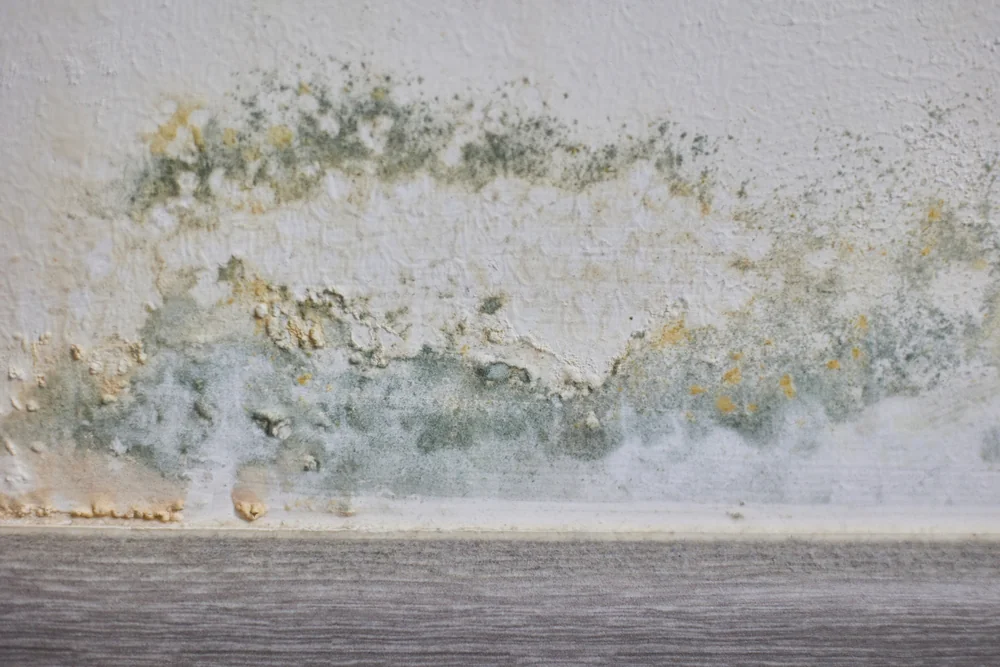
You’ve got a musty smell in the basement. Or maybe you spotted discoloration on the bathroom ceiling after that pipe leak last month. Now you’re trying to figure out what a mold inspection actually costs—and whether it’s worth the money before problems get worse.
The short answer: most Pennsylvania homeowners pay between $300 and $800 for a professional mold inspection, but that number shifts based on what you’re dealing with. Property size plays a role. So does the type of testing. And whether you need two samples or ten.
Here’s what actually drives the cost—and how to know what you’re paying for.
How Property Size Affects Mold Inspection Pricing
Larger homes cost more to inspect. That’s not a surprise. But the reason isn’t just about square footage—it’s about time, coverage, and the number of areas that need attention.
An inspector covering a 1,200-square-foot condo can complete a visual assessment in an hour or two. A 4,500-square-foot home with a finished basement, attic, and crawl space takes significantly longer. More rooms mean more potential problem areas, more samples to collect, and more ground to cover with moisture detection tools.
In Pennsylvania, homes under 4,000 square feet typically run $300 to $400 for a standard inspection. Properties above that threshold often hit $700 to $1,000, especially if they include hard-to-reach spaces or multiple levels.
What Counts as Accessible vs. Hard-to-Reach Areas
Not all square footage is created equal when it comes to mold inspection costs. A finished living room is easy to assess. A crawl space with limited clearance or an attic accessible only through a pull-down ladder? That’s a different story.
We charge more when we have to navigate tight spaces, remove panels, or spend extra time reaching areas where mold typically hides. Basements with low ceilings, HVAC ducts that require disassembly, or wall cavities that need invasive checks all add to the labor involved. If we have to cut into drywall to confirm hidden mold growth, expect the price to climb.
Accessibility also affects how thorough the inspection can be. Some older homes in Bucks County, PA have structural quirks—unfinished basements with stone foundations, poorly ventilated attics, or additions built without proper moisture barriers. These spaces take longer to evaluate and often require additional sampling to get accurate results.
The good news: a detailed inspection of these problem areas saves you money in the long run. Finding hidden mold early prevents it from spreading into structural components like floor joists or wall studs, which cost thousands to repair. When we take the time to check difficult spaces, we’re not padding the bill—we’re doing the job right.
Why Multi-Level Homes and Finished Basements Cost More
Multi-level homes and finished basements increase inspection costs because they multiply the number of zones that need testing. Each level of your home has its own air circulation patterns, humidity levels, and potential moisture sources. We can’t assume that mold found in the basement means the second floor is clear—or vice versa.
Finished basements are particularly tricky. Drywall, drop ceilings, and carpeting can hide water damage and mold growth that would be obvious in an unfinished space. We often use thermal imaging cameras to detect moisture behind finished walls, and we may need to collect air samples from multiple rooms to determine if spores are circulating through the HVAC system.
If your home has three levels, expect us to recommend at least three to five air samples—one outdoor control sample plus one or two indoor samples per floor. Each sample typically adds $50 to $150 to the total cost, depending on whether you’re doing basic spore counts or more detailed lab analysis to identify specific mold species.
Pennsylvania’s older housing stock makes this even more relevant. Many homes in the Philadelphia metro area were built before modern ventilation standards, which means moisture can get trapped in walls and basements more easily. We know to check for common issues like foundation seepage, inadequate drainage, and poor attic ventilation—all of which contribute to mold growth in multi-level properties.
Visual Inspection vs. Comprehensive Mold Testing Costs
A visual inspection and comprehensive mold testing are two different services with two different price points. Understanding the difference helps you avoid paying for more than you need—or skimping on testing that could save you thousands later.
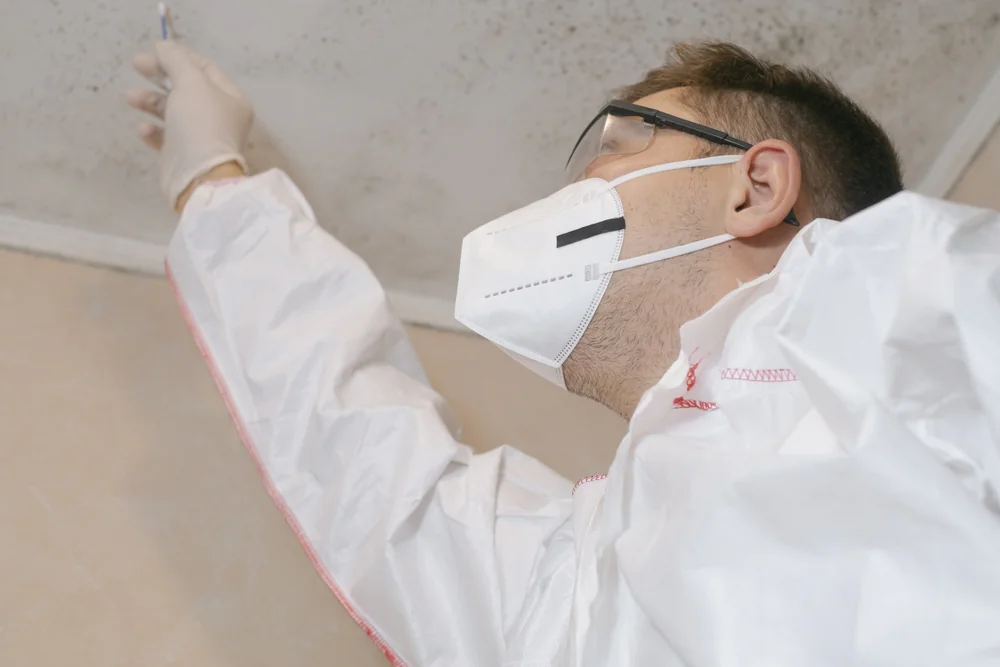
Visual inspections are exactly what they sound like: we walk through your property, look for visible mold, check for moisture with handheld meters, and identify conditions that support mold growth. These run $150 to $300 and work well when you’ve already spotted the problem and just need confirmation or a professional assessment of the damage.
Comprehensive testing includes air sampling, surface sampling, or both—plus lab analysis to identify mold types and spore concentrations. This approach costs $400 to $800 or more, but it catches hidden mold that visual checks miss.
When Visual Inspection Is Enough (and When It’s Not)
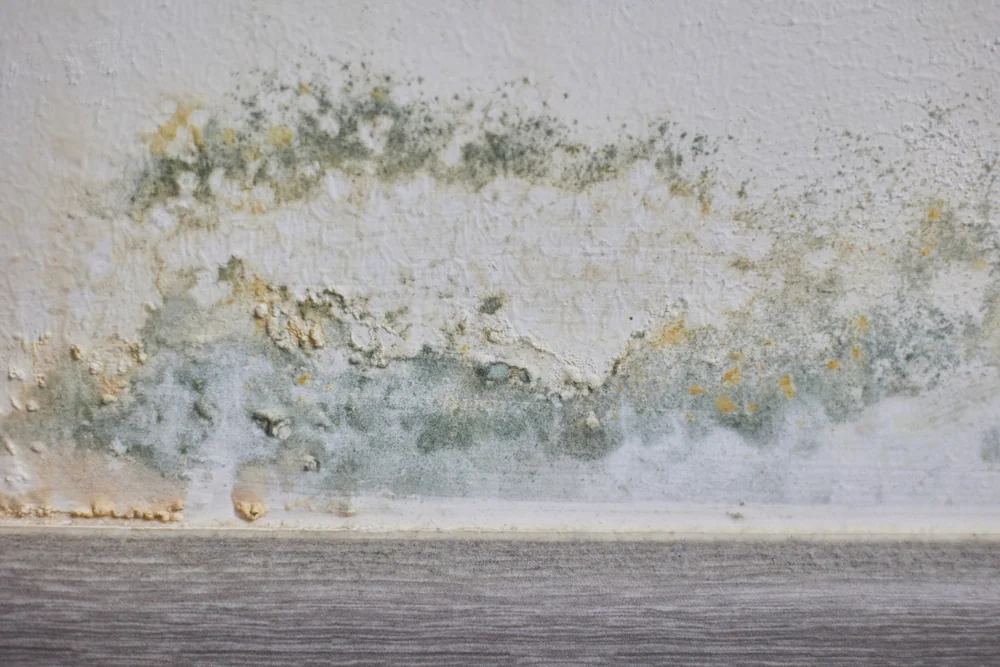
If mold is visible and the source of moisture is obvious—say, a leaky pipe under the sink with mold growing on the cabinet—you probably don’t need lab testing. The EPA and industry experts agree: when you can see mold, the next step is remediation, not testing. Spending money to confirm what’s already obvious doesn’t make sense.
But visual inspection has limits. Mold grows in places you can’t see: inside wall cavities, behind wallpaper, under flooring, in HVAC ducts. It also releases spores into the air that spread to other areas of your home. A visual check won’t tell you if the mold in your bathroom has contaminated the air in your bedroom, or if hidden growth in the attic is sending spores through your ventilation system.
You need comprehensive testing when you smell mold but can’t find it, when you’ve had water damage in the past and want to confirm it’s been fully resolved, or when someone in your household is experiencing unexplained respiratory symptoms. Testing is also critical if you’re buying or selling a home—documentation from a certified inspector protects both parties and provides leverage for negotiations.
In Pennsylvania, where older homes often have hidden moisture issues, comprehensive testing makes sense even when there’s no visible mold. Increased precipitation over the past decade has created more opportunities for mold to develop in basements, crawl spaces, and poorly ventilated attics. A visual inspection might miss these problems until they’ve caused serious damage.
Air Sampling vs. Surface Sampling: What Each Test Reveals
Air sampling and surface sampling serve different purposes, and most thorough inspections use both. Air samples measure the concentration of mold spores floating in your indoor environment. Surface samples identify specific mold types growing on materials like drywall, wood, or insulation.
Air sampling works by pulling a measured volume of air through a collection device that traps spores, which are then sent to a lab for analysis. The lab report shows which mold species are present and how their concentrations compare to outdoor air. Indoor mold levels shouldn’t be higher than outdoor levels—if they are, you’ve got a problem. Air samples cost around $90 each, and most inspections require at least two indoor samples plus one outdoor control.
Surface sampling involves swabbing or tape-lifting a small area of suspected mold growth. This method confirms whether discoloration is actually mold and identifies the species, which matters if you’re dealing with toxic varieties like Stachybotrys (black mold). Surface samples run $90 to $150 each and are most useful when you’ve got visible growth that needs identification.
The combination of both testing methods gives you the full picture. Air samples tell you if spores are circulating through your home and affecting indoor air quality. Surface samples confirm what’s growing where and help us develop the right containment and removal strategy. If you’re only going to do one, air sampling usually provides more actionable information—but in cases where you’ve got obvious mold growth, surface sampling helps determine the severity and health risk.
Making Smart Decisions About Mold Inspection Costs
Mold inspection costs in Pennsylvania range from $300 for a basic visual check to $800 or more for comprehensive testing with lab analysis. Property size, testing type, and the number of samples you need all affect the final price. But the real question isn’t what it costs—it’s whether the investment protects you from bigger problems down the road.
A few hundred dollars spent on inspection can save you thousands in remediation costs by catching mold early, identifying the moisture source, and limiting cleanup to only the affected areas. It also gives you documentation for insurance claims, real estate transactions, and peace of mind that your family isn’t breathing contaminated air.
If you’re in Bucks County, PA or the surrounding areas and dealing with musty odors, water damage, or visible mold, we offer free consultations to help you understand your options. Sometimes a quick conversation is all it takes to figure out your next move.