You’ve been sneezing for weeks. Maybe your kids can’t shake that cough. Or you’re exhausted for no clear reason, and your doctor keeps saying it’s probably just allergies.
But here’s the thing—if those symptoms get better when you leave the house and worse when you come back, you’re not imagining it. Something in your home might be making you sick. And if it’s mold, knowing whether you’re dealing with an allergy or toxic exposure changes everything about how you fix it.
This isn’t about scaring you. It’s about giving you the information you need to figure out what’s actually going on so you can breathe easier again.
Mold Allergy Symptoms: Understanding Indoor Mold Health Effects
Mold allergy symptoms happen when your immune system overreacts to mold spores floating in the air. Your body sees these spores as invaders and releases histamine to fight them off—the same reaction you’d get from pollen or pet dander.
The symptoms show up fast. Sneezing, runny nose, itchy eyes, coughing, congestion. Classic hay fever stuff. If you have asthma, mold exposure can trigger wheezing, chest tightness, and shortness of breath.
What makes indoor mold different from outdoor mold is that you’re breathing it in constantly. Outdoor mold dies off in winter. Indoor mold doesn’t. It keeps growing in your basement, bathroom, or crawl space year-round, which means your symptoms never really stop.
How Do You Know If Mold Allergies Are Causing Your Symptoms
The clearest sign of a mold allergy is timing. Your symptoms flare up in certain rooms or get worse when you’re home for extended periods. You feel better at work or when you’re out running errands. Then you walk back into your house and within an hour, you’re congested again.
Mold allergies can also show up on your skin. Some people develop rashes, hives, or eczema flare-ups after prolonged exposure. Your eyes might burn or water constantly, especially in damp areas like basements or bathrooms.
If you’ve noticed a musty smell in your home, that’s a red flag. Household mold releases microbial volatile organic compounds that create that distinctive odor. Even if you can’t see the mold, that smell means spores are in the air you’re breathing.
Testing can confirm it. An allergist can run a skin prick test or blood test to see if you’re producing IgE antibodies in response to specific mold types like Aspergillus, Cladosporium, or Penicillium. But honestly, if your symptoms improve when you leave your house and return when you come back, you already have your answer.
The problem with treating mold allergies like seasonal allergies is that antihistamines only mask symptoms. They don’t remove the mold that’s causing the reaction. You can take allergy medication every day for years, but if mold is still growing in your crawl space or behind your walls, you’re just managing symptoms instead of solving the problem.
That’s where the difference between allergies and toxic exposure becomes critical. Because while allergies are uncomfortable, toxic mold exposure can affect your entire body in ways that go far beyond a stuffy nose.
What Toxic Mold Exposure Does to Your Body
Toxic mold exposure isn’t an allergic reaction. It’s your body responding to mycotoxins—poisonous compounds that certain molds produce as they grow. These toxins don’t need your immune system to cause problems. They damage cells directly.
The symptoms are different too. Instead of sneezing and congestion, you might deal with chronic fatigue that doesn’t improve with rest. Brain fog that makes it hard to focus or remember things. Persistent headaches. Digestive issues. Mood changes like increased anxiety or depression.
These symptoms develop slowly. You might not connect them to mold at first because they don’t feel like allergies. They feel like something’s wrong with your health in general. And because toxic mold exposure affects multiple systems in your body—neurological, respiratory, digestive—it often gets misdiagnosed as chronic fatigue syndrome, fibromyalgia, or even just stress.
Black mold, or Stachybotrys chartarum, gets the most attention for producing mycotoxins. But other common household molds can cause toxic reactions too, especially with prolonged exposure in poorly ventilated spaces. The difference between a mold allergy and mold toxicity isn’t always about the type of mold. It’s about how much you’re exposed to and how long it’s been growing.
Here’s what makes this complicated: you can have both at the same time. You might start with mold allergy symptoms—sneezing, coughing, watery eyes. Then after months of exposure, you develop the systemic symptoms of toxicity. Your immune system stays activated, inflammation becomes chronic, and suddenly you’re dealing with symptoms that don’t fit the allergy pattern anymore.
The key difference is duration and severity. Mold allergies cause immediate symptoms that resolve when you leave the moldy environment. Toxic exposure causes symptoms that persist for weeks or months, even after you’ve left the space. If you’ve been feeling off for a long time and can’t figure out why, mold toxicity should be on your radar—especially if you live in an older home in Bucks County, PA where moisture problems are common.
Mold Under House in Crawl Space: A Hidden Health Risk
Most people never go into their crawl space. That’s exactly why mold thrives there. It’s dark, damp, and undisturbed—perfect conditions for fungal growth to spread across floor joists, insulation, and subflooring.
The problem is that air doesn’t stay in your crawl space. It rises into your living areas through gaps, vents, and ductwork. Studies show that up to 50% of the air you breathe on your first floor comes from your crawl space. If that air is full of mold spores and mycotoxins, you’re breathing them in constantly without ever seeing the source.
Bucks County’s climate makes crawl space mold almost inevitable without proper moisture control. The area gets 49 inches of rain per year—11 inches more than the national average. Add humid summers, moisture-retaining soil, and older homes with aging foundations, and you’ve got the perfect storm for mold growth under your house.
Why Crawl Spaces in Bucks County Homes Develop Mold
Crawl space mold grows when moisture content in wood exceeds 20%. In Bucks County, PA, that happens easily. Humid summer air enters through foundation vents and condenses on cool surfaces like floor joists and AC ductwork. Ground moisture evaporates up through bare soil. Plumbing leaks go unnoticed for months because no one’s down there checking.
Older homes in areas like Levittown and Doylestown face additional challenges. Many were built before modern moisture control standards existed. They lack proper vapor barriers. Their ventilation systems weren’t designed to handle Pennsylvania’s humidity levels. Groundwater patterns shift seasonally, especially after heavy spring rains, pushing moisture up into crawl spaces.
You might not realize you have crawl space mold until you notice secondary signs. Musty odors that seem to come from nowhere. Sagging or bouncing floors as mold weakens floor joists. Increased pest activity—bugs and rodents are attracted to the damp environment mold creates. Or you might just feel sick more often without understanding why.
The mold you see on bathroom tiles or basement walls is usually surface mold. Annoying, but relatively easy to clean. Crawl space mold is different. It grows on structural wood, behind insulation, and in areas you can’t reach safely. By the time you smell it or see water stains on your ceiling, the problem has likely been developing for months or years.
Professional inspection is the only way to know for sure. We use moisture meters to test wood moisture content and thermal imaging to find hidden water intrusion. We check for standing water, failed vapor barriers, plumbing leaks, and condensation patterns. That comprehensive assessment tells you not just whether you have mold, but why it’s growing and what needs to be fixed to prevent it from coming back.
Fungal Growth in Crawl Space Areas and Long-Term Health Risks
Fungal growth in crawl space environments isn’t always the black fuzzy mold you picture. Sometimes it appears as white or gray powdery patches. Green or black speckled spots on floor joists. Slimy discoloration on insulation. The appearance varies depending on the mold species and how long it’s been growing.
The most common crawl space molds—Cladosporium, Penicillium, and Aspergillus—can all trigger allergic reactions and respiratory issues. They release spores continuously as they grow, and those spores circulate through your home’s air. Even if you’re not allergic, breathing mold spores long-term can cause irritation and inflammation in your lungs, sinuses, and airways.
Extended exposure creates a different problem. When mold grows unchecked for months or years, mycotoxin levels build up. Your body’s ability to detoxify gets overwhelmed. Symptoms that started as occasional sneezing become chronic fatigue, persistent headaches, difficulty concentrating, or unexplained mood changes.
Children and elderly family members are especially vulnerable. Their immune systems don’t handle mold exposure as well as healthy adults. If your kids are constantly sick, missing school, or developing asthma symptoms, crawl space mold could be contributing. The same goes for older relatives who seem to be declining faster than expected—chronic mold exposure accelerates health problems.
Structural damage is the other long-term risk. Most crawl space mold won’t destroy wood immediately. But certain fungi—like dry rot and brown rot—require much higher moisture levels and can seriously degrade floor joists and beams. If you notice sagging floors, bouncing when you walk, or visible rot on exposed wood, the mold problem has progressed beyond a health issue into a structural one.
The solution isn’t just removing visible mold. It’s addressing the moisture source that allowed fungal growth to start in the first place. That might mean installing a proper vapor barrier, fixing drainage issues around your foundation, sealing crawl space vents, adding a dehumidifier, or repairing plumbing leaks. Without controlling moisture, mold will return no matter how many times you clean it.
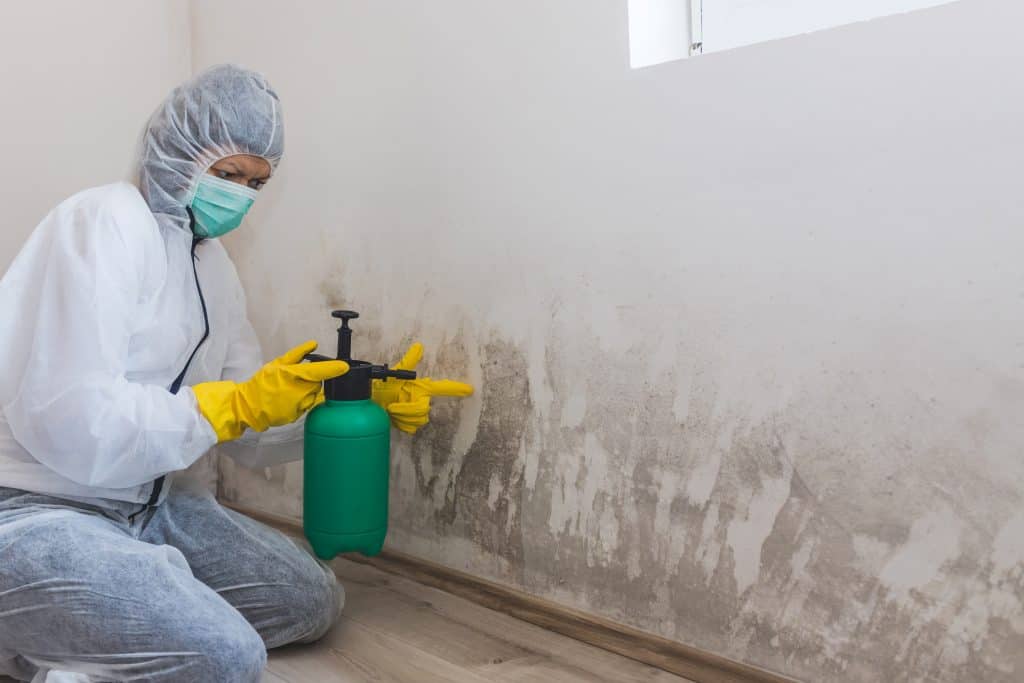
Professional mold remediation handles both parts—removing existing mold safely and fixing the conditions that caused it. We contain the affected area to prevent spores from spreading during removal. We use HEPA filtration to clean the air. We treat surfaces with antimicrobial solutions. Then we address ventilation, moisture control, and structural repairs so the problem doesn’t come back.
Getting Rid of Mold Symptoms Means Getting Rid of Mold
You can take antihistamines every day. You can run air purifiers in every room. You can scrub visible mold off bathroom tiles. But if mold is growing in your crawl space or behind your walls, those measures only mask the problem.
Real relief comes from removing the mold at its source and fixing the moisture issues that allowed it to grow. That’s not a DIY project when mold is hidden in structural areas or producing toxic compounds. It requires professional equipment, containment protocols, and an understanding of why mold grew in that specific location.
If you’re in Bucks County, PA and dealing with symptoms that won’t go away—whether it’s allergies, respiratory issues, fatigue, or just a persistent musty smell—we can help you figure out what’s actually happening in your home. Our free inspections identify the source, testing determines what you’re dealing with, and comprehensive remediation addresses both the mold and the moisture problem causing it.