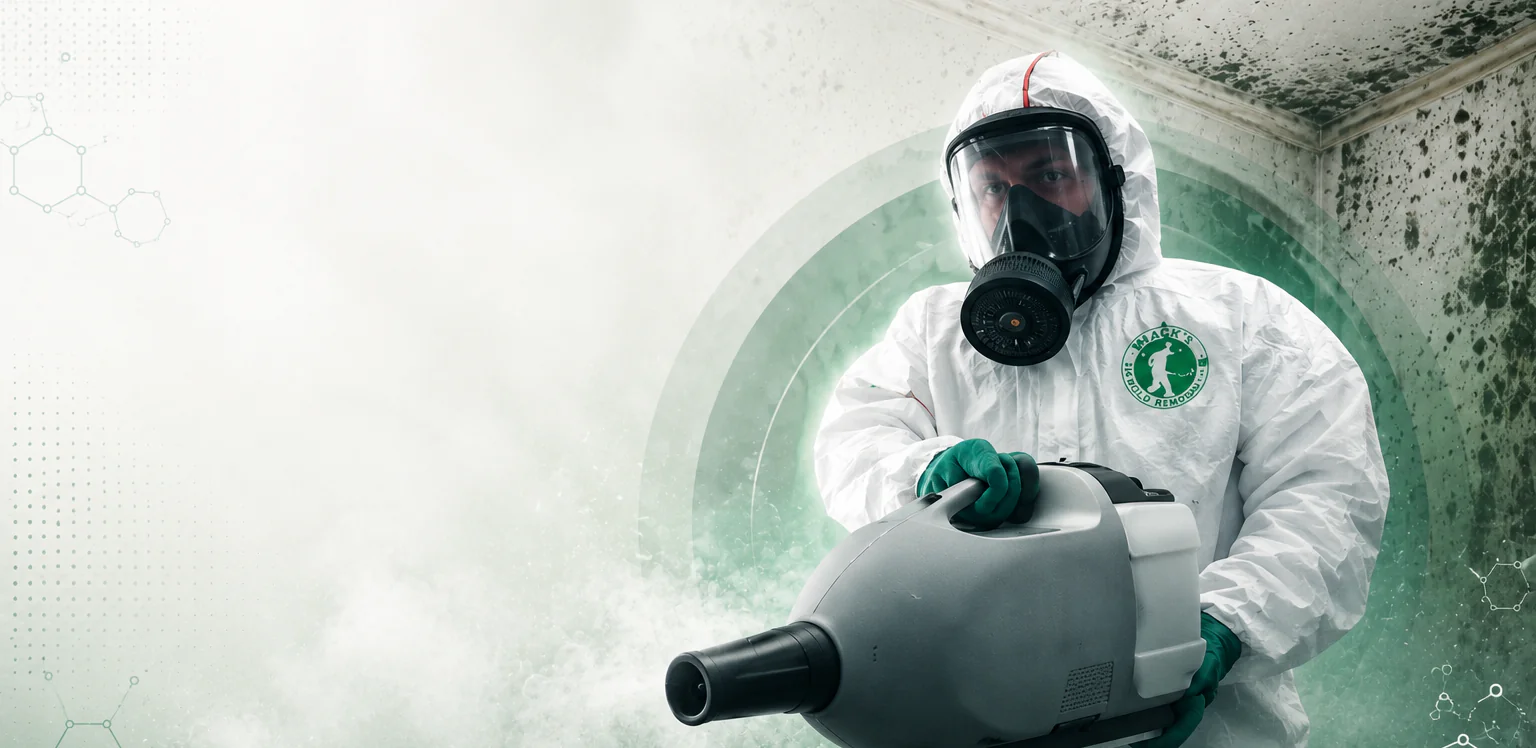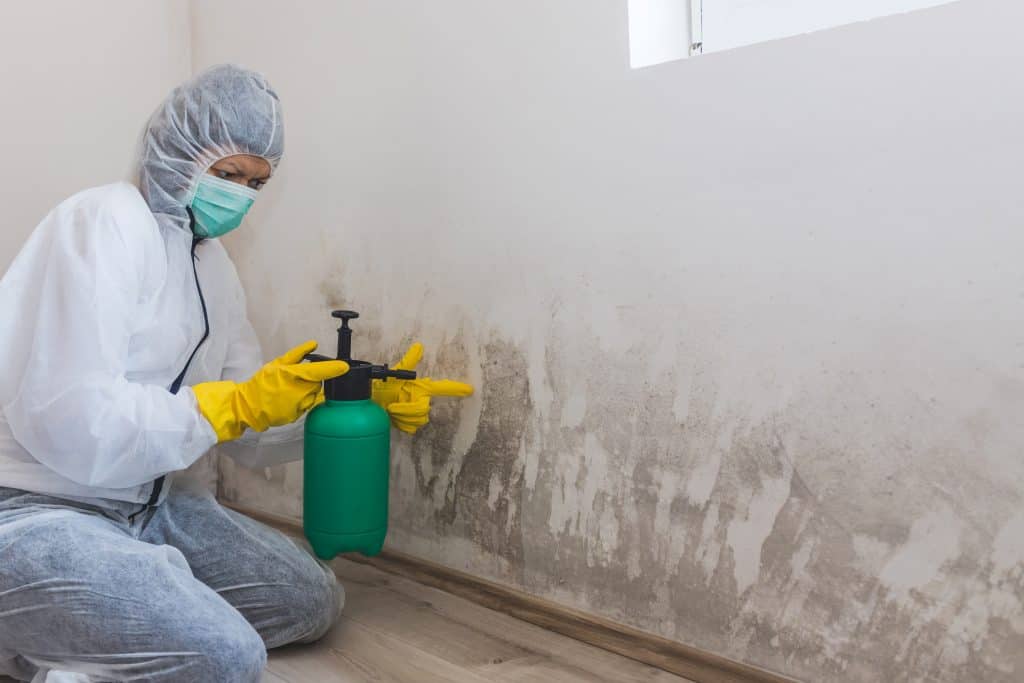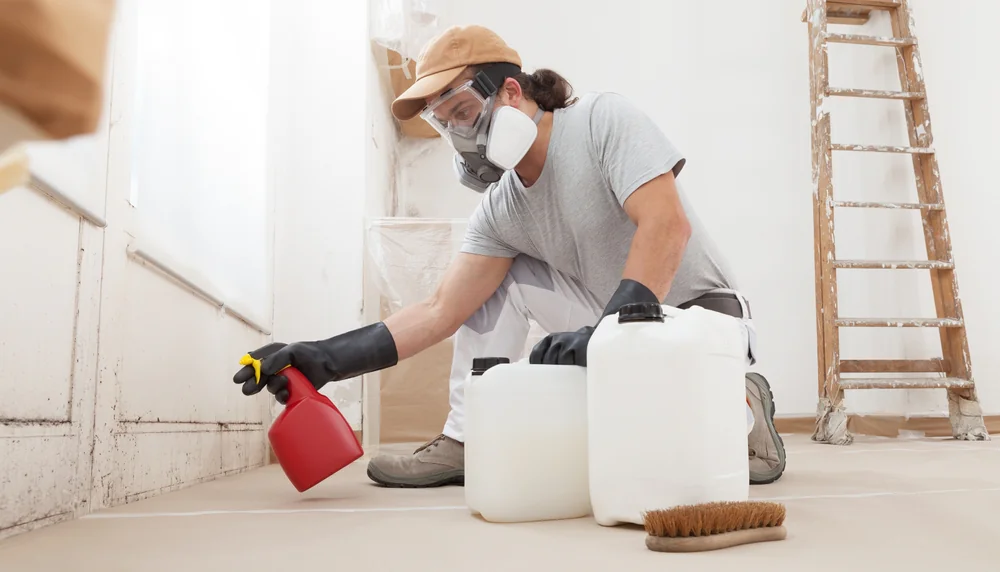
You’ve found mold. Or you smell something musty that won’t go away. Maybe your kid’s allergies are getting worse, or you noticed dark spots spreading in the corner of your basement. Whatever tipped you off, you know you need help.
So you start searching for professional mold removal companies, and that’s when you realize the real problem: in Pennsylvania, literally anyone can claim they’re a mold expert. No license required. No mandatory certifications. No state oversight to protect you from contractors who don’t know what they’re doing.
Some companies will solve your problem completely. Others will spray some chemicals, collect your check, and leave you with the same issue six months later—except now you’re out thousands of dollars and your family kept breathing mold spores the whole time. The difference between those outcomes comes down to asking the right questions and knowing which answers actually matter. Let’s talk about how to find mold removal contractors who’ll fix it right the first time.
Why Professional Mold Removal Matters More Than You Think
Mold isn’t just an eyesore or a smell. It’s a health hazard that grows faster than most homeowners realize. Give it 24 to 48 hours of moisture exposure, and mold spores start colonizing. In Bucks County’s humid climate, that timeline shrinks even further during summer months.
The health risks are documented and serious. Respiratory issues. Persistent allergies that don’t respond to medication. Asthma attacks that seem to come out of nowhere. Children are especially vulnerable—studies show kids living in homes with mold face double the risk of developing asthma compared to kids in mold-free homes.
But here’s what makes choosing the right mold removal company so critical: what you see isn’t the whole problem. That patch of black stuff on your bathroom wall? It’s connected to a much larger colony growing behind the drywall where you can’t see it. The musty smell in your basement? It’s coming from mold in your HVAC ducts, spreading spores throughout your entire house every time the system kicks on.
Surface cleaning doesn’t solve this. If someone just scrubs the visible mold and calls it done, you’ve paid for cosmetic improvement while the actual problem keeps growing. Worse, if they don’t identify and fix the moisture source that caused the mold in the first place, you’re guaranteed to see it come back. Real professional mold removal addresses the whole system—visible growth, hidden contamination, and the underlying moisture issues that allow mold to thrive.
What Makes Bucks County Homes Especially Vulnerable to Mold
Geography isn’t on your side if you own a home in Bucks County. We get about 49 inches of rain annually—that’s 11 inches more than the national average. All that extra moisture has to go somewhere, and a lot of it ends up in basements, crawl spaces, and foundation walls.
Our climate creates a perfect storm for mold growth. Humid summers with temperatures in the 80s and 90s mean your home’s air is already carrying moisture. When that warm, humid air hits cooler surfaces in your basement or encounters inadequate ventilation in your bathroom, condensation forms. That condensation feeds mold spores that are always present in the air, just waiting for the right conditions to start growing.
Bucks County’s housing stock makes things worse. Many homes here were built decades ago, before modern moisture barriers and ventilation systems became standard. Older foundations develop small cracks over time. Aging HVAC systems struggle to control humidity levels. Original construction methods that worked fine in drier climates create moisture traps in our environment.
Then there are the hyperlocal factors. Levittown’s soil composition retains moisture exceptionally well, putting constant pressure on foundation walls. Areas near creeks and streams deal with seasonal groundwater shifts that push water into basements during heavy rain periods. Homes built in the 1950s and 60s often have inadequate drainage systems that can’t handle the amount of water we get now compared to when they were built.
This is why choosing professional mold removal companies with specific Bucks County experience matters so much. A contractor from out of state doesn’t know that Newtown homes often have seasonal groundwater issues. They don’t recognize the signs of moisture infiltration common in Levittown’s housing stock. They haven’t seen how Bensalem’s older homes develop specific patterns of basement seepage after prolonged rain.
Local expertise means the difference between someone who removes the mold you can see and someone who understands why it grew there in the first place—and how to prevent it from coming back. We know which moisture problems are fixable with better ventilation, which ones require drainage improvements, and which ones need foundation repairs. That knowledge protects your investment and your family’s health in ways that generic mold removal never will.
The Hidden Costs of Choosing the Wrong Mold Removal Company
Let’s walk through what happens when you hire the wrong company. You find the cheapest option in your search results. They show up, spray some antimicrobial solution on the visible mold, maybe remove a section of drywall, and hand you a bill for a few thousand dollars. They tell you the problem is solved.
Three months later, the mold is back. Same location, same musty smell, same health symptoms you thought were finally improving. Now you’re facing a choice: pay the same company to come back and do it again, or hire someone else to actually fix it properly. Either way, you’re paying twice for the same problem.
But the financial cost is just the beginning. During those three months while the mold was growing back, your family kept breathing spores. Your daughter’s asthma didn’t improve like you hoped. Your son’s persistent cough that the pediatrician couldn’t explain? It’s still there. Your own allergy symptoms that seemed to get better right after the “remediation” gradually returned to baseline.
The property damage got worse too. Mold doesn’t stop growing just because you can’t see it anymore. Behind your walls, it kept spreading through insulation and structural wood. The moisture issue that caused the original problem—maybe a slow leak or inadequate ventilation—continued creating conditions for more growth. What started as a manageable problem in one bathroom has now spread to adjacent rooms.
If you’re trying to sell your home, you’ve created a nightmare scenario. You now have a documented history of mold that required professional remediation—except the remediation failed. That’s exactly the kind of disclosure that makes buyers walk away or demand massive price reductions. Even if you’re not selling, your home’s value has taken a hit. Appraisers and insurance companies don’t look kindly on properties with recurring mold problems.
Then there’s the stress. The constant low-grade worry about whether you’re breathing something dangerous. The embarrassment when guests notice the smell. The nagging fear that something worse is growing in places you can’t see or reach. The frustration of having spent thousands of dollars and still not having the problem solved. That mental and emotional toll adds up, affecting your quality of life in your own home.
Professional mold removal done right costs more upfront. But it costs dramatically less than paying twice, dealing with ongoing health issues, watching your property value decline, and living with the stress of an unsolved problem. When you’re evaluating contractors for mold removal in Bucks County, the cheapest bid is almost never the smartest choice. You’re not just paying for mold removal—you’re paying for expertise, proper equipment, systematic processes, and the confidence that comes from knowing the job was done completely and correctly the first time.
Mold Removal Company Certifications That Actually Matter
Here’s the uncomfortable truth about mold removal in Pennsylvania: the state doesn’t require any specific licenses or certifications. Zero. Anyone with a truck and a spray bottle can print business cards claiming they’re mold remediation experts.
This creates a serious problem for homeowners trying to make informed decisions. How do you separate legitimate professionals from people who watched a couple YouTube videos and decided to start a mold removal business? You look for certifications that actually mean something—credentials that require training, testing, and ongoing education to maintain.
The gold standard is IICRC certification. The Institute of Inspection, Cleaning and Restoration Certification is an ANSI-accredited organization that sets the industry standards for mold remediation. When a company has IICRC-certified technicians, it means those individuals completed formal classroom training, passed proctored examinations, and demonstrated hands-on proficiency in mold remediation techniques. This isn’t a weekend seminar or an online quiz—it’s serious education that covers mold biology, containment procedures, safety protocols, and proper removal techniques.
IICRC certification comes in different levels. The Applied Microbial Remediation Technician (AMRT) certification requires 28 hours of classroom training and passing a 150-question exam. It focuses specifically on mold and sewage remediation techniques. The Mold Remediation Specialist (MRS) certification is even more advanced, requiring a minimum of one year of verifiable field experience in addition to examination.
Contractors for Mold Removal: Red Flags You Can’t Ignore
Some warning signs are obvious. Others are subtle. All of them should make you think twice before signing anything or handing over money.
Start with the biggest red flag: companies that offer both mold testing and mold removal. This creates an inherent conflict of interest that should make any smart consumer uncomfortable. They’re financially incentivized to “find” mold problems because you’ll then hire them to fix those problems. It’s like asking a mechanic to inspect your car when they get paid based on how many repairs they recommend. The incentives are completely misaligned with your interests.
Reputable mold removal contractors insist on third-party testing before they’ll do remediation work. They want independent verification from a company that has no financial stake in whether mold is found or not. This protects you and protects them—they don’t want to waste time removing mold that doesn’t exist, and you don’t want to pay for unnecessary work.
Payment demands are another critical indicator. Any company asking for full payment upfront is waving a massive red flag. Legitimate businesses don’t operate this way. A fair payment structure typically breaks down to roughly 25% when work begins, another 25% at the midpoint, and the final 50% after completion and after independent testing confirms the mold is actually gone and levels are back to safe ranges. Companies demanding everything up front are either desperate for cash flow or planning to do substandard work and disappear before you realize it.
Watch out for the “free mold testing” scam. This is one of the oldest tricks in the mold remediation playbook. A company offers free testing, and somehow—shockingly—they always find serious mold problems that require immediate, expensive remediation. Real mold testing costs money because it involves professional equipment, lab analysis, and expertise. “Free” testing is a loss leader designed to get in your door and scare you into signing a contract. The testing might not even be legitimate—they might just wave a device around, show you some alarming numbers, and pressure you to act immediately.
Inability or unwillingness to provide proof of certifications is a dealbreaker. When you ask about IICRC certification, you should get more than a verbal “yes, we’re certified.” Ask to see actual credentials. Get names of certified technicians. Then verify those credentials independently—the IICRC maintains a searchable online database where you can confirm whether someone actually holds the certification they claim. If a company gets defensive about this request or makes excuses about why they can’t provide documentation, you have your answer about their legitimacy.
High-pressure sales tactics are another massive warning sign. Legitimate professionals don’t need to use fear and urgency to close deals. They assess your situation, explain what’s needed, provide a detailed written estimate, and give you time to make an informed decision. Companies that use fear-mongering language about “toxic black mold,” insist you need to sign a contract immediately, or claim that waiting even a few days will cause catastrophic damage are using sales psychology, not professional assessment.
Be extremely wary of companies that only provide verbal estimates. You need everything in writing—what areas they’ll remediate, what materials they’ll remove, what equipment they’ll use, how they’ll contain the work area, what they’ll do to address the moisture source, and what the timeline looks like. If they can’t or won’t put this in writing, they’re not planning to do it properly. Written estimates also protect you if there’s a dispute later about what was promised versus what was delivered.
Finally, pay attention to how they talk about guarantees and warranties. Professional companies stand behind their work. They should be willing to put guarantees in writing and explain what happens if mold returns. Companies that refuse to offer any warranty or make vague promises about “doing their best” don’t have confidence in their own work—and you shouldn’t either.
The Questions That Separate Professionals from Pretenders
The right questions expose everything you need to know about whether you’re dealing with professionals or people who are in way over their heads. Start with the most important one: “Are your technicians IICRC certified?” Don’t accept a simple yes. Ask which certifications specifically—AMRT, MRS, WRT (Water Damage Restoration Technician). Ask for the names of the certified technicians who will actually be working on your property. Then verify those certifications independently using the IICRC’s online database.
Next, ask them to walk you through their complete remediation process. A real professional should be able to explain inspection, containment, removal, cleaning, and moisture source identification without hesitation or vagueness. They should talk about HEPA filtration, negative air pressure, containment barriers, and post-remediation verification. If their answer focuses only on removing visible mold or sounds like they’re making it up as they go, they don’t understand the full scope of what professional mold removal actually requires.
Get specific about equipment. Ask what tools and technology they use. Professional mold removal requires specialized equipment: HEPA-filtered vacuums and air scrubbers to capture airborne spores, moisture meters to identify hidden water problems, thermal imaging cameras to find moisture behind walls without tearing everything apart, proper containment systems to prevent cross-contamination, and EPA-approved antimicrobial treatments. If they’re planning to show up with household cleaning supplies, a shop vac, and some plastic sheeting, you’re not getting professional service—you’re getting an expensive version of what you could attempt yourself.
Ask the most critical question of all: “How do you identify and address the moisture source?” This is where you’ll immediately separate contractors who understand mold from contractors who are just in it for quick money. Mold is a symptom. The disease is moisture. Every single mold problem has an underlying moisture source—a leak, inadequate ventilation, humidity issues, drainage problems, condensation from temperature differentials, something. If they’re not identifying and fixing that source, the mold will absolutely, guaranteed, 100% come back. Companies that focus only on removal and ignore moisture control are either incompetent or deliberately setting you up for repeat business. Neither option serves your interests.
Find out about post-remediation testing and verification. Legitimate mold removal companies want third-party confirmation that their work was successful. Ask how they verify that mold levels are back to normal ranges after remediation is complete. They should explain the process for clearance testing—air samples and surface samples analyzed by independent labs to confirm that spore counts are at or below acceptable levels. If they claim testing isn’t necessary or that they can do their own verification, that’s a problem. You need independent confirmation from a company with no financial interest in whether the job passes or fails.
Ask about insurance and warranties. Professional companies carry comprehensive liability insurance to protect you if something goes wrong during the remediation process. They should be able to provide proof of insurance without hesitation. They should also stand behind their work with some form of written warranty or guarantee. Ask what’s covered, for how long, and what happens if mold returns in the treated areas. Get this in writing. Verbal promises mean nothing when you’re trying to get them back to fix a problem six months later.
Request references from recent jobs in Bucks County specifically. Local references matter because they demonstrate experience with the climate and housing challenges you’re facing. Ask for at least three references from the past year. Then actually call those references. Ask if the mold came back. Ask if the company was responsive and professional. Ask if there were any surprise charges or issues. Ask if they’d hire the same company again if they had another mold problem. Past customers will tell you things the company’s marketing never will.
Finally, ask about their approach to your specific situation. Every mold problem is different. A company that gives you the exact same pitch they give everyone else isn’t thinking about your unique circumstances. They should ask questions about your home’s age, when you first noticed the problem, whether you’ve had water damage, what your basement or crawl space looks like, how your HVAC system is configured. Their solution should be tailored to your situation, not a one-size-fits-all package.
Making the Right Choice for Mold Removal in Bucks County, PA
Choosing professional mold removal in Pennsylvania’s unregulated market requires more due diligence than it should. But that homework protects everything that matters—your family’s health, your property value, and your financial investment in solving the problem correctly the first time.
Look for IICRC-certified technicians who can prove their credentials through independent verification. Insist on companies that address moisture sources, not just visible mold growth. Get everything in writing—detailed scope of work, payment terms, warranties, timelines. Verify they use proper professional equipment and follow EPA-approved protocols. Make sure they support third-party testing to confirm their work was successful. Check references from recent local jobs.
Most importantly, trust your instincts. If something feels off—high-pressure tactics, vague answers, resistance to putting things in writing, inability to explain their process clearly—walk away. The right mold removal company will welcome your questions, explain their approach in detail, and give you confidence that they’re solving the entire problem, not just making it invisible for a few months.
When you’re ready to move forward with professional mold removal that’s done right the first time, we bring comprehensive service and local expertise to Bucks County homeowners. We understand the specific challenges your home faces in our climate, and we fix them permanently—not temporarily.