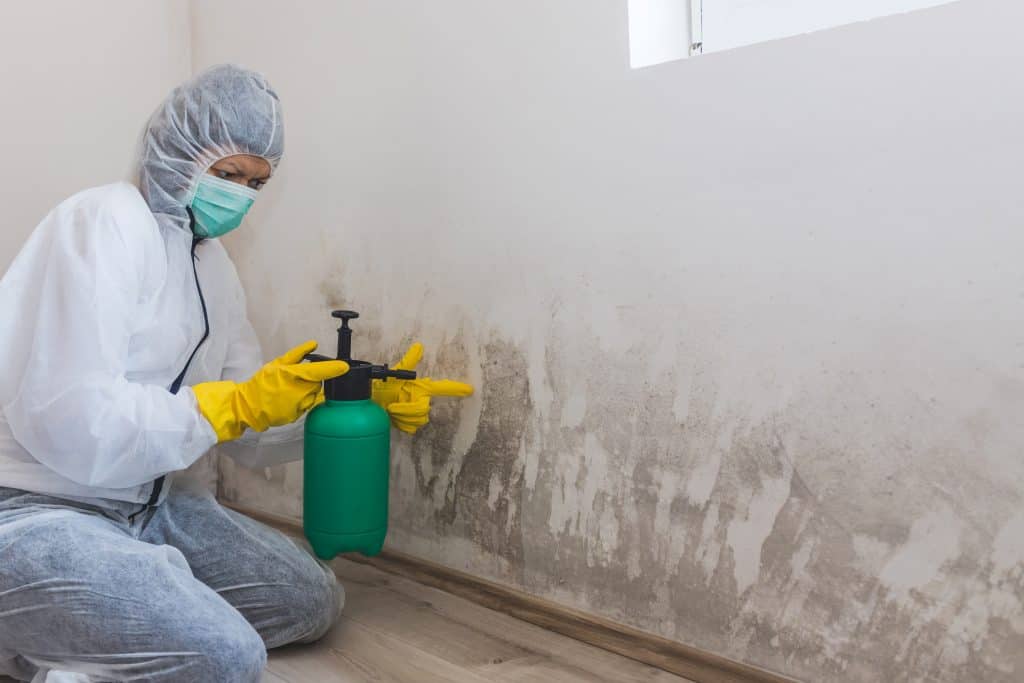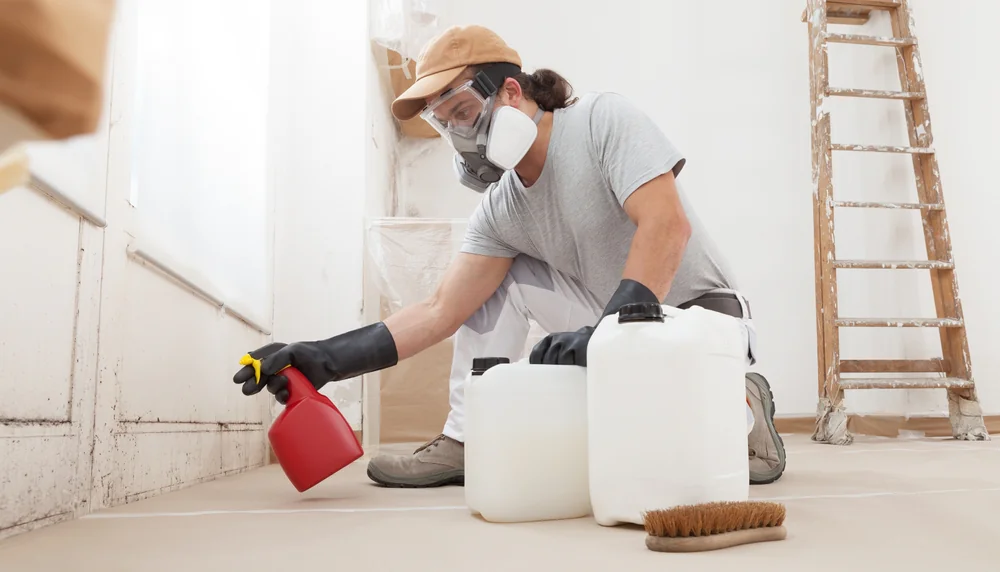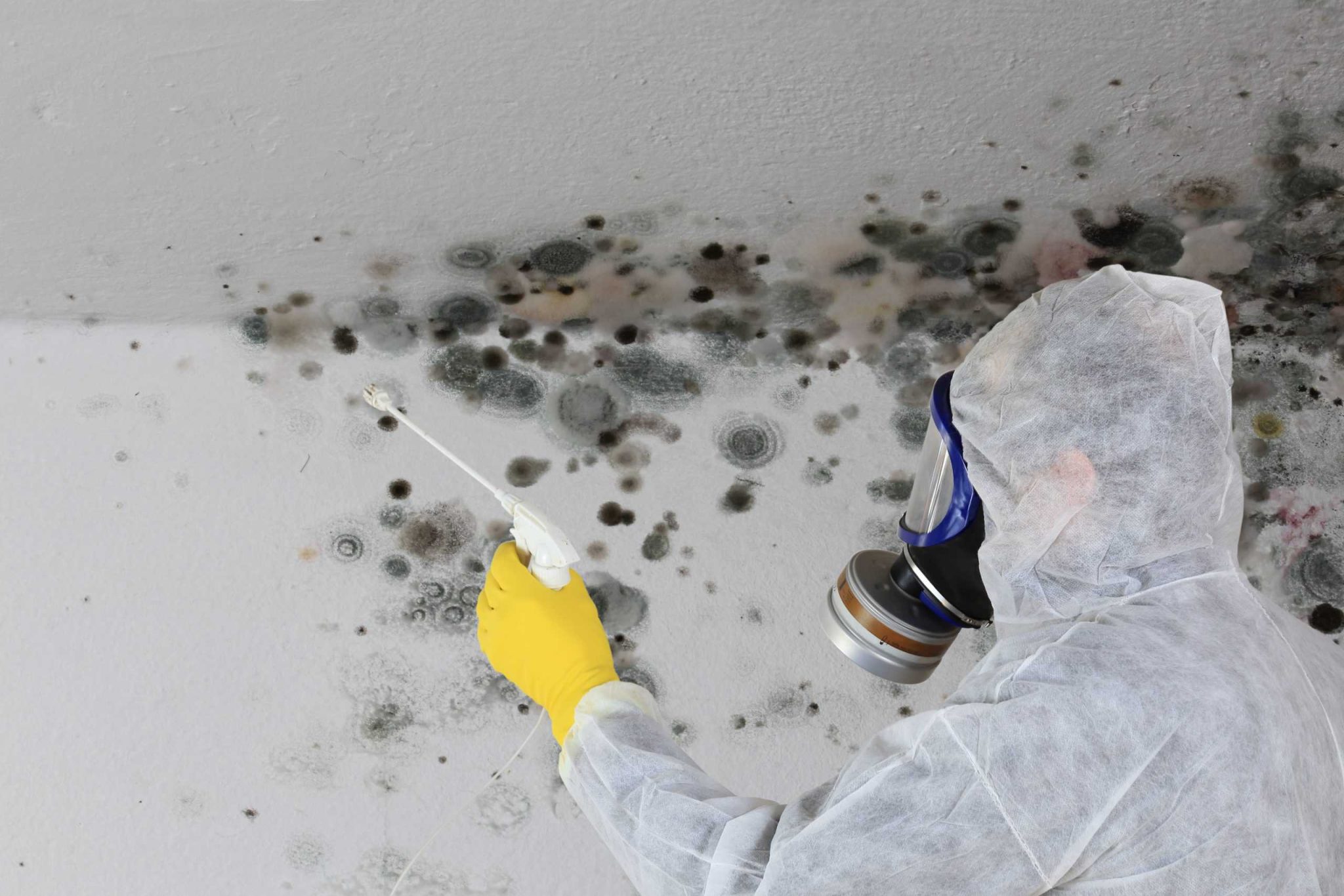
You found mold. Now what?
The answer depends entirely on where you found it. That patch of black growth behind your bathroom mirror needs a completely different approach than the fuzzy stuff coating your basement walls or the discoloration creeping across your attic insulation. Same problem, different room, different solution.
Here’s what actually matters when it comes to house mold removal: moisture source, containment, and room-specific techniques that address the root cause. Not just the surface you can see.
This guide breaks down what works in each area of your home, why professional containment matters more than most people realize, and how to know when you’re dealing with something that requires more than a bottle of bleach and a weekend.
Residential Mold Removal: Why Location Changes Everything
Walk into ten different homes with mold problems and you’ll see ten different situations. The mold in a finished basement looks nothing like the growth pattern in an attic with poor ventilation. Your bathroom might have surface mold on grout lines while your crawl space has structural issues eating through floor joists.
Location determines moisture source, accessibility, materials affected, and the entire removal strategy. A bathroom gets moisture from showers and poor ventilation. A basement deals with groundwater seepage, foundation cracks, and humidity that settles in the lowest point of your house. An attic faces condensation from temperature differences and sometimes ductwork that’s venting humid air exactly where it shouldn’t.
Here in Bucks County, we see this play out constantly. The area gets about 49 inches of rain per year compared to the national average of 38 inches. Add humid summers and soil that holds moisture—especially in areas like Levittown—and you’ve got conditions that invite mold into specific rooms based on how water moves through and around your property.
Basement Mold Cleaning Services: Addressing the Foundation of the Problem
Basements are ground zero for residential mold problems. They’re damp, they’re dark, and they’re sitting right where groundwater wants to go. Seasonal groundwater shifts in Bucks County make this worse, with water finding its way through foundation cracks, failed sealant, or simple concrete porosity that lets moisture wick through.
Basement mold doesn’t just sit on the surface. It grows on drywall, carpet padding, wooden studs, stored belongings, and anywhere else organic material meets moisture. The air down there often has poor circulation, which means once mold spores are airborne, they settle and colonize new spots quickly.
Professional basement mold cleaning services start with finding where water is entering. Could be exterior drainage problems directing rainwater toward your foundation. Could be interior issues like condensation on cold pipes or a sump pump that’s not keeping up during heavy rain. Could be humidity that’s simply too high because there’s no dehumidifier running and no way for damp air to escape.
Once the moisture source is identified and fixed, containment becomes critical. Basements connect to the rest of your house through stairways, ductwork, and gaps around pipes and wiring. Disturbing mold during removal releases spores into the air. Without proper containment using plastic sheeting and negative air pressure, those spores travel upstairs into your living areas.
Removal involves pulling out contaminated materials that can’t be salvaged. Drywall with mold growing inside the paper facing comes out. Carpet and padding that absorbed water get removed and disposed of in sealed bags. Wooden framing that’s structurally sound but covered in surface mold gets treated with antimicrobial solutions after thorough cleaning.
Then comes the part most people skip when they try DIY approaches: drying everything completely and keeping it dry. Basements need dehumidifiers running consistently, especially during humid months. They need proper ventilation or mechanical air exchange. They need moisture barriers on concrete walls and floors if groundwater intrusion is ongoing.
The job isn’t done when the visible mold is gone. It’s done when the conditions that allowed mold to grow in the first place have been eliminated. That’s the difference between cleaning mold and actually solving a mold problem.
Bathroom Mold Removal Service: Ventilation and Surface Treatment
Bathrooms generate more moisture per square foot than any other room in your house. Every shower sends humidity into the air, onto surfaces, and into grout lines where it sits. Without proper ventilation, that moisture has nowhere to go.
The good news: bathroom mold is usually caught early because you’re in there every day. The bad news: what you see on tile grout or caulk lines is often just the visible portion of a larger problem hiding behind walls, under flooring, or inside the vanity cabinet.
Surface mold on tile, grout, or caulking is the easiest type to address. It’s accessible, it’s on non-porous or semi-porous materials, and it responds to proper cleaning and antimicrobial treatment. You scrub it, you treat it, you replace caulk that’s compromised, and you improve ventilation so it doesn’t come back.
But if you’re seeing mold repeatedly in the same spots, or if there’s a musty smell that cleaning doesn’t eliminate, moisture is getting somewhere it shouldn’t. Common culprits include leaking supply lines under the sink, a toilet wax ring that’s failing, or a shower pan that’s cracked and letting water seep into the subfloor and wall cavities.
Professional bathroom mold removal service includes inspection behind access panels, under flooring if necessary, and inside walls where plumbing runs. Thermal imaging cameras can show moisture trapped in places you can’t see. Moisture meters confirm whether materials are wet even when they look dry on the surface.
When mold has spread behind walls or under flooring, removal gets more involved. Drywall comes out. Subfloor sections get replaced if they’re rotted or heavily contaminated. The source of water intrusion gets repaired before any reconstruction happens.
Then ventilation gets addressed. If your bathroom doesn’t have an exhaust fan, it needs one. If it has a fan that’s underpowered or venting into the attic instead of outside, that gets corrected. Proper ventilation means running the fan during showers and for 20-30 minutes afterward to remove humid air before it condenses on surfaces.
The final piece is prevention. Grout gets sealed. Caulk lines around tubs and showers get maintained. Leaks get fixed immediately instead of being ignored until mold appears. Small consistent actions prevent the big expensive problems that happen when moisture goes unchecked.
Professional Mold Containment: Why It Matters More Than You Think
Here’s what happens when you disturb mold without proper containment: spores that were sitting quietly on a surface become airborne. They float through your house, land on new surfaces, and start colonies wherever conditions are right. You think you’re cleaning up mold in your basement, but you’re actually spreading it to your first floor, your HVAC system, and your belongings.
Containment is the difference between removing mold and redistributing it. Professional mold remediation uses physical barriers—plastic sheeting sealed with tape—to isolate the work area from the rest of your home. Negative air pressure machines with HEPA filters run continuously, pulling air from the containment area and exhausting it outside after filtering out mold spores.
This prevents cross-contamination. The mold problem stays contained to the area being treated instead of becoming a whole-house issue. It’s not optional for any mold removal project larger than about 10 square feet, and it’s especially critical in areas like basements and attics that connect to your living spaces through ductwork and air pathways.
Attic Mold and Insulation: When Removal Means Replacement
Attics present a unique challenge because mold doesn’t just grow on wood surfaces. It grows on and in insulation, which means removal often requires pulling out contaminated insulation entirely and replacing it after the mold problem is addressed.
Mold in attics usually results from one of three moisture sources: roof leaks, bathroom or kitchen exhaust fans venting into the attic instead of outside, or warm humid air from your living space rising into a cold attic where it condenses on roof sheathing. That condensation creates perfect conditions for mold to colonize the underside of your roof deck and the top surface of your insulation.
Fiberglass insulation doesn’t technically support mold growth, but dust and other organic particles settle on it and provide food for mold spores. Once mold is established, the insulation becomes contaminated. You can treat the roof sheathing with antimicrobial solutions, but the insulation itself needs to come out.
Cellulose insulation is even more problematic because it’s made from recycled paper. That’s an organic material mold loves. If cellulose insulation gets wet or is exposed to high humidity for extended periods, mold grows directly on and through it. There’s no salvaging it at that point.
Professional attic mold removal starts with identifying the moisture source. Roof leaks get repaired. Exhaust fans get rerouted to vent outside through proper ducting. Attic ventilation gets improved by adding soffit vents, ridge vents, or gable vents to create airflow that removes humid air before it condenses.
Then contaminated insulation gets removed carefully, bagged, and disposed of. The attic space gets cleaned using HEPA vacuums to capture loose spores. Roof sheathing, rafters, and other wood surfaces get treated with antimicrobial solutions that kill mold at the source.
After everything is clean and dry, new insulation goes in. We often recommend upgrading to mold-resistant insulation options like closed-cell spray foam or mineral wool, especially in attics with a history of moisture problems. These materials resist mold growth better than traditional fiberglass or cellulose.
The key is addressing ventilation and moisture control before reinstalling insulation. If you just pull out moldy insulation and put new insulation back without fixing why the mold grew in the first place, you’ll be dealing with the same problem again in a year or two.
Crawl Spaces, HVAC Systems, and Other Problem Areas
Crawl spaces combine the worst aspects of basements and attics. They’re damp from ground moisture, they’re dark, they’re poorly ventilated, and they’re rarely inspected until something goes wrong. Mold in crawl spaces grows on floor joists, subfloor, insulation, and vapor barriers that have failed or were never installed properly.
Professional crawl space mold removal requires addressing ground moisture with vapor barriers, improving ventilation, and sometimes installing dehumidifiers to keep humidity below the threshold where mold thrives. Contaminated insulation gets removed. Structural wood that’s rotted gets replaced. Everything gets treated and dried before encapsulation or new vapor barriers go in.
HVAC systems present their own challenges. If mold grows in ductwork or on cooling coils, your heating and cooling system becomes a distribution network for mold spores every time it runs. You’re literally blowing mold throughout your house. Professional remediation includes cleaning or replacing contaminated ductwork, treating coils with antimicrobial solutions, and sometimes installing UV lights that kill mold spores in the air handler.
Other problem areas include laundry rooms where dryer vents leak humid air, under-sink cabinets where slow leaks go unnoticed, and behind refrigerators where condensation drips and creates hidden mold growth. Each area requires specific assessment and treatment based on the moisture source and materials affected.
The common thread across all these spaces: moisture control is primary, containment during removal is essential, and prevention strategies are what keep mold from returning. You’re not just removing mold. You’re eliminating the conditions that allowed it to grow and establishing new conditions that prevent future growth.
Getting House Mold Removal Right the First Time
House mold removal isn’t about finding the cheapest solution or the fastest fix. It’s about understanding what’s actually happening in your specific situation and addressing it correctly so you don’t end up doing it again in six months.
Basements need moisture source elimination and humidity control. Bathrooms need ventilation improvements and leak repairs. Attics need insulation replacement and proper venting. Every room has different requirements, different challenges, and different solutions.
Professional remediation brings EPA-approved methods, proper containment procedures, and the experience to identify moisture sources that aren’t obvious. It’s the difference between surface treatment and actually solving the problem.
If you’re dealing with mold in your Bucks County home, we provide comprehensive services from inspection through remediation to prevention. We understand local climate challenges, use advanced equipment to find hidden moisture, and address root causes instead of just visible symptoms. We’re available 24/7 for situations that can’t wait, with free consultations to assess what you’re actually dealing with.