You’ve been coughing for weeks. The headaches won’t quit. Your kids’ asthma seems worse than usual, but only at home. You’ve tried everything—changed the air filters, cleaned obsessively, even visited the doctor twice—but nobody can figure out what’s wrong.
Here’s what might be happening: you’re not sick in the traditional sense. You’re reacting to something in your home. Black mould symptoms don’t always announce themselves with dramatic, visible growth on your walls. Sometimes they show up as persistent health issues that seem to have no clear cause. This guide walks you through exactly what those symptoms look like, when they’re serious, and what you need to know about protecting your family.
Complete Guide to Black Mould Symptoms
Black mould symptoms fall into three main categories: respiratory, allergic, and systemic. The severity depends on how much mold you’re exposed to, how long the exposure lasts, and your individual sensitivity.
Most people experience respiratory symptoms first. Your body treats mold spores as foreign invaders, triggering an immune response that affects your airways. You might notice a stuffy nose that never seems to clear up, persistent coughing without other cold symptoms, or a scratchy throat that comes and goes.
The tricky part is that these symptoms often mimic a common cold or seasonal allergies. The difference is timing and pattern. If your symptoms improve when you leave your house for extended periods and return when you come back, mold exposure is likely the culprit. This pattern is one of the most reliable indicators that something in your indoor environment is affecting your health.
Symptoms of Exposure to Mold: What Your Body Is Telling You
When you breathe in mold spores, your body responds immediately if you have a sensitivity or allergy. Common symptoms of exposure to mold include sneezing, watery eyes, nasal congestion, and postnasal drip—basically the same reactions you’d get from pollen or dust.
But mold exposure symptoms go beyond typical allergies for many people. You might experience chronic fatigue that doesn’t improve with rest. Brain fog that makes it hard to concentrate at work or remember simple things. Persistent headaches that seem to have no trigger. Skin rashes that appear without explanation and don’t respond well to typical treatments.
Children often show different symptoms than adults. Watch for unexplained coughing that’s worse at night, frequent respiratory infections, or behavioral changes like increased irritability. Kids spend more time on floors where mold spores settle, and their developing immune systems make them more vulnerable to the effects of breathing mold.
People with asthma face particularly serious risks. Mold exposure can trigger severe asthma attacks, cause chest tightness, and lead to shortness of breath that requires immediate medical attention. If you have asthma and notice your symptoms worsening at home, mold contamination should be high on your list of possible causes.
The elderly also face heightened risks because immune function naturally declines with age. What might cause mild symptoms in a healthy adult can lead to more serious complications in older family members, including respiratory infections that develop into pneumonia.
Your immune system’s response to mold creates inflammation throughout your body. This inflammation is what causes many of the symptoms people experience. The longer you’re exposed, the more your body stays in this inflammatory state, which can lead to chronic health issues over time.
One often-overlooked aspect of mold exposure is its effect on mental health and cognitive function. Research shows that people spending time in moldy buildings report increased anxiety, depression, and cognitive problems often described as “brain fog.” These neurological symptoms are real and documented, though they’re frequently dismissed or attributed to other causes.
Indoor Mold Allergy Symptoms vs. Toxic Mold Reactions
There’s an important distinction between indoor mold allergy symptoms and reactions to toxic mold. Understanding this difference helps you gauge the severity of your situation and know when to seek immediate help.
Indoor mold allergy symptoms are caused by your immune system overreacting to mold spores. Your body produces histamine and other chemicals that create hay fever-like symptoms: runny nose, itchy eyes, sneezing, and congestion. These symptoms are uncomfortable but generally not dangerous for most people. They’re similar to reactions you’d have to pollen or pet dander.
Toxic mold reactions, on the other hand, involve exposure to mycotoxins—toxic substances that certain molds produce. Black mold, scientifically known as Stachybotrys chartarum, can produce these mycotoxins under certain conditions. Not all black mold produces toxins, and not all toxic reactions come from black mold, but the potential for serious health effects is real.
Symptoms that suggest toxic mold exposure rather than simple allergies include severe respiratory distress, chronic sinus infections that don’t respond to treatment, persistent nosebleeds, and bleeding in the lungs. You might experience extreme fatigue that’s debilitating, memory problems that interfere with daily life, or mood changes including depression and anxiety.
Some people develop a condition called chronic inflammatory response syndrome (CIRS) after prolonged mold exposure. This involves multiple body systems and can cause a wide range of symptoms including joint pain, muscle aches, temperature regulation problems, and digestive issues. Research suggests that about 25% of people carry genetic variants that make them susceptible to this type of long-term inflammatory response.
The key difference in recognizing toxic mold reactions is severity and duration. Allergy symptoms might be annoying, but they’re manageable and typically don’t worsen dramatically over time. Toxic mold reactions tend to be more severe, affect multiple body systems, and progressively worsen with continued exposure.
If you’re experiencing severe symptoms—high fever, confusion, sudden breathing trouble, or coughing up blood—seek immediate medical care. These symptoms indicate a serious reaction that requires professional medical intervention, not just mold removal.
For most Bucks County residents, the humid climate creates ideal conditions for mold growth year-round. The area receives about 49 inches of rain annually compared to the national average of 38 inches. Combined with humid summers and homes with aging foundations, this creates persistent moisture challenges that allow mold to thrive. Understanding your symptoms in this local context helps you take appropriate action before problems escalate.
Breathing in Mold Symptoms: What Happens to Your Respiratory System
When you inhale mold spores, they enter your respiratory system and trigger a cascade of reactions. Understanding what happens inside your body helps explain why symptoms can be so varied and why some people are affected more severely than others.
Mold spores are tiny—small enough to penetrate deep into your lungs. When they land on the mucous membranes in your nose, throat, and airways, your immune system recognizes them as foreign particles. For people with mold allergies, this triggers the release of histamine and other inflammatory chemicals. For everyone else, the spores act as irritants that can cause inflammation even without an allergic reaction.
The most common breathing in mold symptoms include persistent dry cough, wheezing, shortness of breath, and chest tightness. Your airways become inflamed and may produce excess mucus as your body tries to trap and expel the spores. This is why many people with mold exposure develop chronic postnasal drip and feel like they’re constantly clearing their throat.
Effects of Breathing Mold: Short-Term and Long-Term Health Impact
The effects of breathing mold depend heavily on exposure duration and intensity. Short-term exposure might cause temporary discomfort that resolves once you remove yourself from the moldy environment. Long-term exposure is where serious health problems develop.
In the short term, breathing mold causes immediate irritation to your respiratory tract. You might experience a burning sensation in your nose and throat, increased mucus production, coughing fits, or difficulty taking deep breaths. These symptoms typically improve within hours to days after leaving the contaminated environment.
Long-term effects of breathing mold are more concerning. Chronic exposure can lead to persistent lung inflammation that doesn’t fully resolve even after mold removal. Some people develop chronic sinusitis—inflammation of the sinuses that lasts for months and doesn’t respond well to typical treatments. Others experience worsening asthma that becomes harder to control with medication.
One of the most serious conditions associated with chronic mold exposure is hypersensitivity pneumonitis. This is a rare but serious lung disease where your immune system overreacts to inhaled mold particles, causing inflammation throughout the lungs. Symptoms include shortness of breath, chronic cough, fatigue, and weight loss. With continued exposure, this condition can cause permanent lung damage.
Research also links prolonged mold exposure to the development of new-onset asthma, particularly in children. Studies suggest that as many as 21% of asthma cases may result from mold exposure. For children growing up in homes with mold problems, the risk of developing respiratory conditions increases significantly.
The effects extend beyond just your lungs. Mold exposure can cause systemic inflammation that affects your entire body. People report chronic fatigue that doesn’t improve with rest, muscle and joint pain without clear cause, and persistent headaches that seem resistant to typical pain relievers.
Cognitive effects are increasingly recognized as a legitimate consequence of mold exposure. People describe it as “brain fog”—difficulty concentrating, memory problems, trouble finding words, and general mental sluggishness. Some studies have found that people with repeated exposure to moldy buildings show neurological and cognitive deficits similar to those seen in mild traumatic brain injury.
For Bucks County residents, understanding these long-term effects is particularly important given the local climate challenges. Homes in areas like Levittown deal with moisture-retaining soil, while Newtown faces seasonal groundwater issues. Older homes throughout the county often lack modern moisture barriers and ventilation systems. These conditions mean that mold problems, once they start, tend to persist and worsen without professional intervention.
When Breathing in Mold Symptoms Require Professional Help
Knowing when to call professionals can mean the difference between a minor inconvenience and a serious health crisis. Certain symptoms and situations demand immediate action rather than a wait-and-see approach.
Seek professional mold assessment if you notice a persistent musty odor that doesn’t go away with cleaning. This smell indicates active mold growth, and the source needs to be identified and removed. Don’t try to mask it with air fresheners—you need to address the root cause.
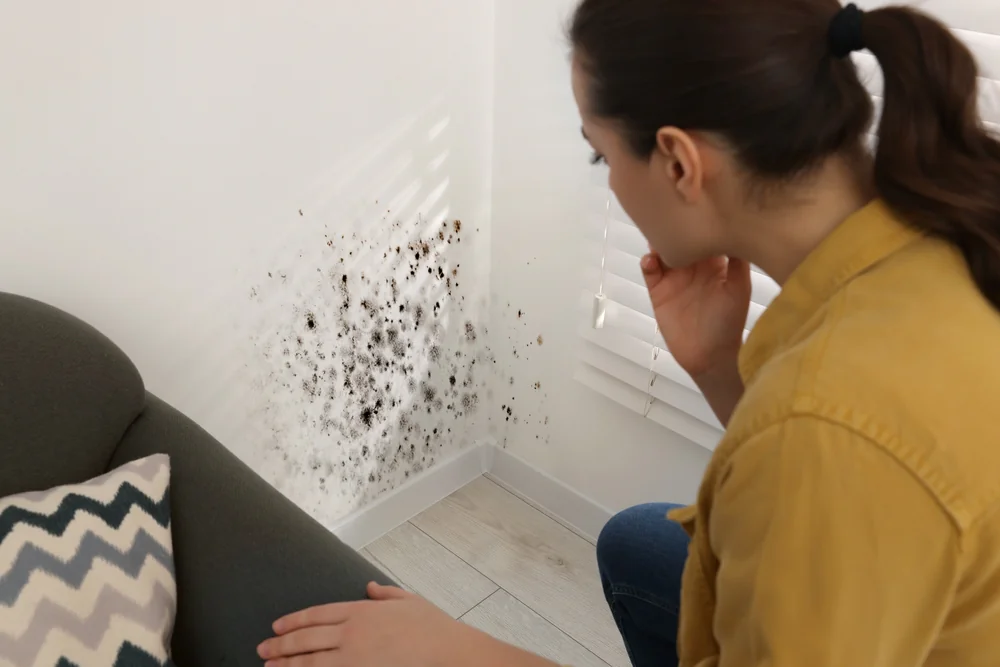
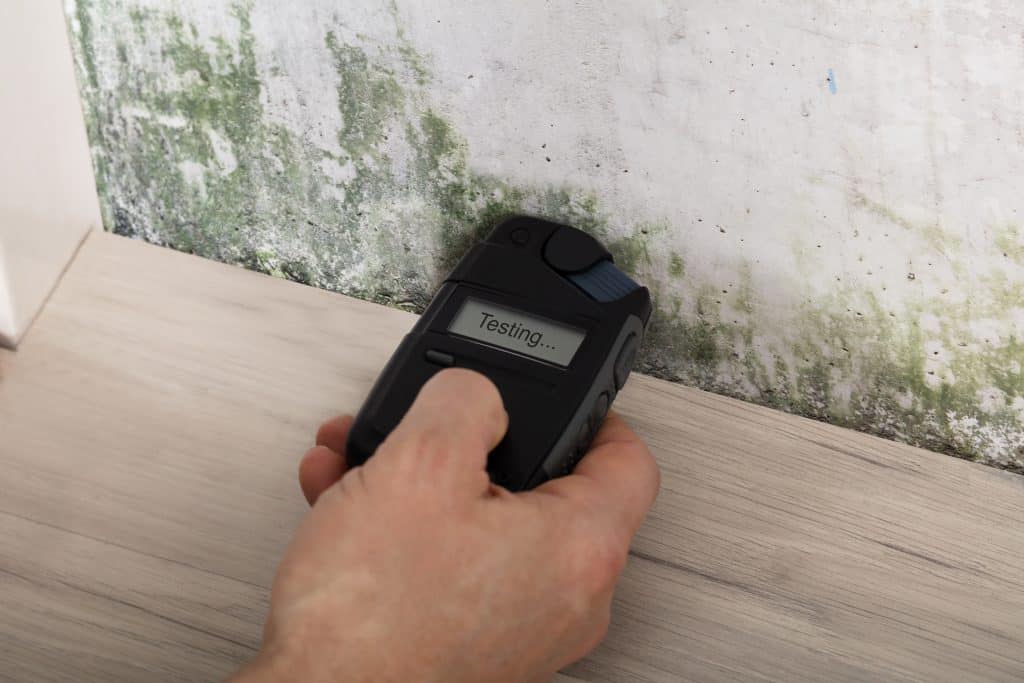
Health symptoms that improve when you leave your house and return when you come back are a clear red flag. This pattern strongly suggests something in your indoor environment is making you sick. Professional mold inspection can identify hidden growth that you can’t see behind walls, under flooring, or in HVAC systems.
If multiple family members are experiencing similar symptoms, that’s another strong indicator of an environmental problem rather than individual health issues. Pay special attention if vulnerable family members—children, elderly relatives, or anyone with compromised immune systems—are affected.
Visible mold growth larger than 10 square feet requires professional remediation according to EPA guidelines. At this size, DIY cleaning isn’t safe or effective. Disturbing large mold colonies without proper containment spreads spores throughout your home, potentially making contamination worse.
Water damage from leaks, flooding, or persistent dampness needs immediate attention. In Bucks County’s humid climate, mold can begin growing within 24 to 48 hours after water exposure. The longer moisture sits, the more extensive the mold problem becomes. Quick professional response limits the extent of contamination and reduces health risks.
If you have pre-existing respiratory conditions like asthma or COPD and notice your symptoms worsening at home, don’t wait. Continued mold exposure can cause permanent lung damage in people with compromised respiratory systems. Professional mold removal protects your long-term health and prevents irreversible complications.
Certain symptoms always warrant immediate medical attention: coughing up blood, severe difficulty breathing, high fever combined with respiratory symptoms, or sudden confusion. These indicate serious reactions that require emergency care. After stabilizing your health, professional mold remediation becomes essential to prevent recurring exposure.
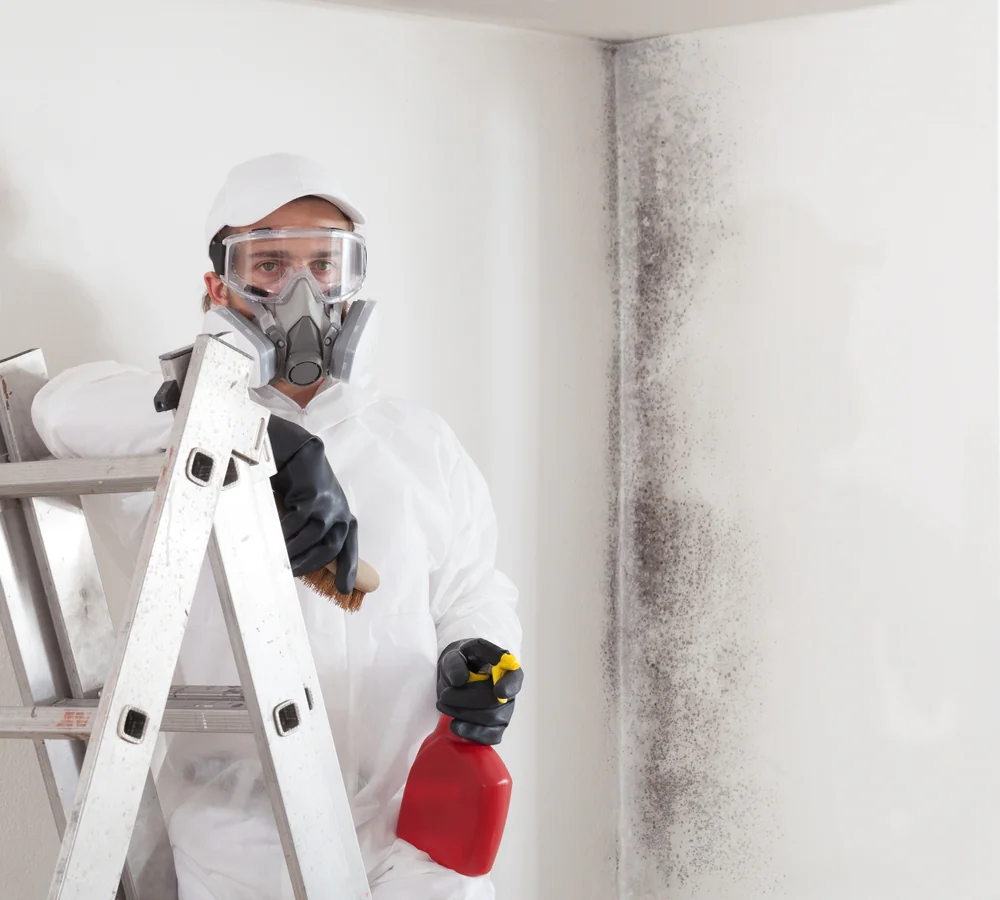
Professional mold remediation does more than just remove visible growth. We identify moisture sources, contain affected areas to prevent spore spread, safely remove contaminated materials, clean and sanitize surfaces, and verify complete removal through post-remediation testing. This comprehensive approach addresses both the mold and the conditions that allowed it to grow, preventing future problems.
For Bucks County homeowners, professional help is particularly valuable because we understand regional challenges. We know where to look for mold in homes with specific foundation types common to the area. We understand how seasonal groundwater shifts affect basements. We’re familiar with HVAC systems that struggle with humidity control during the county’s humid summers. This local expertise ensures thorough remediation that addresses problems specific to your home and climate.
Protecting Your Family from Black Mould Symptoms
Black mould symptoms range from mild irritation to serious health complications, but they all share one thing in common: they’re your body’s warning system telling you something in your environment needs attention. Persistent coughing, unexplained fatigue, chronic headaches, or respiratory problems that improve when you leave your house aren’t symptoms you should ignore or just learn to live with.
Understanding the difference between common allergic reactions and toxic mold exposure helps you gauge the severity of your situation. Knowing when symptoms require professional intervention protects your family from long-term health consequences. The key is taking action before chronic exposure causes permanent damage.
If you’re experiencing mold-related symptoms in Bucks County, we understand the local climate challenges that make mold problems so common in our area. Our EPA-approved methods and local expertise address both the mold and the moisture sources that allow it to thrive, protecting your family’s health and your home’s value.