Most homeowners in Bucks County do not think about their air ducts until something goes wrong: a strange smell, a spike in allergy symptoms, or a doctor asking if mold exists in the house. By that point, the problem has often been quietly circulating through every room for months.
Your HVAC system does not just heat and cool your home. It moves air constantly, repeatedly, all day long. Whatever is inside those ducts goes wherever the air goes. This post is about what that means and what you can do about it before it becomes a bigger problem than necessary.
What Is Inside Your Air Ducts And Why It Matters
Dust is the obvious answer. However, dust is just the beginning. Over years of use, air ducts in Bucks County homes accumulate mold spores, bacteria, pet dander, pollen, and in some cases, mycotoxins, which are the toxic byproducts certain mold species release. These are not things you can see through a register or smell from across the room. They are microscopic, and they travel.
The EPA has noted that indoor air can be two to five times more polluted than outdoor air. In a home with compromised ductwork, that gap widens. Your heating and cooling system moves air through every room repeatedly throughout the day, meaning anything living inside those ducts gets circulated widely.
What Are Mycotoxins And Why Are They In Your HVAC System?
Mycotoxins are toxic substances produced by certain types of mold, most notably Stachybotrys chartarum, commonly known as black mold. They are not the mold itself. They represent what the mold releases. Unlike mold colonies, which tend to stay put on a surface, mycotoxins can become airborne and travel wherever your air goes.
This is the part that most air duct cleaning conversations skip entirely. Generic duct cleaners talk about dust and debris. What they rarely address is the possibility that what resides inside your ductwork is not just dirty, but biologically contaminated. If mold has ever been present in your home, in a basement, crawlspace, bathroom, or behind drywall, a real chance exists that spores and mycotoxins found their way into the HVAC system before or during remediation.
Peer-reviewed research has confirmed that mycotoxins from Stachybotrys chartarum can become airborne in contaminated indoor environments. The EPA specifically warns that failing to clean all components of a contaminated HVAC system can result in re-contamination of the entire space, even after addressing visible mold.
For Bucks County homeowners, this is particularly relevant. The county humid summers, cold sealed-up winters, and significant stock of older homes (many of them colonial-era stone farmhouses and mid-century construction with aging ductwork running through crawlspaces and basements) create conditions where moisture accumulates in unwanted places. Moisture combined with organic material and time equals mold. Mold in a basement connecting to your HVAC system creates a very different problem compared to mold on bathroom tile.
If you had mold removed from your home and nobody discussed your ductwork afterward, the remediation may not be as complete as you were told.
How Do Mold Spores Get Into Ductwork In The First Place?
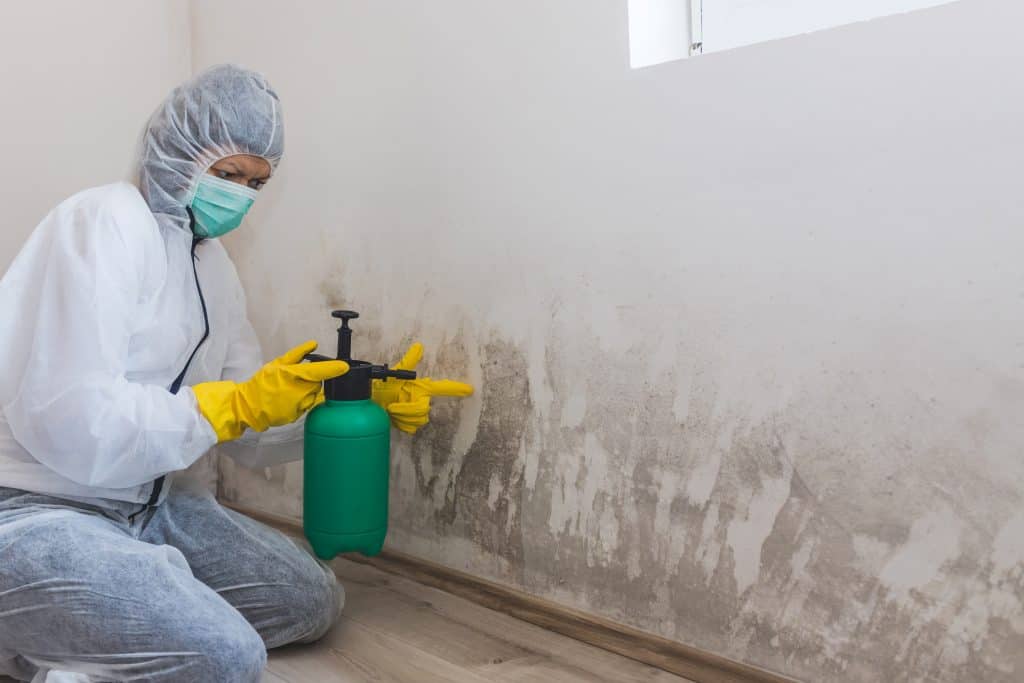
It happens more easily than most people expect. When mold grows in an area of the home sharing airflow with the HVAC system, such as a finished basement, an attic, a crawlspace, or a wall cavity, return air pulls spores and particles into the system. From there, they settle on interior ductwork surfaces, coils, blower components, and anywhere else moisture allows them to take hold.
Home renovations provide another major entry point. Bucks County has an active renovation culture. With median home values well above $400,000 and a homeowner base investing heavily in their properties, gut renovations and additions are common. Demolition work disturbs decades of accumulated dust, debris, and sometimes hidden mold. That material becomes airborne, and a significant portion ends up in the ductwork, sitting there until someone physically removes it.
Flooding represents a third pathway especially relevant in this county. The Delaware River corridor, Neshaminy Creek, Tohickon Creek, and Perkiomen Creek all run through Bucks County, and communities along those waterways experience flooding events pushing moisture into basements and crawlspaces. After water recedes, mold follows quickly, often within 24 to 48 hours. If the HVAC system ran during or after the event, it moved that contaminated air throughout the home.
None of this is inevitable. However, it provides a reason to think seriously about what resides inside your ductwork, especially if your home history includes any of these events and you never had the ducts professionally assessed.
What Professional Air Duct Cleaning Involves
A version of air duct cleaning costs $99 and takes about an hour. Another version takes several hours, covers every component of the HVAC system, and is performed by someone who understands what they are examining. These services are entirely different.
The National Air Duct Cleaners Association (NADCA) sets industry standards for legitimate cleanings. According to NADCA, a reputable company charges between $400 and $1,000 to clean ducts in a typical 2,000-square-foot home. If someone offers dramatically less, something gets skipped, or you face aggressive upselling once they enter your house.
What Does A Complete Air Duct Cleaning Include?
A thorough job extends well beyond visible registers and grilles. The NADCA standard, known as the ACR Standard, requires cleaning the entire HVAC system: supply ducts, return ducts, coils, blowers, heat exchangers, condensate drain pans, and the air handling unit housing. If any single component is skipped, contamination from that component re-enters the system and undoes everything else.
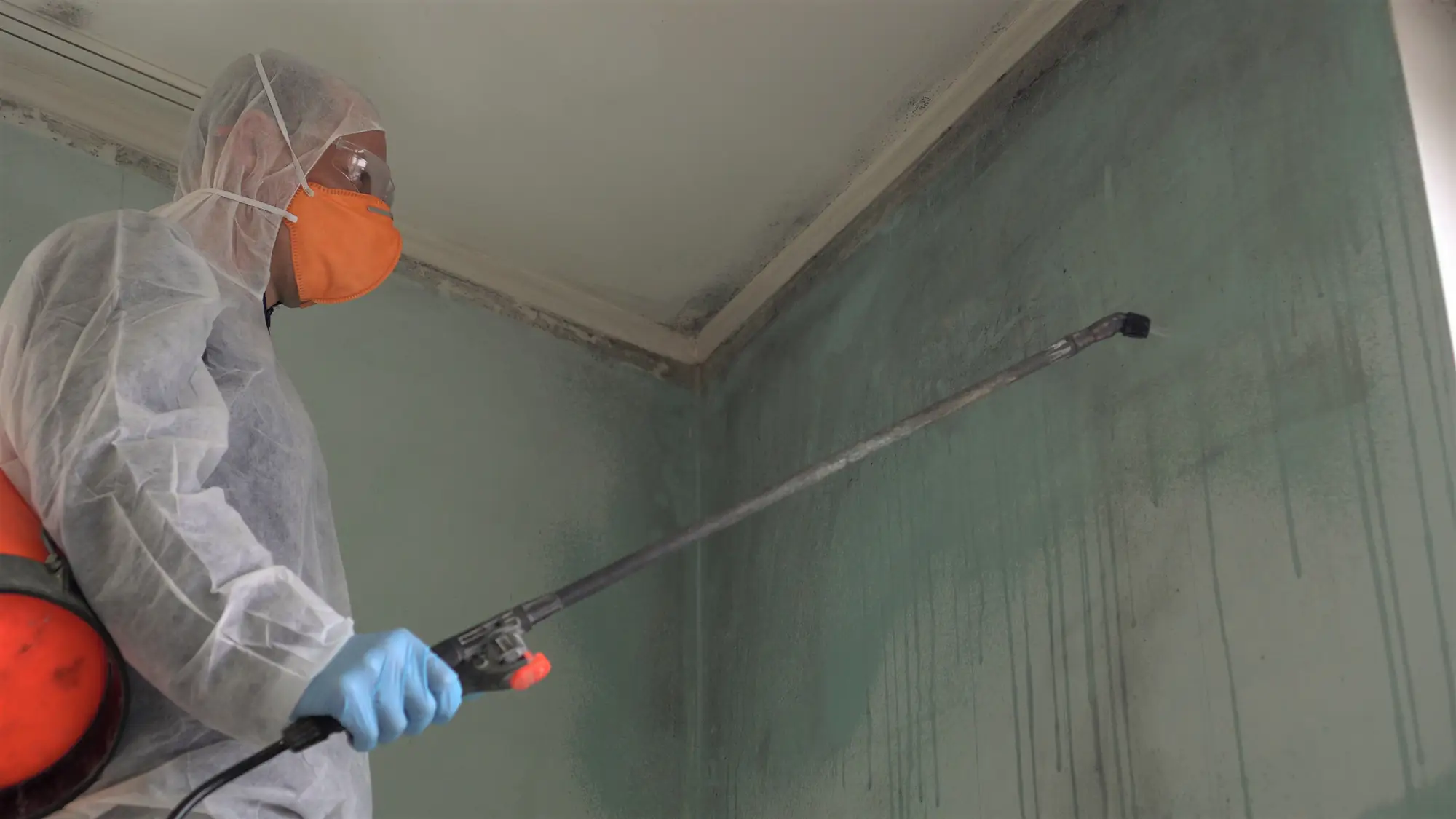
The method matters as well. The industry standard is source removal, which involves physically extracting contaminants from ductwork rather than blowing them around or coating surfaces with chemical treatments. Some companies apply antimicrobial treatments after cleaning, which can suit confirmed microbial contamination, but only after thoroughly cleaning the system first. Applying treatment to a dirty system fixes nothing.
A quality provider conducts visual inspections before and after cleaning. This confirms the work was performed. If before-and-after documentation is unavailable, verifying the work becomes impossible. Ask for it upfront, as any reputable company should provide it.
When mold is the specific concern rather than dust accumulation, the qualifications of the cleaning company matter significantly. An HVAC technician cleaning ducts as part of a broader service menu differs from a certified mold remediation specialist who understands mold biology, hiding spots, and elimination procedures. IICRC certification, the gold standard in restoration and remediation, serves as a meaningful credential to look for.
How To Spot A Bait-And-Switch Air Duct Cleaning Company
The $99 air duct cleaning offer has become so common that Consumer Reports and NADCA issue regular warnings about it. The setup is straightforward: low pricing brings someone through the door, and upselling begins. Suddenly mold is everywhere, ducts are in terrible shape, and the final bill multiplies far beyond the advertised rate.
Red flags include unusually low advertised prices, high-pressure sales tactics inside your home, claims of mold without formal testing or documentation, and vague or verbal-only estimates changing once work starts. Trustworthy companies provide written estimates before starting work and avoid manufacturing false urgency.
Certification verification matters here. Some companies claim NADCA membership without maintaining current status. You can verify NADCA membership directly through the official directory using membership numbers. For mold-related concerns, IICRC certification indicates genuine expertise, requiring ongoing education and recertification.
In the Bucks County real estate market, where homes routinely list above $600,000 and buyers request air quality assessments during due diligence, choosing the wrong contractor carries high stakes. A poor duct cleaning job in a home you plan to sell or recently purchased creates expensive problems. The correct question is not who is cheapest, but who knows what they are doing.
Air Duct Cleaning In Bucks County: What To Do Next
If you read this far, you likely seek more than a routine maintenance checklist. You want to determine if something in your home affects your well-being and if cleaning the ducts makes a difference. That is a fair question, and the honest answer depends entirely on duct contents.
The first step is finding out. A proper inspection examining the full system, rather than just accessible registers, reveals if a real problem exists or if ducts remain in reasonable shape. From there, you make decisions based on clear information instead of guesswork.
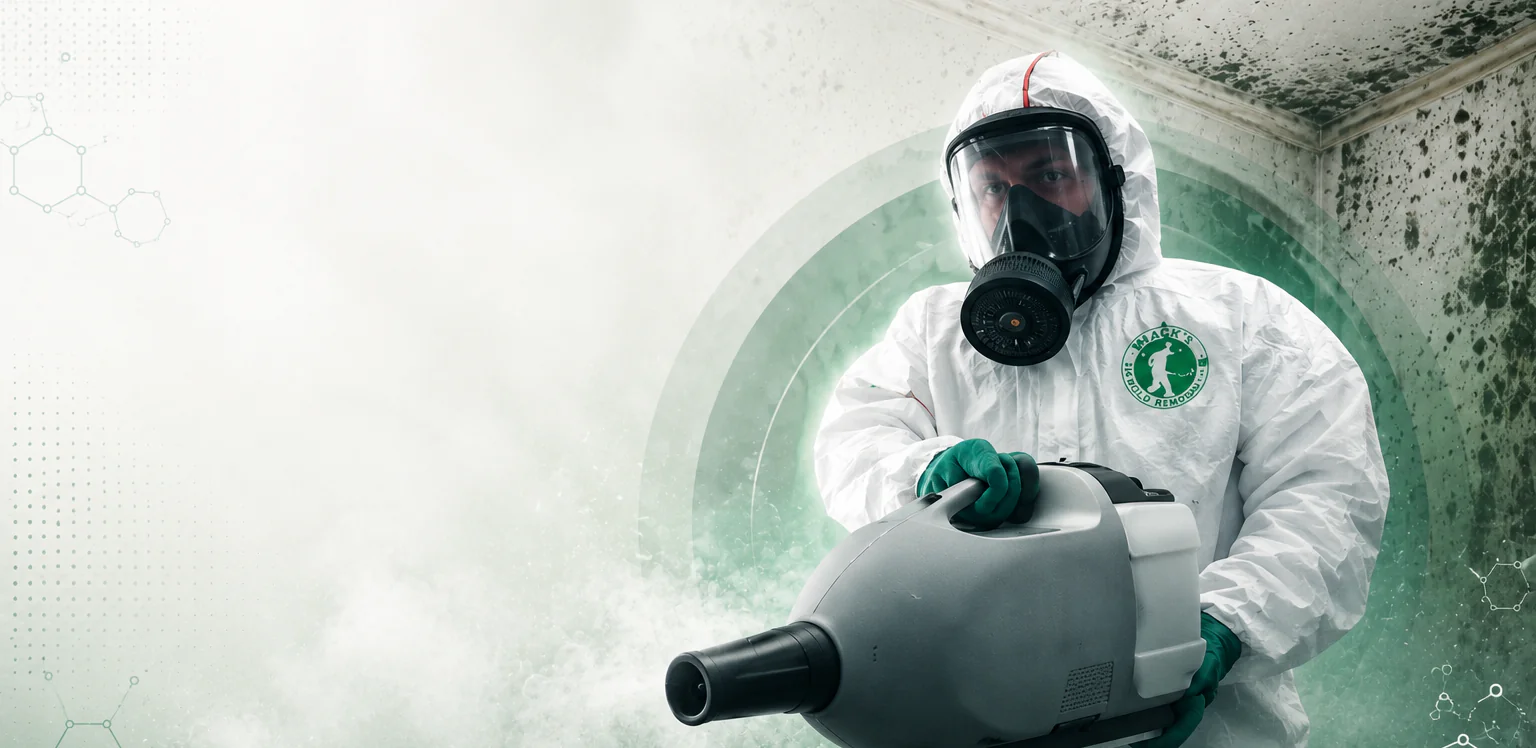
Mack’s Mold Removal offers free consultations and upfront pricing with no obligation and zero pressure. If you live in Bucks County and feel uneasy about your home air quality, reach out. We evaluate the full picture because in this work, the complete picture remains the only one that counts.