
Hear from Our Customers
Your air quality improves. The musty smell disappears. You stop worrying every time someone in your house coughs or sneezes.
Real mold mitigation isn’t about spraying bleach on visible spots. It’s about finding where moisture is getting in, fixing that problem, removing contaminated materials safely, and making sure spores don’t spread to clean areas while we work.
Most homeowners in Milford deal with mold because of basement moisture, poor ventilation, or old leaks that never fully dried. Bucks County’s humid summers don’t help. Neither do the damp winters. Mold finds a way into crawl spaces, behind drywall, under flooring, anywhere moisture sits long enough.
Once the source is fixed and contamination is removed, your home feels different. Lighter. Cleaner. You’re not second-guessing whether that stain is growing or if the air smells off. You know it’s handled.
We work throughout Milford and the surrounding Bucks County area. We use EPA-approved methods, moisture meters, infrared cameras, and containment systems that keep mold from spreading during removal.
We’re not a franchise following a script. We know the common problems in older Milford homes—stone foundations that seep, crawl spaces that trap humidity, bathrooms with outdated ventilation. We’ve seen what happens when mold gets ignored or halfway cleaned.
Our process starts with a free inspection. No pressure, no upselling. Just a clear assessment of what’s growing, why it’s growing, and what it takes to fix it properly.
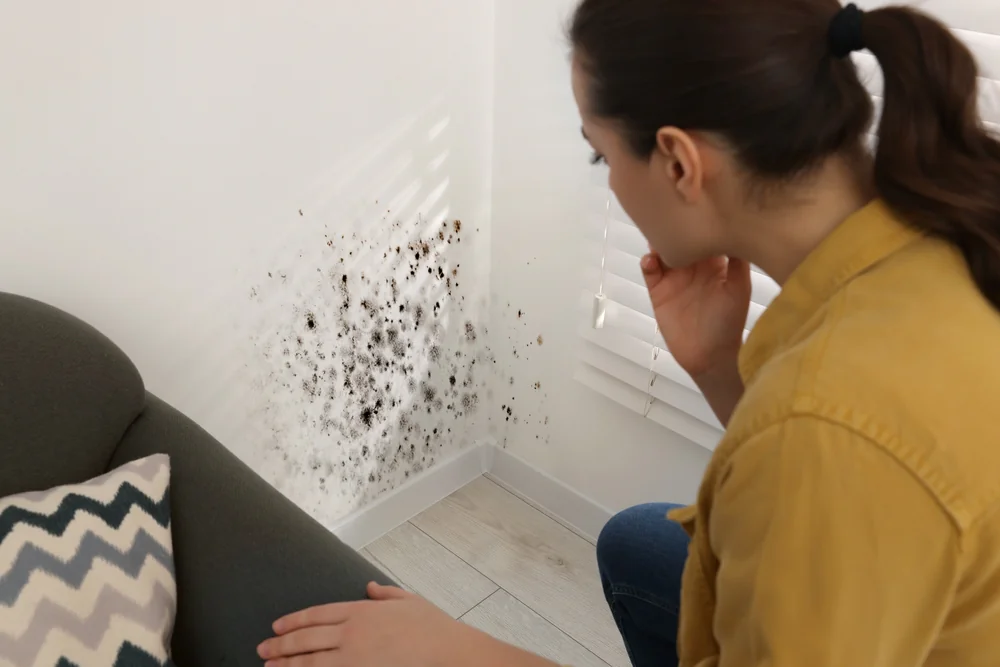
First, we inspect your property to find all affected areas. Mold hides. We use moisture meters and infrared cameras to check behind walls, under floors, and in spaces you can’t easily access.
Next, we identify the moisture source. Leaky pipe. Poor grading. Condensation buildup. Roof damage. Whatever it is, we find it. If we don’t fix the cause, mold comes back no matter how well we clean.
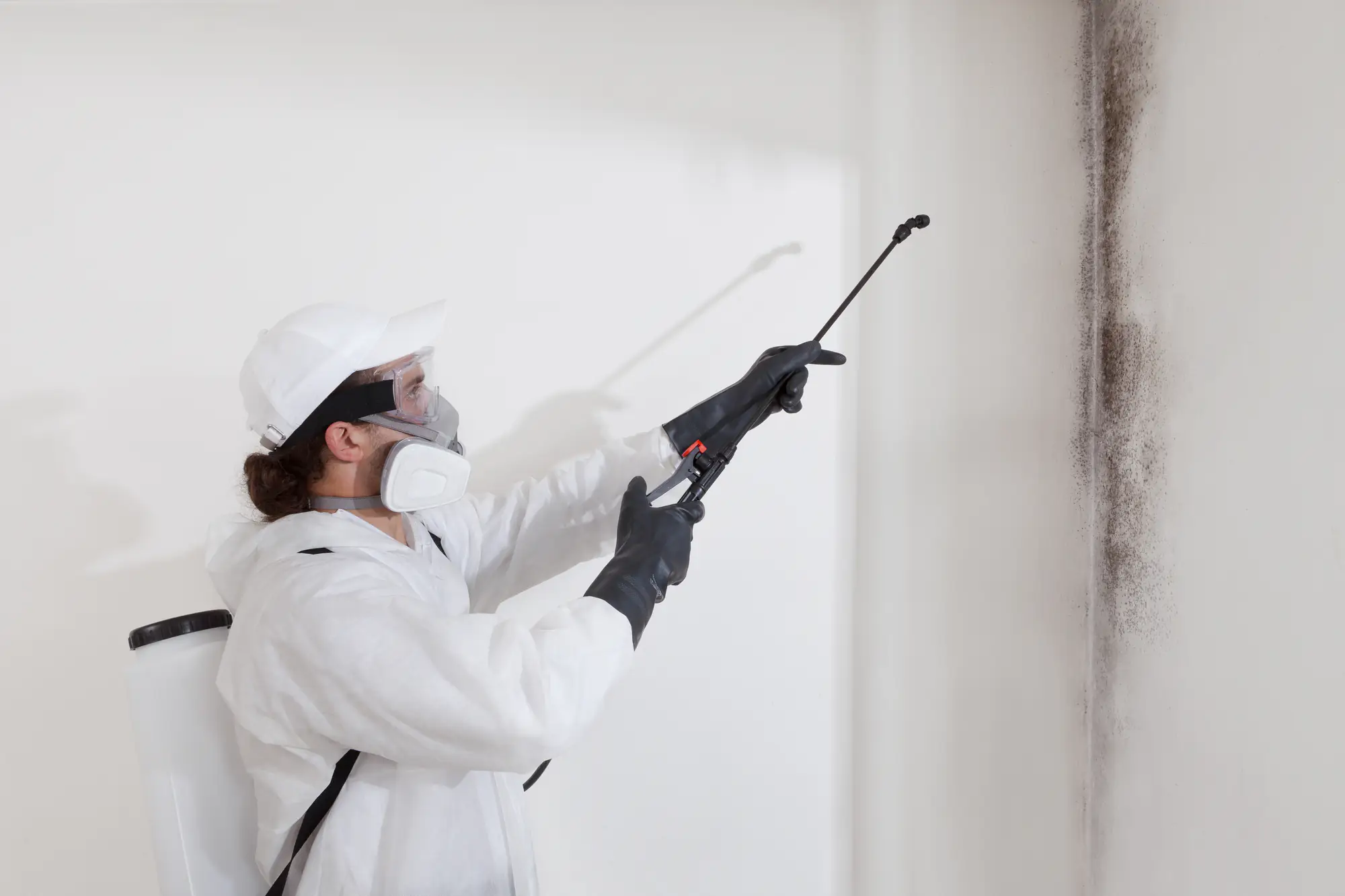
Then we contain the work area. Physical barriers and negative air pressure keep spores from spreading to other rooms. HEPA air scrubbers run continuously. We’re not just removing mold—we’re protecting the rest of your home while we do it.
We remove contaminated materials safely, treat affected surfaces, and dry everything thoroughly. After removal, we can handle repairs and restoration so you’re not coordinating multiple contractors. One team, start to finish.
Finally, we walk you through prevention. Dehumidifiers, ventilation improvements, moisture barriers—whatever makes sense for your property. You’ll know what to watch for and how to keep mold from coming back.
Ready to get started?
You get a full inspection at no cost. We document everything—photos, moisture readings, contamination extent. If you’re filing an insurance claim, this documentation matters.
Containment setup comes next. We seal off affected areas so mold doesn’t spread during removal. HEPA vacuums and air scrubbers capture airborne spores. This isn’t optional—it’s how you protect unaffected areas.
We remove mold growth and contaminated materials using EPA-approved methods. Drywall, insulation, flooring—if it’s porous and contaminated, it gets removed. You can’t clean mold out of porous materials. You remove them.
Milford’s older homes often have hidden mold in basements and crawl spaces where moisture accumulates. Stone foundations are common here, and they’re notorious for seeping. We treat these spaces differently than newer construction because they require different solutions.
After removal, we dry and treat all surfaces. Then we handle repairs—new drywall, insulation, flooring, whatever was removed. You’re not left with a gutted space and a list of contractors to call.
We also work directly with insurance companies. We know what documentation they need, how to communicate with adjusters, and how to simplify the claims process so you’re not doing it alone.
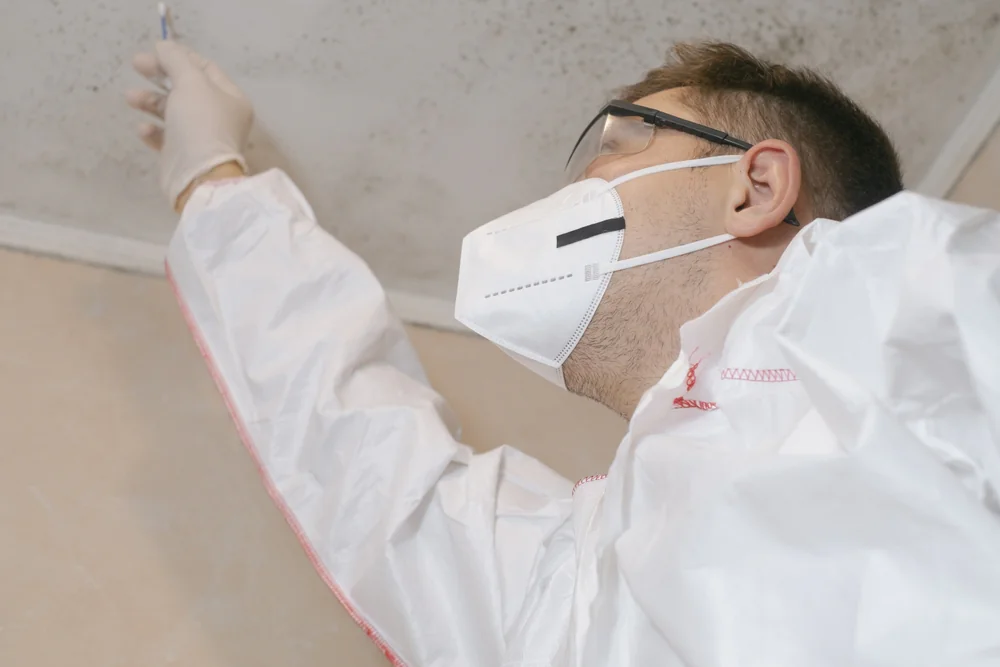
Mold removal means cleaning visible mold off surfaces. Mitigation means identifying why mold is growing, eliminating the moisture source, removing contamination, and preventing future growth.
Removal is surface-level. You spray something, wipe it down, and hope it doesn’t come back. Mitigation addresses the root cause. If you have a leaky pipe feeding mold growth, removal cleans the mold but leaves the leak. Mitigation fixes the leak, removes the mold, dries the area completely, and makes sure conditions don’t support regrowth.
Most homeowners try removal first. They buy a product, scrub the visible mold, and feel good for a few weeks. Then it comes back. That’s because the moisture problem never got fixed. Mitigation costs more upfront, but it actually solves the problem instead of masking it temporarily.
If you see mold growing, smell a persistent musty odor, or have had water damage that wasn’t dried within 48 hours, you likely need professional help.
Small spots on bathroom tile? You can probably handle that yourself with proper ventilation improvements. But if mold is spreading across drywall, growing in your basement, or appearing in multiple areas, that’s a moisture problem that needs professional assessment.
Hidden mold is the bigger concern. You might not see growth, but you smell something off or notice allergy symptoms that get worse at home. Mold grows behind walls, under flooring, in crawl spaces—anywhere moisture accumulates without airflow. We use moisture meters and infrared cameras to find growth you can’t see. If you’re unsure, get an inspection. It’s free, and you’ll know exactly what you’re dealing with.
Most residential mold mitigation projects take between two and five days, depending on contamination extent and how much material needs removal.
A single bathroom with mold behind the shower? Probably two days. A finished basement with widespread growth from a foundation leak? Closer to a week. The timeline depends on how far mold has spread, what materials are affected, and how long it takes to dry everything properly.
We don’t rush the drying process. Moisture is what caused the problem in the first place. If we don’t dry affected areas completely, mold comes back. We use dehumidifiers, air movers, and moisture meters to confirm everything is dry before we close up walls or reinstall flooring. You’ll know the timeline upfront after inspection. No surprises.
It depends on what caused the mold. If mold resulted from a sudden, covered event like a burst pipe or storm damage, insurance typically covers mitigation. If mold developed from long-term neglect or maintenance issues, probably not.
Insurance companies want documentation. They need proof of what happened, when it happened, and what damage resulted. We provide that documentation—photos, moisture readings, detailed scope of work. We also communicate directly with adjusters to explain what’s necessary and why.
Many homeowners don’t file claims because they assume insurance won’t cover it. Sometimes they’re right. But sometimes they’re wrong and leave money on the table. We’ll review your policy language and help you understand what’s covered. Even if insurance doesn’t cover everything, knowing your options helps you make better decisions about how to move forward.
Usually, yes. We contain the work area so mold spores don’t spread to other parts of your home. You can stay in unaffected areas while we work.
Containment means physical barriers—plastic sheeting, sealed doorways—and negative air pressure systems that pull air from the work zone through HEPA filters before exhausting it outside. This keeps contaminated air from reaching your living spaces.
If contamination is extensive or affects your HVAC system, we might recommend staying elsewhere temporarily. But that’s rare. Most projects allow you to remain in your home with minimal disruption. You’ll smell the equipment running and hear the air scrubbers, but you’re not breathing contaminated air or dealing with spores floating through your kitchen.
Fix moisture problems permanently, improve ventilation in high-humidity areas, and monitor spaces prone to dampness. Mold needs moisture to grow. Remove moisture, and mold can’t survive.
After mitigation, we identify what caused the problem and recommend specific prevention steps for your property. That might mean installing a dehumidifier in your basement, improving bathroom exhaust fans, regrading soil away from your foundation, or sealing a crawl space.
Bucks County’s climate works against you. Humid summers and damp winters create conditions mold loves. You can’t change the weather, but you can control moisture inside your home. Check gutters regularly. Fix leaks immediately. Run exhaust fans when you shower. Keep humidity below 60 percent. These aren’t complicated steps, but they make the difference between mold coming back and staying gone.
Other Services we provide in Milford