

Hear from Our Customers
You’ve noticed the smell. Maybe the coughing won’t stop, or your allergies are worse at home than anywhere else. You’ve checked the usual spots, but mold doesn’t always show itself.
That’s the problem with mold in Fairmount homes. With 40% of properties built before the 1940s, you’re dealing with older construction, settled foundations, and decades of moisture exposure. What you see on a bathroom tile might be nothing. What’s behind your walls or under your floors could be everything.
Professional mold testing tells you what’s actually there. Not just black mold, but the types of spores in your air, the contamination levels in each room, and the moisture sources feeding the problem. You get lab results that show whether you’re dealing with a surface issue or something that’s been growing for months.
Once you know what you’re up against, you can make the right call. Clean it yourself, call in remediation, or just stop worrying because the test came back clean.
We work with homeowners and property managers across Fairmount and the greater Philadelphia area. We’re certified by the IICRC, which means we follow the same standards labs and insurance companies expect.
We’re not here to upsell you on remediation if you don’t need it. We test, analyze, and report. If there’s mold, we’ll tell you what kind and where it’s coming from. If there’s not, we’ll tell you that too.
Fairmount’s housing stock is unique. Rowhomes, older builds, shared walls, basements that flood every few years. We’ve seen it all, and we know what to look for in properties like yours.
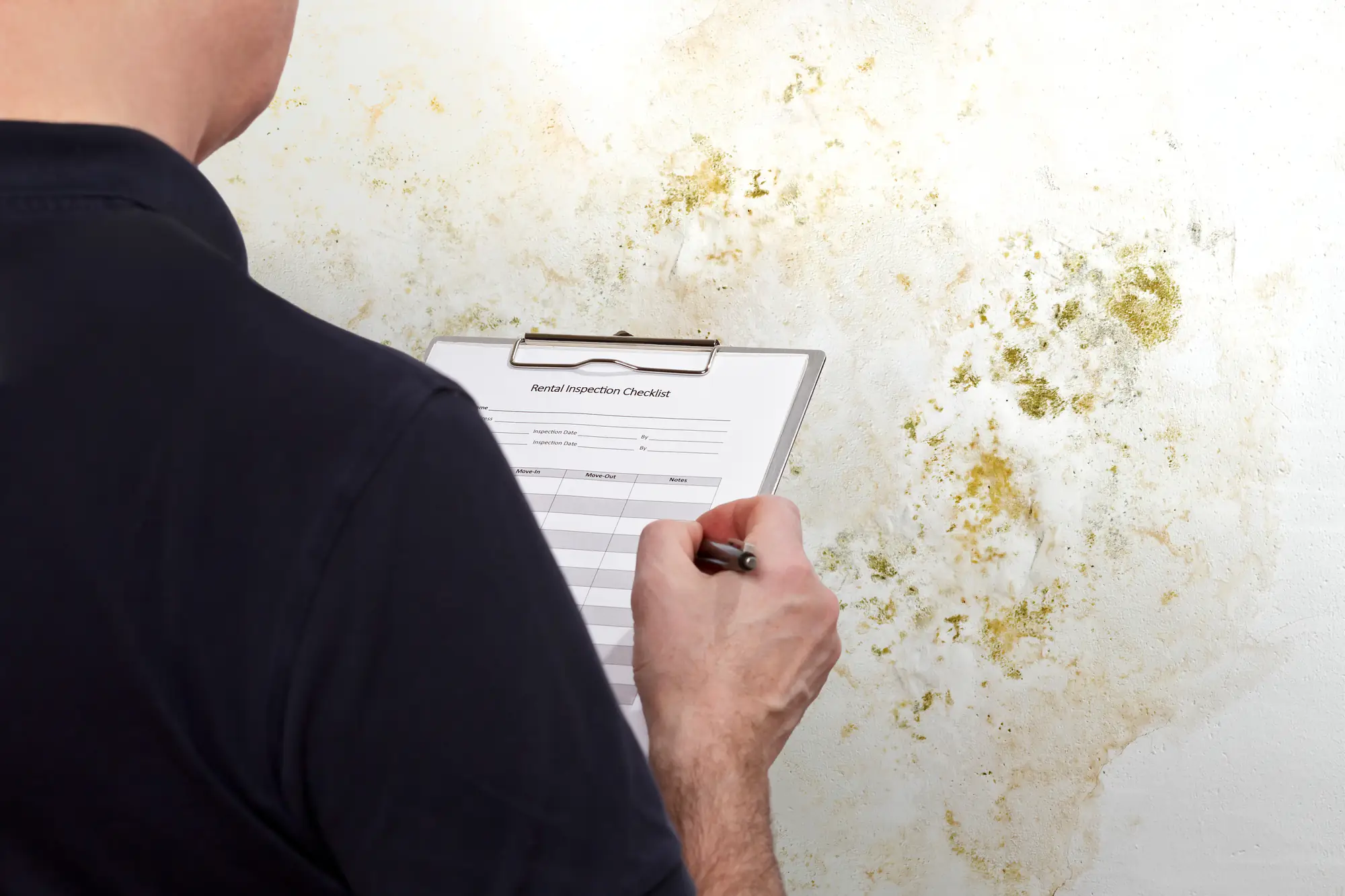
First, we walk through your property and talk about what you’ve noticed. Smells, stains, health symptoms, water damage, whatever brought you here. That conversation shapes where we test and what we look for.
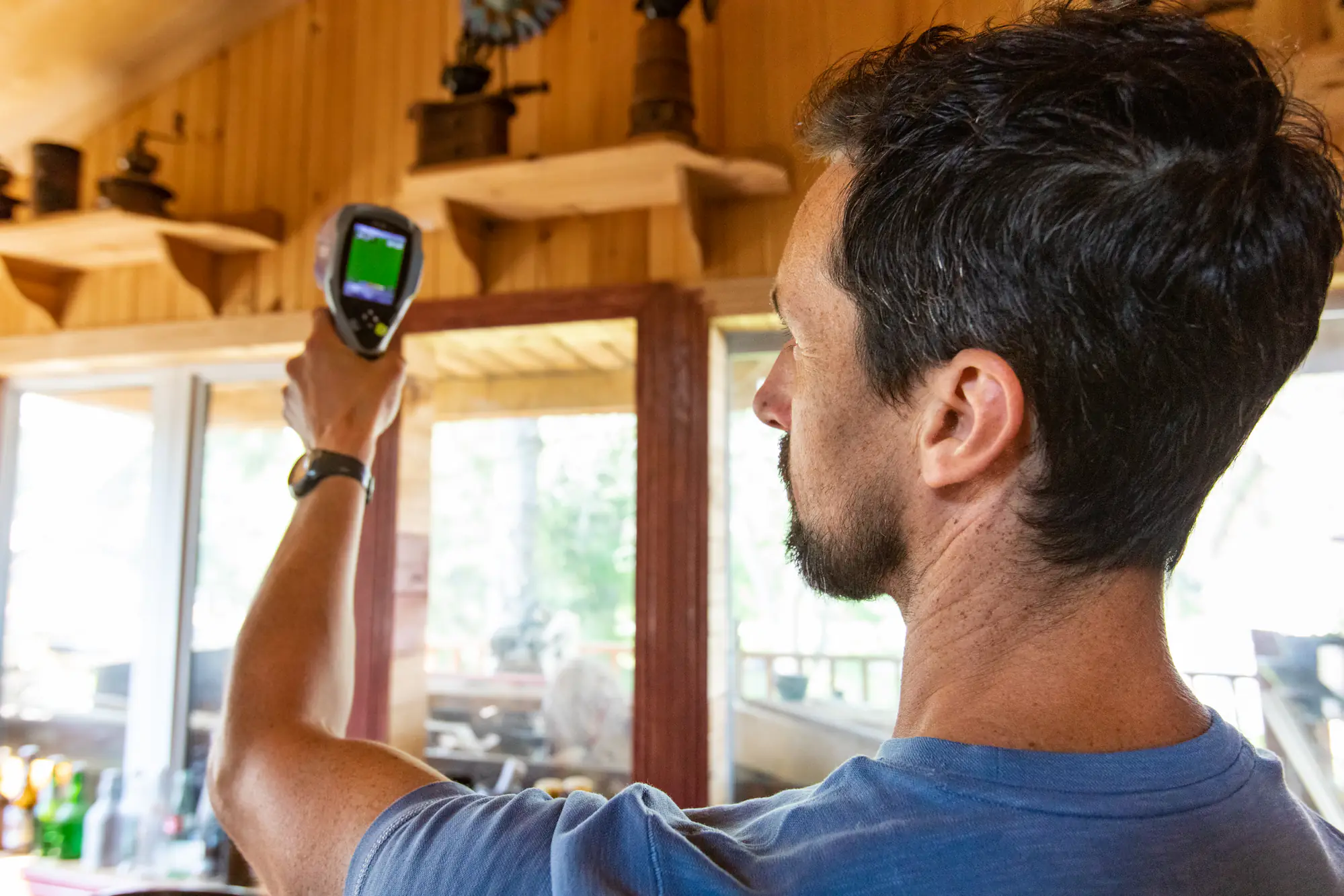
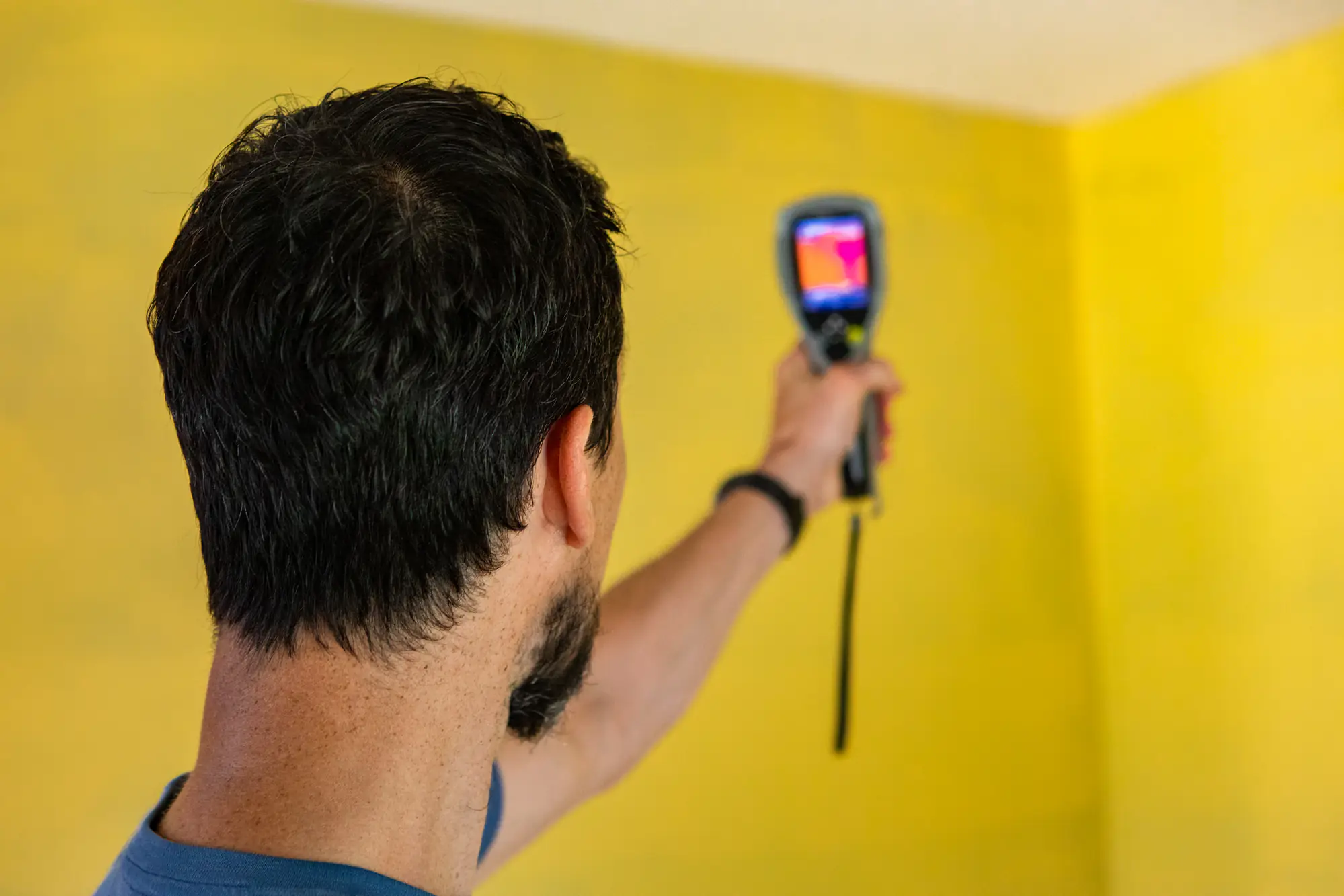
Next, we use thermal imaging cameras and moisture meters to find hidden water intrusion. Mold grows where moisture sits, so we’re tracking down the source, not just the symptom. We check walls, ceilings, crawl spaces, HVAC systems, anywhere moisture can hide.
Then we collect air and surface samples using lab-grade equipment. We’re pulling spores from the air you breathe and swabbing areas that look suspicious. Those samples go to a certified lab for analysis, where they identify mold types and measure contamination levels.
You get a full report within a few days. It breaks down what was found, where it was found, and what the spore counts mean for your health and property. We’ll walk you through the results and explain your options, whether that’s remediation, moisture control, or just keeping an eye on things.
Ready to get started?
Every mold test includes a visual inspection, moisture mapping with thermal imaging, air quality sampling, and surface sampling where needed. We’re not just checking for black mold. We’re identifying all mold types present, measuring spore concentrations, and documenting moisture levels that could lead to future growth.
In Fairmount, we pay special attention to basements and lower levels. The neighborhood sits in a flood zone, and plenty of properties deal with groundwater seepage or old waterproofing that’s failed. We check foundation walls, floor joists, and anywhere water could be sitting unnoticed.
You also get documentation that works for insurance claims, real estate transactions, or just your own peace of mind. The lab report is thorough enough to satisfy adjusters and inspectors, but written in plain language so you actually understand what it says.
If you’re buying a home in Fairmount, this test is worth it. Older homes have character, but they also have history. You want to know what you’re walking into before you sign.
Most residential mold testing in Fairmount runs between $300 and $600, depending on the size of your property and how many samples we’re collecting. A typical rowhome with two or three areas of concern usually falls in the middle of that range.
The cost covers the inspection, thermal imaging, sample collection, lab analysis, and a detailed report. If you need testing in multiple rooms or across several floors, that’ll add to the total. Same goes for crawl spaces or attics that require extra access work.
Some companies offer free inspections, but they’re often tied to remediation services. We charge for testing because it’s a standalone service. You’re paying for honest results, not a sales pitch.
Lab results typically come back within three to five business days after we collect samples. The lab needs time to culture the samples, identify mold species, and measure spore concentrations accurately.
We’ll call you as soon as we have the report. Then we’ll schedule a time to walk through the findings, either over the phone or in person. The report itself includes photos, lab data, and our recommendations based on what was found.
If you’re in a time crunch, like closing on a house or dealing with a health emergency, let us know upfront. We can sometimes request expedited lab processing for an additional fee, which cuts the turnaround to 24 to 48 hours.
You can buy DIY mold test kits at hardware stores, but they’re not reliable. Most kits just tell you that mold is present, which isn’t helpful because mold spores exist everywhere. What matters is the type of mold and the concentration levels, and DIY kits don’t measure that accurately.
Professional testing uses calibrated air pumps, controlled sampling methods, and certified lab analysis. We’re collecting samples under specific conditions and comparing them to outdoor baseline levels. That’s how you know if your indoor air quality is actually a problem or just normal background spores.
DIY kits also can’t find hidden mold. We use thermal imaging and moisture meters to detect issues inside walls, under floors, and in areas you can’t see. If you’re serious about knowing what’s in your home, professional testing is the only way to get real answers.
In Fairmount, we see a lot of Stachybotrys (black mold), Aspergillus, Penicillium, and Cladosporium. Stachybotrys grows on water-damaged drywall and wood, which is common in older homes with leaky roofs or plumbing issues. It’s the one people worry about most because it produces mycotoxins.
Aspergillus and Penicillium show up in damp basements, crawl spaces, and anywhere humidity stays above 60%. These molds can trigger allergies and respiratory problems, especially in people with asthma or weakened immune systems.
Cladosporium is usually found on fabrics, carpets, and HVAC systems. It’s less toxic than black mold but still causes symptoms like coughing, sneezing, and sinus congestion. The key is identifying which types you have and where they’re growing, because that determines how you handle removal and prevention.
If you can see mold, you know you have a problem. But testing still helps because it tells you what kind of mold you’re dealing with and whether it’s spread to other areas you can’t see.
Some molds are more dangerous than others. Black mold requires different handling than surface mildew. Testing also identifies hidden contamination, like mold growing inside walls or HVAC ducts that’s spreading spores through your home every time the system runs.
Testing is especially important if anyone in your house has health issues. People with asthma, allergies, COPD, or compromised immune systems react differently to different mold types. Knowing exactly what’s there helps you protect the people who are most vulnerable.
Yes. The lab report shows contamination levels and mold species, which tells us whether you need professional remediation or if you can handle cleanup yourself. Small surface mold on a bathroom tile is different from widespread growth behind drywall.
We’ll explain what the spore counts mean and what your options are. If levels are high or you’re dealing with toxic mold, remediation is the right move. If it’s minor and contained, we’ll tell you how to clean it safely and fix the moisture problem so it doesn’t come back.
The goal is giving you enough information to make the right decision. We’re not in the business of scaring people into services they don’t need. We test, report, and let you decide what happens next.
Other Services we provide in Fairmount